
Quick Answer: Cream or Ointment?
Choosing between a diaper cream and a diaper ointment comes down to your baby’s current skin condition. Diaper creams are generally water-based, offering a lighter texture that absorbs relatively quickly, making them ideal for daily prevention and soothing mild, temporary irritation. In contrast, diaper ointments are typically oil- or petroleum-based, creating a thick, occlusive barrier that sits on top of the skin to block out heavy moisture, urine, and feces.
Instead of relying solely on brand names or attractive packaging, parents should closely observe their baby’s skin during each diaper change. A hot, humid afternoon in a tropical climate might call for a lighter, breathable cream to prevent sweat buildup, while a long night of sleep requires the heavy-duty protection of an ointment. Matching the product formulation to the immediate state of your baby’s skin ensures effective protection without causing unnecessary irritation.
Understanding the Base: Water-Based Creams vs Oil-Based Ointments
To make an informed decision at the store or when browsing an online marketplace, it helps to understand what goes into these formulations. Diaper creams feature a higher water content, which gives them a smooth, spreadable consistency. They are designed to hydrate the skin while leaving a light protective layer. Many creams incorporate soothing botanical extracts, such as aloe vera or calendula, to calm minor chafing. Because they absorb more readily, they do not leave a heavy, greasy residue on your fingers or your baby’s skin.
Products mentioned in this guide
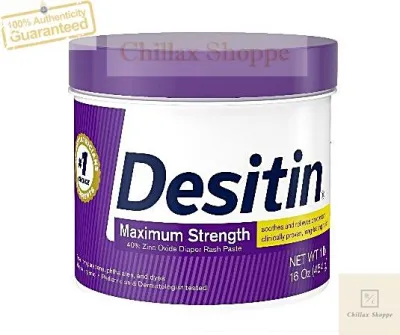
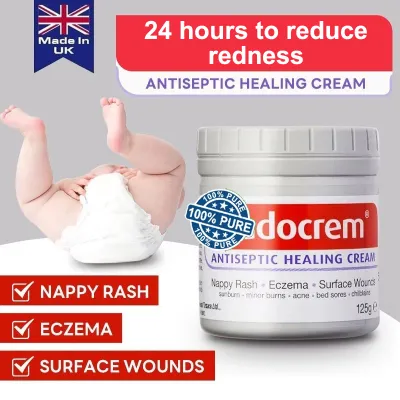
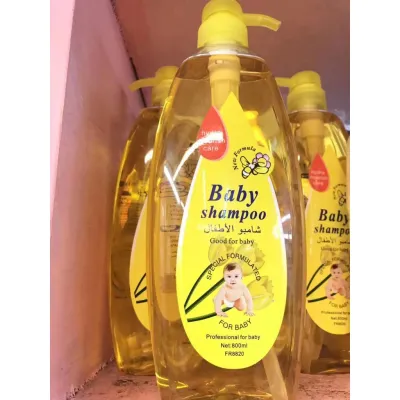
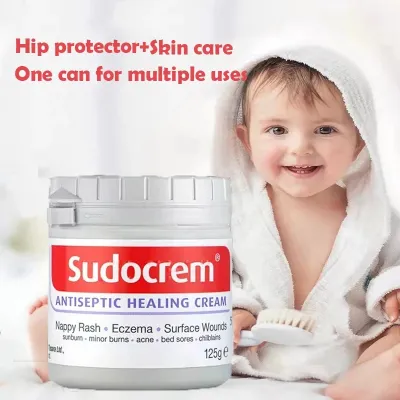
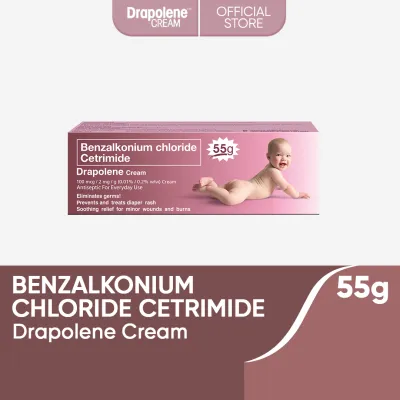
Prices are valid at publication and may change. Please refer to the product page for the latest price.

Diaper ointments, on the other hand, rely on an oil, petrolatum, or lanolin base. This formulation is intentionally thick, greasy, and water-resistant. Its primary job is not to absorb into the skin, but to act as a physical shield that repels external moisture. Many heavy-duty ointments also contain zinc oxide, a mineral that provides an opaque, protective barrier. This barrier prevents acidic waste from coming into direct contact with vulnerable skin cells.
Because marketing terms on packaging can sometimes overlap or confuse buyers, you should always verify the product type by checking the ingredient list. Look at the first few ingredients listed on the back of the tube. If water is the primary ingredient, you are holding a cream. If petrolatum, mineral oil, or lanolin sits at the top of the list, you are dealing with an ointment. Understanding this distinction allows you to predict exactly how the product will behave on your baby’s skin.
Self-Diagnosis: Matching the Product to Your Baby's Skin Condition
In tropical environments where high humidity and heat are constant factors, managing diaper area moisture is a daily challenge. Sweat can easily become trapped under a diaper, leading to friction and skin breakdown. Conducting a quick visual and tactile assessment during diaper changes will tell you exactly which product to reach for.
Scenario 1: Healthy Skin & Daily Prevention When your baby’s skin is clear, smooth, and free of redness, your goal is simple maintenance. During routine daytime diaper changes, applying a thin layer of a light, water-based diaper cream is often sufficient. This creates a breathable barrier that reduces friction between the diaper material and the skin. It allows sweat to evaporate more naturally, preventing the clogged pores and heat rashes that frequently occur in warm weather.
Scenario 2: Mild Redness or Early Irritation If you notice slight pinkness, mild chafing, or small dry patches around the leg cuffs or waistband, the skin barrier is beginning to compromise. This is the time to step up your protection. You can transition to a thicker diaper cream containing a low percentage of zinc oxide, or apply a light layer of ointment. This intermediate step provides a stronger shield against urine and feces while still allowing the skin to recover from early-stage irritation.
Scenario 3: Active Diaper Rash, Peeling, or Severe Redness When the diaper area exhibits bright red patches, swelling, peeling, or rough bumps, the skin barrier is severely compromised. In this scenario, a heavy, opaque ointment is necessary. The thick petroleum or zinc oxide base seals the skin completely, preventing any liquid or solid waste from touching the raw areas. This physical isolation is crucial because it gives the underlying skin cells a quiet, protected environment to regenerate and heal.
When to Stop and Seek Help While home care is highly effective for standard diaper irritation, you must recognize when professional medical intervention is required. Stop using over-the-counter products and consult your pediatrician immediately if you observe bleeding, open blisters, pus, or if your baby develops a fever. Additionally, if the rash spreads beyond the diaper area to the abdomen or thighs, or if it does not improve after several days of consistent ointment application, a doctor should evaluate the condition to rule out fungal or bacterial infections.
Best Practices for Application and Skin Care
Applying these products correctly is just as important as choosing the right formulation. Even the highest-quality ointment can fail or even worsen irritation if applied incorrectly.
The critical preparation step is ensuring the skin is completely clean and fully dry before any product touches it. Applying a moisture-blocking ointment over damp skin traps that wetness directly against the baby’s body, which can accelerate skin breakdown. After cleaning the area gently with alcohol-free wipes or lukewarm water, pat the skin dry with a clean cloth. In humid climates, letting your baby enjoy a few minutes of diaper-free air time is an excellent way to ensure complete dryness.
When it comes to application thickness, let the skin condition guide your hand. For daily prevention using a cream, a thin, transparent layer is all that is required. For treating an active rash with a thick ointment, apply a generous, opaque layer—similar to frosting a cake—so that the skin underneath is completely covered and protected from friction.
During subsequent diaper changes, avoid the temptation to scrub off every trace of remaining ointment. Harsh scrubbing damages the delicate, healing skin layers underneath. Instead, gently wipe away only the soiled top layer containing waste, leaving the clean, white base layer intact. This practice minimizes friction and preserves the protective barrier.
Always read the manufacturer’s label on your specific product to verify age restrictions, recommended application frequency, and any specific safety warnings.
Frequently Asked Questions (FAQ)
Can I use diaper cream and ointment together?
If you choose to use both products, the general rule of skincare application is to apply the thinnest product first and the thickest last. You would apply a light, water-based cream to hydrate and soothe the skin, allow it to absorb, and then seal it with a layer of oil-based ointment. However, you should avoid mixing the two products together in your hand before application, as this can dilute the active barrier properties of the ointment and reduce its effectiveness.
Do I need to wipe off all the ointment at every diaper change?
No, you do not need to clean the skin down to bare skin during every change if the ointment is still clean. Gently wipe away only the soiled top layer that has come into contact with urine or stool. Leaving the clean, unsoiled base layer of ointment intact protects your baby’s skin from the friction of repeated wiping, which can cause further irritation to already sensitive areas.

Community discussion
Share your experience or ask a question. Comments are reviewed before publication.