
Preparing a nursery involves making practical decisions that balance comfort, safety, and the physical layout of your home. One of the most frequent choices parents face is how to set up a diaper changing station. Deciding between a standalone diaper changer pad and a dedicated changing table with a built-in pad requires looking closely at your daily routine, available floor space, and long-term furniture plans.
Both options serve the same primary purpose but offer different advantages in terms of flexibility and storage. A standalone pad allows you to transform almost any flat, sturdy surface into a changing station, making it a highly adaptable choice for dynamic households. On the other hand, a dedicated changing table provides a structured, permanent setup with integrated storage, keeping all your baby essentials organized in one designated spot.
To make the right choice for your family, you must evaluate how each option fits into your living space, your budget, and your physical comfort during those countless daily changes. By considering a few key factors, you can create a safe, efficient, and comfortable environment for both you and your baby.
Products mentioned in this guide
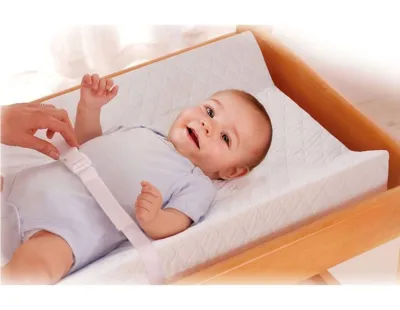
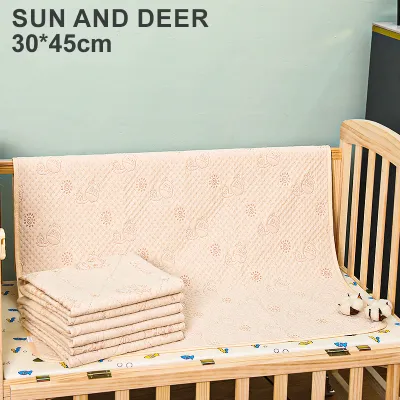
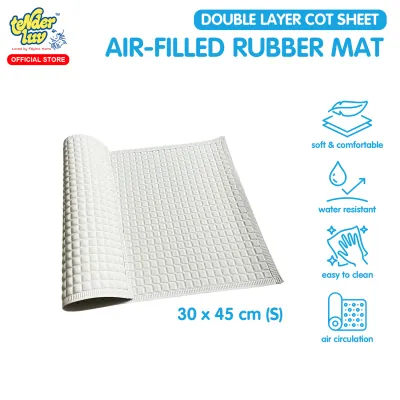
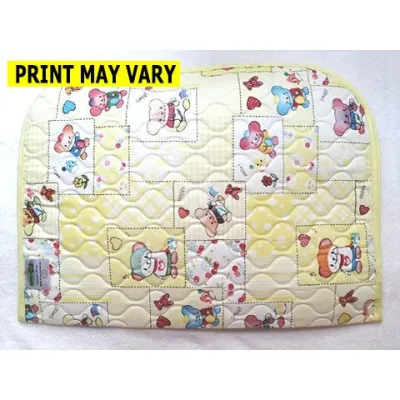
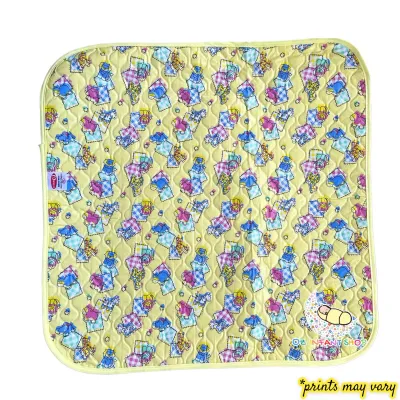
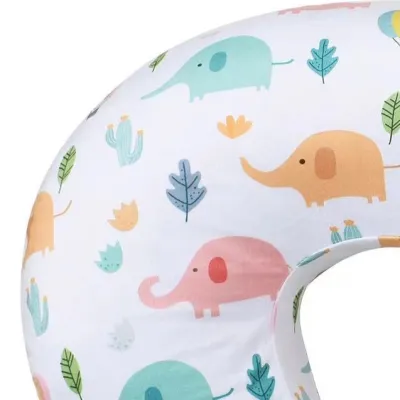
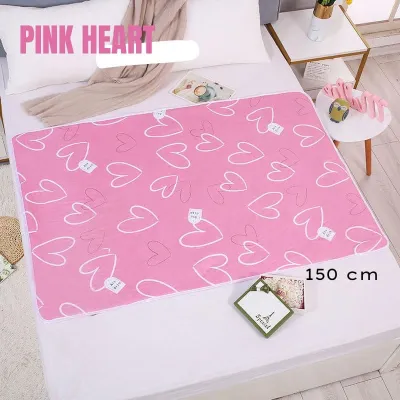
Prices are valid at publication and may change. Please refer to the product page for the latest price.
Assess Your Nursery Space and Furniture Layout
Before purchasing any nursery furniture, take accurate measurements of the room where you plan to change your baby. In many homes, especially in warm and humid tropical climates like the Philippines, maintaining open space is essential for proper air circulation and comfortable movement. A bulky piece of furniture can quickly make a small bedroom feel cramped and stuffy, so evaluating your floor plan is the logical first step.
If your nursery has limited floor space, a standalone diaper changer pad offers an excellent way to maximize what you already have. These pads can be placed securely on top of an existing chest of drawers, a sturdy dresser, or even a low shelving unit. This approach eliminates the need for an extra piece of furniture, leaving more open floor area for play mats, cribs, or easy movement around the room.
For larger rooms or dedicated nursery spaces, a full-sized changing table can serve as a functional anchor point. These tables are designed specifically for diaper changes, often featuring safety rails and a designated footprint that keeps the changing area separate from other activities. If you choose this route, ensure you have enough clearance around the table to stand comfortably and move without restriction.
Ergonomics should also play a major role in your decision. Diaper changes occur multiple times a day and night, and bending over an improper height can quickly lead to back and shoulder strain. Measure the height of any existing furniture you plan to use with a standalone pad to ensure it aligns comfortably with your waist. A dedicated changing table is typically manufactured at a standard ergonomic height, but it is still wise to verify that the dimensions suit your height before committing.
Weigh Your Budget Against Storage Needs
Budgeting for a new baby involves balancing immediate upfront costs with the long-term utility of your purchases. A standalone diaper changer pad is generally a highly cost-effective option, allowing you to allocate more of your budget to other nursery essentials. Because you are only purchasing the pad itself, the initial financial investment remains relatively low.

However, choosing a standalone pad means you must plan for alternative storage solutions. Diapering requires quick, easy access to a variety of supplies, including diapers, wipes, barrier creams, and a change of clothes. If you place a pad on a standard dresser, you will need to organize these items in nearby wall shelves, hanging organizers, or portable storage caddies that can be kept within arm’s reach.
A dedicated changing table, while representing a larger upfront investment, often solves your storage challenges in one purchase. Many changing tables feature built-in drawers, open shelves, or cubbies directly beneath the changing surface. This integrated design keeps all your supplies organized and hidden from view, which can be particularly helpful for maintaining a tidy, stress-free nursery environment.
In humid environments, storage choices also affect how you maintain your baby’s items. Open shelves on a changing table allow for excellent ventilation, helping to keep fabric diapers and clothing fresh. If you opt for a standalone pad on a dresser, utilizing breathable baskets or fabric bins on top of the dresser can provide similar ventilation benefits while keeping your essentials organized and accessible.
Consider Portability and Long-Term Furniture Use
Your daily routine and how you move throughout your home should heavily influence your choice of changing setup. If you live in a multi-story home or find yourself spending most of the day in the living room or kitchen, a heavy, stationary changing table in the upstairs nursery may not be practical. A lightweight, standalone diaper changer pad can offer the portability you need to handle changes wherever you are.
Some standalone pads are designed to be easily moved from room to room, allowing you to set up a temporary changing station on the floor or a secure table downstairs. This flexibility is also highly beneficial if you travel frequently or split time between different households. A portable pad can easily pack into a vehicle, ensuring your baby has a familiar, clean surface no matter where you go.
Long-term utility is another crucial factor to consider as your child grows. A standalone pad is incredibly easy to retire; once your baby outgrows diapering, you can simply store the pad away, pass it on to another family, or sell it. The dresser or table it sat on immediately reverts to its original use without any modifications or empty furniture pieces left behind.
In contrast, a changing table has a more permanent presence. While some models are designed to transition into standard dressers by removing the top changing barrier, others remain strictly changing tables. Before buying, check the manufacturer’s specifications to see if the furniture can be repurposed. Additionally, always verify the weight and size limits of both pads and tables to ensure they can safely accommodate your baby through the toddler transition.
Essential Safety and Maintenance Checks
Regardless of which option you choose, safety must always be your top priority when setting up a changing station. When shopping for a diaper changer pad, look for models that feature contoured edges to help keep your baby centered. A secure safety strap is essential for keeping active babies in place, and a non-slip bottom surface helps prevent the pad from shifting during use.
If you decide on a changing table, structural stability is paramount. Ensure the table is sturdy, well-constructed, and free of sharp edges or rough finishes. Many manufacturers require anchoring changing tables to the wall to prevent accidental tipping as your baby grows and becomes more active; always follow these installation instructions precisely to ensure a secure setup.
Hygiene and maintenance are also critical, especially in warm climates where moisture and spills can quickly lead to mold or bacteria growth. Choose a diaper changer pad with a waterproof, easy-to-clean surface that can be wiped down quickly. If you use fabric covers, ensure they are easily removable and machine-washable, and keep several spares on hand for quick changes.
Establish a regular sanitization routine for your changing area. Wipe down the pad and surrounding surfaces with a mild, baby-safe disinfectant after any messy changes, and allow the area to dry completely. Regularly inspect the safety straps, non-slip grips, and table joints to ensure everything remains in safe, working condition over months of daily use.
Make Your Final Decision: Pad vs. Table
To finalize your decision, take a moment to review your nursery space, your budget, and your lifestyle preferences. A standalone diaper changer pad is the ideal choice if you are working with a tight space, want to keep your budget minimal, or prefer the flexibility of a portable changing setup. It allows you to utilize your existing furniture while keeping your nursery open and versatile.
On the other hand, a dedicated changing table is the right fit if you prioritize integrated storage, want a permanent and highly organized changing station, and have the floor space to accommodate a new piece of furniture. This option provides a structured environment where everything you need is always in one place, making daily routines more predictable and streamlined.
Before making your final purchase, always verify the specific dimensions of the product to ensure it fits your intended space perfectly. Check the manufacturer’s weight limits, age recommendations, and safety guidelines to guarantee the setup is suitable for your baby’s developmental stage. By choosing the option that aligns with your home’s layout and your daily habits, you can create a safe, comfortable, and highly functional nursery.
Frequently Asked Questions (FAQ)
Can I put a standalone diaper changer pad on a regular dresser?
Yes, you can place a standalone diaper changer pad on a regular dresser, provided the dresser is sturdy, stable, and has a flat surface that fully accommodates the pad’s dimensions. Before setting it up, measure the top of the dresser to ensure the pad fits securely without any overhang. Always use a pad with a non-slip base or secure it to the dresser using the manufacturer’s provided safety straps or hardware. Avoid placing changing pads on narrow, tall, or unstable furniture that could easily tip over or shift during use.
When should I stop using a changing table or pad?
You should stop using an elevated changing table or pad when your baby reaches the manufacturer’s specified weight or age limits, or when they achieve certain developmental milestones. Generally, once a baby can consistently roll over, sit up, or attempt to stand, using an elevated changing surface becomes a safety hazard. At this stage, it is highly recommended to transition to floor-level changing using a portable changing mat or a secure pad placed directly on the floor to prevent accidental falls.

Community discussion
Share your experience or ask a question. Comments are reviewed before publication.