
Choosing between a diaper caddy and a diaper bag often feels like a choice between two essential parenting tools, but they serve entirely different roles. A diaper caddy is an open-top, stationary organizer designed to keep diapering essentials tidy and accessible within your home. In contrast, a diaper bag is a secure, wearable, and highly mobile carrier built to withstand the demands of travel and outdoor environments.
The decision is not about finding a single winner, but rather identifying how each item fits into your living space and lifestyle. If you primarily care for your baby at home, a caddy keeps your rooms organized. If you frequently step out for doctor visits, family gatherings, or errands, a diaper bag is indispensable. Understanding your daily habits will help you build a practical, budget-friendly system that keeps you prepared without unnecessary spending.
Understanding the Core Differences in Design and Function
The fundamental difference between a diaper caddy and a diaper bag lies in their design philosophies. A diaper caddy is built for stationary convenience and quick, one-handed access. It typically features an open-top design, removable dividers, and lightweight handles, allowing you to carry it easily from the bedroom to the living room. Because it lacks zippers or secure closures, it is meant to sit flat on changing tables, shelves, or floors within a controlled indoor environment.
Products mentioned in this guide
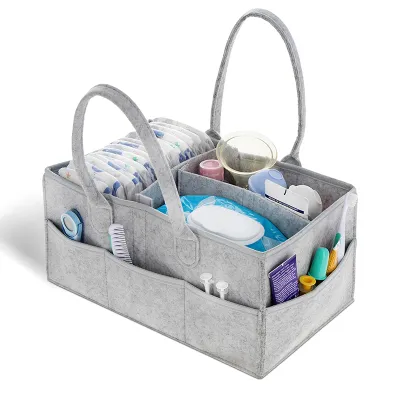
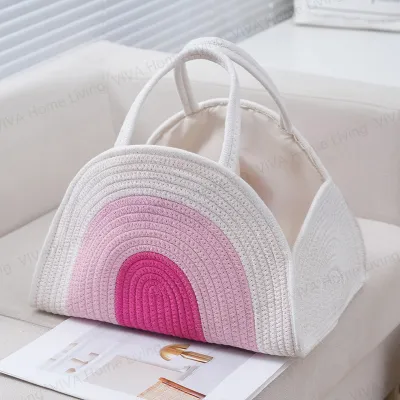
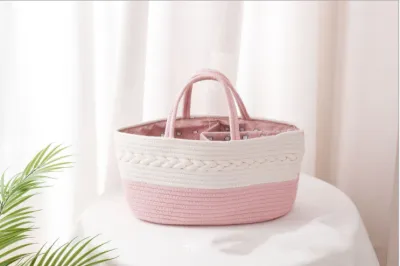
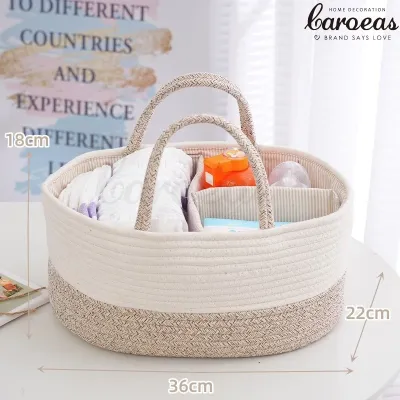

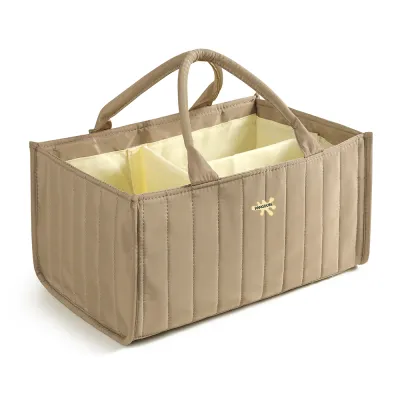
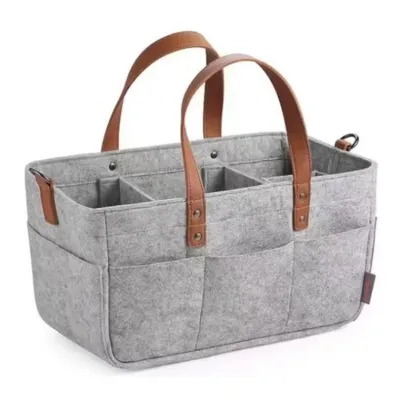
Prices are valid at publication and may change. Please refer to the product page for the latest price.
A diaper bag, on the other hand, is designed for mobility, security, and durability. It features secure zippered compartments, weather-resistant outer materials, and specialized carrying options like backpack straps or messenger slings. This enclosed design protects baby essentials from dust, sudden downpours, and humidity when you are outdoors. While a caddy excels at organizing a high volume of diapering supplies in a fixed space, a diaper bag is engineered to distribute weight ergonomically during active travel.
Self-Diagnosis: Assessing Your Daily Baby Care Routine
To determine which organizer fits your family, start by evaluating your daily habits and living arrangements. Consider how often you leave the house with your baby and the typical duration of those outings. If your routine consists mostly of quiet days at home with occasional short walks around the neighborhood, your storage needs will differ significantly from a family that travels frequently or manages daily daycare drop-offs.

Next, assess the physical layout of your home. Multi-story houses or large, spread-out bungalows often require decentralized storage to prevent constant trips up and down stairs. Carrying a baby while searching for a fresh diaper is both exhausting and a safety concern. A portable caddy solves this by establishing a secondary changing station wherever you spend the most time during the day.
Finally, consider your caregiving dynamics. If multiple family members, relatives, or nannies share baby care duties, having a highly visible, stationary caddy ensures everyone knows exactly where supplies are kept. If your baby frequently splits time between different households, a fully packed diaper bag serves as a consistent, mobile command center that travels with the child, ensuring no essential items are left behind.
When a Diaper Caddy Best Fits Your Lifestyle
A diaper caddy is highly practical for parents who spend the majority of their time at home, especially during the early postpartum weeks. During this recovery period, minimizing physical strain is essential. Placing a fully stocked caddy in high-traffic areas like the living room or the master bedroom allows you to perform quick diaper changes without constantly walking back to the nursery changing table.
A caddy also serves as an excellent portable trunk organizer for quick car trips. Instead of packing a bulky diaper bag for a short drive to a nearby relative’s house, you can keep a stocked caddy in the back of your vehicle. This keeps diapers, wipes, and a changing mat organized and ready for emergency roadside changes without taking up valuable passenger space.
For minimalist parents, a caddy supports a streamlined routine. It holds just enough immediate essentials—such as a dozen diapers, a pack of wipes, and a tube of rash cream—to keep your living spaces looking tidy and organized, avoiding the cluttered look of loose baby supplies scattered across furniture.
When a Full Diaper Bag is Essential
A fully equipped diaper bag is non-negotiable for any outing lasting longer than an hour. Whether you are heading to a pediatric check-up, visiting a local shopping mall, or traveling to see family, you must carry a wide variety of supplies that go far beyond basic diapering gear. A diaper bag is designed to secure these diverse items safely.
Unlike a caddy, a diaper bag must accommodate feeding bottles, formula dispensers, spare clothing for unexpected blowouts, pacifiers, and small toys to soothe a fussy baby. The enclosed, zippered compartments prevent these items from falling out during transit and protect them from outdoor dirt and humidity.
Ergonomics and convenience are also critical when you are on the move. A high-quality diaper bag, particularly a backpack style, distributes weight evenly across your shoulders. This hands-free carrying option is essential when navigating busy streets, boarding public transport, or pushing a stroller, allowing you to keep your hands free to care for your baby safely.
Building a Practical System: Using Both Together
Instead of viewing these two items as competitors, you can use them to build a highly efficient, complementary storage system. In this setup, the diaper caddy serves as your home-based restocking station, while the diaper bag acts as your grab-and-go travel kit. Keeping the caddy parked in your main living area allows you to quickly replenish the diaper bag before heading out the door.
To make this system work seamlessly, establish a routine for transferring essentials. For example, you can use the caddy to store bulk supplies of diapers and wipes, and then transfer a smaller, travel-sized portion to your diaper bag every evening. This ensures your travel bag is always packed and ready, reducing pre-departure stress.
You can also optimize your budget by evaluating what you already own before purchasing both items. A sturdy woven basket, a plastic storage bin, or an unused desk organizer can easily be repurposed as a functional diaper caddy. Similarly, a spacious backpack you already use for travel can serve as a diaper bag if you add a few organizing pouches or a portable changing mat. This allows you to invest your budget in high-quality diapers, baby wear, or other essential nursery gear.
Key Features to Verify Before You Buy
Before purchasing either a diaper caddy or a diaper bag, it is important to verify specific physical features and material conditions to ensure they withstand daily wear. First, check the material surfaces on product labels or manufacturer care instructions. Look for water-resistant, wipeable linings that can be easily cleaned with a damp cloth, which is especially important in humid tropical climates where spills can quickly lead to mold or odors.
Second, verify the compartment dimensions against the specific diaper and wipe brands you currently use. Some baby wipe tubs are bulkier than standard soft packs, and certain diaper brands are thicker than others. Ensure the dividers in a caddy are adjustable or spacious enough to hold your chosen supplies without forcing them into tight spaces.
Finally, inspect the structural integrity of the handles and straps. For diaper bags, look for reinforced stitching at the stress points where the shoulder straps meet the bag body, as well as adjustable, padded straps to prevent shoulder strain. For diaper caddies, ensure the base is sturdy and will not sag or lose its shape when lifted with heavy items like baby lotion bottles or water flasks.
Frequently Asked Questions (FAQ)
Can I use a regular tote bag instead of a dedicated diaper bag?
Yes, you can use a regular tote bag, but there are practical trade-offs to consider. Standard tote bags usually lack internal compartments, which can turn the bag into a cluttered space where finding a pacifier or diaper cream during an emergency is difficult. They also lack insulated pockets to keep milk bottles at safe temperatures and waterproof compartments to isolate wet clothes. If you choose to use a regular tote, consider purchasing a diaper bag organizer insert. This adds structure, pockets, and water-resistant barriers, converting your existing bag into a functional baby care tool for short trips.
How many diaper caddies are practical for a multi-story home?
For a multi-story home, having two diaper caddies is generally the most practical setup. Place your primary, fully stocked caddy in your main daytime living area, such as the living room, and a secondary, smaller caddy in your bedroom or nursery for nighttime changes. This setup prevents you from having to navigate stairs while carrying a sleeping or crying baby in the dark. Keep the secondary caddy stocked with only the bare essentials—a few diapers, a travel pack of wipes, and a change of clothes—to minimize clutter and make restocking simple during your weekly routine.

Community discussion
Share your experience or ask a question. Comments are reviewed before publication.