
An organizer for baby things is the ultimate tool for keeping order during outings with a newborn. When you are dealing with a sudden diaper blowout or a hungry infant in a crowded public space, a disorganized bag can turn a manageable situation into a highly stressful ordeal. A well-designed diaper bag with built-in organizers ensures that every essential item—from clean diapers and wipes to bottles and spare clothes—has a dedicated, easily accessible home. Rather than rummaging through a dark, unstructured compartment, parents can locate exactly what they need in seconds. Choosing the right bag requires looking beyond aesthetics to evaluate specific pocket configurations, layout accessibility, material durability, and overall ergonomics that match your daily routine.
Essential Compartments for Newborn Supplies
Newborns require a surprising volume of small, highly specific items that must be kept clean, dry, and readily accessible. A standard backpack with one large open compartment quickly becomes a chaotic jumble, which is why specialized built-in compartments are so valuable. When evaluating an organizer for baby things, several dedicated zones are essential for maintaining hygiene and order during your travels.
Insulated bottle pockets are a critical feature for temperature control and safe storage. Whether you are carrying warm water for formula preparation, expressed breast milk, or a cool beverage, these pockets help maintain a stable temperature for several hours. Look for insulation that lines the entire pocket rather than just a single panel, and ensure the pocket is tall enough to accommodate your preferred bottle brand. In tropical climates where ambient temperatures can rise quickly, reliable insulation prevents rapid spoilage and keeps feeding supplies safe.
Products mentioned in this guide
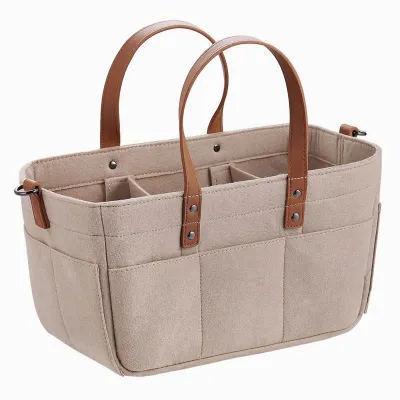
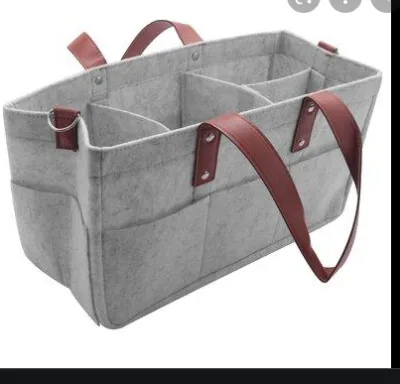
Prices are valid at publication and may change. Please refer to the product page for the latest price.
Dedicated wipe-access slots are another game-changing feature designed specifically for one-handed retrieval. During a messy diaper change, you rarely have two free hands to unzip a bag, pull out a wipe container, open the lid, and extract a wipe. A dedicated exterior slot allows you to pull a single wipe directly from the pack while keeping your other hand securely on your baby. Ensure the slot is adjustable or sized to fit standard, locally available wipe packs so that the opening aligns perfectly with the plastic dispenser lid.
Hygiene is paramount when traveling with a newborn, which makes a separate changing pad compartment indispensable. This compartment isolates the portable changing pad—which frequently comes into contact with public changing tables—from the clean clothes, pacifiers, and feeding utensils stored in the main body of the bag. Keeping this pad in its own dedicated, easily wipeable sleeve prevents the transfer of external dirt and bacteria to your baby’s most sensitive items.
Finally, wet and dry separation zones are crucial for managing the inevitable messes of newborn life. Soiled clothes, damp bibs, or leaky burp cloths need to be quarantined immediately to prevent odors and moisture from ruining the rest of your packed gear. A built-in wet pocket lined with waterproof material, such as PEVA or high-density TPU, provides a secure barrier. This allows you to store damp items safely until you return home, protecting your clean diapers and dry spare outfits from accidental spills.
Evaluating Layout and Accessibility
The effectiveness of an organizer for baby things depends heavily on how easily you can access its contents under pressure. A bag might have dozens of pockets, but if the layout is poorly planned, you will still struggle to find items quickly. Evaluating the physical structure, opening mechanism, and interior visibility of the bag is just as important as counting the number of compartments.

A wide-opening main compartment is the foundation of good accessibility. Look for bags featuring a structured doctor-bag style opening, a full clamshell zip, or a wide U-zip that allows the bag to stay open on its own. When a bag holds its shape while open, you can view the entire interior layout at a glance without having to hold the fabric back with one hand. This structural integrity is particularly helpful when you are balancing a baby on a changing table and need to grab a fresh diaper quickly.
Interior visibility is further enhanced by the color of the lining. Many standard backpacks feature dark black or navy blue interiors, which turn the bag into a dark cavern where small items like pacifiers, medicine droppers, or nail clippers easily disappear. Opt for diaper bags with light-colored, contrasting interior linings—such as soft grey, cream, pastel blue, or light yellow. This simple design choice makes it significantly easier to spot small objects, even in low-light environments like a dimly lit nursery room or the backseat of a car at night.
One-handed access mechanisms are essential for high-frequency items. Magnetic closures, easy-pull zippers with large loops, and elasticized exterior pockets allow you to grab keys, phones, or pacifier cases with minimal effort. Avoid bags that rely on complex buckles, stiff snaps, or intricate strap systems for their primary compartments, as these require two hands and focused attention to open and close.
Weight distribution is another critical aspect of layout design. When a diaper bag is fully loaded, heavy items like water bottles, thermos flasks, and multiple changes of clothes can shift to the bottom, causing the bag to sag, lose its shape, and pull uncomfortably on your shoulders. High-quality built-in organizers feature elevated pockets and internal dividers that keep heavier items positioned closer to your back and higher up in the bag. This strategic placement stabilizes the load, prevents the bag from tipping over when placed on a flat surface, and ensures a much more comfortable carrying experience during long walks.
Material and Hardware Checks for Daily Use
A diaper bag with an organizer for baby things is a high-use item that will undergo significant wear and tear, frequent spills, and constant cleaning. The materials and hardware used in its construction directly determine how long the bag will last and how easy it will be to maintain hygienic conditions for your newborn.
Wipeable and water-resistant interior linings are non-negotiable. Spilled milk, leaky water bottles, and crushed snacks are inevitable occurrences. The interior fabric should be made of a non-porous material that does not absorb liquids or odors. A quick wipe with a damp cloth or a baby wipe should be sufficient to clean up most messes. Avoid bags with absorbent cotton or cheap nylon linings that can trap moisture, leading to mold, mildew, and persistent unpleasant smells in humid environments.
The quality of the zippers and hardware is a major indicator of the bag’s overall durability. Look for smooth, snag-free zippers made of durable metal or heavy-duty nylon coil. The zippers should glide effortlessly without catching on the internal fabric dividers, mesh pockets, or lining. Since you will often be opening and closing these compartments with one hand, any resistance or catching can quickly become frustrating and may eventually lead to a broken zipper, rendering the compartment useless.
Reinforced stitching on the built-in organizers is essential to handle the concentrated weight of loaded baby gear. Pockets designed to hold heavy bottles, thermos flasks, or thick stacks of diapers experience constant pulling and tension. Check the seams around the internal pockets, shoulder straps, and top handles for double stitching, bar-tack reinforcement, or heavy-duty binding tape. Weak seams can easily unravel under the weight of daily essentials, causing the internal dividers to collapse.
Finally, prioritize easy-clean exterior surfaces and non-toxic materials. The exterior of the bag will be placed on park benches, public restroom floors, and car seats, so it must be made of a durable, water-resistant material like treated polyester, nylon, or high-quality vegan leather that can be easily wiped down. Additionally, ensure that all materials used in the bag’s construction—especially the interior linings that come into direct contact with bottles, pacifiers, and teething toys—are free from harmful chemicals such as BPA, phthalates, lead, and PVC, meeting standard safety expectations for baby gear.
Pre-Purchase Inspection Checklist
Before committing to a specific diaper bag, conducting a thorough pre-purchase inspection can save you from the frustration of owning a bag that looks great but fails in daily practice. If you are shopping in a physical store, or if you want to test a bag you have ordered online before removing the tags, use this practical checklist to evaluate its real-world functionality.
First, pack a mock newborn loadout to test the actual usable capacity against the bag’s stated volume. Gather the typical items you plan to carry on a standard outing: six to eight diapers, a full pack of wipes, two bottles, a thermos, a change of clothes, a swaddle blanket, diaper cream, pacifiers, and your personal items like a wallet and keys. Place these items into the built-in organizers. This test will reveal whether the pockets are realistically sized and if filling one pocket deprives the adjacent compartments of space, which is a common design flaw in poorly constructed bags.
Next, test the zipper clearance and structural integrity when the main compartment is fully expanded. Zip and unzip every compartment while the bag is fully loaded. The zippers should still glide smoothly without straining against the packed contents. Observe whether the bag maintains its shape or bulges awkwardly, which can put excessive pressure on the seams and zippers. A well-designed bag should expand outward or have structured panels that accommodate a full load without compromising its closure mechanisms.
Check the strap comfort, padding, and balance of the fully loaded bag. Wear the bag on your shoulders or carry it by the top handle for a few minutes. The shoulder straps should be wide, well-padded, and contoured to distribute the weight evenly across your shoulders and back. Pay attention to whether the bag pulls backward or sags uncomfortably. If the internal organizers are doing their job, the weight should feel centered and stable, rather than shifting wildly as you move.
Finally, verify the bag’s exterior dimensions and attachment points. If you plan to hang the bag from your stroller, check that it includes dedicated, reinforced stroller straps or clips. Ensure these attachment points are sturdy and positioned so that the bag hangs securely without tipping the stroller backward when your baby is not in the seat. The exterior dimensions should be compact enough to fit comfortably in the under-stroller storage basket or on your back without feeling overly bulky during transit.
Frequently Asked Questions (FAQ)
Do I need a dedicated diaper bag or can I use a regular backpack with an organizer insert?
A dedicated diaper bag is specifically engineered to handle the unique demands of baby gear, offering built-in features like insulated bottle pockets, waterproof wet zones, and quick-access wipe slots that are rarely found in standard backpacks. While using a regular backpack with an aftermarket organizer insert can be a cost-effective solution if you already own a high-quality bag, it often presents challenges with weight distribution and accessibility. Inserts can shift inside a standard backpack, making it harder to find items quickly, and they often consume valuable interior space, leaving less room for bulkier items like blankets or jackets. For daily convenience and optimal organization, a dedicated diaper bag with built-in compartments is generally the more efficient choice for newborn care.
How many insulated bottle pockets are necessary for a newborn?
The ideal number of insulated bottle pockets depends largely on your feeding routine and the typical duration of your outings. For breastfeeding parents who may only need to carry an occasional bottle of expressed milk or water, one or two insulated pockets are usually sufficient. For formula-feeding parents or those planning longer day trips, having two to three insulated pockets is highly beneficial, allowing you to carry multiple prepared bottles or a combination of warm water and milk. If you do not need all the insulated pockets for feeding, they can easily double as secure, temperature-controlled storage for parent beverages, liquid medications, or small snacks as your baby grows, making them a versatile feature for any parenting style.

Community discussion
Share your experience or ask a question. Comments are reviewed before publication.