
Ensuring your child receives the right nutrients for healthy growth is a top priority for any parent. Among these nutrients, Docosahexaenoic acid (DHA)—an omega-3 fatty acid—plays a fundamental role in early brain development and visual acuity. As you search for ways to support your little one’s milestones, you may notice colorful, fruit-flavored dha gummies lining pharmacy shelves and online marketplaces. However, when it comes to babies, the short answer is that DHA gummies are not safe.
While the nutritional value of DHA itself is highly beneficial, the physical format of a gummy poses a severe choking risk for infants and young toddlers. A baby’s respiratory and digestive tracts are still developing, and they lack the physical capability to process chewy, elastic supplements safely. Furthermore, dietary supplements are not a universal requirement for every child. Most healthy babies obtain all the DHA they need naturally through breast milk, fortified infant formula, or a carefully planned transition to solid foods. Before introducing any new supplement into your child’s routine, it is essential to consult a pediatrician to evaluate their specific nutritional needs and physical readiness.
Age and Choking Risks: When Can Children Have DHA Gummies?
The primary hazard of giving dha gummies to babies lies in their physical texture. Infants and toddlers under the age of two do not have the necessary molar teeth or the oral motor coordination required to grind down tough, rubbery substances. Instead of chewing a gummy into safe, easily swallowable pieces, a young child is highly likely to attempt to swallow it whole or bite off large chunks. This can easily block their narrow airway, leading to a life-threatening choking emergency.
Products mentioned in this guide
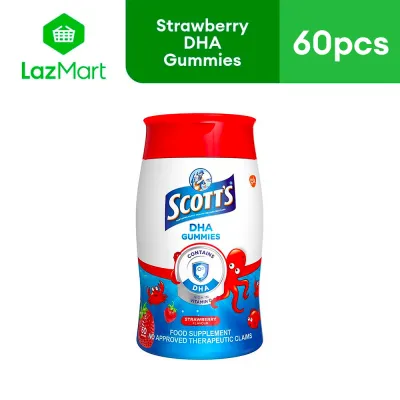

![Scotts DHA Gummies Strawberry + Orange 60s [Pack of 2] Helps Support Brain Development](https://img.lazcdn.com/g/p/57c252d1cbab5822cf70bdee533730fd.png_400x400q80.png_.webp)
![[BUY 2 TAKE 1] Scotts DHA Gummies Strawberry and Orange 60s (Pack of 2) get 1 FREE Scotts Pastilles 50s](https://img.lazcdn.com/g/p/9b77b2adc3db029f7f791b72e2261a33.jpg_400x400q80.jpg_.webp)
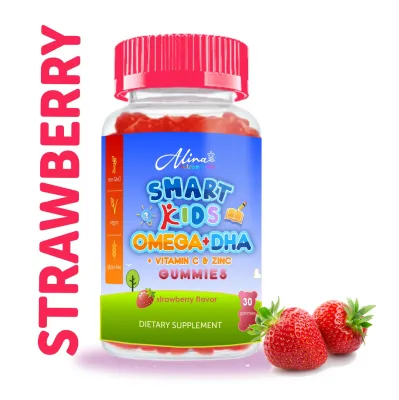
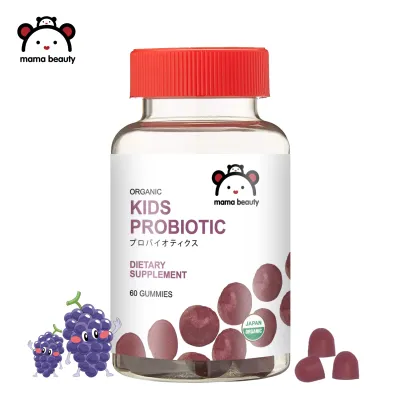
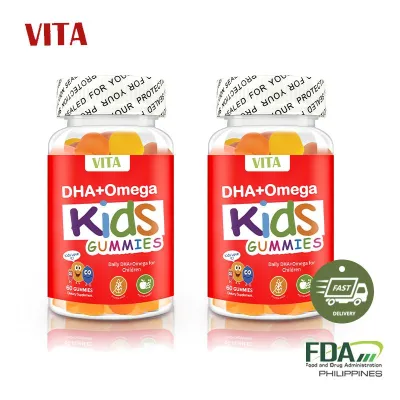
Prices are valid at publication and may change. Please refer to the product page for the latest price.
In tropical climates like the Philippines, high humidity and ambient temperatures can make gummy vitamins even more hazardous. Warm weather often causes these supplements to sweat, melt, or stick together in the bottle. When a child attempts to chew a sticky, partially melted gummy, it can easily adhere to the roof of the mouth or the back of the throat, compounding the risk of airway obstruction.
For infants, nature already provides highly efficient ways to absorb essential fatty acids. During the first year of life, breast milk from a mother with a balanced diet or DHA-fortified infant formula is typically sufficient to meet all developmental demands. As your baby transitions to solid foods, you can introduce natural, whole-food sources of omega-3s. In local Philippine markets, easily accessible options such as well-cooked and finely mashed galunggong (round scad), dilis (anchovies), or salmon provide highly bioavailable DHA without the physical risks associated with processed candy-like supplements.
When considering any commercial supplement, you must strictly check the manufacturer’s packaging for the minimum age requirement. Most reputable brands explicitly state that their gummy vitamins are formulated for children aged two, three, or older. Never assume a product is safe for an infant simply because it features baby-friendly branding or cartoon characters. When your child reaches the age where gummy supplements are deemed developmentally appropriate by your pediatrician, active caregiver supervision remains mandatory. Ensure your child is sitting completely upright, calm, and focused on eating. Never allow a child to consume gummies while they are running, playing, laughing, or lying down, as sudden movements can easily cause a piece to slip into the windpipe.
Determining the Right Dosage and Avoiding Over-Supplementation
If your pediatrician confirms that your child is old enough and actually requires a supplement, determining the correct dosage is the next critical step. To do this safely, you must learn to read supplement labels with precision. Look beyond the marketing claims on the front of the bottle and examine the supplement facts panel on the back. Pay close attention to the serving size, the total amount of fish oil or algal oil per serving, and the actual concentration of active DHA. Many products list a high total omega-3 content, but the actual DHA portion may be much lower, with the rest consisting of EPA (eicosapentaenoic acid) or other fatty acids.

It is also important to understand the source of the omega-3 in the product. DHA is typically derived from either marine fish oil or microalgae. Algal DHA is an excellent vegetarian option and is often preferred by parents who want to avoid a fishy taste or potential marine allergens. Whichever source you choose, you must calculate your child’s total daily intake from all dietary sources before adding a supplement. If your child is already drinking fortified toddler milk, consuming DHA-enriched eggs, or eating fatty fish multiple times a week, adding a daily gummy could easily push them over their recommended daily intake.
While omega-3 fatty acids are generally safe, excessive intake can lead to adverse health outcomes. Over-supplementation of DHA can cause mild digestive issues, such as loose stools, gas, and abdominal discomfort. In very high doses, omega-3s can also exhibit mild blood-thinning properties, which might increase the risk of bruising or prolonged bleeding from minor cuts. Because there is no one-size-fits-all dosage for young children, a pediatrician or a registered dietitian should always determine the exact daily milligram target. They will calculate this based on your child’s weight, current dietary gaps, and overall health status to ensure safety.
Side Effects, Sugar Concerns, and When to Stop
Even when administered at the correct dosage, DHA supplements can sometimes cause mild, temporary side effects. The most common complaints among parents are gastrointestinal upset, changes in stool consistency, and a persistent fishy aftertaste. If the supplement is derived from fish oil, your child might experience “fishy burps,” which can sometimes lead to nausea or a refusal to take the supplement again.
Beyond active ingredients, the inactive ingredients in gummy formulations warrant careful scrutiny. To make these supplements appealing to young palates, manufacturers frequently add refined sugars, corn syrup, artificial food dyes, and chemical preservatives. In warm, humid environments, these sticky, sugary residues can easily cling to a child’s teeth, creating a breeding ground for oral bacteria. If your child consumes gummy vitamins regularly, maintaining a strict dental hygiene routine—including brushing their teeth immediately afterward—is vital to prevent early childhood dental caries. Furthermore, introducing highly sweetened supplements early in life can inadvertently shape a child’s taste preferences, making them favor sugary treats over natural, whole foods.
As a caregiver, you must remain vigilant for any adverse reactions that require you to stop using the product immediately. Discontinue the supplement and seek immediate medical attention if your child exhibits any of the following symptoms:
- Allergic Reactions: Appearance of hives, red skin rashes, swelling of the face, lips, or tongue, or any difficulty breathing or swallowing.
- Severe Digestive Distress: Persistent vomiting, severe diarrhea, or intense abdominal pain.
- Abnormal Bleeding: Unexplained or frequent nosebleeds, or unusual bruising on the limbs and torso without a clear physical cause.
Choosing a Safe DHA Format and Checking Product Quality
If your healthcare provider recommends a DHA supplement but your child is too young to safely consume gummies, alternative formats are widely available. Liquid DHA drops are the most common and practical alternative for infants and young toddlers. These drops can be measured precisely using a syringe or dropper provided by the manufacturer and can be mixed directly into breast milk, formula, or pureed foods. Some brands also offer DHA powders that dissolve easily in warm liquids or soft foods. Always consult your pediatrician to confirm the safety of these alternative formats and to verify the exact measurement tools required to prevent dosing errors.
When selecting any DHA supplement, verifying product quality is essential for protecting your child from environmental contaminants. Marine-derived products carry a risk of heavy metal contamination, including mercury, lead, and polychlorinated biphenyls (PCBs). To mitigate this risk, look for products that have undergone rigorous third-party testing. Reputable manufacturers often display quality seals or certifications from independent testing organizations on their labels. These certifications verify that the product has been screened for purity, potency, and the absence of harmful contaminants.
Additionally, carefully read the ingredient list to check for common allergens such as gluten, soy, dairy, or gelatin, especially if your child has a known sensitivity. Opt for products with minimal added sugars, natural flavorings, and no artificial colorants to ensure you are supporting your child’s development without introducing unnecessary chemical additives.
Frequently Asked Questions (FAQ)
Can I give DHA gummies to a 6-month-old baby?
No, you should never give DHA gummies to a 6-month-old baby. At this developmental stage, babies do not have the teeth or swallowing coordination to process chewy gummies, making them an extreme choking hazard. A 6-month-old should receive all their DHA from breast milk, fortified infant formula, or age-appropriate pureed solid foods under close supervision. If you suspect your baby has a nutritional deficiency, consult your pediatrician about safe liquid drops.
What are the signs of DHA overdose in toddlers?
While rare, an overdose of DHA in toddlers can manifest as severe diarrhea, persistent nausea, or abdominal cramping. Because high doses of omega-3 fatty acids can affect blood clotting, you might also notice unusual bruising, frequent nosebleeds, or minor cuts that take longer than usual to stop bleeding. If you observe any of these signs, stop administering the supplement immediately and consult your child’s pediatrician.

Community discussion
Share your experience or ask a question. Comments are reviewed before publication.