
Choosing the right diaper rash cream in the Philippines often comes down to balancing immediate healing power with your daily budget and the local tropical climate. While Desitin is a widely recognized household name for managing stubborn diaper dermatitis, several alternative creams, ointments, and balms on the market offer distinct advantages depending on your baby’s specific skin condition. To make the best choice, you must evaluate the active ingredients, the severity of the rash, and how easily the formula can be applied and cleaned off during frequent diaper changes in hot, humid weather.
Understanding Your Baby's Skin Needs and Rash Severity
Diaper rash, or diaper dermatitis, presents differently depending on its underlying cause and severity. Mild irritation usually appears as faint pink patches or slight dryness in areas where the diaper rubs against the skin, such as the thighs or waistline. At this stage, the skin barrier is mostly intact, but friction and sweat are beginning to cause discomfort. If left unaddressed, this can quickly progress to moderate redness, characterized by bright red, warm-to-the-touch patches that cover a larger portion of the diaper area.
When the rash becomes severe, the skin may look raw, bumpy, or even begin to peel and bleed. Broken skin is highly vulnerable to secondary infections, especially in the tropical climate of the Philippines, where high humidity and heat create an ideal breeding ground for bacteria and yeast. Common triggers for these flare-ups include prolonged exposure to wetness, friction from tight diapers, digestive changes during teething, or the introduction of solid foods. Identifying these visual cues helps you decide whether your baby needs a light, breathable daily moisturizer to prevent friction or a heavy-duty, thick barrier cream to block out moisture entirely.
Products mentioned in this guide
Prices are valid at publication and may change. Please refer to the product page for the latest price.
Evaluating Desitin Diaper Rash Cream
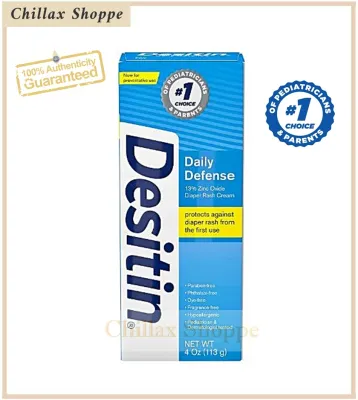
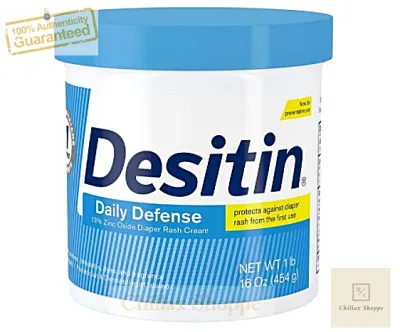
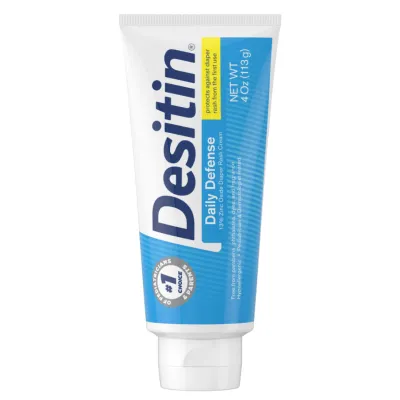
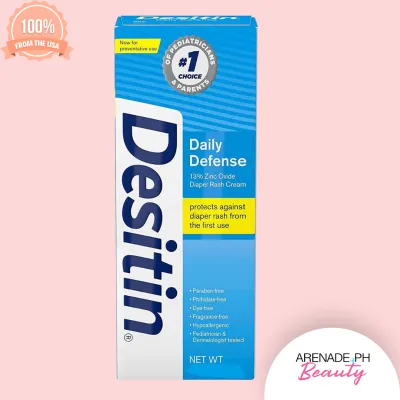
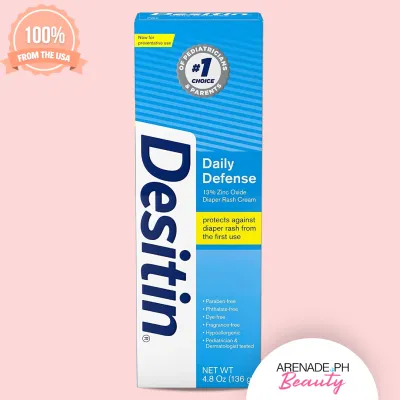
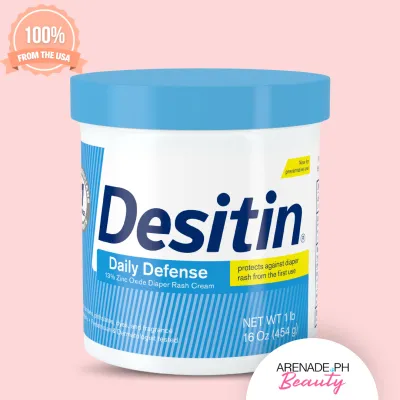
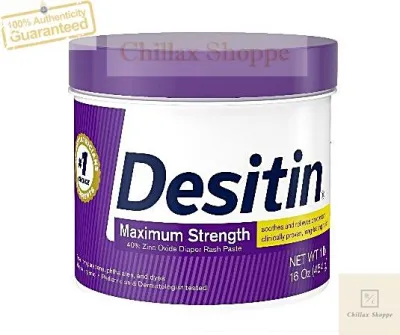
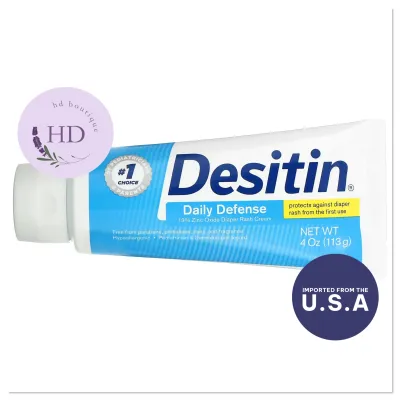
To understand why Desitin is a popular choice, parents should start by examining the product packaging and the manufacturer’s label. The primary active ingredient in Desitin is zinc oxide, a mineral that provides a physical barrier on the skin to deflect moisture and irritants. When looking at the tube, you will notice different formulations, typically categorized into a daily defense variant and a maximum strength variant. The daily defense version usually contains a lower percentage of zinc oxide, making it smoother, easier to spread, and suitable for regular use to prevent chafing.

In contrast, the maximum strength formula features a significantly higher concentration of zinc oxide, resulting in a much thicker, paste-like consistency designed to treat active, stubborn rashes. This high-concentration paste forms a dense, white protective layer that does not wash away easily, keeping wetness away from compromised skin even overnight. While the packaging may carry labels such as hypoallergenic, fragrance-free, or pediatrician-tested, it is always wise to read the full ingredient list on the back. Some variants may contain lanolin or mineral oil, which help condition the skin but require verification if your baby has known sensitivities to specific emollients.
Comparing Desitin with Alternative Diaper Rash Creams
Evaluating diaper rash treatments effectively requires looking past brand names and focusing on the base formulations and physical properties of the products. Different creams interact with your baby’s skin in unique ways, depending on whether they are designed to absorb moisture, block it physically, or soothe inflammation. By understanding these mechanisms, you can compare Desitin to other options on the shelf based on what your baby’s skin actually needs at any given moment.
Generally, the alternatives available in local drugstores and online marketplaces fall into two primary categories. The first category consists of other zinc oxide-based barrier creams that mimic Desitin’s physical blocking action but may vary in texture, price, and additional soothing agents. The second category includes petroleum-based ointments and botanical balms, which offer a completely different approach to skin protection by sealing in natural moisture without leaving a heavy, opaque residue.
Zinc Oxide-Based Barrier Creams
When comparing Desitin to other zinc oxide-based creams, the concentration of the active ingredient is the most critical factor to analyze. A higher percentage of zinc oxide creates a thicker, more opaque paste that offers superior physical protection against acidic stools and urine. However, this maximum protection comes with a practical trade-off: highly concentrated zinc oxide pastes are notoriously sticky and difficult to wipe off during routine diaper changes. Repeatedly scrubbing a baby’s sensitive skin to remove leftover paste can inadvertently cause more friction and worsen the irritation you are trying to heal.
To mitigate this, some alternative zinc oxide creams incorporate additional skin-conditioning ingredients like aloe vera, chamomile, or calendula. These additives can alter the cream’s overall texture, making it more spreadable and easier to clean off while still providing a reliable moisture barrier. When browsing local options, check the labels to compare the zinc oxide percentages and look for formulations that strike a balance between a robust physical shield and a texture that allows for gentle, hassle-free cleanup.
Petroleum-Based Ointments and Botanical Balms
Petroleum-based ointments, such as pure petroleum jelly or multi-purpose healing ointments, work differently than zinc oxide pastes. Instead of creating a thick, white physical block, they form a transparent, semi-occlusive moisture seal over the skin. This clear barrier prevents external wetness from penetrating while allowing you to easily monitor the skin’s condition without wiping away a heavy cream. Because they glide on smoothly and wipe off effortlessly, petroleum-based products are highly favored by parents looking for a low-friction, budget-friendly option for daily preventative care.
Botanical balms and plant-based salves represent another alternative, often featuring ingredients like coconut oil, shea butter, and herbal extracts. These balms are typically lightweight, absorb relatively quickly, and appeal to parents who prefer to avoid synthetic chemicals or petroleum derivatives. They are excellent for soothing very mild dryness or minor chafing. However, both petroleum ointments and botanical balms have distinct limitations; they lack the heavy-duty physical blocking power of zinc oxide and are generally ineffective at protecting skin that is already severely inflamed, weeping, or raw.
Decision Framework: Which Cream Should You Choose?
Selecting the right diaper rash cream depends on matching the product’s formulation to your baby’s current skin condition, your daily routine, and your household budget. If your baby is currently dealing with moderate to severe redness, has raw or weeping skin, or is prone to frequent, stubborn rashes during teething, a high-zinc oxide paste like Desitin Maximum Strength or a similar heavy-duty alternative is the most appropriate choice. This thick paste provides the robust, long-lasting barrier needed to protect the skin overnight or during long car rides when immediate diaper changes are not possible.
For daily prevention and routine diaper changes, a petroleum-based ointment or a lower-concentration zinc oxide cream is often the most practical and cost-effective route. These products are generally more affordable in bulk, easier to apply quickly, and clean off without irritating the skin. They keep healthy skin protected from daily moisture without the buildup associated with maximum-strength pastes.
If your baby has highly sensitive skin but only experiences very mild, occasional pinkness, a botanical balm with natural soothing ingredients may be the ideal fit. This option allows you to avoid synthetic fragrances and heavy chemicals, provided the skin barrier is completely intact. However, you should avoid using botanical balms or scented creams on broken, bleeding, or weeping skin, as plant extracts and fragrances can trigger allergic reactions or sting raw tissues.
Regardless of the product you choose, always verify if the rash persists or changes in appearance. Standard over-the-counter barrier creams are designed to protect against moisture and friction, but they cannot cure fungal or bacterial infections. If a yeast infection or bacterial dermatitis develops, your baby will require specific medical treatments prescribed by a healthcare professional, as continuing to apply heavy barrier pastes can sometimes trap the infection and make it worse.
Safe Application and When to Consult a Pediatrician
The effectiveness of any diaper rash cream depends heavily on how it is applied. Before putting on any barrier product, you must ensure the diaper area is thoroughly clean and completely dry. Gently pat the skin dry with a soft, clean cloth or let it air-dry for a few minutes; rubbing the skin with wipes can worsen irritation. Applying a barrier cream over damp skin traps moisture directly against the baby’s body, which defeats the purpose of the cream and can accelerate the development of a rash or infection.
When applying the cream, think of it like frosting a cake rather than rubbing in a lotion. Spread a thick, even layer of the paste gently over the affected areas without pressing hard or massaging it into the skin. This thick layer acts as a physical shield that absorbs the friction of the diaper and prevents waste from touching the skin. During subsequent diaper changes, you do not need to scrub off every trace of the remaining clean cream; simply wipe away the soiled portions and apply a fresh layer on top to minimize skin irritation.
While home care is highly effective for standard diaper rashes, you must know when to stop self-treatment. Monitor your baby’s skin closely for red-flag symptoms that indicate a more serious condition. If you notice blisters, open sores, bleeding, pus, or if your baby develops a fever, stop using the cream immediately and consult a pediatrician. Additionally, if the rash spreads beyond the diaper area to the abdomen or limbs, or if it does not show any signs of improvement after a few days of consistent, proper application, seek professional medical advice to ensure your baby receives the correct diagnosis and treatment.
Frequently Asked Questions (FAQ)
Can I layer Desitin over other diaper rash ointments?
It is generally not recommended to layer Desitin over other diaper rash ointments or mix different formulations on your baby’s skin. Applying a thick zinc oxide paste over a greasy petroleum-based ointment can prevent the paste from adhering properly to the skin, reducing its overall effectiveness as a barrier. Furthermore, mixing different products makes it difficult to identify which ingredient might be causing an adverse reaction if your baby’s skin becomes irritated. To ensure optimal protection and monitor skin safety accurately, stick to one primary product at a time.
How long should I wait to see results from a diaper rash cream?
With consistent application and proper diaper hygiene, you should typically begin to see visible improvement in mild to moderate diaper rashes within 24 to 48 hours. The redness should start to fade, and the skin should appear less inflamed. However, if the rash does not improve after three days of consistent use, or if it continues to worsen despite your best efforts, you should stop using the cream and consult a pediatrician. Persistent rashes may indicate an underlying yeast infection or a bacterial issue that requires targeted prescription treatment.

Community discussion
Share your experience or ask a question. Comments are reviewed before publication.