
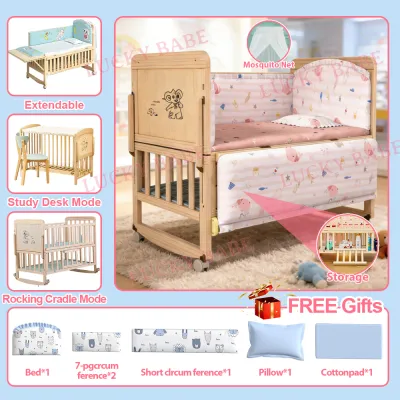
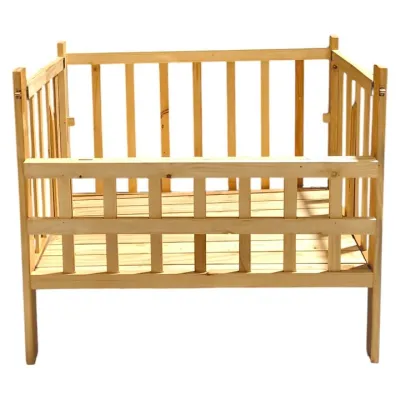
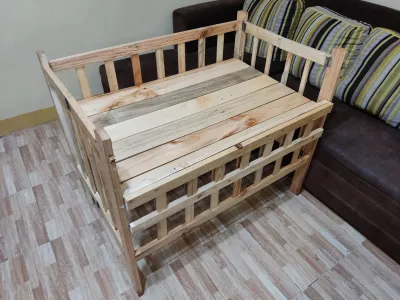
A wooden crib kuna for baby serves as the natural anchor of your nursery, offering a warm and timeless centerpiece. To build a cohesive and highly functional space around this central piece, you need to pair it with complementary furniture that balances style, scale, and utility. Selecting the right changing tables, storage units, and seating options ensures that your nursery remains organized and comfortable for daily caregiving routines.
In tropical climates like the Philippines, choosing companion furniture also requires considering environmental factors such as high humidity. Opting for high-quality wood finishes and breathable materials helps maintain the longevity of your furniture while keeping your baby comfortable. By focusing on material compatibility and smart layout choices, you can design a beautiful, safe, and harmonious nursery that grows with your child.
Essential Furniture Pieces to Pair with Your Crib
Completing your nursery setup requires a thoughtful selection of supporting furniture that coordinates with your wooden crib kuna for baby. The most critical companion piece is a reliable changing station. Many parents opt for a multi-functional double dresser equipped with a secure, removable changing topper. This setup provides a comfortable height for diaper changes while offering generous drawer space for baby clothes, swaddles, and diapers. When selecting a dresser, ensure its height aligns comfortably with your waistline to prevent back strain, and verify that the changing topper matches the wood finish of your crib. Always check the manufacturer’s weight limits for changing toppers to ensure safe use as your baby grows.
Products mentioned in this guide




Prices are valid at publication and may change. Please refer to the product page for the latest price.
Storage solutions are equally vital for keeping baby essentials organized and within arm’s reach. A low bookshelf or a dedicated toy storage cabinet with open shelving works exceptionally well alongside a wooden crib. In humid tropical environments, open shelving or slatted wooden designs are highly beneficial as they promote continuous air circulation, preventing musty odors from settling into fabrics. Choose storage pieces that match the scale of your crib; a massive wardrobe can easily overwhelm a standard-sized crib, whereas a medium-height cabinet maintains a balanced visual flow.
Comfortable seating is the final essential element for late-night feedings and soothing routines. A glider or rocking chair with exposed wooden accents, such as wooden legs or armrests, can beautifully echo the natural tones of your crib. Look for chairs upholstered in breathable, stain-resistant fabrics like cotton or linen blends, which remain cool and comfortable during warm tropical afternoons. Ensure the chair offers excellent lumbar support and wide armrests to accommodate a nursing pillow comfortably.
Design and Material Guidelines for a Cohesive Look
Achieving a curated, designer look in your nursery does not require buying a matching pre-packaged furniture set. Instead, you can create visual harmony by paying close attention to wood tones, grain patterns, and undertones. Wood finishes generally fall into warm, cool, or neutral categories. If your wooden crib kuna for baby features a warm honey or amber undertone, look for dressers and shelves that share those warm characteristics, even if they are made from different wood species. Avoid mixing highly contrasting undertones, such as a cool ash gray with a warm reddish cherry, as this can make the room feel disjointed.

In addition to color, pay attention to the structural design details and hardware of each piece. Look at the crib’s leg profile—are they tapered and mid-century modern, or blocky and traditional? Try to find supporting furniture that shares similar leg shapes and edge profiles, such as rounded corners or clean, straight lines. You can also unify mismatched furniture by swapping out standard drawer pulls and knobs on your dresser and wardrobe to match the metal or wood finish of your crib’s hardware.
To prevent a wood-heavy nursery from feeling dark or heavy, it is essential to balance the natural timber elements with soft textiles and colors. Consider painting the walls in soft, light-reflecting neutrals like warm off-white, gentle sage green, or soft terracotta. Introduce plush textures through a soft cotton rug, light-filtering curtains, and cozy crib sheets. These soft elements break up the hard wooden surfaces, creating a cozy, inviting atmosphere that feels balanced and bright.
Safety and Layout Rules for Nursery Furniture
When arranging your nursery, safety must always take precedence over aesthetics. Tall furniture pieces, including dressers, wardrobes, and bookshelves, pose a serious tipping hazard once your baby begins to crawl and pull themselves up. It is crucial to anchor all heavy furniture securely to the wall using high-quality anti-tip straps or brackets. If you are unsure about the wall type or mounting process in your home, consult a qualified local professional to ensure a secure installation.
The placement of the crib within the room requires careful planning to protect your baby from environmental hazards. Position the crib away from windows to prevent exposure to direct sunlight, drafts, and potential fall risks. Keep the crib far out of reach of window blind cords, electrical wires, and baby monitor cables, which can present strangulation hazards. Additionally, avoid hanging heavy wall decor, framed pictures, or floating shelves directly over the crib, as these items could fall during minor tremors or accidental bumps.
Before purchasing any wooden furniture, verify that the pieces meet strict safety standards. Look for products that use non-toxic, lead-free, and baby-safe finishes to ensure your child is not exposed to harmful chemical off-gassing. Inspect all wooden surfaces for smooth sanding, rounded edges, and robust joinery to prevent splinters or structural failures. In humid regions, ensure the wood is properly sealed with a moisture-resistant, baby-safe topcoat to protect the furniture from warping or mold development over time. Stop using any furniture piece immediately if you notice structural instability, loose joints, or peeling finishes.
Common Pairing Mistakes to Avoid
One of the most common mistakes parents make is trying to match every single piece of furniture perfectly. This often leads to a sterile, showroom-like appearance that lacks personality. Instead of searching endlessly for the exact same brand and collection, focus on coordinating complementary tones and styles. A beautifully curated room with slightly varied wood finishes and textures feels much warmer and more inviting than a rigid, identical set.
Another frequent error is overcrowding the nursery floor plan with oversized furniture. While a large wardrobe and a massive changing table might offer excellent storage, they can severely restrict movement and make the room feel cramped. Ensure there is a clear, unobstructed path between the crib, the changing table, and the doorway. This clear space is vital for navigating the room safely in the dark during nighttime feedings or diaper changes.
Lastly, never prioritize aesthetic appeal over verified safety and structural integrity. A vintage wooden cabinet or an antique rocking chair might look incredibly charming next to your crib, but they may not meet modern safety regulations. Older furniture can contain lead-based paints, unstable frames, or hazardous gaps that can trap tiny fingers. Always choose modern, certified furniture for active baby care areas, and save vintage pieces for decorative, out-of-reach spaces.
Frequently Asked Questions (FAQ)
Do all nursery furniture pieces need to be from the same brand?
No, nursery furniture pieces do not need to be from the same brand. Mixing different brands often creates a more personalized, curated, and high-end look in the nursery. To make different brands look cohesive, focus on matching the wood’s undertone (such as warm or cool), coordinating the hardware finishes, and choosing pieces with similar design lines, such as modern minimalist or classic traditional styles.
How can I match the wood finish if the exact crib collection is unavailable?
If you cannot find an exact wood match, you can easily blend different pieces by introducing a painted furniture item, such as a white, soft gray, or olive green dresser, to break up the wood tones. Alternatively, you can tie different wood finishes together by using matching textiles, such as a rug or curtains that feature colors from both wood tones, or by swapping the drawer hardware on your dresser to match the style of your crib.

Community discussion
Share your experience or ask a question. Comments are reviewed before publication.