
Deciding how to set up your baby’s diaper changing station is one of the most practical decisions you will make when preparing your nursery. The choice between a dedicated changing table and a convertible dresser depends entirely on your nursery’s spatial constraints, storage needs, and long-term furniture plans. There is no universal winner; a dedicated table offers lightweight convenience and lower upfront costs, while a convertible dresser provides more substantial storage and transitions into standard bedroom furniture. By evaluating how each option handles daily diapering tasks, fits into your room layout, and adapts as your child grows, you can select the setup that most effectively supports your family’s daily routine.
Understanding Your Two Main Options
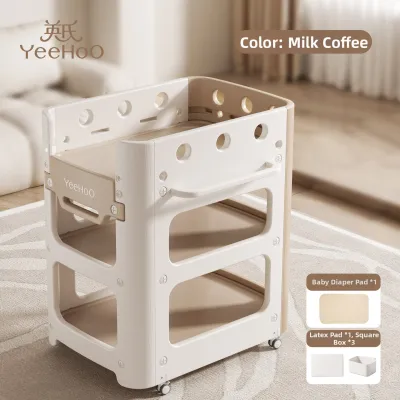
To make an informed decision, it is essential to understand the structural and functional differences between these two furniture types. A dedicated changing table is designed specifically for diaper changes. It typically features a lightweight frame, open shelving underneath, and built-in safety rails around the top surface. Because of its open design, it is highly functional but serves a single, specialized purpose in the nursery.
In contrast, a convertible dresser is a dual-purpose piece of furniture. It consists of a standard chest of drawers made from heavier solid or engineered wood, topped with a removable changing tray or topper. This setup allows you to use the top surface for diaper changing during your baby’s infancy, and then remove the tray later to reveal a standard dresser. Understanding how the daily workflow of changing your baby applies to each setup will help you visualize which option fits your lifestyle.
Products mentioned in this guide
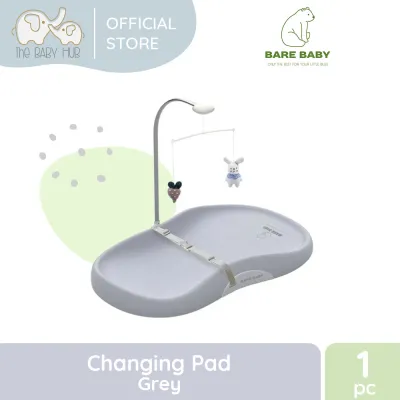

Prices are valid at publication and may change. Please refer to the product page for the latest price.
Matching the Furniture to Your Nursery Space
Nursery sizes vary significantly, especially in urban homes or compact condominiums where floor space is at a premium. A dedicated changing table generally has a smaller physical footprint and a lighter visual weight. Its open-shelving design allows light to pass through, making a small room feel less crowded. This compact build makes it easier to tuck into tight corners, narrow alcoves, or alongside a crib without blocking walkways.

A convertible dresser, on the other hand, has a much larger footprint and a heavier visual presence. Because it houses deep drawers, it requires more floor space and sufficient clearance for the drawers to open fully. However, because it combines clothing storage and a changing station into one footprint, it can actually save space by eliminating the need for a separate wardrobe. Before making a purchase, always measure your available floor space, account for drawer and door swings, and check the clearance of your nursery entrance to ensure the furniture can be easily moved into the room.
Comparing Storage and Daily Accessibility
The daily reality of diapering involves managing a constant stream of diapers, wipes, creams, and changes of clothes. A dedicated changing table excels in quick, one-handed accessibility. The open shelves allow you to grab a fresh diaper or a pack of wipes instantly without taking your eyes or hands off your active baby. This open setup is highly efficient during late-night changes when speed is crucial. However, open shelves leave your supplies exposed to dust and can look cluttered if not meticulously organized.
A convertible dresser offers a different set of storage advantages. The closed drawers keep baby clothes, swaddles, and bulkier items like extra diaper packs completely out of sight, maintaining a tidy and organized room appearance. This is particularly beneficial in humid tropical climates where keeping fabrics enclosed helps protect them from dust and ambient moisture. To compensate for the lack of open shelves on a dresser, you can use drawer organizers, shallow bins, or a portable diaper caddy on top to keep immediate essentials within arm’s reach.
Planning for Longevity and Future Use
When investing in nursery furniture, considering the lifespan of each piece is key to maximizing its value. A dedicated changing table has a relatively short functional lifespan. Once your child reaches the manufacturer’s stated weight or height limit—or begins to roll and climb actively—the table is no longer safe or practical for diaper changes. At this point, you must decide whether to repurpose the open shelves for toy storage, sell the unit, or donate it to another family.
A convertible dresser offers exceptional longevity. By simply removing the top changing tray and storing it away, the piece transitions seamlessly into a standard bedroom dresser that your child can use through toddlerhood, adolescence, and even into adulthood. This long-term utility makes the dresser a permanent fixture in your home, saving you from having to purchase new bedroom furniture just a few years down the road.
Verifying Safety, Stability, and Ergonomics
Safety is the most critical factor when setting up any diapering station. Before assembling or using your furniture, always verify the manufacturer’s stated weight and height limits on the product label or user manual. Because dressers are heavier and contain drawers that children might eventually try to climb, installing anti-tip kits and securing the unit to wall studs is an absolute necessity to prevent tipping accidents.
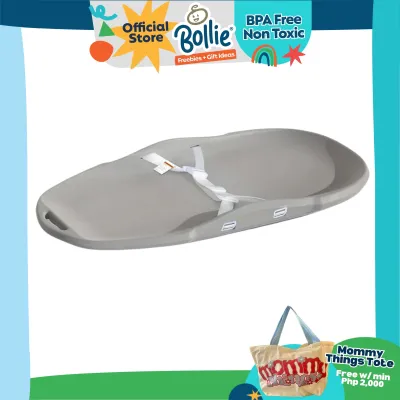
Ergonomics also play a major role in caregiver comfort. Diaper changes happen multiple times a day, and a surface that is too low can cause significant back strain. Standard dressers are sometimes lower than dedicated changing tables, so you should check the surface height to ensure you can stand comfortably without bending excessively. Additionally, regardless of which furniture base you choose, ensure your changing pad has a secure, non-slip attachment mechanism, such as safety straps that screw directly into the back of the dresser or table frame.
Evaluating Budget and Long-Term Value
Your budget is another major deciding factor, and both options present different financial profiles. Dedicated changing tables generally require a much lower initial investment in ₱, making them an attractive option for families looking to minimize upfront nursery expenses. However, because of their limited lifespan, the cost per year of use can actually be higher than that of a convertible dresser.
A convertible dresser requires a larger upfront financial outlay, but its ability to serve as standard bedroom furniture for a decade or more means its long-term value is exceptionally high. When budgeting, avoid the temptation to buy an unstable, low-quality dedicated table just to save money, as flimsy frames can pose safety risks or wear out prematurely under daily use. Weigh your immediate cash flow against your long-term furniture needs to find the right balance.
Final Decision Framework
To help you finalize your purchase, consider this straightforward decision framework based on your specific household needs:
- Choose a dedicated changing table if: You are working with a tighter upfront budget, have very limited floor space, or prefer the immediate, one-handed accessibility of open shelving for rapid diaper changes.
- Choose a convertible dresser if: You need substantial storage for baby clothes and linens, want a piece of furniture that transitions seamlessly into the toddler years and beyond, and have enough floor space to accommodate a wider, heavier footprint.
- Verify first if: You are planning to use a standard dresser that was not explicitly sold as a convertible changing station. In this scenario, you must carefully measure the top surface dimensions to ensure a changing pad fits securely, check the manufacturer's structural weight capacity, and confirm that you can safely anchor the pad and the dresser itself.
Frequently Asked Questions (FAQ)
Can I use a standard dresser with a changing pad?
Yes, you can use a standard dresser as a changing station, but you must verify several safety and structural details first. Ensure the top surface of the dresser is wide and deep enough to hold a standard changing pad securely without any overhang. You must also check the dresser’s stability and weight capacity, and ensure the changing pad can be anchored firmly to the back of the dresser using safety straps to prevent it from sliding during use.
What height should the changing surface be for caregiver comfort?
The ideal changing surface height generally ranges between 36 and 43 inches, but the most reliable way to determine comfort is to test heights in-store or measure against your own waistline. You should be able to stand comfortably with your back relatively straight while reaching down to change your baby. Keep in mind that adding a thick contoured changing pad will increase the final working height by a few inches, so factor this into your measurements before purchasing.

Community discussion
Share your experience or ask a question. Comments are reviewed before publication.