
Choosing the right formula milk for your baby in the Philippines involves balancing nutritional value, digestive tolerance, and household expenses. While Danalac, Nido, and NAN are prominent names on supermarket shelves, they serve different developmental stages and nutritional purposes. The ideal choice is not about finding a universally superior brand, but rather identifying which specific formulation matches your child’s current growth stage, aligns with your pediatrician’s recommendations, and fits your family’s monthly budget.
In a tropical climate where high humidity can affect food storage, selecting the right packaging and understanding how to handle formula safely is just as important as the brand itself. Every baby’s digestive system is unique, meaning a formula that works perfectly for one child might cause discomfort for another. By taking a structured approach to comparing labels, calculating costs, and consulting healthcare professionals, you can make an informed decision with confidence.
Matching Age Stages and Formulation Types to Your Baby
When selecting a formula milk, your first step is to match the product precisely to your baby’s age and developmental stage. Manufacturers design these formulas with specific nutrient ratios that correspond to a child’s growing digestive capacity and metabolic needs. Using a stage that does not match your baby’s age can lead to nutritional deficiencies or place an unnecessary strain on their developing kidneys.
Products mentioned in this guide

![[ONLINE EXCLUSIVE] BONAKID 1+ Stage Three Milk Supplement Powder for 1-3 Years Old 4Kg Big Pack](https://img.lazcdn.com/g/p/c384825c62fef64fc4e6c627d5be8ffd.jpg_400x400q80.jpg_.webp)

Prices are valid at publication and may change. Please refer to the product page for the latest price.
Danalac offers a sequential staging system, typically labeled as Stage 1 for infants, Stage 2 for follow-on feeding, and Stage 3 for toddlers. These stages focus on progressive nutrient adjustments, particularly in iron and protein levels, to support physical growth as solid foods are introduced. Caregivers must read the packaging carefully to verify the exact age range specified for each stage, as these can vary depending on the country of manufacture.
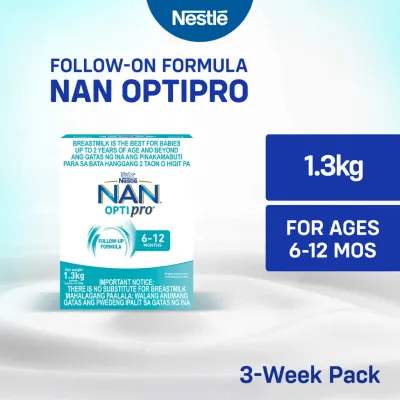
NAN, produced by Nestlé, is highly regarded for its extensive range of infant and toddler formulas, including specialized options. The brand offers standard formulations like NAN Optipro, alongside specialized variants such as NAN Sensitive or partially hydrolyzed options for babies prone to allergies. Because NAN provides both standard and highly specialized therapeutic formulas, it is crucial to consult your pediatrician before selecting a specific variant.
Nido, also a Nestlé brand, is primarily positioned for older babies, toddlers, and school-aged children in the local market. Popular options like Nido 3+ and Nido 5+ are formulated to support the immune systems and cognitive development of active, growing children. Unlike infant formulas, these toddler milks often contain added micronutrients and prebiotics tailored for children who are already consuming a varied diet of solid foods.
How to Read and Compare the Nutrition Labels
Reading the nutrition facts panel on a formula tin allows you to make objective comparisons rather than relying on marketing claims. Start by looking at the macronutrient distribution, which includes proteins, fats, and carbohydrates per 100 grams of powder or per 100 milliliters of prepared feed. Pay close attention to the protein source, such as whey-to-casein ratios, as a higher whey content is generally easier for younger infants to digest.

Next, examine the micronutrient profile, focusing on essential vitamins and minerals like iron, calcium, vitamin D, and zinc. Many modern formulas also highlight the inclusion of Docosahexaenoic Acid (DHA) and Arachidonic Acid (ARA), which are fatty acids associated with brain and visual development. Compare the declared amounts of these nutrients across Danalac, Nido, and NAN to see which brand offers the concentration that aligns with your pediatrician’s recommendations.
The ingredient list is equally important for identifying added sugars and potential allergens. Some toddler formulas may include sucrose, maltodextrin, or corn syrup solids to enhance flavor and energy density, whereas infant formulas rely primarily on lactose. If your family has a history of food allergies, check the label for potential triggers such as soy lecithin, fish oil, or specific milk proteins.
In the warm and humid climate of the Philippines, packaging integrity is a critical factor in preserving these nutrients. High humidity can cause milk powder to clump and degrade rapidly once the seal is broken. When comparing brands, consider the packaging design—such as secure tin lids or foil pull-tabs—that helps protect the powder from moisture and pests during daily use.
Calculating True Cost and Checking Authorized Sellers
Formula feeding represents a significant, ongoing household expense, making it essential to calculate the true cost rather than just comparing retail prices. A larger tin might seem more expensive upfront, but it often provides a lower cost per gram. To find the most economical option, divide the retail price of the tin by its total weight in grams to determine the cost per gram.
Once you have the cost per gram, multiply it by the number of grams required for a single standard serving as indicated on the manufacturer’s feeding table. This calculation gives you the cost per bottle, which is a much more accurate metric for monthly budgeting than the shelf price. Keep in mind that a baby’s daily intake increases rapidly during the first year, so a small difference in cost per serving can accumulate into thousands of pesos over several months.
Ensuring the authenticity and safety of the formula is just as important as managing your budget. The local market has seen a rise in parallel imports and unverified online sellers offering formula at steep discounts. To protect your baby from counterfeit, expired, or improperly stored products, purchase exclusively from official brand stores on authorized ecommerce platforms, major supermarket chains, or established local pharmacies.
Improperly stored formula can lose its nutritional value or become contaminated with harmful bacteria, especially in tropical temperatures. Authorized distributors follow strict cold-chain and climate-controlled storage protocols that independent, third-party sellers often bypass. Saving a few pesos is never worth the risk of feeding your baby a compromised product that could cause severe gastrointestinal distress.
Decision Framework: Which Brand Fits Your Specific Needs?
Choosing between Danalac, Nido, and NAN ultimately comes down to matching your baby’s specific physiological needs with your financial boundaries. If your baby is a newborn requiring a standard infant formula, comparing the starter stages of Danalac and NAN Optipro is a logical starting point. For toddlers over three years old who are eating solid foods well, Nido offers a cost-effective option focused on school-age growth and immune support.
If your baby experiences digestive discomfort, such as excessive gas, colic, or mild spit-up, your decision path should shift toward specialized formulations. NAN offers several targeted options, such as partially hydrolyzed or lactose-free variants, designed to ease digestion under medical supervision. Danalac also provides specialized lines, but availability in local stores may vary, making it essential to check consistent stock levels before committing to a brand.
Regardless of the brand you choose, you must establish clear stop-conditions and monitor your baby’s physical response to the formula. If you observe persistent crying after feeding, skin rashes, vomiting, frequent watery stools, or poor weight gain, these are signs that the formula may not suit your baby. In such cases, stop using the product immediately and consult your pediatrician for a professional assessment and a tailored recommendation.
Remember that there is no single “best” formula on the market; the right formula is the one that your baby digests easily, supports their steady growth, and fits comfortably within your family’s long-term budget. Always prioritize your pediatrician’s guidance over retail trends or peer recommendations, as they can provide personalized advice based on your baby’s unique medical history and developmental milestones.
Frequently Asked Questions (FAQ)
Can I mix different formula brands or combine them with breast milk?
Mixing different commercial formula powders in the same bottle is generally not recommended because it alters the precise concentration of nutrients. Each brand designs its scoop size and dilution ratio specifically for its own formulation; mixing them can lead to over-concentration or under-concentration, which can strain your baby’s kidneys or cause digestive issues like constipation. If you need to use two different brands, prepare them in separate bottles and feed them at different times of the day.
When combining formula with breast milk, never use breast milk as the liquid to dissolve formula powder, as this creates an unsafely high concentration of nutrients and minerals. Instead, prepare the formula with clean, warm water according to the manufacturer’s instructions first, and then you may combine the prepared formula with expressed breast milk in a single bottle if advised by your pediatrician. Always consult a healthcare professional before making any changes to your feeding routine to ensure your baby’s safety.
What is the safest way to transition between formula brands?
The safest way to transition your baby from one formula brand to another is to do so gradually over a period of several days to allow their digestive system to adjust. A standard transition schedule involves replacing one feeding per day with the new formula, then gradually increasing the number of new formula bottles over a week. For example, on days one and two, offer only one bottle of the new formula and keep the rest as the old formula; on days three and four, offer two bottles of the new formula, and continue this incremental increase until the transition is complete.
During this transition period, closely monitor your baby for any observable signs of intolerance or allergic reactions. Watch for changes in stool consistency, excessive gas, unusual fussiness, vomiting, or the appearance of skin rashes. If you observe any of these adverse symptoms, stop the transition immediately, revert to the previous formula, and consult your pediatrician for guidance on how to proceed safely.

Community discussion
Share your experience or ask a question. Comments are reviewed before publication.