
Bringing your newborn home is one of the most memorable milestones of early parenthood. However, ensuring their safety on the road requires careful preparation, starting with selecting the right car seat for infant passengers. A newborn’s physical anatomy—characterized by a relatively heavy head, weak neck muscles, and a fragile, developing skeletal system—demands specialized protection that standard vehicle seatbelts cannot provide.
To safeguard your baby during every journey, you must prioritize specific structural features, rigorous testing standards, and proper installation practices. This guide breaks down the essential safety elements to look for, helping you make an informed decision that protects your child’s airway, spine, and overall well-being.
Core Structural Safety Features for Newborn Protection
The physical design of an infant car seat serves as the primary shield against crash forces. Understanding how these structural elements work together allows you to evaluate which models offer the highest level of real-world protection.
Products mentioned in this guide
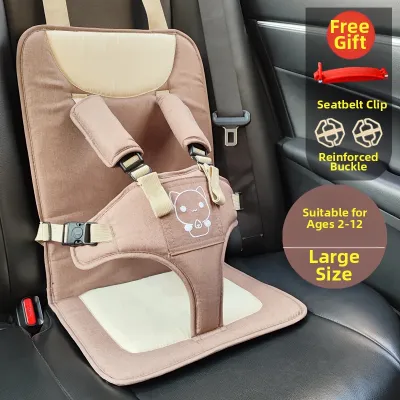
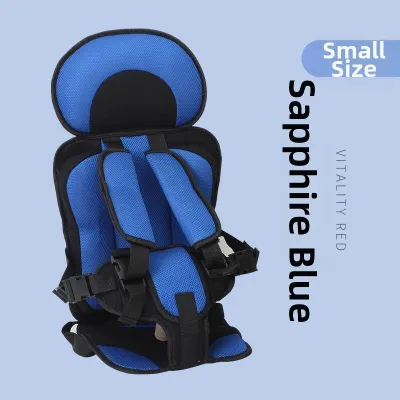
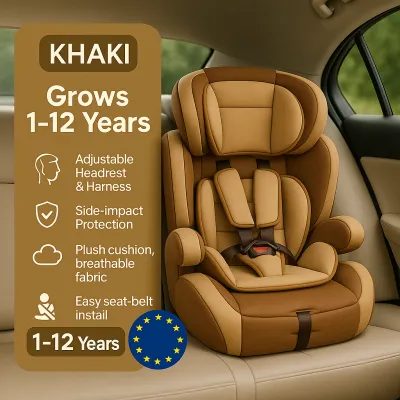

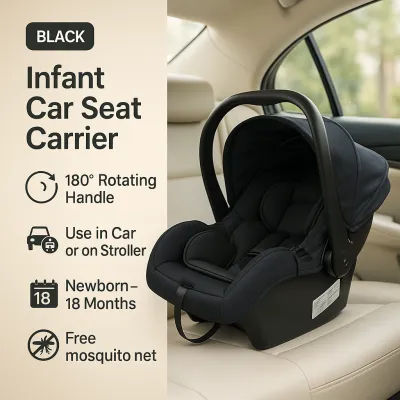
Prices are valid at publication and may change. Please refer to the product page for the latest price.
Rear-Facing Design For newborns and infants, riding in a rear-facing position is a non-negotiable safety requirement. In a frontal collision—the most common and severe type of car crash—a rear-facing seat cradles the child’s entire head, neck, and back. Instead of the baby’s head being thrown violently forward, the crash forces are distributed evenly across the rigid shell of the car seat. This design minimizes the strain on the infant’s highly vulnerable spinal cord and neck ligaments, which are not yet strong enough to support the weight of their head under sudden deceleration. Keep your child rear-facing for as long as possible, up to the maximum height or weight limit allowed by the car seat manufacturer.
5-Point Harness System A secure harness is critical to keeping your baby restrained within the protective shell of the seat. A 5-point harness consists of five key contact points: two at the shoulders, two at the hips, and one at the crotch. This configuration ensures that if an impact occurs, the forces are directed to the strongest parts of the baby’s body—the shoulders and pelvis—rather than the soft abdomen. Additionally, a 5-point system prevents the baby from sliding out or being ejected from the seat during a rollover or multi-angle collision, providing far superior security compared to 3-point alternatives.
Side-Impact Protection While frontal crashes are highly dangerous, lateral impacts also pose severe risks. To shield your newborn from side-impact forces, look for car seats featuring deep side wings and energy-absorbing foam, such as Expanded Polystyrene (EPS) or Expanded Polypropylene (EPP). These materials act as a protective barrier, absorbing kinetic energy before it reaches your baby’s head and chest. Some advanced models also incorporate external side-impact shields that deploy toward the vehicle door to deflect initial crash energy.
Newborn Inserts and Padding Because newborns are small and have limited muscle control, they require extra support to maintain a safe posture. High-quality infant car seats include specialized newborn inserts—such as head pillows and body wedges—designed to keep the baby’s head upright and prevent their body from slumping. Slumping can restrict their airway, making proper support vital. Always use the inserts provided by the manufacturer, and verify the weight limits at which these inserts must be removed. Never add unapproved, third-party aftermarket cushions or blankets underneath the baby, as these can alter the harness geometry and compromise safety.
How to Verify Safety Certifications and Product History
A car seat can only protect your baby if it has been rigorously tested and certified by recognized authorities. With various products available on the market, learning how to verify a seat’s history and safety credentials is a vital step for every parent.

Reading Certification Labels Never rely solely on online product listings or marketing claims to confirm a car seat’s safety. Instead, physically inspect the seat for official certification stickers. Look for internationally recognized standards such as ECE R44/04 or ECE R129 (commonly known as i-Size) from Europe, or FMVSS 213 from the United States. In the Philippines, legally imported car seats should also carry the Import Commodity Clearance (ICC) sticker or the Philippine Standard (PS) mark. These physical labels prove that the specific model has undergone crash testing and meets strict safety benchmarks.
Manufacturing and Expiration Dates Car seats are not designed to last forever; they have expiration dates, typically ranging from 6 to 10 years from the date of manufacture. Over time, the plastic shell can become brittle, and the harness webbing can stretch and lose its strength. In the tropical climate of the Philippines, where vehicles parked outdoors are subjected to intense heat and high UV exposure, this material degradation can occur even faster. Locate the manufacture date stamp—usually molded into the plastic on the bottom or back of the seat—and calculate the expiration date based on the manufacturer’s user manual.
Recall Verification Before purchasing or using any car seat, verify that the specific model and batch have not been recalled due to safety defects. Manufacturers occasionally discover post-market issues, such as faulty buckles or weak structural components. Visit the manufacturer’s official website and register your product using the serial number and manufacture date. This ensures you receive direct notifications regarding any safety recalls or updates. You can also cross-reference international transport safety databases to confirm the seat’s status.
The Risks of Second-Hand Seats While buying a used car seat may seem like an economical choice, it carries significant safety risks. A second-hand seat may have been involved in a collision, which can cause internal structural damage that is completely invisible to the naked eye. Additionally, used seats often lack critical components, such as the original user manual or newborn inserts, and may be expired or outdated. To guarantee your newborn’s safety, it is highly recommended to purchase a brand-new car seat with a fully documented history.
Installation and Harness Adjustments That Prevent Injury
Even the most advanced car seat cannot protect your baby if it is installed incorrectly or if the harness is improperly adjusted. Caregiver errors during installation are incredibly common, making it essential to understand the mechanics of a secure setup.
ISOFIX/LATCH vs. Seatbelt Installation Most modern vehicles and car seats support two primary installation methods: ISOFIX (or LATCH in the United States) and the vehicle’s standard seatbelt. ISOFIX uses built-in metal anchors in the car’s seat crease to click the car seat or its base directly into the vehicle’s frame. This method is highly favored because it minimizes installation mistakes. However, a seatbelt installation is just as safe when executed perfectly. Always consult both your vehicle’s owner manual and the car seat’s instruction manual to determine the correct belt path and ensure a tight fit. The installed seat should not move more than one inch in any direction when pulled at the belt path.
Recline Angle and Airway Safety Newborns do not have the neck strength to hold their heads upright. If an infant car seat is installed too vertically, the baby’s heavy head can fall forward onto their chest, potentially blocking their airway—a condition known as positional asphyxiation. To prevent this, infant car seats feature built-in recline indicators, such as bubble levels or color-coded lines. Always park your vehicle on flat ground when installing the seat, and adjust the recline angle strictly according to the manufacturer’s guidelines to keep your baby’s airway open and clear.
Harness Tightness and the Pinch Test To ensure your baby is securely held in place, the harness straps must be adjusted correctly. The straps should emerge from the slots in the backrest at or slightly below your baby’s shoulders when rear-facing. Once buckled, perform the “pinch test” to verify tightness: try to pinch the harness webbing vertically at the baby’s collarbone. If you can pinch any excess fabric between your fingers, the harness is too loose. Tighten the straps until your fingers slide smoothly over the webbing without being able to pinch any slack.
Chest Clip Placement and Clothing Rules If your car seat features a chest clip, it must always be positioned at armpit level (mid-chest). Placing it too low on the abdomen or too high near the neck can cause severe internal injuries during a crash. Additionally, pay close attention to what your baby wears. Never dress your newborn in bulky jackets, thick sweaters, or puffy swaddles before buckling them in. In a collision, the air trapped in puffy clothing compresses instantly, creating dangerous slack in the harness that can lead to ejection. If you are traveling in a heavily air-conditioned car, buckle your baby in securely first, and then drape a light blanket over the top of the secured harness.
When to Stop Using or Replace the Car Seat for Infant Passengers
As your baby grows, their safety needs will change. Knowing when to transition to a larger seat or when to retire a damaged one is crucial for maintaining continuous protection.
Outgrowing the Infant Seat Infant car seats are designed specifically for the first stage of life, but babies outgrow them quickly. Every seat has explicit weight and height limits specified by the manufacturer. Your baby has outgrown the seat when they reach the maximum weight limit, or when the top of their head is within one inch of the top of the car seat’s plastic shell—whichever comes first. Do not wait for their feet to touch the vehicle’s seatback to transition them; leg room is not a safety hazard, but an unprotected head is. Once outgrown, transition your child to a convertible car seat, keeping them rear-facing for as long as the new seat allows.
Post-Collision Replacement Rules If your vehicle is involved in a moderate or severe collision, the car seat must be replaced immediately, even if your baby was not in the seat at the time. The immense forces of a crash can stress the plastic frame and harness stitching, rendering it unsafe for future use. For minor, low-speed impacts (such as a gentle bumper tap with no airbag deployment and no damage to the vehicle door closest to the seat), consult the manufacturer’s specific guidelines. Some brands adhere to strict “replace after any crash” policies, while others follow specific multi-point safety checklists.
Visible Wear and Damage Regularly inspect your car seat for signs of wear and tear. Look for hairline cracks in the plastic shell, frayed or faded harness straps, and buckles that do not click cleanly or feel sticky. In humid, tropical environments, check the underside of the fabric cover for mold or mildew, and clean it strictly according to the manufacturer’s instructions. If you discover any structural damage or if the buckle mechanism feels compromised, discontinue use immediately and contact the manufacturer for guidance or replacement parts.
Frequently Asked Questions (FAQ)
Is it safe to use a second-hand car seat for a newborn?
No, using a second-hand car seat for a newborn is generally not recommended. It is nearly impossible to verify the seat’s complete history, including whether it has been involved in a crash, exposed to harsh cleaning chemicals that degrade the harness, or stored in conditions that weaken the plastic. Additionally, second-hand seats may be expired, missing critical safety parts, or lacking the original user manual. To ensure your newborn is fully protected, invest in a new car seat with verifiable safety standards.
Can I use aftermarket accessories like head supports or strap covers?
You should only use accessories that were manufactured by the same brand and explicitly crash-tested for use with your specific car seat model. Third-party aftermarket products—such as thick strap covers, head-positioning pillows, or non-slip seat protectors—are not subjected to the same safety testing as the car seat itself. These unapproved accessories can interfere with the harness tension, alter crash dynamics, or cause the harness to slip off the baby’s shoulders during an impact, potentially voiding your product’s warranty.

Community discussion
Share your experience or ask a question. Comments are reviewed before publication.