
When shopping for a crib for baby in the Philippines, ensuring a secure and hazard-free sleeping environment is the most critical task for any parent or caregiver. A baby spends a significant portion of their first years sleeping, making the crib a space where they are frequently left unattended. Because of this, even minor design flaws, loose hardware, or improper dimensions can lead to serious safety risks, including entrapment, falls, and suffocation.
In a tropical climate characterized by high humidity and warm temperatures, selecting and maintaining nursery furniture requires extra vigilance. Moisture in the air can affect wood stability, cause metal hardware to rust, and encourage the growth of mold on mattresses and fabric components. By systematically verifying the structural integrity, design dimensions, mattress fit, and manufacturer specifications of a crib before you buy, you can make an informed decision that keeps your little one safe.
Structural Integrity and Hardware Checks
Evaluating the physical build of a crib is the first step in preventing structural failure. Before you finalize your purchase or begin assembly, inspect the overall rigidity of the frame. A safe crib must feel completely solid and stable when fully put together. You can test this by gently shaking the assembled crib; any noticeable wobbling, swaying, or creaking indicates poor joint connections or weak materials that could fail under the weight of an active baby.
Products mentioned in this guide


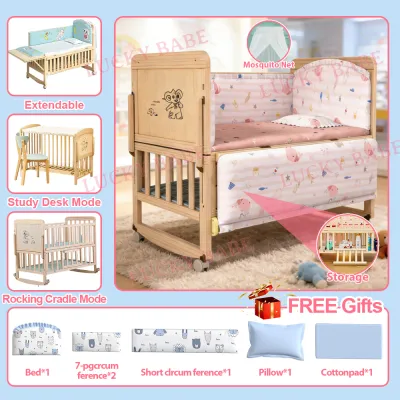
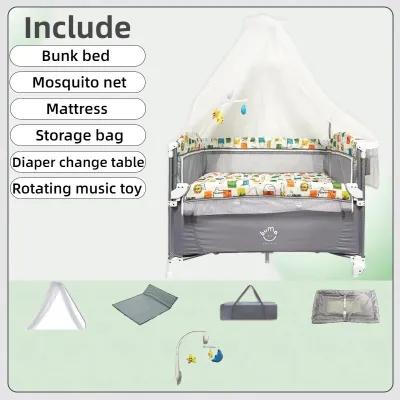

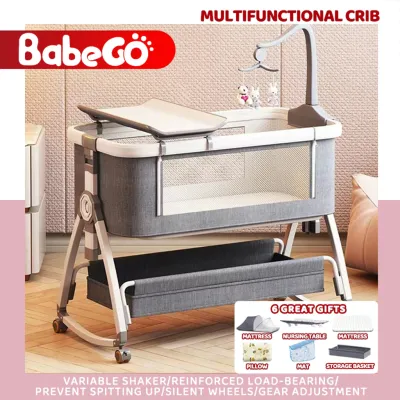
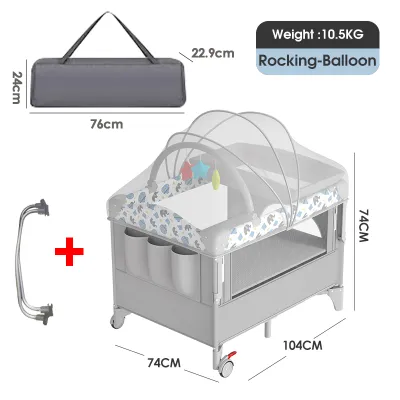
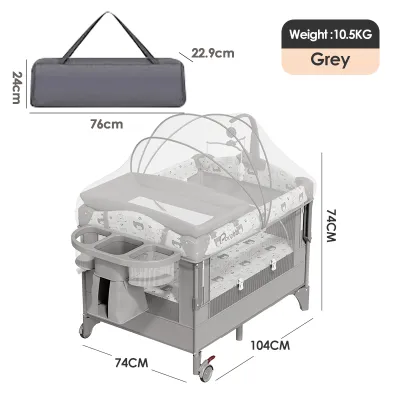
Prices are valid at publication and may change. Please refer to the product page for the latest price.
The hardware holding the crib together must be of high quality and perfectly fitted. Carefully check all screws, bolts, brackets, and metal inserts to ensure there are no missing, loose, or stripped components. Always follow the manufacturer’s instructions precisely during assembly, and avoid using alternative hardware or generic screws from a local hardware store. Substituted parts may not match the thread or strength requirements of the crib, which can lead to sudden structural collapse.
Using a second-hand or pre-loved crib introduces hidden structural risks that are difficult to detect at a glance. Over years of use and storage, wood can degrade, joints can crack, and original hardware can easily become lost or stripped. If a previous owner has modified the crib or used non-original parts to patch it up, the structural integrity is compromised. It is highly recommended to verify the complete history of any used furniture before allowing your baby to sleep in it.
In the Philippines, the tropical climate plays a significant role in the longevity of wooden furniture. High humidity levels can cause wood to expand, while dry spells can cause it to contract, potentially loosening joints and screws over time. Caregivers should establish a routine of checking the crib’s hardware every few weeks, tightening any loose bolts immediately. If you notice that the frame remains loose even after tightening, or if the wood begins to split around key joints, stop using the crib immediately and consult a qualified professional or the manufacturer.
Design Hazards and Dimension Standards
A safe crib must adhere to strict dimensional standards to prevent a baby’s head, limbs, or torso from becoming trapped. The spacing between the crib slats is one of the most critical measurements to verify. The gap between slats must not exceed 6 centimeters (approximately 2 and 3/8 inches), which is roughly the width of a standard soda can. If a soda can can easily pass through the slats, the spacing is too wide and poses a severe risk of head entrapment.

Inspect the corner posts of the crib to ensure they do not pose a strangulation hazard. Corner posts should be virtually flush with the end panels, rising no higher than 1.5 millimeters above the frame. If the posts are taller, they can easily catch on a baby’s clothing, sleep sacks, or pacifier ribbons, leading to accidental hanging. Avoid cribs with decorative finials or high corner posts unless they are exceptionally tall (over 40 centimeters) to support a canopy, though flush designs remain the safest choice.
The finish applied to the crib’s wood or metal must be completely non-toxic and safe for teething infants. Babies frequently chew on the crib rails when they begin teething, meaning any paint, varnish, or lacquer must be lead-free and free from harmful chemicals. You should verify these details by checking the manufacturer’s product labels, specifications, and safety certifications. In warm tropical environments, low-quality finishes can peel or release volatile organic compounds (VOCs) more easily, making certified non-toxic finishes essential.
Avoid cribs that feature intricate headboard or footboard designs, such as decorative cutouts or scrollwork. While these designs may look elegant, they create small, irregular openings where a baby’s fingers, toes, or limbs can easily become wedged. Stick to clean, simple, and modern designs with vertical slats and solid end panels. This minimalist approach minimizes the physical hazards within the sleeping environment while ensuring adequate airflow throughout the room.
Mattress Fit and Bedding Safety
A secure mattress fit is vital to eliminate dangerous gaps where a baby could slip and suffocate. When placing a mattress inside the crib, there should be virtually no space between the mattress edge and the crib sides. You can verify this by performing the two-finger test: if you can fit more than two fingers between the mattress and the crib frame, the mattress is too small for the crib. The fit must be snug and uniform on all four sides.
The interior of the crib must remain completely clear of soft bedding and decorative items. Do not place pillows, quilts, comforters, loose sheets, stuffed toys, or padded crib bumpers inside the sleeping area. Although padded bumpers are often marketed as protective cushions, they pose severe suffocation, strangulation, and entrapment hazards. Furthermore, in a warm tropical climate, bulky bumpers block essential airflow, which can cause the baby to overheat.
Mattress firmness is another critical factor in reducing the risk of sudden infant death syndrome (SIDS) and suffocation. The mattress must be exceptionally firm and retain its flat shape even when the baby is lying on it. A soft mattress can conform to the shape of a baby’s head or face if they roll over, blocking their airway. When shopping, press your hand firmly onto the mattress surface; it should snap back immediately without leaving an indentation.
The mattress cover should be waterproof, tear-resistant, and fit tightly over the mattress core without bunching or sliding. In the Philippines, a waterproof cover is highly practical for maintaining hygiene in humid conditions. It prevents sweat, spilled milk, and diaper leaks from soaking into the mattress fibers, which can quickly lead to the growth of mold, mildew, and dust mites. Ensure the cover is easy to wipe clean and dry to maintain a healthy sleeping environment.
Adjustability and Conversion Mechanisms
As your baby grows and develops new physical skills, the crib must adapt to prevent falls. Most modern cribs feature adjustable mattress heights, allowing you to lower the mattress base as your child becomes more mobile. You must lower the mattress to the middle setting before your baby can sit up independently, and move it to the lowest setting before they can pull themselves up to a standing position. Regularly monitor your baby’s developmental milestones to time these adjustments correctly.
When adjusting the mattress height, carefully inspect the locking mechanisms on the adjustable base. These locks must be robust, fully engaged, and completely out of reach of the child. A secure locking system ensures that the mattress base cannot be accidentally released or shifted by the baby’s movements or by an older sibling playing near the crib. Always double-check that all locking pins or bolts are fully tightened after making any adjustments.
If you are purchasing a convertible crib designed to transition into a toddler bed, review the conversion instructions and required hardware before making the purchase. Ensure that the conversion kit is included or easily obtainable from the manufacturer. When the time comes to convert the crib, use only the original hardware and follow the step-by-step guide precisely to prevent structural instability or fall hazards that could injure your toddler.
Every crib has specific maximum weight and height limits defined by the manufacturer in the product documentation. Caregivers must regularly check their baby’s growth against these limits. Once your baby reaches the maximum weight limit, or when the height of the side rail is less than three-quarters of their height, they should no longer sleep in the crib. At this stage, transition them to a toddler bed or a safe floor mattress to prevent dangerous climbing and fall injuries.
Verifying Manufacturer Specifications and Recalls
Before finalizing your purchase, you must verify that the crib complies with recognized safety standards. Look for physical compliance labels, stickers, or stamps on the crib frame itself. These labels indicate that the product has been tested and certified to meet international safety standards, such as those set by ASTM International or European safety regulations (EN standards). Avoid buying any crib that lacks clear manufacturing details, model numbers, or safety certifications.
Active safety recalls are a critical concern when choosing nursery furniture. Before buying a specific crib model, search official consumer protection databases and the manufacturer’s website for any active recalls. This step is especially important if you are purchasing from an online marketplace or a secondary seller. Recalls are often issued due to design flaws, hardware failures, or toxic materials that may not be immediately visible during a casual inspection.
Immediately after purchasing a new crib, take the time to register the product with the manufacturer. Most cribs come with a registration card, or you can complete the registration online. Providing your contact details and the crib’s model number ensures that the manufacturer can contact you directly and promptly if any safety alerts, warnings, or recalls are issued for your specific model in the future.
Finally, store the original assembly manual, safety instructions, and any spare hardware or tools in a safe, dry place. You will need these documents to verify correct assembly if you ever disassemble and move the crib, and they are essential for ensuring a safe transition when converting the crib into a toddler bed. Keeping these resources organized helps maintain the long-term safety and utility of your investment.
Frequently Asked Questions (FAQ)
Are drop-side cribs safe to use or buy?
Drop-side cribs, which feature a side rail that slides down to make it easier to lift the baby, are highly unsafe and have been banned in many countries due to severe safety risks. The sliding hardware can easily break, warp, or become loose over time, creating a dangerous gap between the mattress and the side rail. A baby can easily slide into this gap and become trapped, leading to suffocation. You should strictly avoid buying, borrowing, or using any drop-side crib under any circumstances.
How do I know if a crib mattress is firm enough?
To test the firmness of a crib mattress, perform a simple hand-press test. Press your hand firmly down onto the center and the edges of the mattress, then lift your hand away. The mattress should snap back immediately to its original flat shape without leaving any indentation or conforming to the shape of your hand. If the surface feels soft, plush, or slow to recover, it is not firm enough for a baby and poses a suffocation risk.
Is it safe to buy a used crib for my baby?
Buying a used crib is generally not recommended because of the high risk of missing hardware, outdated safety designs, hidden structural damage, or active product recalls. However, if purchasing a new crib is not an option, you must perform a strict inspection. Verify that the crib is less than ten years old, has all its original hardware and assembly instructions, features slat spacing of 6 centimeters or less, has no drop-side mechanism, and shows no signs of wood rot, mold, or peeling paint.

Community discussion
Share your experience or ask a question. Comments are reviewed before publication.