
Choosing the right bed for your newborn is one of the most important decisions you will make as you prepare your home for a new arrival. The ideal sleeping arrangement must balance your baby’s comfort, your physical recovery, and the practical realities of your living space. While some families prefer the long-term durability of a full-size crib, others find that the compact size of a bassinet or the close proximity of a bedside co-sleeper fits their daily routine much better. By evaluating your home layout, budget, and nighttime habits, you can select a safe and comfortable sleeping environment that supports your family’s needs during those precious early months.
Assess Your Space and Room-Sharing Plans
Before bringing your baby home, it is essential to evaluate the physical layout of your bedroom. Pediatric health organizations generally recommend room-sharing for at least the first six months of a baby’s life, which means your newborn’s bed will need to share floor space with your existing furniture. Carefully measure the area directly next to your bed to determine how much clearance you have for walking, opening closet doors, or navigating the room during late-night feedings.
In tropical climates like the Philippines, managing indoor airflow and humidity is a key consideration for your baby’s sleeping area. Squeezing a bulky bed into a tight, unventilated corner can restrict air circulation, so you must ensure there is adequate space around the bed for air to flow freely from windows, air conditioning units, or electric fans. If your bedroom is compact, a smaller bassinet or a streamlined co-sleeper will help maintain a comfortable, airy environment without cluttering the room.
Products mentioned in this guide
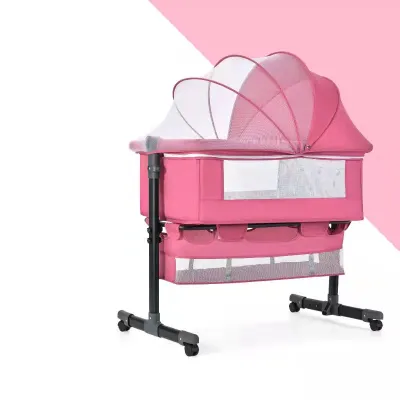
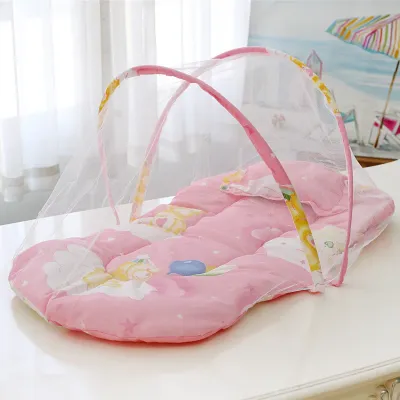

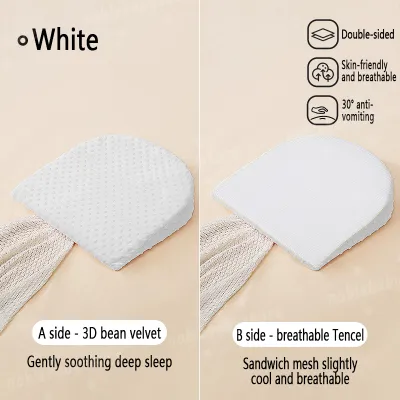



Prices are valid at publication and may change. Please refer to the product page for the latest price.
Portability is another practical factor if you want your baby to sleep near you during daytime hours. Some lightweight bassinets and co-sleepers come equipped with lockable wheels or folding frames, allowing you to move the sleeping unit easily from the bedroom to the living room or kitchen. If you choose a heavy, solid-wood crib, it will likely remain stationary in one room, meaning you may need to plan for an alternative safe sleeping spot, such as a portable playpen, for daytime naps in other parts of the house.
Evaluate Your Budget and Transition Timeline
The financial investment of a newborn bed involves both the upfront purchase price and the long-term utility of the furniture. In the local market, prices in ₱ can vary widely, with simple portable bassinets representing a lower initial cost, while convertible wooden cribs require a more substantial upfront investment. When planning your budget, it is helpful to look beyond the initial price tag and calculate the cost per month of actual use.

Bassinets and bedside co-sleepers are temporary sleeping solutions designed specifically for the early stages of infancy. Babies typically outgrow these smaller beds within three to six months, depending on their individual growth rate and physical development. Once your baby reaches the manufacturer’s specified weight limit or begins to show signs of rolling over, they must transition to a larger, deeper sleeping space for their own safety.
A full-size crib, while more expensive initially, offers excellent long-term value because it can accommodate your child for several years. Many modern cribs are designed to convert into toddler beds or daybeds, eliminating the need to purchase additional furniture as your child grows. If you decide to start with a temporary bassinet or co-sleeper, you should factor the future cost of a full-size crib and mattress into your overall nursery budget so you are financially prepared for the transition.
Match the Bed to Your Nighttime Routine
Your daily nighttime routine and physical comfort should heavily influence the type of bed you select. Newborns wake frequently throughout the night for feeding, soothing, and diaper changes, making easy access to your baby a top priority. If you are breastfeeding or recovering from a physically demanding delivery, such as a cesarean section, minimizing the need to stand up, bend over, or walk across the room can significantly ease your recovery.
A bedside co-sleeper attaches securely to the side of your adult mattress, providing a barrier-free transition that allows you to comfort or feed your baby without leaving your bed. This setup offers close physical proximity, which can be highly reassuring for both parents and newborns during the first few weeks. However, it is important to ensure that the co-sleeper is securely fastened according to the manufacturer’s instructions to prevent any gaps from forming between the two mattresses.
If you prefer to establish clear physical boundaries from the beginning to foster independent sleeping habits, a standalone bassinet or crib placed a few feet away from your bed is an excellent alternative. This setup allows you to respond to your baby’s cries quickly while encouraging them to sleep in their own dedicated space. Whichever option you choose, matching the bed’s height and accessibility to your physical needs will make nighttime care much more manageable.
Verify Safety Features and Manufacturer Guidelines
Ensuring a safe sleeping environment is the most critical step in choosing your baby’s bed. The mattress must be firm, flat, and fit snugly inside the frame with no gaps larger than two fingers between the mattress edge and the bed walls. Soft bedding, pillows, bumper pads, and stuffed toys should never be placed in the sleeping area, as they present serious safety hazards for newborns.
Airflow and ventilation are vital, particularly in warm and humid environments where babies can easily overheat. Look for beds with breathable mesh sides or wooden slats that are spaced no more than 6 centimeters apart to prevent your baby’s head or limbs from getting caught. Avoid older, vintage, or hand-me-down cribs that feature drop-side mechanisms, as these designs are no longer considered safe due to the risk of structural failure and entrapment.
Always read the manufacturer’s labels and instruction manuals to verify safety certifications, weight limits, and developmental milestones. Different products have specific guidelines regarding when to stop using certain features, such as lowering the mattress height or transitioning to a larger bed. Regularly inspect the bed’s hardware, joints, and fabric seams to ensure everything remains secure and functional throughout its period of use.
Decision Matrix: Crib, Bassinet, or Co-Sleeper?
To finalize your decision, it helps to compare the primary benefits and ideal use cases of each option side by side. A full-size crib is the most suitable choice if you have ample bedroom or nursery space, want a durable piece of furniture that lasts for years, and prefer a stationary sleeping setup. It offers the longest lifespan and provides a highly secure, independent sleeping environment from day one.
A bassinet is the ideal option for families with limited bedroom space who prioritize portability and want a cozy, lightweight bed for the first few months. It allows you to keep your baby close by your side at night and easily move them to different rooms for daytime naps. However, keep in mind that you will need to transition your baby to a larger crib once they begin to roll or outgrow the weight limit.
A bedside co-sleeper is best for parents who want the closest possible proximity to their baby without sharing the same mattress. It is highly practical for nighttime feeding, comforting a fussy newborn, and accommodating parents who are recovering from childbirth. Like the bassinet, it is a temporary solution that requires a transition plan once your baby reaches early developmental milestones.
Frequently Asked Questions (FAQ)
When should I transition my baby from a bassinet or co-sleeper to a crib?
You should transition your baby to a crib as soon as they reach the manufacturer’s maximum weight or height limit, or when they begin showing signs of physical mobility. If your baby starts rolling over, pushing up on their hands and knees, or attempting to sit up, they have outgrown the safety limits of a shallow bassinet or co-sleeper. Additionally, if you notice your baby frequently bumping into the sides of the bed or waking up due to restricted stretching space, it is time to move them to a spacious crib.
Is it safe to use a second-hand crib or bassinet?
Using a second-hand bed can be safe, but it requires a thorough safety inspection before use. Carefully check the frame for any missing hardware, loose joints, splinters, or peeling paint, and ensure that the model has not been subject to any safety recalls. It is highly recommended to purchase a brand-new mattress that fits the frame perfectly, ensuring it is firm, clean, and completely free of mold, moisture, or structural wear from previous use.

Community discussion
Share your experience or ask a question. Comments are reviewed before publication.