
Quick Answer: Set vs. Separate Nursery Furniture
Choosing between a coordinated nursery furniture set and purchasing your babies crib and changing table separately depends on your space, budget, and long-term style preferences. A furniture set offers unmatched convenience, a cohesive aesthetic, and simplified logistics with a single delivery. This option is ideal for parents who want a quick, stress-free setup that looks professionally designed from day one.
Conversely, buying pieces separately provides the flexibility to customize your nursery layout, mix design styles, and select specific dimensions that fit unique or smaller rooms. This path allows you to prioritize high-quality features for the babies crib while opting for a more budget-friendly or multifunctional changing solution. Ultimately, your decision should align with your home’s layout, your long-term storage needs, and how you plan to adapt the room as your child grows.
Evaluating Crib and Changing Table Sets
Purchasing a bundled nursery set is a popular route for many families seeking a streamlined shopping experience. The most immediate benefit is design cohesion, as manufacturers design these packages to ensure the wood finishes, paint colors, and hardware match perfectly. This eliminates the tedious task of comparing different wood stains or paint undertones from various brands, which can often look mismatched under nursery lighting.
Products mentioned in this guide
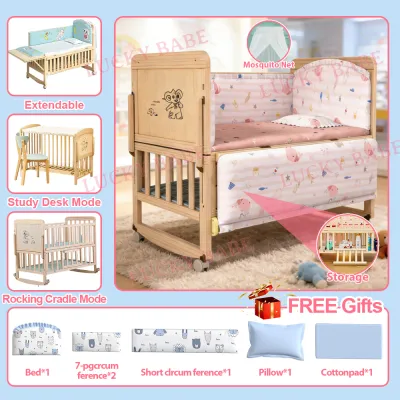
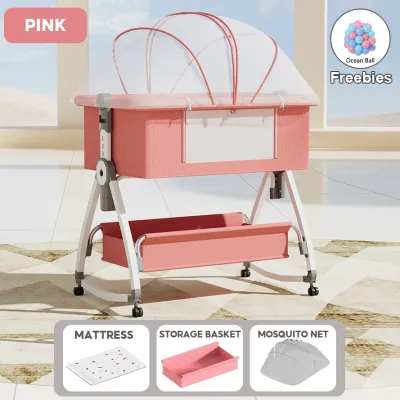
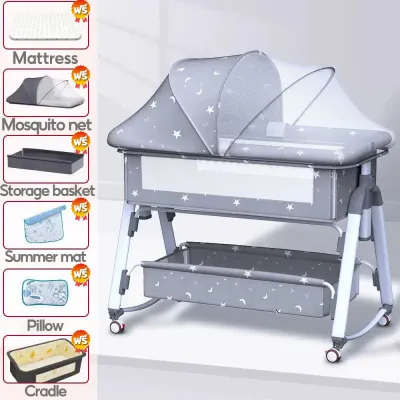
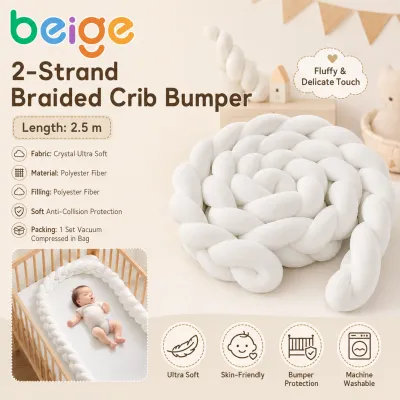
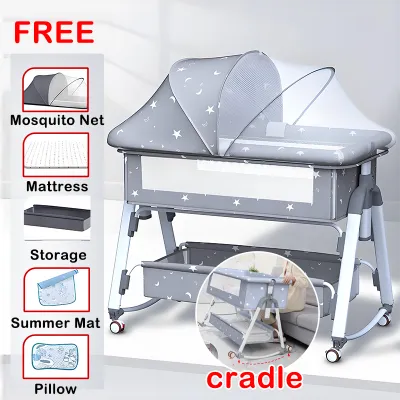
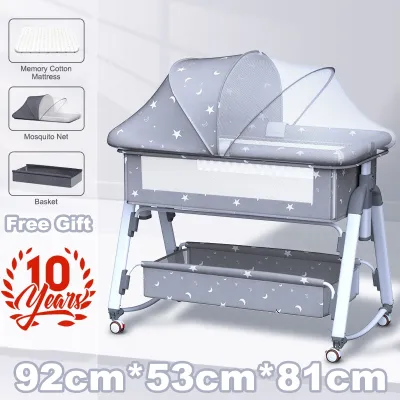
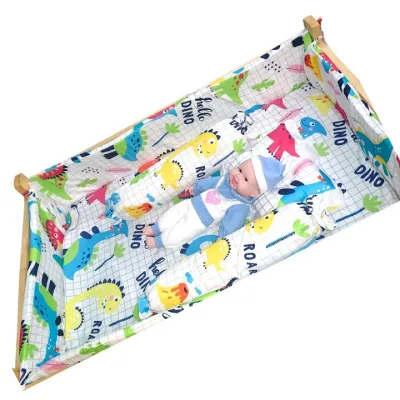
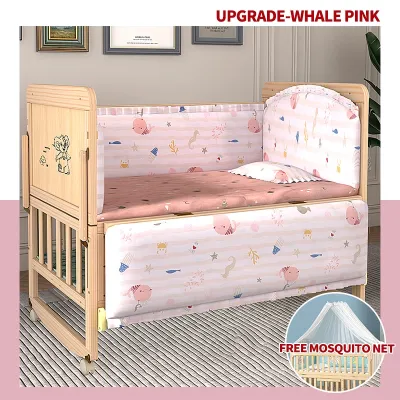
Prices are valid at publication and may change. Please refer to the product page for the latest price.

Logistics also become significantly simpler when you purchase a set. Instead of tracking multiple shipments, coordinating different delivery dates, and handling separate assembly instructions, you receive everything at once. This single-delivery approach is particularly advantageous when scheduling assembly help or trying to complete the nursery well before your due date.
However, bundled sets do come with specific limitations that require careful consideration. Many sets feature a fixed configuration, such as a combo unit where the changing table is physically attached to the babies crib. While highly compact, these units offer zero flexibility if you decide to rearrange the room later. You cannot move the changing station to a different wall or corner to optimize airflow or natural light.
Another limitation is the mismatched lifespan of the individual components. A child will outgrow a changing table long before they outgrow a convertible babies crib. If the changing station is permanently attached, you may find yourself with an unused, bulky attachment once your toddler is toilet trained. Additionally, in humid tropical climates like the Philippines, large solid-wood sets require consistent airflow to prevent moisture buildup behind heavy, fixed furniture pieces.
Evaluating Separate Crib and Changing Table Purchases
Sourcing your nursery furniture individually offers a level of customization that pre-packaged sets simply cannot match. This approach is highly beneficial if you are working with an unconventional room layout, such as a narrow space, a room with low windows, or a shared bedroom. Buying separately allows you to select a compact babies crib and pair it with a slim, standalone changing tower or even a removable changing topper that sits securely on an existing chest of drawers.
This method also provides excellent financial flexibility. Instead of paying a large upfront sum for a complete set, you can allocate your budget where it matters most to you. For instance, you might choose to invest in a premium, highly convertible babies crib while saving money by repurposing a sturdy wooden dresser as a changing station. This modular approach allows you to upgrade, replace, or remove individual pieces as your child’s developmental needs change.
Furthermore, buying separately prevents you from being locked into a single brand’s design philosophy. You can mix modern minimalist aesthetics with vintage accents, creating a personalized space that feels curated rather than catalog-bought. If one piece of furniture incurs damage or shows signs of wear, you can replace it easily without feeling pressure to replace the entire room’s decor.
The primary trade-off with this route is the additional time and effort required for research and coordination. You must carefully verify that the dimensions of both pieces fit comfortably within your room while maintaining safe clearance zones. Additionally, managing multiple deliveries from different retailers can lead to scheduling conflicts, and you may end up paying multiple shipping fees, which can quickly erode any initial savings.
Key Dimensions to Compare for Your Nursery
Space and Layout
Before making any purchase, measure your nursery dimensions accurately and sketch a floor plan. Ensure there is adequate clearance around both the babies crib and the changing area so you can move freely during late-night diaper changes. In tropical environments, position the furniture away from direct sunlight, air conditioning drafts, and open windows to maintain a comfortable, stable sleeping environment. Remember that a standalone changing table can be placed in an adjacent bathroom or hallway if nursery space is exceptionally tight, whereas a combo unit confines both functions to a single footprint.
Safety and Compliance
Safety must always be your primary filter when selecting nursery furniture. For both sets and individual items, you must verify the manufacturer’s official specifications, weight limits, and age recommendations. Look for clear safety labels indicating compliance with international or local manufacturing standards. Ensure that the changing table features secure barrier walls on all sides and a safety strap. Regardless of the furniture style you choose, active caregiver supervision is always required during use; never leave your child unattended on a changing surface, even for a brief moment.
Budget and Value
When comparing costs, look beyond the initial price tag of the furniture itself. Factor in delivery fees, assembly costs, and the price of essential accessories like a compatible crib mattress and a fitted changing pad. A bundled set might appear more expensive upfront, but it often represents a discount compared to buying equivalent individual pieces from the same brand. However, if you plan to use a dresser you already own, buying only a babies crib and a secure changing topper is almost always the more economical choice.
Longevity and Adaptability
Consider how each piece of furniture will serve your family in the coming years. Many modern babies cribs feature multi-stage convertibility, transforming from a crib to a toddler bed, daybed, and eventually a full-sized headboard. If you buy a set, check if the changing table can also adapt, perhaps by removing the top changing rails to reveal a standard chest of drawers. If the changing unit cannot be repurposed, its utility may end after two to three years, leaving you with a piece of furniture that takes up valuable space without serving a practical purpose.
Decision Framework: How to Make Your Final Choice
To help you commit to the best purchasing path for your home, review this practical decision framework based on your specific household priorities.
Choose a coordinated furniture set if:
- You prefer a quick, convenient shopping experience with a single delivery and unified assembly instructions.
- You have a standard-sized nursery with straight walls that easily accommodate matching furniture pieces.
- You want a cohesive, professionally styled aesthetic without the hassle of matching wood stains or paint finishes.
- You are starting your nursery design from scratch and do not own any existing furniture that can be repurposed.
Choose separate furniture pieces if:
- Your nursery has an awkward layout, limited floor space, or must be shared with a home office or master bedroom.
- You want to spread out your expenses over time or allocate a larger portion of your budget to a specific, high-end babies crib.
- You plan to repurpose a sturdy, existing dresser by adding a secure, manufacturer-approved changing topper.
- You enjoy curating a unique, eclectic room design that mixes different textures, colors, and brands.
Important verification steps before you buy:
- If purchasing from an online marketplace or a second-hand seller, always verify the exact model number against current manufacturer safety guidelines and recall databases.
- Inspect any pre-owned furniture thoroughly for structural integrity, ensuring there are no loose joints, peeling paint, or missing hardware.
- Always read the manufacturer's assembly manual carefully before beginning setup, and stop use immediately if you notice any structural instability or wear over time.
Frequently Asked Questions (FAQ)
Is it safe to use a combo crib and changing table unit?
Yes, combo units are safe when assembled and used strictly according to the manufacturer’s instructions. You must verify the specific weight limits for both the crib and the changing platform before use. Always ensure the unit is securely anchored to the wall if recommended by the manufacturer to prevent tipping. If you notice any loose screws, structural wear, or missing parts, stop using the unit immediately and consult the manufacturer or a qualified professional for replacement components.
Can I convert a changing table into a regular dresser later?
Many standalone changing tables and some combo units are specifically designed to convert into standard dressers or shelving units once your child outgrows diapers. This is typically achieved by removing the protective top safety rails or detaching the changing topper entirely. To ensure this long-term utility, you must verify this feature in the product specifications and user manual before making your purchase, as some budget models feature fixed safety rails that cannot be removed.
How do I ensure the furniture fits my nursery layout?
To guarantee a proper fit, measure your nursery’s total floor area, doorway widths, and window heights before shopping. Compare these measurements directly with the exact product dimensions listed on the manufacturer’s labels. Remember to leave at least two to three feet of open clearance space around the babies crib and the changing area. This ensures you have safe, unobstructed access for caregiving, cleaning, and comfortable movement throughout the room.

Community discussion
Share your experience or ask a question. Comments are reviewed before publication.