
Is the Cotton Central Nasal Aspirator Safe for Newborns?
Nasal aspirators, including those from brands like Cotton Central, can be safe and effective tools for clearing a newborn’s congested airway, but their safety is entirely conditional. It depends heavily on the specific product model’s design, the materials used, and—most importantly—proper parental technique.
Newborns have incredibly delicate nasal passages. Before using any nasal aspirator, parents must carefully examine the product packaging and the manufacturer’s documentation. Look for explicit age-suitability ratings, such as a “0+ months” or “newborn” designation, to ensure the device is engineered for infant anatomy.
Material safety is another critical verification step. Ensure the product label confirms the device is made from non-toxic, medical-grade, BPA-free, and latex-free materials. The suction tip should be composed of soft, highly pliable silicone rather than rigid plastic to prevent accidental physical trauma to the baby’s nasal tissues.
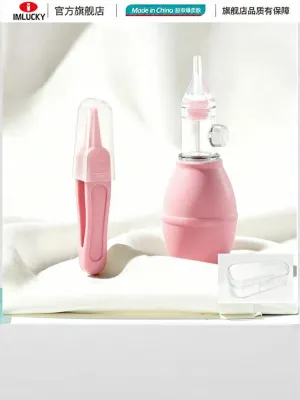
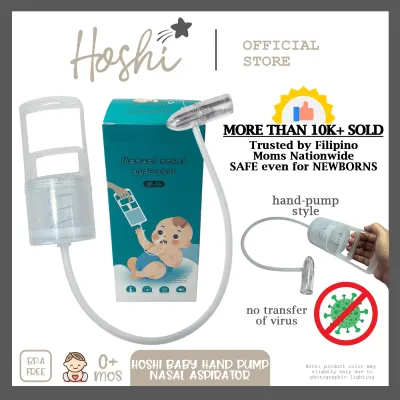
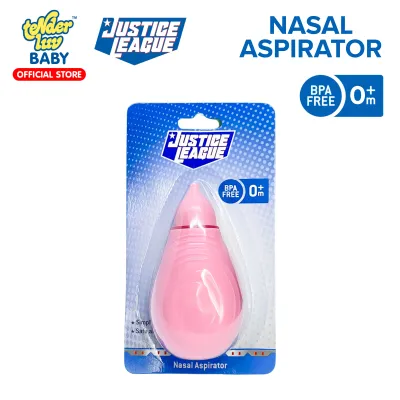
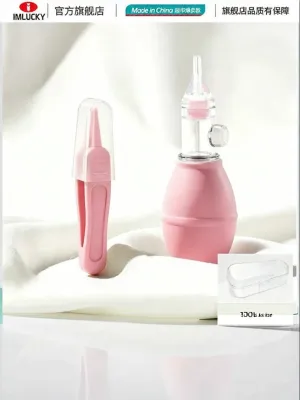
Products mentioned in this guide


Prices are valid at publication and may change. Please refer to the product page for the latest price.
It is vital to recognize that no nasal aspirator is inherently risk-free. Even the highest-quality device can cause irritation, swelling, or injury if used with excessive force, at incorrect angles, or too frequently. This guide outlines general safety frameworks for infant nasal care, but you must always cross-reference these tips with the specific instruction manual provided with your Cotton Central device.
Why Newborn Nasal Care Requires Extra Caution
To understand why careful technique is so critical, it helps to look at the unique anatomy of a newborn. Infants are obligate nasal breathers for the first several months of life. This means they naturally breathe almost exclusively through their noses, especially during feeding and sleeping.

When a newborn’s nasal passages become blocked by mucus, it does not just cause mild discomfort; it can significantly interfere with their ability to nurse or take a bottle, leading to poor feeding, fatigue, and dehydration. It can also disrupt their sleep cycles, causing increased irritability for both the baby and the parents.
At the same time, a newborn’s nasal passages are extremely narrow and lined with highly sensitive, vascularized mucosa. This delicate lining contains a dense network of tiny blood vessels that lie very close to the surface.
Applying aggressive or improper suction can easily damage this sensitive tissue. High suction pressure or rough physical contact can cause localized swelling (edema), micro-tears, or bleeding. Ironically, this irritation often triggers an inflammatory response, leading to rebound congestion where the nasal passages swell even further, making the blockage worse than it was initially.
Essential Precautions Before and During Use
To minimize the physical risks of nasal aspiration, parents should follow a structured, cautious approach every time they use the device.
Perform a Pre-Use Inspection Before the aspirator touches your baby’s face, inspect the entire device under good lighting. Check for any hairline cracks in plastic components, tears or rough edges on the silicone tip, or loose parts that could present a choking hazard. Ensure that the suction tip is firmly secured to the body of the aspirator. If you notice any structural defects, do not use the device.
Prepare the Airway with Saline Never attempt to suction dry, hardened, or highly viscous mucus directly. Doing so requires excessive suction force, which increases the risk of tissue damage. Instead, administer one to two drops of pediatric-formulated saline solution into each nostril a few minutes before suctioning. This helps loosen and liquefy the mucus, allowing it to flow out easily with minimal suction pressure.
Master the Proper Technique When inserting the aspirator, keep the tip strictly at the entrance of the nostril. Never push the nozzle deep into the nasal cavity. Angle the tip slightly outward toward the side of the nose (away from the central nasal septum) rather than pointing it straight up. This reduces the risk of irritating the sensitive septal tissue, which is highly prone to bleeding.
Control the Suction Pressure If you are using a manual bulb or a mouth-suction (human-aspirated) device, apply very gentle, controlled pressure. For battery-operated or electric models, always start on the absolute lowest setting. Only increase the suction power if strictly necessary, and never exceed the manufacturer’s recommended limits.
Limit the Frequency of Use Nasal aspiration should not be a routine part of daily baby care. Limit suctioning to two or three times a day, specifically timing it before feeds and bedtime to help your baby eat and sleep comfortably. Overuse will dry out the delicate nasal lining, leading to chronic irritation and increased mucus production.
Maintain Strict Hand Hygiene Always wash your hands thoroughly with soap and warm water for at least 20 seconds before handling the aspirator or touching your baby’s face. Newborns have developing immune systems, and introducing external pathogens into their nasal passages can easily lead to secondary respiratory infections.
Cleaning and Maintenance to Prevent Infections
Proper hygiene does not end once the baby’s nose is clear. Because nasal aspirators collect organic material in a warm, moist environment, they are highly susceptible to bacterial colonization and mold growth.
In tropical, high-humidity environments like the Philippines, mold and mildew can develop rapidly inside enclosed spaces, such as the bulb, tubing, or collection chamber of an aspirator. Inhaling mold spores or bacteria from a contaminated device poses severe respiratory risks to an infant.
Disassemble and Wash Immediately Clean the device immediately after every single use. Disassemble all removable parts according to the manufacturer’s instructions. Wash each component thoroughly in warm, soapy water, using a small cleaning brush if provided to scrub away any trapped mucus residue. Rinse all parts completely under clean, running water.
Ensure Complete Air-Drying Place the disassembled parts on a clean, dry paper towel or a dedicated drying rack in a well-ventilated area. Allow them to air-dry completely before reassembling or storing the device. Never store a nasal aspirator while any internal moisture remains.
Verify Sterilization Methods Check the manufacturer’s manual to determine which parts can be safely sterilized. Some silicone tips can withstand boiling water or steam sterilization, while other plastic components may warp or degrade under high heat. Avoid using harsh chemical disinfectants, bleach, or alcohol-based cleaners, as chemical residues can linger on the device and irritate your baby’s airways during the next use.
Know When to Replace the Device Periodically inspect the aspirator for signs of wear and tear, such as discoloration, persistent odors, loss of elasticity in silicone parts, or visible black spots indicating mold inside the tubing or bulb. If you detect any of these signs, or if the device has been stored damp, discard it immediately and purchase a replacement.
Warning Signs: When to Stop and Consult a Pediatrician
While mild nasal congestion is common in newborns, parents must remain vigilant and recognize when home care is no longer appropriate or when the baby requires professional medical evaluation.
Immediate Stop Conditions Cease using the nasal aspirator immediately if you observe any bleeding from the nose, if your baby exhibits intense distress, or if they cry out in pain during the procedure. If congestion appears to worsen significantly after suctioning, this may indicate acute mucosal swelling, and you should stop using the device.
Signs of Respiratory Distress Seek urgent medical care if your newborn displays signs of labored breathing. These include rapid breathing (tachypnea), flaring of the nostrils, chest retractions (where the skin pulls in tightly between or below the ribs), grunting sounds during exhalation, or a bluish tint around the lips, tongue, or face.
Systemic Red Flags Any fever in a newborn under three months old is a medical emergency that requires immediate evaluation by a healthcare professional. Do not attempt to manage persistent congestion accompanied by a fever, lethargy, poor feeding, or a persistent cough at home.
If you are unsure about the severity of your baby’s congestion or feel uncomfortable using a nasal aspirator, consult a qualified pediatrician in the Philippines. They can assess your baby’s respiratory health, demonstrate safe suctioning techniques, and recommend appropriate, localized care options.
Frequently Asked Questions (FAQ)
How often is it safe to use a nasal aspirator on a newborn?
It is generally safest to limit the use of a nasal aspirator to a maximum of two to three times per day. The best times to suction are shortly before feedings and right before bedtime, as this directly helps your baby breathe easier while sucking and sleeping. Avoid over-suctioning, as excessive use strips the natural moisture from the nasal lining, causing inflammation and rebound congestion that can make the blockage worse.
Can using a nasal aspirator cause a nosebleed in babies?
Yes, improper use of a nasal aspirator can cause a nosebleed. A newborn’s nasal passages are lined with highly sensitive, shallow blood vessels. If the aspirator tip is inserted too deeply, angled incorrectly against the nasal septum, or used with excessive suction force, it can easily rupture these delicate vessels. If a nosebleed occurs, stop suctioning immediately, keep the baby upright, gently pinch the soft part of their nose if safe, and contact your pediatrician if the bleeding does not stop quickly.

Community discussion
Share your experience or ask a question. Comments are reviewed before publication.