
Finding the right diaper for a small-sized baby in the Philippines is a highly personalized process that requires balancing physical fit, absorbency, and daily costs. When comparing Rascal and Friends Small against Pampers, Huggies, and Equator, there is no single universal winner; the best choice depends entirely on your baby’s unique body proportions, urination patterns, and skin sensitivity. This guide breaks down the core decision-making criteria, helping you evaluate how each brand performs in real-world conditions so you can select the most reliable and cost-effective option for your family.
By focusing on observable features—such as waistband elasticity, leg cuff designs, and material breathability—you can make an informed decision without relying on trial and error. Because babies grow rapidly during their first few months, understanding how to assess these factors will save you time, reduce diaper waste, and keep your baby comfortable throughout the day and night.
Key Needs for Small-Sized Babies
Before evaluating specific diaper brands, it is essential to understand the physical and developmental requirements of babies in the Small size range. Most manufacturers design Small diapers to fit babies within a specific weight bracket, typically starting around 3 to 4 kilograms and extending up to 7 or 8 kilograms. However, weight is only a starting point; you must verify your baby’s current weight against the manufacturer’s labeled weight range printed on the packaging, as sizing standards vary across brands.
Products mentioned in this guide
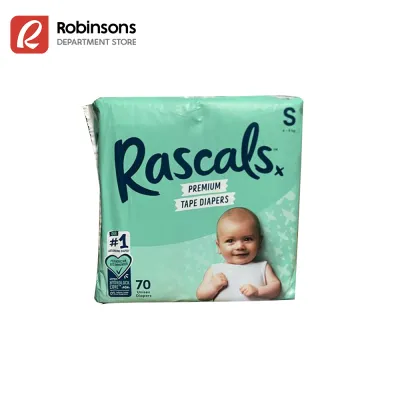
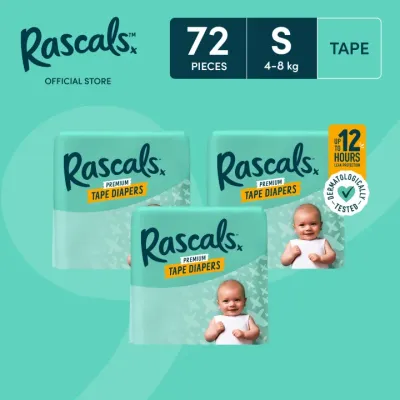
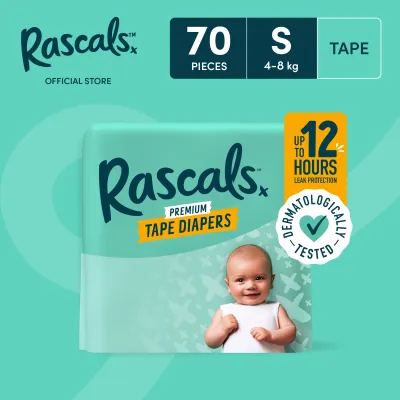
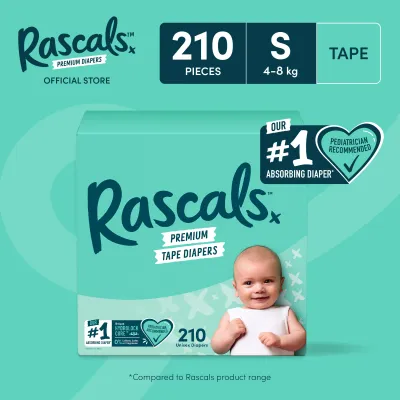
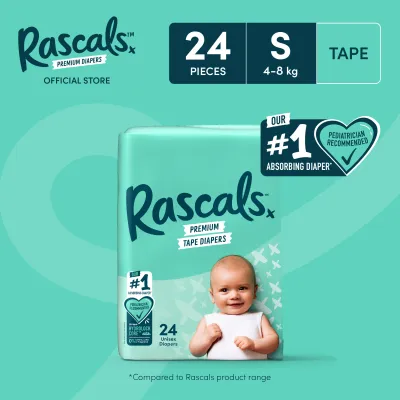
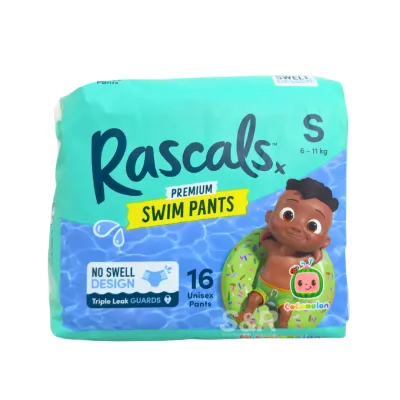
Prices are valid at publication and may change. Please refer to the product page for the latest price.
At this stage, babies are transitioning from newborn stillness to more active leg movements, kicks, and tummy expansion during and after feeding. A diaper must feature a highly flexible waistband that stretches comfortably to accommodate these physical changes. If the waistband is too rigid, it can restrict breathing or cause discomfort when the baby’s stomach expands after a feeding. Conversely, a waistband that is too loose can lead to sagging and leaks along the back.
In a warm and humid tropical climate, breathability is a critical requirement to minimize moisture buildup and prevent diaper rash. High humidity traps sweat and urine against the baby’s delicate skin, creating an environment prone to irritation. Look for diapers with breathable outer covers and lightweight materials that promote air circulation, helping to keep the skin dry and cool even during the warmest hours of the day.
Evaluating Absorbency and Leak Protection
When comparing the absorbency of Rascal and Friends Small, Pampers, Huggies, and Equator, it is helpful to differentiate between daytime and overnight diapering needs. Daytime diapering typically involves frequent changes—usually every two to three hours—to maintain hygiene and comfort. For daytime use, a diaper with moderate absorption capacity is often sufficient. Overnight diapering, however, requires a diaper that can handle multiple wettings over an extended period of eight to twelve hours, keeping moisture away from the skin so the baby can sleep undisturbed.

To manage changes efficiently, check the accuracy, visibility, and color-change reliability of the wetness indicators on each brand. A wetness indicator is a colored line on the outside of the diaper that changes color when exposed to moisture. Observe how quickly the indicator responds when the diaper is wet and whether it remains clearly visible through clothing. A reliable indicator helps caregivers identify when a change is needed without having to unfasten the diaper tabs repeatedly.
Leak protection relies heavily on the design of the leg cuffs and barrier walls. Inspect the elasticized leg guards of each brand to ensure they stand upright and create a gap-free seal around your baby’s thighs. These cuffs must be snug enough to contain liquid stools and heavy wetting, yet gentle enough not to dig into the skin. When testing a brand, observe whether leaks occur primarily when the baby is lying down, sitting up, or moving, as this indicates how well the barrier design matches your baby’s active body positions.
Checking Fit, Comfort, and Skin Reactions
A practical way to assess a diaper’s fit is to examine the baby’s waist and thigh areas immediately after removing a wet or soiled diaper. Look for red marks, deep indentations, or signs of tightness. If you notice persistent red lines, it is a clear indication that the diaper is too tight, the elastic is too stiff, or the cut of the diaper does not align with your baby’s body shape. A well-fitting diaper should leave no lasting marks and should sit comfortably on the waist and thighs like soft underwear.
Next, compare the inner surface texture and overall softness of each brand against your baby’s skin. The inner lining is in direct contact with the baby’s most sensitive areas, so a smooth, non-abrasive texture is essential for preventing friction-induced chafing. Some brands utilize textured, quilted, or pocketed liners designed to quickly channel liquid away from the surface, while others offer a completely flat, cloth-like feel. Touch the dry inner lining yourself to evaluate its softness before putting it on your baby.
Because baby skin is thin and highly sensitive, monitoring for adverse skin reactions is a vital part of the testing process. If you observe persistent redness, chafing, bumps, or diaper rash that does not resolve with frequent changes and standard barrier creams, stop using that specific brand immediately. Different brands use different materials, adhesives, and lotions, and your baby may be sensitive to a specific component. If skin irritation persists or worsens, consult a pediatrician or healthcare professional for proper medical advice.
Calculating Value and Checking Availability
To accurately compare the cost-effectiveness of Rascal and Friends Small, Pampers, Huggies, and Equator, you must calculate the exact cost per diaper. Do not rely solely on the retail price of the package, as pack sizes and piece counts vary significantly between brands. Divide the total price of the diaper pack (in ₱) by the exact number of pieces inside. This simple calculation reveals the unit cost, allowing you to compare the financial impact of each brand on your monthly household budget.
When trying out a new brand, weigh the financial benefits of buying bulk packs against the flexibility of smaller trial sizes. While bulk packs or mega-boxes generally offer a lower cost per diaper, purchasing a large quantity before verifying the fit and skin compatibility can lead to wasted money if the diaper does not suit your baby. It is highly recommended to purchase the smallest available pack size first to test for fit, comfort, and absorbency, and then transition to bulk purchases once you are confident in the brand’s performance.
Additionally, verify the stock availability and promotional schedules of each brand in your local supermarkets, department stores, and official online brand stores on major ecommerce platforms. Some brands may be highly affordable but difficult to find locally, requiring you to plan orders in advance. Others may be widely available in physical stores but offer significant discounts, bundle deals, or free shipping promotions during online monthly sales events, which can substantially lower your long-term diapering expenses.
Decision Framework: Which Brand Fits Your Baby?
Selecting the right diaper brand involves matching your baby’s physical shape and your family’s daily routine to the unique design characteristics of each diaper. Use the following conditional guidelines to determine which brand is most suitable for your current needs:
- Choose Rascal and Friends Small if your baby has a rounder belly, thicker thighs, or a chunkier build. Its specific high-waist cut, wide elastic waistband, and deep pocket design are highly effective at providing a secure, gap-free fit for babies with these body proportions.
- Choose Pampers if you prioritize a highly sensitive, easy-to-read wetness indicator and a thin, lightweight diaper structure. This design is particularly beneficial for keeping babies comfortable and dry during hot, humid days in tropical climates.
- Choose Huggies if your baby is highly active, kicks frequently, or is beginning to roll over. Its robust waistband elasticity and secure leg cuff structure are designed to stay in place and prevent leaks during continuous physical movement.
- Choose Equator if your primary goal is finding a highly budget-friendly option for frequent daytime changes. This brand allows you to maintain a strict hygiene routine and change diapers immediately upon wetting without incurring a high financial burden.
Always prioritize your baby’s physical comfort and skin health above brand loyalty or cost savings. If any diaper brand causes unresolved skin reactions, or if your baby’s weight and proportions fall outside standard sizing charts, stop using the brand and consult a healthcare professional for guidance.
Frequently Asked Questions (FAQ)
How do I know if it is time to size up from Small diapers?
You can determine if it is time to transition from Small to Medium diapers by observing a few key physical signs. Look for persistent red marks or deep elastic indentations on your baby’s waist or thighs after removing the diaper, which indicate the fit has become too tight. Additionally, if you experience frequent leaks or blowouts even when the diaper is not fully saturated, the diaper’s physical volume may no longer be sufficient to contain your baby’s waste. Finally, check your baby’s weight; if it has reached or exceeded the upper weight limit printed on the Small package, it is time to size up.
Can I mix different diaper brands for day and night use?
Yes, mixing different diaper brands for day and night use is a highly practical and cost-effective strategy for many families. You can use a more affordable brand, such as Equator, for frequent daytime changes when the diaper is replaced every few hours. For extended overnight wear, you can transition to a highly absorbent or premium brand, such as Rascal and Friends, Pampers, or Huggies, to ensure your baby remains dry and comfortable throughout the night. When adopting this approach, monitor your baby’s skin closely for any adverse reactions, as switching between different material compositions can occasionally affect highly sensitive skin.

Community discussion
Share your experience or ask a question. Comments are reviewed before publication.