
Choosing between NAN Kid, Nido, and Enfagrow depends on your child’s specific developmental needs, digestive tolerance, and dietary gaps rather than finding a single universal option. Each brand designs its growing-up milk with a different nutritional focus—such as digestive support, physical growth, or cognitive development. To make the right choice, parents must learn to read the physical ingredient labels, compare key nutrients, and consult their pediatrician to match the milk’s profile with their child’s daily solid food intake.
Understanding Your Child's Nutritional Baseline
As children transition from infancy to toddlerhood, typically around one to three years of age, their nutritional needs change rapidly. During this stage, growing-up milks are formulated to complement a child’s diet rather than serve as their sole source of nourishment. This period is marked by rapid physical growth, cognitive leaps, and the development of the immune system, all of which require a steady supply of essential nutrients.
It is crucial to remember that solid foods should now serve as the primary source of nutrition for your toddler. Gatas (milk) acts as a supportive supplement to help cover potential shortfalls as children explore new textures and occasionally experience picky eating phases. Relying too heavily on milk can fill up a toddler’s small stomach, making them less interested in eating the diverse solid foods they need for healthy development.
Products mentioned in this guide
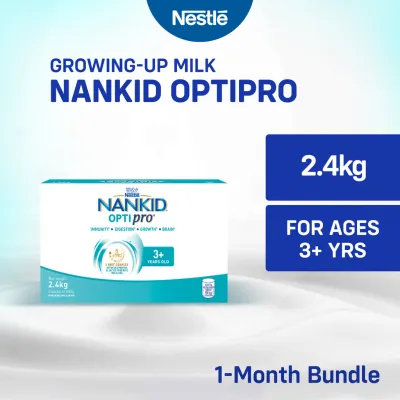
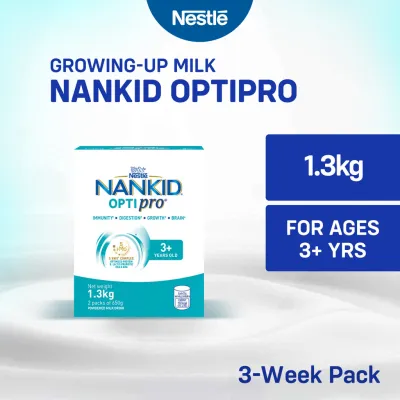
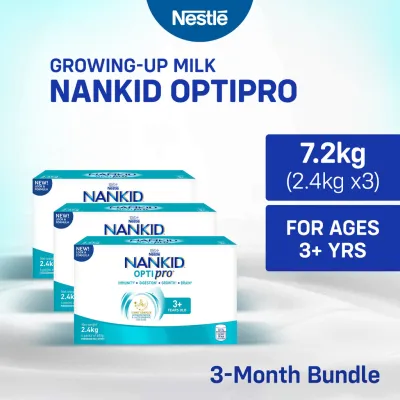
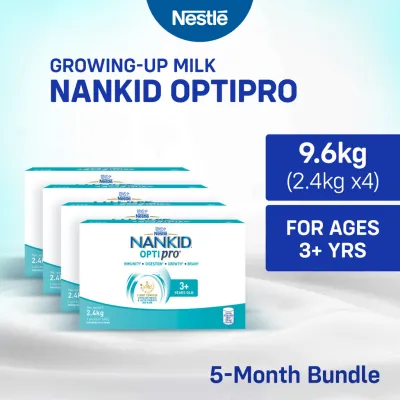


Prices are valid at publication and may change. Please refer to the product page for the latest price.
In tropical climates like the Philippines, active toddlers lose fluids and micronutrients through daily play and perspiration. Common nutritional gaps in early childhood often include iron, calcium, zinc, and essential vitamins like Vitamin D and Vitamin C, which support overall growth and immune function. Identifying these gaps in your child’s daily diet is the first step in choosing a growing-up milk that provides the right supplementary support.
How to Read and Compare Milk Powder Ingredient Labels
Reading the nutrition information panel and ingredient list is the most reliable way to understand what goes into your child’s cup. Start by looking at the macronutrient breakdown, which includes proteins, carbohydrates, and fats per serving, to ensure they align with your child’s daily energy needs. The source of these macronutrients is just as important as their quantity, so check whether the protein comes from cow’s milk, whey, or soy.

Pay close attention to the carbohydrate section on the label to identify any added sugars or sweeteners. Ingredients like sucrose, corn syrup solids, fructose, or maltodextrin are often added for flavor or texture, but minimizing added sugars is generally recommended for developing teeth and healthy dietary habits. Opting for products where lactose is the primary carbohydrate source can help mimic the natural composition of milk and support better long-term eating habits.
Next, locate the micronutrient values, specifically checking the percentages or milligram amounts of calcium, iron, zinc, and vitamins C and D. Compare these values across different packaging to see how much of the daily recommended intake each serving provides for your child’s specific age bracket. Keep in mind that higher numbers are not always better; the goal is to find a balanced profile that complements what your child already consumes through solid foods.
Weighing marketing claims against the actual ingredient list is essential when verifying the presence of live probiotic cultures or prebiotic fibers. Look for the specific scientific names of probiotic strains and the exact types of prebiotics listed in the ingredients. This ensures you are paying for active, beneficial ingredients rather than vague marketing concepts.
Evaluating NAN Kid, Nido, and Enfagrow Ingredient Profiles
When comparing NAN Kid, Nido, and Enfagrow, it is important to evaluate the specific product variants designed for your child’s exact age stage. Formulations change significantly between stage 3 (typically for toddlers aged 1–3) and stage 4 (for preschoolers aged 3 and up). Comparing a stage 3 formula of one brand with a stage 4 formula of another will lead to inaccurate conclusions about their nutritional value.
Because manufacturers update their recipes, ingredient sources, and nutritional values periodically, parents should always inspect the physical label on the tin or check the official manufacturer specifications. Avoid relying on outdated online reviews or general brand comparisons, as local formulations in the Philippines may differ from those sold in other countries. Checking the physical packaging ensures you have the most accurate and current information for your child’s safety.
Checking NAN Kid for Immune and Digestive Support
If you are looking at NAN Kid, focus your attention on the ingredients supporting digestive comfort and immune defense. Check the label for active probiotic cultures, such as Bifidobacterium lactis, and note whether specific prebiotic fibers are included to feed these beneficial gut bacteria. A healthy gut microbiome is closely linked to a strong immune system and comfortable digestion.
Additionally, examine the protein source and structure on the packaging, as some variants feature optimized or partially hydrolyzed whey proteins designed for easier digestion. Verify the presence of key immune-supporting micronutrients like zinc, selenium, and vitamins A, C, and D to see how they contribute to your child’s daily requirements. These ingredients are particularly relevant for toddlers attending daycare or interacting frequently with other children.
Reviewing Nido for Growth and Bone Development
When reviewing Nido formulations, prioritize checking the minerals and vitamins essential for physical growth and bone development. Look closely at the calcium and phosphorus levels, as well as the inclusion of Vitamin D, which is necessary for efficient calcium absorption in growing bones. These nutrients are vital during active growth spurts when skeletal development is at its peak.
It is also important to inspect the carbohydrate sources on the Nido label. Check whether the product contains added sucrose or flavorings, especially in flavored variants, and compare these levels with plain options to manage your child’s daily sugar intake. Understanding the balance of fats and proteins in Nido will also help you determine if it aligns with your child’s energy expenditure and physical activity levels.
Analyzing Enfagrow for Cognitive and Brain Nutrients
For parents evaluating Enfagrow, the primary focus is often on ingredients associated with cognitive development. Turn the tin to check the exact milligram amounts of Docosahexaenoic Acid (DHA) and Arachidonic Acid (ARA) per serving, as these essential fatty acids are key structural components of the brain. Comparing the DHA levels across different brands can help you see which formulation places a stronger emphasis on these lipids.
In addition to DHA, look for supporting nutrients listed on the Enfagrow label, such as choline, iron, iodine, and zinc. These micronutrients work together to support brain function and cognitive milestones, so verifying their specific quantities will help you assess the formula’s overall value. Ensure that these cognitive-supporting ingredients are balanced with adequate vitamins and minerals for physical growth.
Matching the Ingredient Profile to Your Child's Needs
To make the final decision, you must match the verified ingredient profiles with your child’s unique physical needs and health history. Start by checking the ingredient list for potential allergens or intolerances, such as cow’s milk protein, lactose, or soy lecithin, which could cause digestive discomfort or allergic reactions. If your child has a history of sensitive digestion, identifying these potential triggers on the label is a critical safety step.
Always consult your pediatrician before switching growing-up milks or introducing a new brand, especially if your child has diagnosed medical conditions, severe allergies, or specific dietary restrictions. A healthcare professional can provide personalized guidance based on your child’s growth chart and overall nutritional status. They can also help you interpret the ingredient list to ensure the chosen milk does not conflict with any existing dietary plans.
Once you introduce a new milk, closely observe your child’s physical response over several weeks. Monitor their digestion, stool consistency, skin condition, and general energy levels, as a child’s individual acceptance and comfort are the ultimate indicators of whether a formula is suitable for them. If you notice any adverse reactions, such as skin rashes, excessive gas, or changes in bowel movements, stop using the product and consult your pediatrician immediately.
Frequently Asked Questions (FAQ)
Can I mix different brands of growing-up milk in one bottle?
It is highly recommended not to mix different brands or stages of growing-up milk in the same bottle. Each product has a unique nutrient density, scoop size, and specific water-to-powder preparation ratio designed by the manufacturer. Mixing them can alter the concentration of nutrients, potentially leading to dehydration, constipation, or digestive strain. If you are transitioning your child from one brand to another, consult your pediatrician for a safe, gradual transition plan.
How do I know if my child is getting enough nutrients from solid food alone?
A toddler who is getting enough nutrients from solid foods typically consumes a diverse diet consisting of fruits, vegetables, whole grains, healthy fats, and lean proteins daily, while maintaining steady physical growth along their pediatric growth charts. However, because picky eating is common during these developmental years, identifying subtle dietary gaps can be challenging for parents. It is highly recommended to discuss your child’s specific eating habits and daily food intake with a healthcare professional, who can help determine if supplemental growing-up milk is necessary to fill any nutritional voids.

Community discussion
Share your experience or ask a question. Comments are reviewed before publication.