
Selecting the right XXL diaper for a highly active toddler involves balancing physical fit, reliable leak protection, and skin breathability. In tropical climates where heat and humidity are constant factors, a diaper must do more than just hold liquid; it must also prevent chafing and allow air to circulate. Because every toddler has a unique body shape, movement pattern, and skin sensitivity, there is no single universal winner among Moose Gear, Pampers, Huggies, and Equator.
Instead of relying on generalized marketing claims, parents can make a highly informed decision by evaluating the verifiable specifications printed on product packaging and observing real-world performance. This guide provides a structured approach to comparing these four brands based on observable fit, material design, and overall value. By focusing on your child’s specific physical needs and your household budget, you can find the ideal diapering solution for this active developmental stage.
Understanding XXL Diaper Sizing and Fit for Active Toddlers
Transitioning to an XXL diaper size is a significant milestone that usually coincides with increased physical activity, such as running, climbing, and jumping. Diaper packaging typically displays weight guidelines to help parents identify the correct size, but these ranges often overlap. For instance, a toddler who technically falls within the upper limit of an XL size may already require the extra volume and wider cut of an XXL diaper due to their unique body proportions.
Products mentioned in this guide
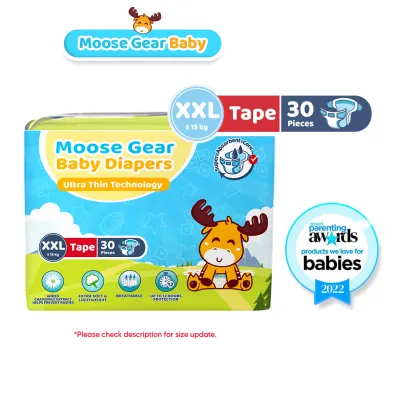
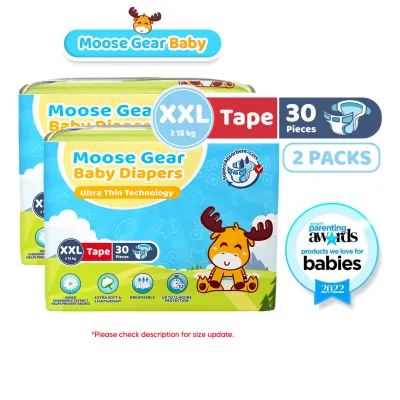
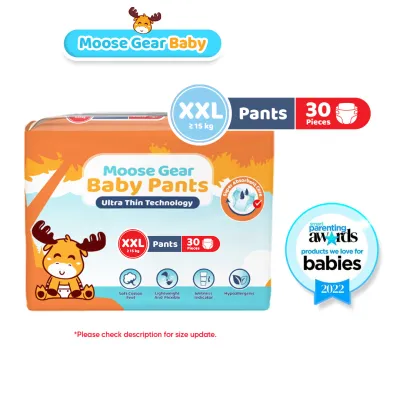
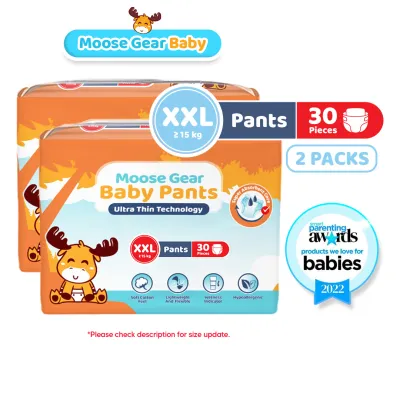
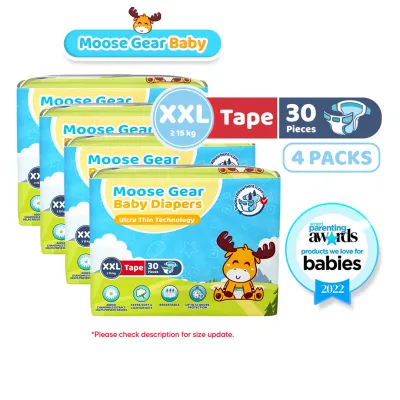
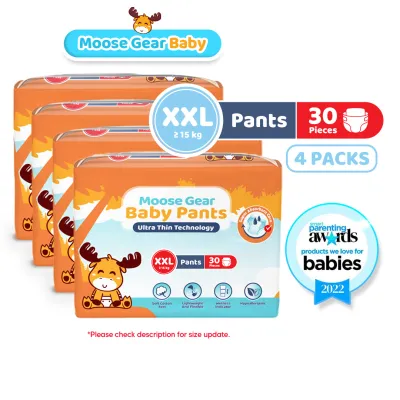
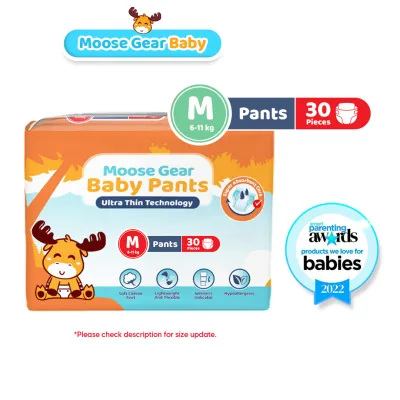
Prices are valid at publication and may change. Please refer to the product page for the latest price.
Observing how a diaper fits during daily play is the most reliable way to determine if it is time to size up. Red marks around your toddler’s thighs or waist are clear indicators that the elastic bands are too tight and may cause skin irritation. Frequent leaks, especially during active play or overnight sleep, often suggest that the current diaper size lacks the necessary absorbent capacity or coverage area.
Excessive sagging, even when the diaper is relatively dry, is another sign of an improper fit that can restrict your toddler’s natural movement. Active toddlers require secure, flexible leg cuffs that move with them rather than shifting out of place. If the leg gathers gap during movement, liquid can easily escape before the absorbent core has time to draw it in.
Comparing Core Features Across the Four Brands
To make an objective comparison between Moose Gear, Pampers, Huggies, and Equator, parents should look past brand names and focus on verifiable structural designs. Each manufacturer utilizes different materials and construction methods to address the challenges of active toddlerhood.

By examining product labels and physical diaper designs, you can evaluate three critical dimensions: absorbency layers, waistband elasticity, and top-sheet materials. This systematic approach allows you to match the specific features of each brand to your toddler’s daily routine and skin requirements.
Absorbency and Leak Protection
When evaluating absorbency, start by checking the product packaging for descriptions of the absorbent core technology. Many modern diapers feature multi-layer cores containing superabsorbent polymers designed to lock moisture away from the skin. A wetness indicator on the exterior of the diaper is also a highly useful feature, allowing you to monitor saturation levels without opening the diaper.
The design of the standing leg cuffs is equally important for preventing leaks during high-movement activities. Look for diapers with tall, double-layered leg barriers that feel soft yet resilient to the touch. These cuffs act as physical walls that contain sudden messes while your toddler is running or climbing.
Real-world observation is key to judging a diaper’s true capacity. After a period of use, check if the wetness is distributed evenly across the absorbent core or if it pools in a single area, which can cause the diaper to clump and sag. Consistent leaks during naptime or overnight indicate that a brand’s specific core design may not match your toddler’s output volume.
Comfort, Breathability, and Skin Sensitivity
Tropical humidity makes breathability a primary concern for preventing diaper rash and heat-related skin irritation. Parents should carefully read the ingredient and material lists on diaper packaging to identify hypoallergenic claims, fragrance-free options, or the inclusion of soothing lotions. Avoid added fragrances if your toddler has a history of sensitive skin or contact allergies.
The outer cover, or backsheet, plays a critical role in temperature regulation. Look for packaging that highlights breathable outer layers or micro-pores that allow hot air to escape while keeping moisture inside. A stiff, plastic-like backsheet is more likely to trap heat and sweat, leading to discomfort during active outdoor play.
After introducing a new diaper brand, closely monitor your toddler’s skin for any signs of redness, dryness, or localized irritation. Because skin chemistry varies, a material that works perfectly for one child might cause a mild reaction in another. A trial period with a smaller pack is always recommended before committing to a bulk purchase.
Fit and Elasticity for High Movement
An active toddler requires a diaper that stretches and conforms to their body as they transition between sitting, crawling, and running. When examining diaper packaging or unboxing a sample, evaluate the width and stretchability of the waistband and side fastening tabs. A wide, highly elastic waistband helps distribute pressure evenly around the abdomen, preventing the diaper from slipping down.
The physical cut of the diaper also influences how well it stays in place. Some brands feature contoured shapes designed to mimic the natural curves of a toddler’s body, while others utilize a more traditional straight cut. Contoured designs generally offer better freedom of movement around the hips and thighs, reducing the likelihood of chafing.
During play, observe whether the diaper bunches up between your toddler’s legs or shifts to one side. A diaper that restricts movement or requires constant readjustment can frustrate an active child and increase the risk of friction-induced skin damage.
Evaluating Cost and Value per Diaper
Managing a household budget requires a clear understanding of the true cost of diapering, which goes beyond the initial shelf price. To find the most economical option, parents should calculate the cost per individual piece rather than comparing total pack prices.
You can easily calculate this value using a simple formula: divide the total price of the diaper pack in Philippine Pesos (₱) by the number of diapers contained inside. For example, a pack priced at ₱500 containing 40 diapers results in a unit cost of ₱12.50 per piece. Comparing these unit costs across Moose Gear, Pampers, Huggies, and Equator reveals the direct financial impact of each option.
Keep in mind that bulk packaging typically offers a lower cost per piece than smaller trial packs, though trial packs are essential for testing fit and skin compatibility first. Additionally, consider the hidden costs of poor diaper performance. A cheaper diaper that leaks frequently can lead to increased laundry expenses, higher water bills, and more frequent changes, ultimately costing more than a slightly higher-priced, highly absorbent alternative.
Decision Framework: Which XXL Diaper Should You Choose?
Selecting the right XXL diaper involves matching your specific household priorities with the verifiable features of each brand. No single diaper is perfect for every situation, so your choice should depend on your toddler’s body shape, skin sensitivity, and your budget.
Consider choosing Moose Gear if you find that its packaging specifications, absorbency levels, and regional availability align well with your daily changing routine and budget. This brand is often favored by parents looking for a balance of practical features and accessible pricing.
Opt for Pampers if your toddler’s skin responds well to its specific material composition and you prefer a diaper with a stated thinness profile. A thinner design can be particularly comfortable in warm weather, provided it offers sufficient absorbency for your child’s needs.
Select Huggies if you notice that your toddler benefits from a highly structured waistband design, such as a pocketed waistband or robust stretch-fit tabs. This structural style is highly effective for toddlers with rounder bellies or those who experience frequent back leaks during active play.
Choose Equator if securing a budget-friendly option in bulk quantities is your primary goal, and your toddler has shown no signs of skin sensitivity to its materials. It serves as a practical choice for daytime wear when changes are frequent.
Before making any brand transition, always verify if your toddler has a history of severe contact dermatitis or recurrent diaper rashes. If skin issues persist regardless of the brand used, consult a qualified pediatrician to rule out underlying sensitivities or allergies.
Frequently Asked Questions (FAQ)
When should I transition my toddler from XL to XXL diapers?
You should consider transitioning your toddler to an XXL diaper when their weight approaches or exceeds the upper limit printed on your current XL packaging. Physical indicators also play a crucial role; if you notice deep red elastic marks around their thighs, struggle to fasten the side tabs securely, or experience frequent leaks and blowouts, it is time to size up.
Can I use XXL pull-up pants instead of taped diapers for active toddlers?
Yes, XXL pull-up pants are highly suitable for active toddlers who resist lying down for diaper changes, as they can be easily slipped on while the child is standing. However, you should check the packaging details, as pull-up pants sometimes feature different waistband elasticity and slightly lower absorbency capacities compared to their taped counterparts.

Community discussion
Share your experience or ask a question. Comments are reviewed before publication.