
Selecting the right toddler formula for your growing child is a decision that balances nutritional value, digestive compatibility, and financial sustainability. In the Philippines, parents frequently compare Enfamil 3 Plus, Nido, and NAN, as these brands represent some of the most visible options on supermarket shelves and online marketplaces. However, there is no single “best” formula that fits every toddler. The ideal choice depends on your child’s specific developmental stage, their digestive tolerance, and how well a product’s nutritional profile aligns with their daily diet. By learning how to analyze product labels, verify age-appropriate stages, and calculate the actual cost per serving, you can confidently select a formula that supports your toddler’s growth without overstretching your household budget.
As children transition from infancy to toddlerhood, their nutritional requirements change. While breastmilk or infant formula provides complete nutrition during the first year, toddler formulas—often referred to as growing-up milks—are designed to complement a solid food diet. Because formulations, packaging sizes, and ingredients are updated regularly by manufacturers, relying on brand reputation alone is not enough. Parents must become active label readers, checking for specific nutrients like iron, calcium, and vitamin D, while also monitoring how their child’s digestive system reacts to different milk bases and added ingredients.
Verifying Age Suitability and Formula Stages
Manufacturers design formulas for specific developmental windows. For instance, Stage 3 formulas are typically formulated for toddlers aged one to three years, while Stage 4 or “3+” variants are generally intended for children aged three years and older. It is crucial to inspect the front and back of the packaging carefully, as these age brackets can vary slightly between brands. Feeding a child a formula designed for an older age group may supply nutrients in proportions their digestive system is not yet ready to process, while giving an older child a younger stage formula might not adequately meet their evolving nutritional needs.
Products mentioned in this guide

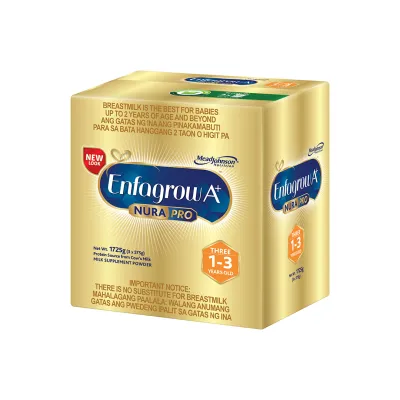
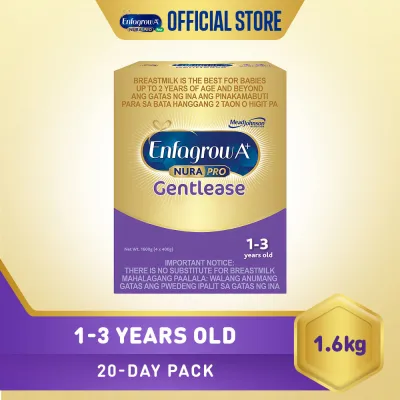
Prices are valid at publication and may change. Please refer to the product page for the latest price.
Standard toddler formulas often aim to bridge the gap between infant formula and cow’s milk, frequently retaining a highly regulated balance of vitamins and minerals. Growing-up milks, on the other hand, are often fortified milk powders designed for older toddlers and preschoolers who are already consuming a wide variety of solid foods. These growing-up milks may contain different levels of proteins, fats, and added micronutrients to address common dietary gaps in older children, such as iron or zinc deficiencies. Understanding this distinction helps you choose a product that matches your child’s eating habits.
Transitioning your child to a new formula stage or brand should never be a rushed decision. If you are currently breastfeeding, using an infant formula, or feeding your child a specialized medical or hypoallergenic formula, you must consult your pediatrician before making any changes. A professional can evaluate your child’s growth curve and dietary intake to determine if a transition is appropriate. When you do receive the green light to switch, doing so gradually over several days allows your toddler’s digestive system to adapt to the new taste and nutrient density, minimizing the risk of stomach upset or refusal.
How to Read and Compare Nutritional Labels
When comparing Enfamil 3 Plus, Nido, and NAN, the nutritional information panel on the back of the container is your most reliable tool. Look closely at the levels of Iron, Calcium, and Vitamin D per serving. Iron is vital for cognitive development and preventing anemia, while Calcium and Vitamin D work together to support strong bone and tooth formation. Compare the percentage of the recommended daily allowance (or daily value) that each serving provides. Keep in mind that these percentages are calculated based on specific age groups, so ensure you are comparing products designed for the same developmental stage to get an accurate comparison.

Toddler formulas can vary significantly in their carbohydrate sources. Examine the ingredient list for terms like sucrose, corn syrup solids, maltodextrin, or fructose. While lactose is the naturally occurring sugar found in milk, some brands add sucrose or artificial flavorings to appeal to a toddler’s preference for sweet tastes. If you prefer to limit added sugars in your child’s diet, look for formulas where lactose is the primary carbohydrate source and avoid those that list sucrose or corn syrup high up on the ingredient list.
Many toddler formulas highlight ingredients like Docosahexaenoic Acid (DHA), an omega-3 fatty acid associated with brain development, or dietary fibers like prebiotics (such as GOS and FOS) and live probiotics that support gut health. Rather than relying on bold front-of-pack marketing claims, turn the tin around and verify their actual presence in the ingredient list and the nutritional table. The ingredients are listed in descending order by weight, so a functional ingredient listed near the top is present in a higher concentration than one listed at the very bottom. Check if the label specifies the exact strains of probiotics or the precise milligrams of DHA per serving to make an objective comparison.
Calculating Cost and Value for Your Budget
The retail price of a formula tin or box can be highly misleading. To find the true cost, you must calculate the price per serving using the manufacturer’s preparation instructions. Look at the recommended scoop-to-water ratio and the total weight of the package. By dividing the total weight of the package by the weight of a single scoop, you can estimate how many servings a single container will yield. Divide the retail price in ₱ by this number of servings to find the cost per glass. This simple calculation often reveals that a product with a lower upfront price actually costs more per serving due to larger scoop sizes or lower yield.
In the Philippines, toddler formulas are available in various packaging formats, ranging from small single-serve sachets and cardboard boxes to large metal tins. While larger bulk tins generally offer a lower cost per gram, they present unique storage challenges in tropical, highly humid climates. Once opened, milk powder absorbs moisture from the air, which can lead to clumping, spoilage, or bacterial growth if not stored correctly. If you purchase bulk sizes, ensure you can store them in a cool, dry place and seal the container tightly after every use. For households without consistent climate control, smaller boxes or tightly sealed tins may be more practical, even if they carry a slight price premium.
To optimize your budget, compare prices across different retail channels. Official brand stores on authorized ecommerce platforms and local supermarkets frequently offer bundle deals, loyalty points, or subscription discounts that can significantly lower your long-term expenses. Avoid purchasing from unverified third-party sellers online, as counterfeit or improperly stored formula poses severe health risks to your child. Always check the expiration dates printed on the bottom of the packaging before purchasing, especially when buying in bulk or during promotional sales.
Decision Framework: Matching the Formula to Your Child
If your primary focus is on a formula that is heavily marketed for cognitive development and brain support, Enfamil 3 Plus may align with your goals. This brand often emphasizes its inclusion of DHA and other nutrients associated with mental development. Before purchasing, verify the exact stage and age recommendations printed on the tin to ensure it matches your toddler’s current growth phase. Keep in mind that while cognitive support ingredients are beneficial, they should complement a stimulating environment and a balanced diet rich in natural food sources of healthy fats.
If you are looking for a highly accessible, widely distributed growing-up milk designed for older toddlers and preschoolers, Nido is a popular option in many households. It is often formulated to support overall growth, physical development, and immune health in children who are already eating solid foods. Because Nido offers several variants (such as those labeled for ages 1+ or 3+), it is essential to check the specific packaging to ensure you are buying the correct version for your child’s age. This brand is often favored by families seeking a balance between nutritional fortification and budget-friendly pricing.
If your toddler has a sensitive stomach or if you are exploring options formulated specifically for digestive comfort, the NAN range of toddler formulas may be worth considering. Some variants in this line are designed with partially hydrolyzed proteins or specific probiotic strains aimed at supporting easy digestion and gut comfort. When choosing NAN, make sure to select the specific toddler-targeted variant rather than an infant version, and carefully read the label to verify that its protein source and digestive ingredients match your child’s needs.
Regardless of which brand you choose, monitor your child closely during and after the transition. If your toddler displays signs of discomfort, such as excessive gas, bloating, vomiting, diarrhea, skin rashes, or a persistent refusal to drink the milk, stop using the product immediately. These symptoms can indicate an intolerance or allergy to one of the ingredients. Furthermore, if your child is currently on a hypoallergenic, lactose-free, or other specialized medical formula, never transition them to a standard toddler formula without direct supervision and explicit approval from your pediatrician.
Frequently Asked Questions (FAQ)
Can I mix two different toddler formula brands in one bottle?
Mixing two different toddler formula brands in a single bottle is generally not recommended by pediatricians and nutritionists. Each brand has a unique formulation with specific scoop sizes and water-to-powder ratios designed to deliver a precise concentration of nutrients. Mixing them can alter this delicate balance, potentially leading to a mixture that is too concentrated or too diluted. This can strain your toddler’s kidneys or cause digestive issues like constipation or diarrhea. If you are transitioning your child from one brand to another, it is safer to offer them in separate bottles throughout the day, gradually replacing one feed of the old formula with the new one over a week.
How do I know if my toddler is reacting poorly to a new formula?
A poor reaction to a new toddler formula typically manifests through observable physical or behavioral changes. Watch for digestive signs such as frequent vomiting, unusually loose or watery stools, hard stools indicating constipation, or excessive abdominal gas that makes your toddler fussy and irritable. Skin reactions, such as hives, eczema, or redness around the mouth, can also indicate an adverse reaction or allergy. If you observe any of these signs, or if your child consistently refuses to drink the new formula, stop feeding it to them immediately and consult your pediatrician to identify the underlying cause and find a suitable alternative.

Community discussion
Share your experience or ask a question. Comments are reviewed before publication.