
To find the best balance of value and quality in a 100-piece disposable breast pad pack, you must look beyond the initial price tag and evaluate how the pads perform under real-world conditions. In a warm, humid climate like the Philippines, factors like breathability, adhesive reliability, and core absorbency become critical. A cheap bulk pack that leaks or causes skin irritation quickly becomes an expensive mistake if you have to change pads twice as often or deal with ruined clothing. By analyzing the structural design, material composition, and cost per unit, you can select a bulk pack that keeps you dry, comfortable, and confident throughout your breastfeeding journey.
Key Dimensions for Evaluating Bulk Breast Pads
Absorbency is the foundation of any breast pad. High-quality disposable pads typically feature a superabsorbent polymer core. This material turns liquid into a gel, locking moisture away from your skin. When evaluating a 100-piece pack, check if the core is designed to distribute liquid evenly. Lower-quality pads often use simple fluff pulp that clumps when wet, leading to uncomfortable bulges and localized wet spots that can irritate your nipples.
Adhesive strength and placement determine whether a pad stays in place or bunches up inside your nursing bra. Look for pads with at least two wide adhesive strips rather than a single small dot. In tropical humidity, sweat can weaken adhesives, causing the pad to shift, fold over, or slip out of position. A shifting pad not only fails to catch leaks but can also cause friction against sensitive skin.
Products mentioned in this guide
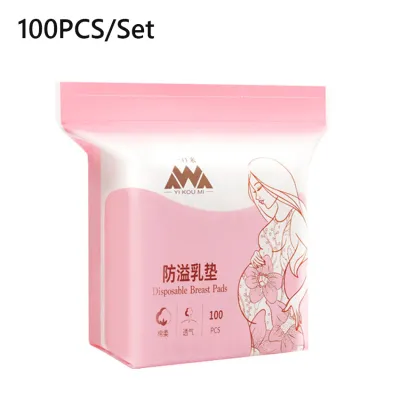
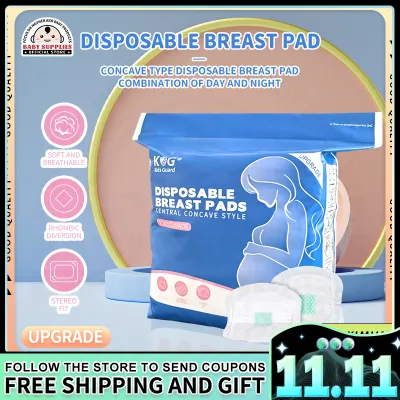
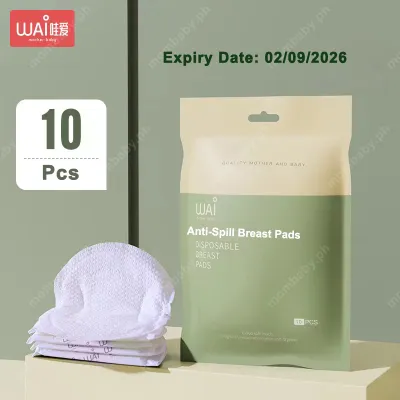
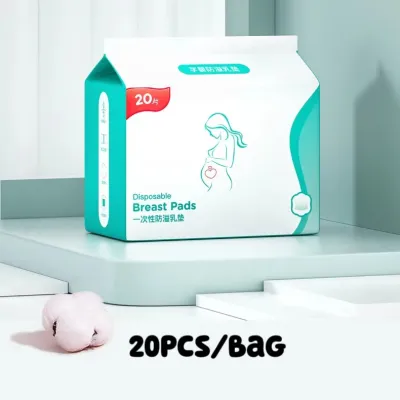
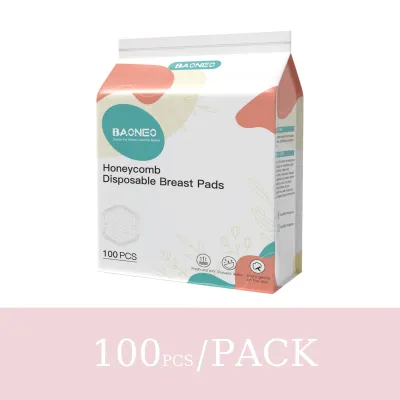
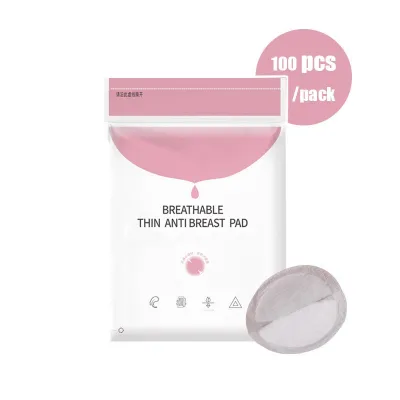
Prices are valid at publication and may change. Please refer to the product page for the latest price.
Breathability is crucial for maintaining skin health, especially in warm climates. The outer backing of a disposable pad must be waterproof to protect your clothing, but it should also allow air to circulate. Look for micro-porous or breathable outer membranes. Without proper ventilation, trapped heat and moisture create a breeding ground for bacteria and yeast, increasing the risk of thrush or painful skin irritation.
The physical shape of the pad affects both comfort and discretion. Flat, circular pads tend to bunch up and create visible lines under fitted shirts or thin nursing bras. Contoured or 3D-designed pads feature darts or curved edges that naturally cup the breast. This contoured shape provides a more secure, low-profile fit that remains virtually invisible under your daily clothing.
Calculating True Value in 100-Piece Packs
To determine the true cost-effectiveness of a 100-piece pack, start by calculating the price per individual pad. Divide the total price of the box in ₱ by 100. Compare this unit price against smaller trial packs of the same brand. While bulk packs generally offer a lower per-unit cost, the savings are only real if the pad performs well enough to limit your daily usage.

Consider the hidden costs associated with low-quality pads. If a cheaper pad leaks, you face the added expense of ruined clothing, frequent laundry cycles, and the inconvenience of changing your outfit mid-day. Furthermore, if you must change a low-capacity pad six to eight times a day, a more expensive, highly absorbent pad that only needs to be changed three or four times actually costs less in the long run.
Packaging integrity is another vital factor when buying in bulk. In humid environments, open boxes of loose pads can absorb moisture from the air before you even use them. Look for 100-piece packs where each pad is individually wrapped in a sealed plastic or waterproof sleeve. This ensures that every pad remains sterile, dry, and hygienic until the moment you open it, even if stored in a humid bathroom or diaper bag.
Ultimately, value is a balance of performance and price. A slightly higher upfront cost for a reputable bulk pack often translates to reliable leak protection, better skin safety, and fewer daily changes. Investing in quality materials reduces the overall volume of pads you consume, saving you money and reducing waste over your entire breastfeeding experience.
Matching Pad Features to Your Breastfeeding Routine
Your daily routine and milk supply should dictate the type of bulk pad you choose. During the early postpartum weeks, your milk supply is still regulating, and let-downs can be sudden and heavy. During this phase, prioritize high-capacity pads with thick polymer cores that can handle sudden surges of milk without leaking.
As your supply stabilizes or when you return to work, your needs may shift toward discretion and comfort. For active days outside the home, ultra-thin disposable pads are ideal. These pads use advanced, compressed polymer layers to offer reliable absorbency without the bulk, allowing you to wear fitted professional attire or casual clothing with confidence.
If you have sensitive skin, eczema, or are recovering from cracked nipples, the material touching your skin is paramount. Look for bulk packs that specify hypoallergenic, unbleached, or organic cotton top sheets. Avoid pads with added fragrances or chemical deodorizers, as these can easily irritate delicate breast tissue and potentially affect your baby during nursing.
Be cautious about buying multiple 100-piece packs before your milk supply has fully regulated. Your lactation patterns will change over time, and a pad that works perfectly in week two might feel like overkill by month four. Start with a single bulk pack to assess your ongoing needs before stocking up on multiple boxes.
What to Verify Before Buying in Bulk
Before committing to a large 100-piece purchase, carefully inspect the manufacturer’s product labels. Verify the material composition, checking for breathable back sheets and soft, non-woven top layers. Look for clear instructions on proper application and disposal to ensure you use the product safely.
Read verified customer reviews on online marketplaces, paying close attention to feedback from users living in warm, humid regions. Search specifically for complaints regarding adhesive failure, clumping, or skin rashes. Real-world feedback often reveals how a pad performs under daily physical activity and sweating.
Never buy a 100-piece pack of an unfamiliar brand without testing it first. If possible, purchase a smaller trial pack of 10 or 20 pads to evaluate the fit, comfort, and adhesive strength on your own body. Testing a small sample prevents the waste of money and materials if the pad shape or material does not suit your anatomy.
Finally, check the packaging for a manufactured date, expiration date, or recommended shelf life. While disposable breast pads do not spoil like food, the adhesive strips and superabsorbent polymers can degrade over several years, especially when exposed to high humidity and fluctuating temperatures during storage.
Frequently Asked Questions (FAQ)
How often should I change a disposable breast pad?
To maintain optimal skin health and hygiene, you should change your disposable breast pad as soon as it feels damp or immediately after a heavy let-down or feeding session. Leaving a wet pad against your skin for extended periods creates a warm, moist environment that encourages the growth of bacteria and fungi, such as Candida, which can cause thrush. Even if the pad does not feel fully saturated, regular changes every three to four hours during peak lactation are recommended. If you experience persistent skin irritation, soreness, or signs of infection, stop using the pads and consult a healthcare professional or lactation consultant for personalized guidance.
Can I use standard 100-piece disposable pads overnight?
Standard daytime disposable breast pads are generally not designed to handle the continuous, heavy milk flow that can occur during long sleep periods. Because you remain in a lying position for hours, milk can pool at the edges of a standard pad, leading to side leaks and damp bedding. Furthermore, wearing a standard thin pad overnight increases the risk of skin maceration due to prolonged moisture contact. For nighttime use, it is highly recommended to look for dedicated overnight breast pads, which feature a wider surface area, contoured shapes designed for side-sleeping, and a significantly higher absorbency capacity to keep your skin dry until morning.

Community discussion
Share your experience or ask a question. Comments are reviewed before publication.