
Choosing the right breast pads in the Philippines requires balancing your daily milk flow, skin sensitivity, and budget against the challenges of a hot and humid tropical climate. Because every mother’s breastfeeding journey is unique, the ideal breast pad is one that keeps you dry, prevents embarrassing leaks, and protects your skin from irritation without straining your household budget. By understanding your specific leakage patterns and evaluating the structural design of both disposable and reusable options, you can confidently select a product that fits your lifestyle, whether you are managing a heavy let-down at work or seeking gentle comfort at home.
Identifying Your Breastfeeding and Leakage Needs
To find the most effective breast pad, you must first assess your typical milk flow volume, which naturally fluctuates throughout your breastfeeding journey. Some mothers experience heavy leaking, where milk let-down occurs spontaneously on both sides during feeding or pumping, often soaking through regular clothing within minutes. Others may only experience moderate flow or light spotting, which typically happens during the first few weeks postpartum as the body calibrates its milk supply, or during long stretches between nursing sessions. Keeping a simple mental log of how often you feel damp or need to change your clothing can help you establish your baseline flow category.
Skin sensitivity is another critical factor to evaluate, particularly in a tropical environment where heat and sweat can exacerbate friction. If you notice redness, itching, or a burning sensation around your nipples, your skin may be reacting to moisture buildup or rough materials. The combination of trapped breast milk and high humidity creates a prime environment for skin maceration, which weakens the skin barrier and makes it highly susceptible to irritation. Paying close attention to how your skin feels after wearing a pad for a few hours will indicate whether you need to prioritize specialized hypoallergenic materials.
Products mentioned in this guide
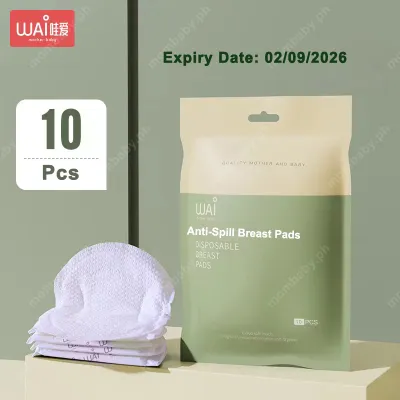
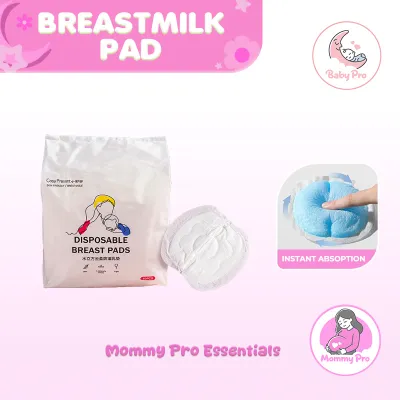
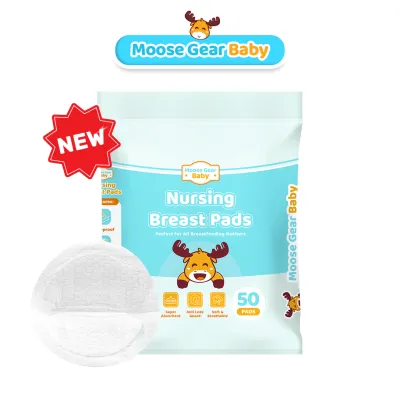
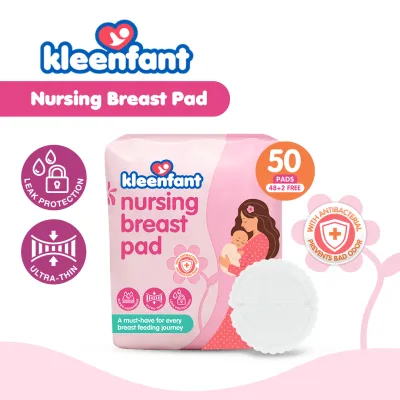
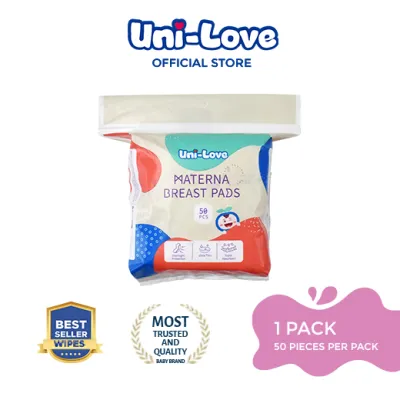
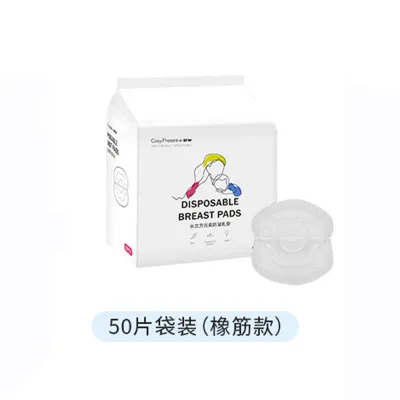
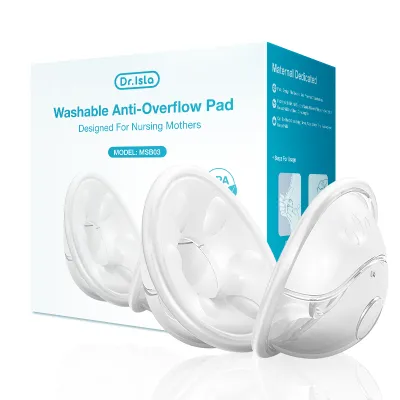
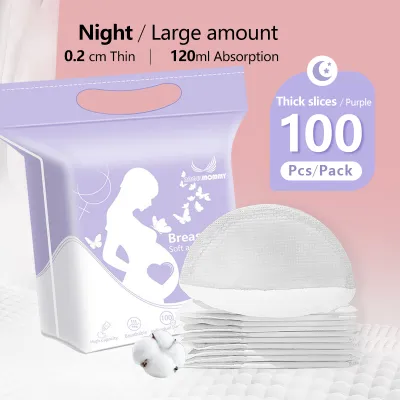
Prices are valid at publication and may change. Please refer to the product page for the latest price.
Your daily routine, work environment, and sleep habits also dictate your breast pad requirements. A mother returning to an office environment or spending long hours commuting in transit will need highly reliable, discreet pads with strong adhesive backings to prevent shifting and visible wet spots. Conversely, a mother who stays at home may prioritize breathable, easily washable options that offer maximum comfort during frequent nursing sessions. For nighttime wear, the focus shifts toward high-capacity absorption and secure positioning, as sleeping positions can cause pads to shift, leading to leaks that stain bedsheets.
Essential Features to Evaluate in Breast Pads
When shopping for breast pads, reading the product packaging and labels carefully will help you identify key structural features that ensure performance and comfort. The primary component to evaluate is the absorbent core, which is responsible for drawing moisture away from the skin. High-quality pads often utilize superabsorbent polymers or multi-layered natural fibers that lock liquid inside, keeping the surface layer dry to the touch. A reliable leak-proof outer barrier, usually made of a breathable laminate material, is equally essential to prevent liquid from seeping onto your brassiere or outer clothing.

Breathability is a non-negotiable feature, especially in warm climates, as it allows air to circulate and helps keep the skin dry. Look for packaging descriptions that explicitly mention breathable outer backings or micro-perforated layers, which prevent heat and humidity from becoming trapped against your breast. Additionally, the physical shape of the pad plays a significant role in both comfort and discretion. Contoured or three-dimensionally molded designs conform naturally to the curve of your breast, reducing bulkiness under clothing and minimizing the risk of the pad bunching up or folding over.
Adhesive strips are another practical feature to check, particularly on disposable pads. Look for products that feature wide, double adhesive tapes rather than a single small strip, as double adhesives provide a much more secure grip on the inside of your nursing bra. Finally, always verify the material composition listed on the packaging. Ensuring that the top sheet—the layer in direct contact with your nipple—is made of non-woven, ultra-soft fibers or organic materials will help you avoid unnecessary friction and chemical irritation from synthetic additives.
Matching Pad Features to Your Specific Needs
Once you have assessed your personal leakage patterns and understood the essential features of breast pads, you can begin matching these characteristics to your specific daily requirements. Narrowing down your choices based on your primary concern—whether it is managing a heavy flow, protecting highly sensitive skin, or staying within a strict budget—will help you build a practical and effective shortlist.
Solutions for Heavy Milk Flow and Frequent Leaking
For mothers dealing with heavy milk flow, the primary objective is maximum absorption and robust leak prevention. You should prioritize breast pads designed with multi-layer absorbent cores that can quickly draw in large volumes of liquid and distribute it evenly to prevent pooling. A waterproof or water-resistant outer lining is absolutely critical here, acting as a final shield to protect your clothing from sudden, heavy let-downs during the day or night.
To prevent the pad from shifting under the weight of absorbed milk, look for options with wider coverage areas and robust, dual-adhesive tabs. A larger diameter ensures that even if the pad moves slightly, it will still cover the nipple and surrounding area effectively. It is also wise to check the manufacturer’s guidelines regarding the pad’s fluid capacity and recommended change frequency, keeping in mind that even the most absorbent pads should be replaced regularly to maintain hygiene and skin health.
Options for Sensitive Skin and Nipple Comfort
If you have sensitive skin or are experiencing soreness and cracking during the early weeks of breastfeeding, your choice of breast pad should focus on minimizing friction and heat retention. Prioritize pads that feature ultra-soft, non-woven top sheets or are crafted from natural, hypoallergenic fibers such as organic cotton or bamboo. These materials are gentler on delicate skin and are less likely to cause micro-abrasions when the pad is removed.
Carefully inspect product descriptions to avoid pads with rough, raised seams, strong synthetic fragrances, or completely non-breathable plastic backings, as these elements can quickly trigger contact dermatitis or trap moisture, worsening nipple soreness. Opting for contoured, molded designs that do not have flat, stiff edges will help prevent direct rubbing against the nipple. Some specialized pads also feature a central dimple or recess designed specifically to reduce contact pressure on sensitive nipple tips.
Choices for Budget-Conscious and Everyday Use
Managing the ongoing cost of baby essentials is a priority for many families, and finding cost-effective breast pads does not mean you have to compromise on basic hygiene. For light to moderate flow days, or when you are spending the day at home and can change your pads more frequently, basic disposable pads with standard absorbency and reliable breathability are highly practical. These everyday options provide sufficient protection without the premium price tag of ultra-thin or high-capacity specialty pads.
To achieve significant long-term savings, consider transitioning to reusable, washable cloth breast pads. While they require an upfront investment, reusable pads can be washed and worn hundreds of times, drastically reducing your monthly expenses. When comparing different brands, take a moment to calculate the cost-per-pad by dividing the total price in ₱ by the number of pads in the pack. This simple calculation will help you determine whether buying bulk packs offers better value over smaller trial sizes, allowing you to budget effectively.
Disposable vs. Reusable Breast Pads: Making the Right Choice
Deciding between disposable and reusable breast pads involves weighing convenience, lifestyle, and long-term costs against your daily routine. Disposable breast pads offer unmatched convenience, making them the preferred choice for working mothers, travel, or busy days away from home. They are individually wrapped, hygienic, and can be easily discarded after use, eliminating the need to carry damp pads in your bag. For mothers with exceptionally heavy flow, high-quality disposables often provide superior, reliable dryness because their polymer cores lock moisture away more efficiently than standard cloth fibers.
On the other hand, reusable cloth breast pads, typically made of bamboo, cotton, or microfiber, are highly valued for their environmental sustainability and long-term cost-effectiveness. They are incredibly soft against the skin, trap less heat, and do not generate daily waste. Some mothers also use reusable silicone pads, which work by applying gentle pressure to the nipple to temporarily stop milk flow rather than absorbing it. However, silicone pads are generally best suited for light leaking or short outings, as they do not absorb moisture and can trap sweat if worn for extended periods in warm weather.
If you choose reusable cloth pads, maintaining strict hygiene through proper washing and drying is vital, especially in the humid Philippine climate. Damp cloth pads can easily become a breeding ground for bacteria and fungi if not cleaned thoroughly. Wash them after every use using a mild, fragrance-free detergent, and ensure they are completely dry before storing or wearing them again. Line drying them under direct sunlight is highly recommended as it helps naturally sanitize the fabric, but during the rainy season, you must ensure they are dried completely in a well-ventilated area or a clothes dryer to prevent mold growth.
Safe Usage and Hygiene Practices
Regardless of the type of breast pad you choose, practicing safe usage and maintaining excellent hygiene is essential to protect your skin and ensure your baby’s milk remains uncontaminated. The most critical rule of breast pad safety is to change your pads promptly as soon as they feel damp. Leaving a wet pad against your breast for prolonged periods creates a warm, moist environment that encourages the rapid growth of bacteria and yeast, which can lead to painful infections like thrush or mastitis.
Proper positioning is also key to preventing discomfort and ensuring maximum effectiveness. When placing the pad inside your bra, make sure your nipple is centered directly on the softest, most absorbent part of the pad. Smooth out any wrinkles or folds, as uneven surfaces can rub against sensitive skin and cause painful friction sores. If you are using disposable pads, secure the adhesive strips firmly to the bra cup to prevent the pad from folding over or shifting out of place as you move or adjust your clothing for nursing.
While minor skin adjustment is normal in the first few weeks of breastfeeding, persistent discomfort is a sign that something is wrong. If you develop a persistent rash, intense itching, cracked skin that does not heal, or shooting pains in your breast during or after feeding, stop using your current breast pads immediately. These symptoms may indicate an allergic reaction to the pad’s materials or a localized infection. In such cases, consult a lactation consultant or a healthcare professional promptly to receive an accurate diagnosis and appropriate treatment.
Purchasing Checklist for Shoppers in the Philippines
When shopping for breast pads through local pharmacies, baby boutiques, or online marketplaces, taking a few precautionary steps will ensure you receive authentic, safe, and high-quality products. Use this checklist to guide your purchasing decisions:
- Verify Packaging Integrity: Upon receiving your order, inspect the box or plastic packaging to ensure it is completely sealed and undamaged. For disposable pads, check that individual wrappers are intact to guarantee sterility.
- Check Manufacturing and Expiry Dates: Look for clearly printed manufacturing dates on the packaging. Avoid using products that have been stored for several years, as adhesives can degrade and materials may lose their structural integrity over time.
- Read the Material List: Ensure the packaging lists all materials used, particularly for the top sheet. Avoid products that do not clearly state their material composition or those that contain added synthetic fragrances.
- Buy from Authorized Sellers: To protect yourself from counterfeit products, purchase directly from official brand stores, established local pharmacies, or reputable online mall sellers with verified ratings.
- Start with Trial Packs: Before committing to a large bulk purchase, buy a small pack of 10 to 12 pads to test how your skin reacts to the material and to evaluate if the absorbency matches your daily milk flow.
Frequently Asked Questions (FAQ)
Can I wear breast pads while sleeping?
Yes, you can wear breast pads while sleeping, and doing so is highly recommended if you experience nighttime leaks that stain your bedding. However, because you will be wearing the pads for an extended period, it is crucial to choose highly breathable options with secure adhesive backings to prevent shifting as you roll over. To protect your skin from prolonged moisture exposure, which can cause skin maceration, change your pad immediately before going to bed and as soon as you wake up.
Do I need to use breast pads if I am exclusively pumping?
Yes, many mothers who exclusively pump still find breast pads highly beneficial. Even without direct nursing, your body’s let-down reflex can be triggered by the sound of your baby, a warm shower, or simply reaching your scheduled pumping time, leading to unexpected leaks. Wearing breast pads between pumping sessions protects your clothing from stains, absorbs any residual milk drips after pumping, and provides a soft, protective barrier against friction from your bra.
How do I know if a breast pad is causing a yeast infection?
A breast pad itself does not cause a yeast infection, but a damp pad can create the perfect environment for yeast (Candida) to thrive. Signs of a localized yeast infection, also known as thrush, include persistent itching, burning, shiny or bright red skin on the nipple and areola, and shooting pains deep within the breast during or after feeding. If you experience these symptoms, changing your pad brand will not cure the infection; you must consult a healthcare provider or a lactation consultant for a proper diagnosis and antifungal treatment.
Community discussion
Share your experience or ask a question. Comments are reviewed before publication.