
Choosing the best baby bottle material depends on your specific feeding priorities, lifestyle, and how your baby feeds. Silicone bottles, like the Comotomo feeding bottle, are ideal for babies transitioning from breastfeeding due to their soft, skin-like texture and lightweight, shatterproof design. Glass bottles are the premium choice for parents prioritizing scratch resistance, long-term durability, and pure taste, provided you can handle the heavier weight and risk of breakage. Plastic bottles offer a highly practical, lightweight, and budget-friendly option for travel, daycare, or active outings, though they require strict verification of chemical safety labels and more frequent replacement. Ultimately, the right choice balances your baby’s latch preference with your daily cleaning and sterilization routine.
Comotomo Silicone Bottles: What to Expect and Verify
Silicone has gained massive popularity in modern nurseries, particularly through innovative designs like the Comotomo feeding bottle. This material is prized for its soft, squeezable body that closely mimics the natural feel of breastfeeding. For babies experiencing nipple confusion or transitioning between breast and bottle, the flexible texture provides a familiar tactile experience. Caregivers should observe how their baby interacts with the wide, mound-shaped nipple to ensure a proper, comfortable latch.
The lightweight nature of silicone makes it easy for growing babies to hold their own bottles during feeding sessions. However, the flexible body requires a sturdy collar and a reliable venting system to prevent collapse and minimize air intake. When using these bottles, you must inspect the anti-colic vents located on the nipple ring. Ensure they are clear of milk residue and functioning properly to maintain a consistent milk flow.
Products mentioned in this guide
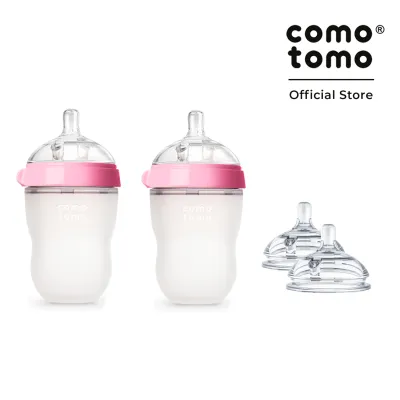
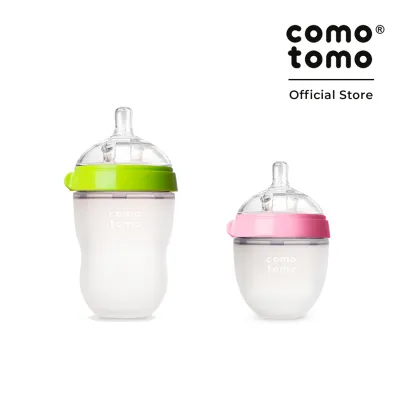
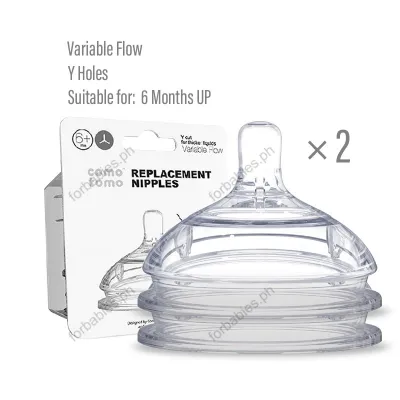
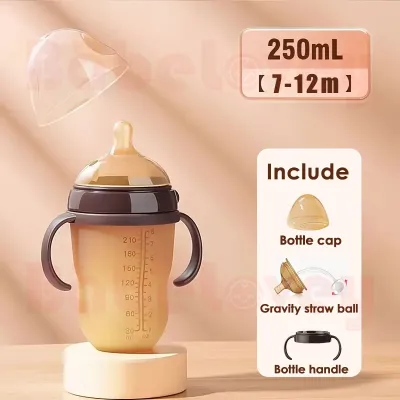
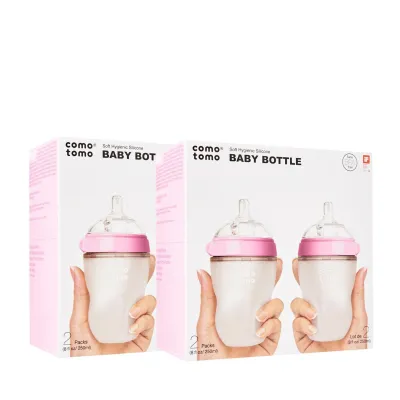
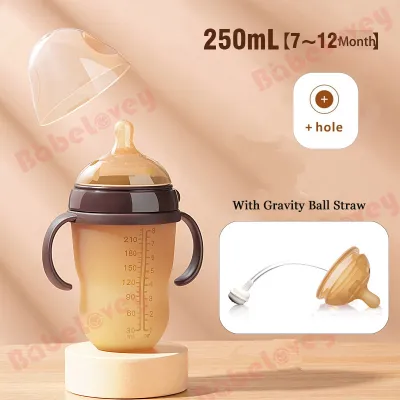
Prices are valid at publication and may change. Please refer to the product page for the latest price.
Heat resistance is another critical factor to verify with silicone. While high-quality silicone can withstand high temperatures, you must consult the manufacturer’s manual for the exact temperature limits of the bottle body, collar, and nipple. This is especially important in tropical climates like the Philippines, where steam sterilizers and boiling water are frequently used to combat humidity-induced bacterial growth. Always verify if your specific sterilization method is approved to prevent premature material degradation.
Glass Baby Bottles: What to Expect and Verify
Glass baby bottles represent the traditional standard of infant feeding, valued for their exceptional purity and longevity. Unlike other materials, glass does not absorb odors, retain colors from juices or milk fats, or scratch during vigorous scrubbing. This makes visual inspection incredibly straightforward, allowing you to easily confirm that no milk residue remains in the corners after washing.

However, the primary trade-offs of glass are its weight and fragility. Glass bottles are significantly heavier than silicone or plastic alternatives, which can make independent feeding difficult or unsafe for older babies. A dropped glass bottle can shatter instantly, creating a safety hazard in your home. Caregivers must establish a strict routine of inspecting glass bottles before every single feed, looking closely for micro-cracks, chips, or internal stress fractures that could compromise structural integrity.
To mitigate the risk of breakage, many parents opt for protective accessories. You should verify whether your chosen glass bottle comes with a silicone sleeve or if one must be purchased separately. These sleeves provide a non-slip grip and absorb minor impacts, but they also require separate care. Moisture can easily become trapped between the glass and the sleeve, creating a breeding ground for mold in humid environments, so regular disassembly and thorough drying are essential.
Plastic Baby Bottles: What to Expect and Verify
Plastic baby bottles remain a staple for many households due to their unmatched convenience and cost-effectiveness. They are incredibly lightweight, virtually shatterproof, and highly portable, making them the preferred choice for travel, daycare drop-offs, or busy days running errands. For older infants who prefer to hold their own bottles, plastic offers a safe, drop-resistant option that minimizes feeding-time stress.
Despite their convenience, plastic bottles require the most rigorous safety verification. You must carefully inspect the packaging and product labels to confirm they are certified BPA-free, BPS-free, and made from food-grade plastics like polypropylene (PP) or polyphenylsulfone (PPSU). Do not assume all clear plastics are identical; different plastic types have vastly different heat tolerances and chemical compositions.
Wear and tear is a significant consideration for plastic bottles, as they are highly susceptible to micro-scratches from bottle brushes. These tiny scratches can harbor bacteria and milk proteins, making thorough cleaning difficult over time. Caregivers must regularly inspect plastic bottles for signs of aging, such as persistent cloudiness, stubborn odors, or physical scratches. When these signs appear, it is an immediate signal that the bottle needs to be replaced to maintain proper hygiene.
Head-to-Head Comparison: Safety, Durability, and Maintenance
When comparing silicone, glass, and plastic head-to-head, safety and heat response are paramount. Glass offers the highest natural heat tolerance, allowing it to transition from cold temperatures to boiling water without risk of chemical leaching or warping. Silicone also boasts excellent heat resistance, but it can absorb soapy scents or food odors if exposed to certain detergents or high-heat drying cycles. Plastic is the most sensitive to heat; frequent exposure to boiling water or steam sterilization can accelerate the breakdown of the material, requiring caregivers to strictly monitor sterilization temperatures.
Durability and lifespan vary dramatically across these three options. Glass bottles can theoretically last indefinitely, passing down through multiple children, provided they do not chip or break. Silicone is highly durable and resistant to tearing, making it an excellent long-term investment that will not shatter when dropped. Plastic has the shortest lifespan of the three, as it degrades under UV light, heat, and mechanical scrubbing, necessitating regular replacements every few months.
Cleaning efficiency is heavily influenced by the design and material properties of each bottle. Silicone bottles, such as the Comotomo feeding bottle, often feature a wide-neck design with minimal parts, making them easy to hand-wash without specialized brushes. Glass bottles are also easy to clean due to their smooth, non-porous surface, though their weight requires careful handling in a wet sink. Plastic bottles often feature more complex venting systems and narrower necks, requiring dedicated bottle brushes and extra care to avoid scratching the inner walls during cleaning.
Decision Framework: Which Material Fits Your Feeding Routine?
To choose the right bottle material, you must evaluate your daily routine, your baby’s developmental stage, and your household setup.
- Choose Silicone if:
- Your baby is transitioning from breastfeeding and benefits from a soft, squeezable bottle body.
- You want a lightweight, unbreakable bottle that your baby can safely learn to hold independently.
- You prefer a wide-neck design that simplifies hand-washing and reduces the need for multiple cleaning tools.
- Choose Glass if:
- You prioritize maximum chemical purity, scratch resistance, and a material that does not retain odors or stains.
- Most feedings occur at home where the bottle can be handled safely over soft surfaces.
- You do not mind the heavier weight and are willing to perform routine checks for chips and cracks.
- Choose Plastic if:
- You need a highly portable, lightweight, and budget-friendly option for travel, outdoor trips, or daycare.
- You want a completely shatterproof bottle for an active older baby who frequently drops things.
- You are prepared to monitor the bottles for wear and commit to a regular replacement schedule.
- Verify first if:
- Your baby experiences severe colic or reflux, as you will need to ensure the bottle's venting system matches their feeding pace, regardless of the body material.
Sterilization and Daily Care: Following Manufacturer Instructions
Proper sterilization and daily care are essential to protect your baby’s health and extend the lifespan of your feeding bottles. Before choosing a sterilization method, you must cross-reference your bottle’s user manual with your sterilizer’s specifications. While steam and boiling water are generally safe for glass and high-grade silicone, certain plastics and silicone components can warp or degrade under intense UV sterilization or prolonged boiling.
It is crucial to remember that different parts of a single bottle assembly often have different material properties and heat tolerances. For instance, the silicone nipple, the plastic collar ring, and the bottle body may require separate cleaning protocols. Always check the manufacturer’s labels to verify if the plastic collar can withstand the same high temperatures as the silicone body or glass container.
Establish a consistent inspection routine during your daily washing process. Before and after every wash, perform a quick visual and tactile check of all components. Feel the silicone nipples for any stickiness or thinning, inspect glass bottles for hairline fractures, and look closely at plastic bottles for cloudiness or deep scratches. If any component fails this inspection, discard it immediately to ensure a safe feeding experience.
Frequently Asked Questions (FAQ)
Can I mix silicone, glass, and plastic bottles for the same baby?
Yes, you can use different bottle materials, but consistency in the nipple design is critical. Babies are highly sensitive to the shape, texture, and flow rate of the nipple. If you switch between different bottle brands with varying nipple shapes, your baby may experience nipple confusion or reject the bottle entirely. To minimize feeding disruptions, keep the nipple brand, shape, and flow level consistent, even if you are experimenting with different bottle body materials like silicone, glass, or plastic.
How do I know when it is time to replace a silicone or plastic bottle?
You should replace bottles and nipples based on visible signs of wear and manufacturer guidelines. For silicone bottles and nipples, look for stickiness, discoloration, swelling, or tiny tears, which indicate the material is breaking down. For plastic bottles, replace them immediately if you notice deep scratches, persistent cloudiness, stubborn odors, or warping. Glass bottles do not need regular replacement unless you detect chips, cracks, or deep scratches that could lead to breakage. Always follow the manufacturer’s recommended timeline, typically replacing silicone nipples every two to three months.

Community discussion
Share your experience or ask a question. Comments are reviewed before publication.