
Choosing the right oral care products for your child is a foundational step in establishing a lifetime of healthy smiles. When navigating the Colgate baby product lineup, the selection process depends on matching the specific toothbrush design and toothpaste formulation to your child’s age, physical development, and ability to spit. By understanding how these products align with developmental milestones—from the first toothless smile to a toddler’s independent brushing attempts—you can confidently select the safest and most effective options for your family’s daily routine.
Understanding Your Child's Oral Care Needs by Stage
A child’s oral cavity undergoes rapid changes during the first three years of life, requiring parents to adapt their hygiene strategies accordingly. Before the first tooth erupts, usually around the six-month mark, the primary focus is on gum care. In warm, tropical climates like the Philippines, high humidity and ambient temperatures can cause milk residues from breast milk or formula to spoil quickly if left on the tongue and gums. This makes regular cleaning after feedings essential for preventing oral thrush and maintaining a fresh, healthy environment for future teeth.
When the first primary tooth breaks through the gums, the oral care dynamic shifts from simple wiping to active brushing. This milestone is often accompanied by teething discomfort, drooling, and a natural urge to chew on hard objects. Introducing a toothbrush at this stage serves a dual purpose: it gently cleans the newly exposed enamel and provides a soothing massage to tender, inflamed gums. It also begins the crucial process of desensitizing the child to the sensation of having a brush in their mouth.
Products mentioned in this guide
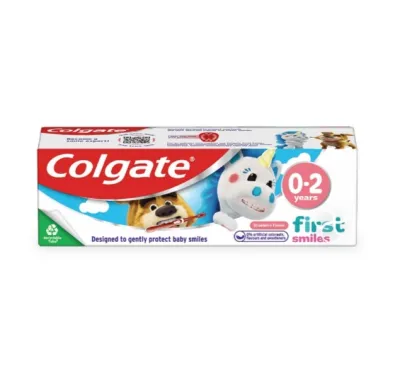
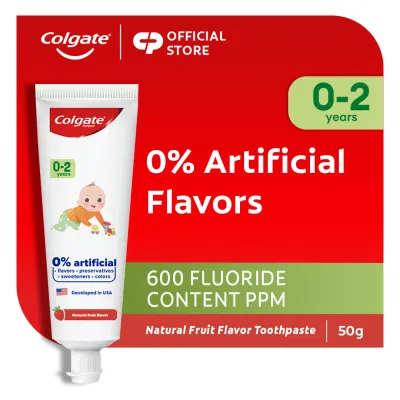
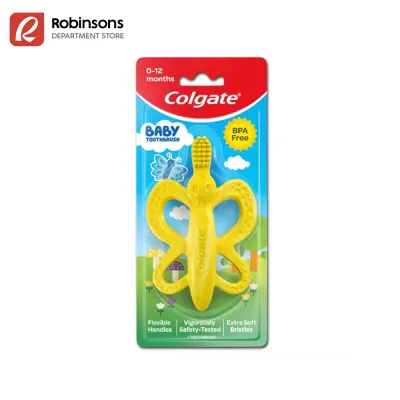
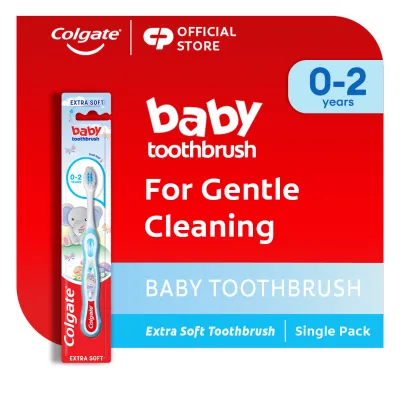
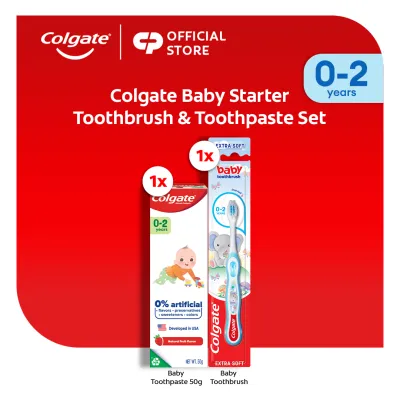
Prices are valid at publication and may change. Please refer to the product page for the latest price.
As your child transitions into toddlerhood, between one and three years of age, more primary teeth will emerge in rapid succession. This stage is characterized by a growing desire for independence, which often manifests as resistance to parental brushing. The oral care goal during these years is to build a consistent, twice-daily brushing habit while ensuring that all tooth surfaces—especially the hard-to-reach back molars—are thoroughly cleaned to prevent early childhood caries.
Choosing the Right Colgate Baby Toothbrush
Selecting a toothbrush requires careful attention to the physical characteristics of the brush head and handle. For infants and toddlers, the brush head must be exceptionally small and compact to navigate the tight spaces of a developing mouth. Standard adult or even older children’s toothbrushes are too large and can easily bruise the delicate inner cheeks or gums, leading to a negative association with brushing. The bristles must be labeled as extra soft or ultra soft, featuring rounded tips that sweep away plaque without scratching the thin, developing enamel of primary teeth.

The design of the toothbrush handle is equally important and should match who is doing the brushing. For infants, the parent is entirely responsible for the cleaning process. A toothbrush with a longer, ergonomic handle allows adult hands to maintain a secure, steady grip and reach the back of the baby’s mouth comfortably. Conversely, as toddlers begin to assert their independence, they require a toothbrush with a short, chunky, and slip-resistant handle. These handles are designed to fit the limited grip strength and developing motor skills of small hands, allowing them to practice brushing under close supervision.
Parents often wonder when to transition from a silicone finger brush to a traditional nylon-bristled toothbrush. Silicone finger brushes are excellent tools for newborns and early teethers, as they are highly flexible and gentle on bare gums. However, once multiple teeth begin to erupt and touch one another, the thick silicone bristles can no longer reach the tight spaces between the teeth. This is the clear indicator that it is time to transition to a standard baby toothbrush with fine, extra-soft nylon bristles, which are far more effective at disrupting plaque biofilm along the gumline.
Selecting the Appropriate Colgate Baby Toothpaste
The choice of toothpaste is primarily governed by your child’s age and their ability to spit out excess product. For infants and young toddlers who have not yet mastered the swallowing reflex, training toothpastes are the standard recommendation. These formulations are typically fluoride-free, meaning they are safe if swallowed in small quantities during the learning process. They rely on gentle cleaning agents to remove plaque without the risk of systemic fluoride ingestion, which can lead to dental fluorosis in developing permanent teeth.
As your child grows and learns to reliably spit out toothpaste, you can transition to a mild fluoridated toothpaste, as recommended by your pediatric dentist. When evaluating Colgate baby toothpaste options on store shelves or online marketplaces, always check the product labels for age recommendations and ingredient safety. Look for formulations that are free from artificial flavors, synthetic colors, and aggressive foaming agents like sodium lauryl sulfate (SLS), which can cause painful mouth sores in sensitive individuals. Mild, natural fruit flavors are generally preferred over strong mint, which toddlers often reject as being too spicy.
Proper dosage is critical to balancing cavity prevention with safety. For children under three years of age, a tiny smear of toothpaste—no larger than a single grain of rice—is all that is needed on the brush. This minimal amount provides sufficient cleaning power while ensuring that even if the child swallows the entire dose, the amount of fluoride ingested is negligible. For children aged three and older who can spit, the dosage can be increased to a pea-sized amount. Parents should always apply the toothpaste themselves to control the portion size.
Age-by-Age Colgate Baby Product Checklist
To simplify your shopping and daily routine, you can use this developmental checklist to match the right product features to your child’s specific age bracket.
0 to 6 Months (The Pre-Teething Stage): During this initial phase, the focus is entirely on oral hygiene and gum stimulation. You do not need toothpaste at this stage. Instead, use a clean, damp washcloth or a soft silicone finger brush designed for infants. Gently wipe your baby’s gums, tongue, and inner cheeks at least twice a day, particularly after the final evening feeding. This simple routine removes milk residue and helps your baby get used to the sensation of oral cleaning early on.
6 to 12 Months (The First Teeth Stage): As the first teeth begin to emerge, transition to a baby toothbrush featuring an extremely small head and extra-soft bristles. Pair this with a fluoride-free training toothpaste. Apply a microscopic smear of toothpaste to the bristles. Gently brush the new teeth using small, circular motions twice a day. Continue to wipe the toothless areas of the gums with a damp cloth to maintain overall oral cleanliness.
1 to 3 Years (The Toddler Stage): With more teeth erupting, look for a toddler toothbrush with a chunky, non-slip grip that allows for co-brushing. This is the stage where your child will want to hold the brush themselves, but they still require you to do the actual cleaning. Check the labels of Colgate baby toothpastes to find a formulation suitable for this age group. If your pediatric dentist advises transitioning to a fluoridated toothpaste, strictly adhere to the rice-grain-sized limit and actively teach your child how to spit out the excess foam after brushing.
Safety, Supervision, and Professional Guidance
Active adult supervision is the single most important factor in ensuring a safe oral care routine. Toddlers lack the coordination to clean their teeth effectively and are prone to swallowing toothpaste or chewing on the brush head, which can damage the bristles and create a choking hazard. Never allow a child to walk, run, or play with a toothbrush in their mouth, as a sudden fall can cause severe oral or throat injuries. Always store toothbrushes and toothpaste out of your child’s reach when not in use.
In the warm and humid climate of the Philippines, proper toothbrush storage is essential for preventing the growth of mold and bacteria. After each use, rinse the toothbrush thoroughly under running water to remove all traces of toothpaste and debris. Shake off excess water and store the brush upright in an open container where it can air-dry completely. Avoid using closed travel caps or storing toothbrushes in damp, enclosed cabinets, as these dark, moist environments promote rapid microbial growth.
Finally, establish a relationship with a qualified pediatric dentist early in your child’s life. The general consensus among dental professionals is to schedule the first dental visit by the child’s first birthday, or within six months of the eruption of their first tooth. A pediatric dentist can monitor jaw development, provide personalized guidance on fluoride use based on your local water supply, and identify early signs of decay. If you notice any unusual spots on your child’s teeth, bleeding gums, or persistent teething distress, consult a professional promptly.
Frequently Asked Questions (FAQ)
Can my toddler use regular adult toothpaste?
No, toddlers should not use regular adult toothpaste. Adult formulations are designed for mature permanent teeth and often contain high concentrations of fluoride that are unsafe for young children who tend to swallow toothpaste. They also contain stronger abrasives that can wear down the thin, delicate enamel of primary teeth, as well as intense mint flavors and foaming agents that can irritate a toddler’s sensitive mouth. Always choose a product specifically formulated and labeled for your child’s age group.
How often should I replace my baby's toothbrush?
A baby’s toothbrush should be replaced every three months, or sooner if the bristles show signs of wear, such as splaying, fraying, or bending. Worn bristles lose their ability to clean effectively and can scratch sensitive gum tissue. Additionally, you should replace your child’s toothbrush immediately after they recover from an illness, such as a cold, flu, or throat infection, to prevent the reintroduction of bacteria or viruses into their mouth.

Community discussion
Share your experience or ask a question. Comments are reviewed before publication.