
Deciding between cloth panty diapers and disposable pull-ups is a major milestone in your toddler’s potty training journey. Both options help your child transition from baby diapers to regular underwear, but they require very different commitments of time, money, and daily effort. The right choice depends on your household’s routine, budget, and access to laundry facilities.
In tropical climates where heat and humidity are daily factors, choosing the right training pant also involves keeping your toddler cool and comfortable. A well-fitting panty diaper can prevent chafing during active play, while a highly breathable disposable option can help manage moisture. By evaluating how each type fits into your lifestyle, you can make a practical decision that supports your child’s independence.
Understanding the Basics: Cloth Panty Diapers vs. Disposable Pull-Ups
Cloth panty diapers are reusable, washable training pants designed to look and feel like real underwear. They typically feature a waterproof outer layer and a soft inner lining, often with a pocket design that allows you to slide in absorbent fabric inserts. Because they are elasticated around the waist and legs, toddlers can easily practice pulling them up and down during potty visits.
Products mentioned in this guide
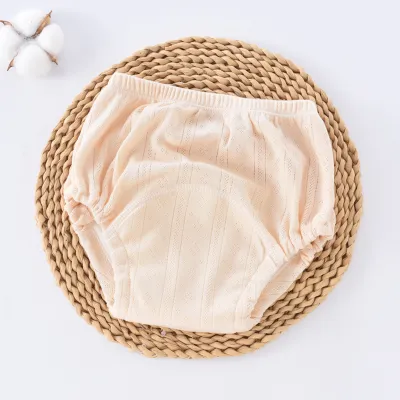
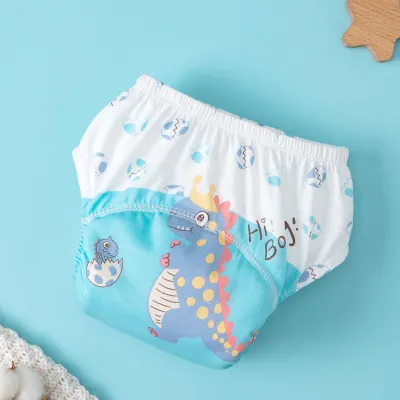
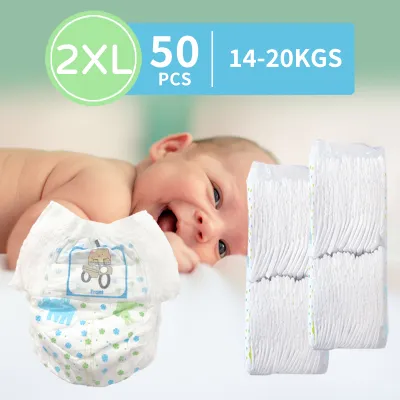
Prices are valid at publication and may change. Please refer to the product page for the latest price.
Disposable pull-ups are single-use training pants made from synthetic materials and superabsorbent polymers. They function similarly to standard disposable diapers but are styled like underwear to encourage independence. Most disposable options feature tear-away side seams, allowing caregivers to remove them quickly and cleanly in the event of a messy accident.
Both options are primarily intended to manage light daytime accidents rather than heavy, continuous wetting. They provide a safety net as your toddler learns to recognize the physical cues of needing to use the toilet. Understanding these basic structural differences is the first step in determining which system aligns with your family’s daily routine.
Cost Comparison: Upfront Investment vs. Long-Term Savings
Evaluating the financial impact of training pants requires looking at both immediate expenses and long-term household budgets. Cloth panty diapers demand a higher upfront investment because you must purchase a complete stash to get started. This initial setup usually includes multiple reusable covers, a collection of absorbent inserts, and waterproof wet bags for storing soiled items when you are away from home.

In contrast, disposable pull-ups operate on a recurring cost structure. You purchase them in packs from local supermarkets or online marketplaces, which means a lower initial layout of cash but a continuous drain on your monthly budget. Over several months of potty training, these regular purchases can accumulate into a significant total expense.
To find your personal break-even point, you can calculate the estimated duration of your toddler’s potty training journey. Compare the one-time cost of a reusable stash against the projected monthly cost of disposable packs multiplied by the number of months you expect to train. Remember to factor in local utility costs, such as water and electricity, which are required to wash cloth options.
An additional financial advantage of cloth panty diapers is their potential for reuse with younger siblings. If you care for the fabric properly, a single stash can last through multiple children, drastically reducing your overall parenting expenses. Even if you plan for only one child, high-quality reusable diapers often retain resale value in local parenting communities.
Convenience and Daily Routine: Washing vs. Tossing
The daily logistics of managing training pants can significantly affect your household’s stress levels. Disposable pull-ups offer unmatched convenience for busy families and active outings. When an accident occurs, you simply tear the sides, roll up the soiled pant, and discard it in the nearest bin, making them highly practical for travel, daycare, or trips to the mall.
Managing a cloth panty diaper routine requires a structured laundry schedule. After an accident, solid waste must be flushed into the toilet, and the wet diaper must be stored in a sealed wet bag to control odors. You then need to run regular laundry cycles, which involves pre-rinsing, machine washing with a toddler-safe detergent, and drying the garments thoroughly.
In warm, humid environments, drying times can become a major logistical hurdle. While sunny days allow for rapid line-drying, rainy seasons can delay the process, requiring you to have a larger stash of diapers on hand or access to a mechanical dryer. You must assess whether your home infrastructure can comfortably accommodate this extra laundry load.
If you rely on external laundry services, using cloth diapers may become less practical, as many commercial services do not accept soiled reusable diapers. Therefore, having a reliable in-home washing machine and dedicated drying space is often a prerequisite for a successful cloth diapering routine.
Absorbency and Skin Health: What to Check on the Label
Protecting your toddler’s skin from irritation and diaper rash is a top priority during potty training. Disposable pull-ups utilize advanced chemical polymers designed to lock moisture away from the skin instantly. When shopping for disposables, check the product packaging for features like wetness indicators, which change color when wet, and breathable outer covers that promote airflow.
Cloth panty diapers rely on physical layers of fabric to absorb liquid, which means your toddler will feel the sensation of wetness more directly. While this wetness sensation can actually assist with potty training by helping the child connect the physical act with the result, it requires prompt changing to prevent skin irritation. Check the inner lining of cloth diapers to ensure it is made of soft, hypoallergenic, and moisture-wicking fabrics.
Regardless of which option you choose, always verify the product labels for dermatological testing and fragrance-free formulations. Toddlers with sensitive skin can react to added perfumes, dyes, or synthetic materials. Choosing products certified as hypoallergenic can help minimize the risk of contact dermatitis.
Ultimately, the most effective defense against diaper rash is maintaining excellent hygiene and performing frequent changes. Allowing any training pant to remain wet against your toddler’s skin for an extended period can lead to irritation. Establish a routine of checking the diaper regularly, especially during hot and humid afternoons.
Environmental Impact: Waste vs. Water and Energy Use
Every consumer choice carries an ecological footprint, and training pants are no exception. Disposable pull-ups contribute directly to landfill waste, as the synthetic plastics and absorbent polymers they contain do not degrade quickly. For families looking to minimize their physical trash output, the volume of disposables sent to landfills can be a significant concern.
On the other hand, cloth panty diapers impact the environment through the consumption of water, electricity, and laundry detergents. The environmental savings of reusable diapers can be offset if you run frequent, half-empty wash loads or rely heavily on high-energy tumble dryers.
You can mitigate the ecological impact of either choice by adopting mindful habits. If you use disposables, look for brands that utilize chlorine-free processing or sustainably sourced wood pulp. If you choose cloth, wash full loads using cold water, select biodegradable detergents, and take advantage of natural sunlight to line-dry your diapers whenever possible.
How to Decide: A Practical Checklist for Your Family
To finalize your decision, consider how each option aligns with your daily lifestyle and household setup. You do not have to commit exclusively to one system; many families find success by tailoring their choice to specific situations.
Choose cloth panty diapers if:
- You have reliable, in-home laundry facilities and outdoor drying space.
- You want to minimize long-term household expenses and save money for future children.
- You prioritize reducing your household's physical waste and landfill contribution.
- You want your toddler to feel wetness to help accelerate the potty training process.
Choose disposable pull-ups if:
- You travel frequently, spend a lot of time on the go, or rely on external daycare services.
- You lack the time or physical space to manage a consistent, multi-step laundry routine.
- You prioritize maximum convenience and quick, hassle-free cleanups.
- Your toddler is highly prone to skin irritation when exposed to prolonged wetness.
Consider a hybrid approach if you want the benefits of both worlds. Many parents use cloth panty diapers while at home during the day to encourage potty awareness, but switch to disposable pull-ups for nighttime sleep, family outings, and travel. This flexible strategy reduces waste and cost without sacrificing convenience when you are away from home.
Before purchasing any training pants, always check the manufacturer’s specific weight and size charts on the packaging. A proper physical fit around your toddler’s waist and thighs is the single most important factor in preventing leaks and ensuring comfort, regardless of the material you choose.
Frequently Asked Questions (FAQ)
Can my toddler wear cloth panty diapers overnight?
Standard cloth panty diapers are typically designed for daytime use and light accidents, meaning they lack the heavy-duty absorbency required for a full night of sleep. Before attempting overnight use, check the manufacturer’s guidelines to see if the diaper is rated for nighttime wear. You may need to add extra booster inserts made of highly absorbent materials like hemp or bamboo to handle larger volumes of liquid. For heavy wetters, many parents prefer to use specialized overnight cloth setups or highly absorbent disposable pull-ups to ensure uninterrupted sleep and keep the skin dry.
How many cloth panty diapers do I need to buy for potty training?
If you plan to use cloth full-time, you should aim to buy enough pairs to cover two to three days of changes, which typically translates to a stash of 10 to 15 panty diapers. This quantity allows you enough time to wash and dry one batch while your toddler wears another. The exact number you need depends heavily on your child’s current accident frequency and your household’s laundry schedule. It is highly recommended to start with a small test batch of two or three diapers to verify the fit, absorbency, and fabric preference before investing in a full stash.

Community discussion
Share your experience or ask a question. Comments are reviewed before publication.