
Quick Answer: Which Cloth Diaper Fastener Should You Choose?
Choosing the right cloth diaper fastener is one of the most important decisions you will make when building your baby’s diaper stash. The ideal fastener depends heavily on your daily routine, your baby’s developmental stage, and the specific diaper system you choose. In the Philippines, where high humidity, frequent washing, and tropical warmth are part of daily life, selecting a fastener that balances convenience with durability is essential.
Snap fasteners are the gold standard for long-term durability and toddler-proofing, making them ideal if you want a diaper stash that lasts through multiple years of heavy washing. Hook-and-loop closures, commonly referred to as Velcro-style tabs, are perfect for parents and secondary caregivers, such as grandparents or yayas, who prioritize quick, highly adjustable changes that mimic disposable diapers.
For traditional flat or prefold diapers, Snappi grippers offer a modern, stretchable, and pin-free way to secure the fabric safely. Traditional diaper pins remain the most budget-friendly option, especially when using classic cotton lampin, but they require a steady hand and strict adherence to safety protocols.
Products mentioned in this guide
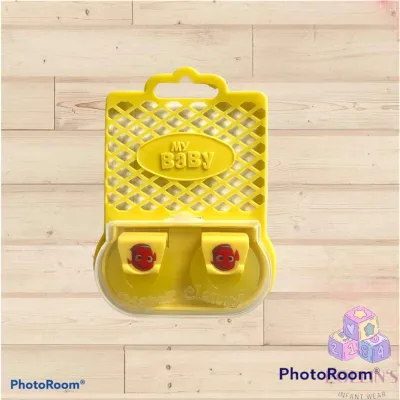
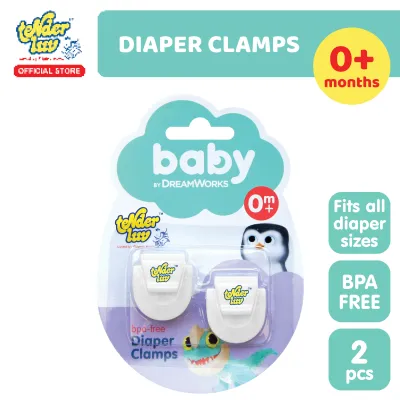
Prices are valid at publication and may change. Please refer to the product page for the latest price.
Snap Fasteners: Durability and Baby-Proofing
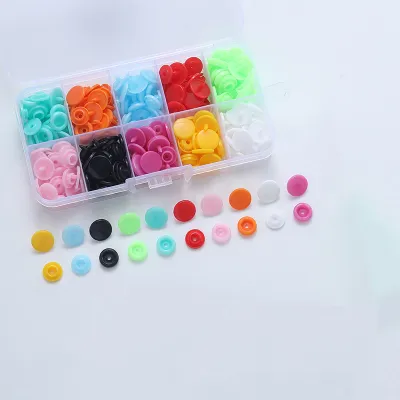
Snap fasteners, often called poppers, are heavy-duty plastic closures permanently attached to the wings and front panels of modern cloth diapers. Typically made from polyacetal resin, a highly durable and lightweight plastic, these snaps are designed to withstand hundreds of wash cycles without losing their grip. Because they are securely studded into the waterproof fabric, they do not require any extra accessories to keep the diaper in place.

One of the greatest advantages of snaps is their exceptional durability. Unlike other fastening systems, high-quality plastic snaps do not wear out easily, collect lint, or snag other garments in the laundry. This makes them highly suited for the tropical climate of the Philippines, where diapers are washed frequently and often line-dried in the sun. However, if you occasionally use a mechanical dryer, always verify the diaper manufacturer’s heat limits, as excessive heat can warp the plastic resin and cause the snaps to lose their secure click.
As babies grow into active toddlers, usually between 10 to 18 months, they often discover how to undo their own diapers. Snaps are highly effective at baby-proofing because they require a level of pinch strength and fine motor coordination that toddlers have not yet developed. This prevents unexpected diaper stripping during playtime or naptime, saving you from messy cleanups.
Despite these benefits, snaps do come with a slight learning curve. Aligning multiple rows of waist and thigh snaps on a squirming, highly active baby can take longer than using a single-pull fastener. Additionally, because snaps are placed at fixed intervals, you may occasionally find your baby between snap sizes, requiring you to adjust the rise snaps or accept a slightly looser or tighter fit until their next growth spurt.
Hook-and-Loop (Velcro-Style) Fasteners: Ease of Use and Custom Fit
Hook-and-loop fasteners consist of two fabric strips: a rough hook side and a soft loop side that press together to create a secure hold. This fastening style is built directly into the waistbands of many pocket, all-in-one, and fitted cloth diapers, providing a user experience that is nearly identical to using single-use disposable diapers.
The primary benefit of hook-and-loop closures is their micro-adjustability. Because there are no fixed setting points, you can pull the tabs to the exact tension needed, ensuring a snug, customized fit around your baby’s waist and legs. This is particularly helpful for newborn babies or infants with unique proportions, such as very petite frames or chunky thighs, where a fraction of an inch makes the difference between a leak-free fit and a blowout.
This familiar design makes hook-and-loop diapers highly accessible for secondary caregivers. Grandparents, babysitters, or nursery staff who are accustomed to disposable diapers can easily perform diaper changes without needing to learn complex snap configurations. This ease of use can significantly lower the barrier to entry for families transitioning to a sustainable diapering routine.
However, hook-and-loop fasteners require diligent maintenance to preserve their functionality. During washing, the hook tabs must be folded back and secured to the diaper’s built-in laundry tabs. Failing to do this can result in a tangled mess in your washing machine, where the hooks snag on other diapers, inserts, or delicate clothing, causing fabric pilling and wear. Over years of heavy use, the loop panels can also accumulate lint, hair, and threads, which gradually reduces their gripping power and may require periodic cleaning or replacement.
Snappi Fasteners: The Modern Grip for Flats and Prefolds
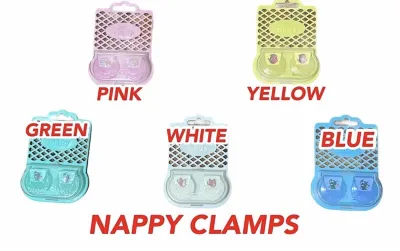
A Snappi is a T-shaped or Y-shaped diaper fastener made from a stretchable, non-toxic polyurethane material. It is designed specifically as an alternative to traditional diaper pins, allowing caregivers to secure flat diapers, prefold diapers, or fitted diapers that do not have built-in closures. It is not used on pocket or all-in-one diaper shells.
The mechanism of a Snappi relies on small, angled teeth located at the ends of its flexible arms. When you stretch the Snappi across the front of a folded cotton diaper, these teeth bite into the woven fabric fibers, holding the diaper snugly in place without puncturing the material. This stretchable tension allows the diaper to move naturally with your baby’s breathing and movements, providing a comfortable yet secure fit.
Safety is a major advantage of the Snappi over open metal pins, as there is no sharp point that can accidentally prick your baby’s skin. However, caregivers must still follow strict safety boundaries. Before every use, inspect the Snappi for any micro-tears, cracking, or thinning of the polyurethane, which can occur over time due to humidity and stretch fatigue. If any damage is visible, stop using it immediately and replace it. Ensure the teeth are fully embedded in the fabric so the fastener does not snap back, and always check that the plastic teeth do not come into direct contact with your baby’s skin.
To ensure complete safety and containment, a Snappi-secured diaper must always be covered with a waterproof diaper cover. The cover acts as a physical barrier, preventing your baby from pulling at the fastener, protecting their skin from the plastic edges, and keeping the wetness fully contained. Note that Snappis work best on loop-textured natural fabrics like cotton terry, birdseye cotton, or traditional lampin, and will not grip effectively on slick synthetic materials like fleece or microfiber.
Traditional Diaper Pins: The Classic, Budget-Friendly Option
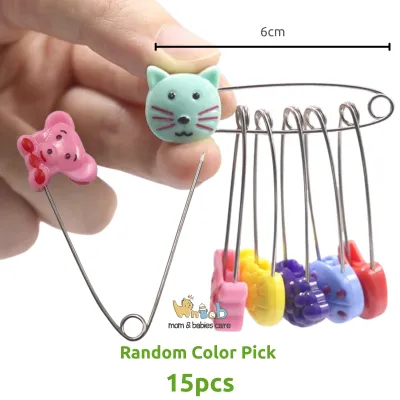
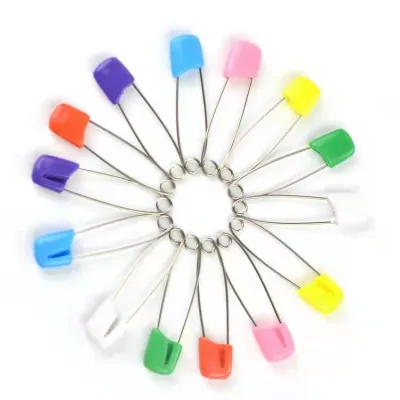
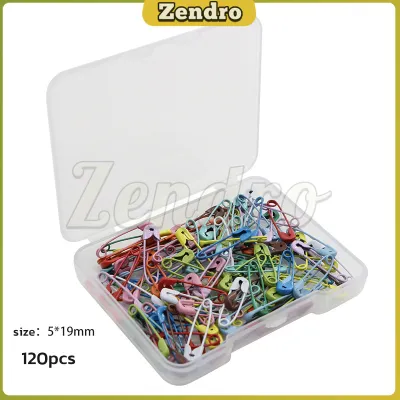
Traditional diaper pins are heavy-duty safety pins specifically manufactured with a molded plastic locking head. These pins have been used for generations to secure flat cotton cloths, such as the classic Filipino lampin, and they remain a reliable, highly cost-effective choice for budget-conscious families.
The most significant advantage of diaper pins is their low cost and universal versatility. A single set of high-quality stainless steel pins costs very little, yet they can be used with any folding style or diaper size from birth to potty training. Because they are made of metal and durable plastic, they do not degrade in the wash, warp from line-drying in the sun, or lose their grip over time, making them virtually indestructible.
However, using diaper pins carries inherent safety risks that require undivided attention during every diaper change. The primary risk is accidentally pricking your baby or yourself with the sharp point. To minimize this risk, always follow a strict safety protocol: slide the index and middle fingers of your non-dominant hand underneath the diaper fabric, resting them gently against your baby’s skin. Insert the pin through the fabric layers, using your fingers as a physical shield to protect the baby. If the pin slips, it will press against your hand rather than your baby’s body.
Additionally, always ensure the plastic safety cap is slid fully into the locked position before letting go. Never leave a pinned diaper unattended, and keep spare pins completely out of reach of children. Regularly inspect the pins for any signs of rust, bending, or loose plastic caps. If the safety clasp becomes loose, cracked, or damaged, stop using the pin immediately and discard it to prevent accidental opening.
Side-by-Side Comparison of Cloth Diaper Fasteners
To help you visualize how these four fastening methods compare, the table below outlines their performance across key decision dimensions:
| Fastener Type | Best Used For | Ease of Use | Durability | Baby-Proofing | Maintenance Needs |
|---|---|---|---|---|---|
| Snap Fasteners | Pocket, AIO, and AI2 diapers; active toddlers | Moderate (requires practice) | High (withstands years of washing) | High (very difficult for toddlers to open) | Low (check heat limits if machine drying) |
| Hook-and-Loop | Fitteds, covers; quick changes; multiple caregivers | High (similar to disposable tape) | Moderate (hooks can wear out over time) | Low (toddlers can easily pull open) | High (must secure laundry tabs before washing) |
| Snappi Grippers | Prefolds, flats, and fitteds without closures | Moderate (simple stretch and grip) | Moderate (polyurethane degrades over time) | High (when tucked securely under a cover) | Moderate (inspect regularly for wear/tears) |
| Traditional Pins | Budget flat diapering (lampin); custom folds | Low (requires high care and technique) | High (rust-resistant stainless steel) | High (when locked properly under a cover) | High (regular safety checks of the locking head) |
When choosing a diapering system, keep in mind that many modern cloth diapers come with only one type of built-in fastener. For example, pocket diapers are typically manufactured with either snaps or hook-and-loop closures. Therefore, deciding on your preferred fastener type is often a necessary prerequisite before purchasing your diaper stash. Always check the specific manufacturer’s product documentation to understand the exact fastener specifications and care guidelines.
Final Decision Guide: Match the Fastener to Your Routine
To finalize your diapering strategy, consider how each fastener fits into your daily household routine, budget, and laundry setup.
- Choose Snaps if: You want a highly durable, low-maintenance diaper stash that can last from infancy through potty training and be passed down to future siblings. Snaps are also the best choice if you have an active toddler who frequently tries to remove their diaper, or if you prefer a simple washing routine without worrying about laundry tabs snagging your clothes.
- Choose Hook-and-Loop if: You prioritize fast diaper changes, especially during late-night feedings, or if you need a system that is easy for grandparents, yayas, or daycare staff to use. This option is also ideal if your baby is in between sizes and you require micro-adjustments around the waist and legs to prevent leaks.
- Choose Snappi if: You plan to use economical flat or prefold diapers but want a modern, pin-free alternative. The Snappi is perfect for parents who want a secure, snug hold without the anxiety of handling sharp metal pins around a moving baby.
- Choose Pins if: You are on a strict budget, prefer traditional flat cotton folds like the lampin, and are fully confident in your ability to execute safe pinning techniques during every change. Pins are also highly resilient if you rely entirely on outdoor line-drying under intense tropical sunlight.
Before checking out, verify the fastener type included with your chosen diaper brand. If you are unsure which style fits your lifestyle best, consider purchasing a small, mixed trial stash containing both snaps and hook-and-loop diapers to test them in real-world conditions before making a larger financial commitment.
Frequently Asked Questions (FAQ)
Can I convert hook-and-loop cloth diapers to snaps?
Yes, it is possible to convert hook-and-loop cloth diapers to snaps, but it requires specific tools and DIY skills. You will need to purchase high-quality polyacetal resin snaps, a specialized snap press or snap pliers, and a seam ripper to carefully remove the existing hook-and-loop panels without tearing the waterproof polyurethane laminate (PUL) fabric. Because improper installation can damage the diaper’s waterproof barrier or cause leaks, many parents find it more cost-effective and convenient to purchase the desired fastener type upfront rather than attempting a manual conversion.
How do I clean lint out of hook-and-loop fasteners?
To clean lint, hair, and thread out of hook-and-loop fasteners, lay the diaper flat on a clean surface. Gently run a fine-toothed plastic comb, a clean toothbrush, or a specialized hook-cleaning tool through the hook side to lift out the accumulated debris. For deeply embedded lint, you can use a pair of tweezers to carefully pull the fibers out. Avoid using sharp metal objects, wire brushes, or harsh chemicals, as these can bend, break, or melt the tiny plastic hooks, permanently reducing the fastener’s ability to grip.
Are Snappi fasteners safe for newborns?
Snappi fasteners are generally safe for newborns when used correctly according to the manufacturer’s guidelines. Because newborn skin is exceptionally delicate, caregivers must ensure that the Snappi’s plastic teeth are fully embedded in the fabric layers of the diaper and do not touch or press against the baby’s skin. Always pull a snug, waterproof diaper cover completely over the Snappi-secured diaper to prevent the baby from kicking the fastener loose or scratching themselves. Regularly inspect the Snappi for any signs of wear, and consult a pediatrician or pediatric dermatologist if you notice any skin redness or irritation around the diaper area.

Community discussion
Share your experience or ask a question. Comments are reviewed before publication.