
The choice between a closed-system and an open-system electric breastpump centers on hygiene, maintenance, and how the machine handles airflow. A closed-system pump features a physical barrier that prevents breast milk from entering the tubing and motor, making it the more hygienic and lower-maintenance option for most parents. An open-system pump lacks this barrier, meaning air and moisture flow freely between the collection kit and the motor, requiring meticulous cleaning to prevent contamination.
In a warm, humid climate like the Philippines, managing moisture is a daily challenge. High humidity accelerates mold growth in damp spaces, making the structural differences between these two systems a critical factor in protecting your baby’s health and ensuring your pump lasts. Choosing the right electric breastpump involves weighing upfront costs against daily cleaning effort, safety considerations, and your personal pumping routine.
The Core Mechanism: How Closed and Open Systems Differ
To understand how these devices operate, it helps to look at the path air takes through the machine. An open-system electric breastpump is designed with a direct, uninterrupted air path from the breast shield to the motor. When the motor runs, it pulls air directly through the tubing to create suction. Because there is no physical barrier in this path, moisture, condensation, or overflowing milk can travel up the tubing and enter the internal mechanics of the pump motor.
Products mentioned in this guide
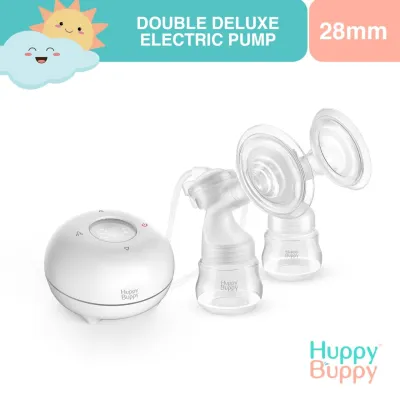
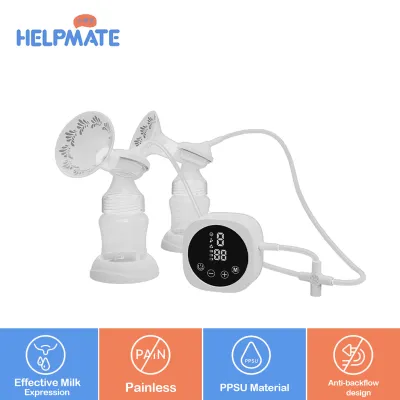
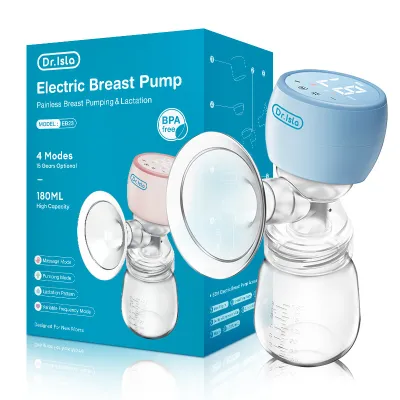
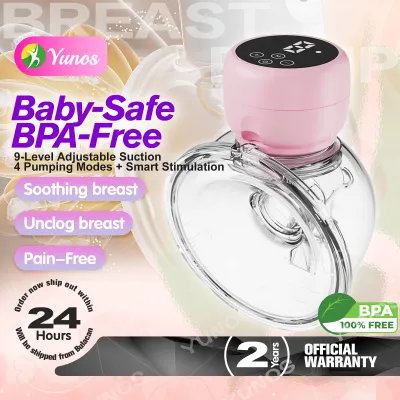
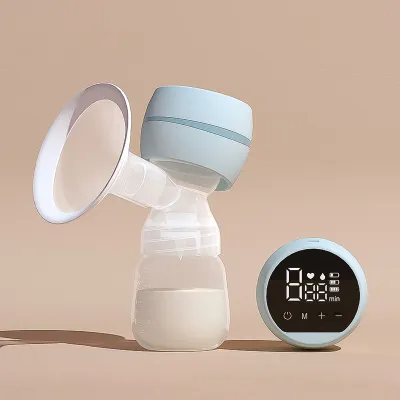
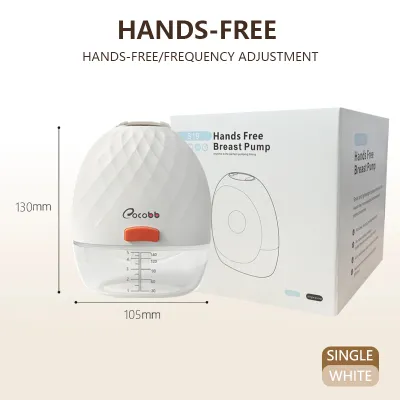
Prices are valid at publication and may change. Please refer to the product page for the latest price.
In contrast, a closed-system electric breastpump features a physical barrier, often called a diaphragm, that completely isolates the milk collection kit from the pump motor. This barrier is typically a flexible silicone membrane housed within the connector assembly. When the motor creates suction, it pulls against one side of this diaphragm. The diaphragm stretches, creating a corresponding vacuum on the other side to express milk. At no point does the air from the motor mix with the air in the milk collection bottle, keeping the motor completely dry.
This structural difference serves as the baseline for all hygiene and maintenance comparisons. It dictates which parts of the electric breastpump come into contact with breast milk and which parts remain dry. By understanding this core mechanism, you can better evaluate how much time you will spend cleaning the device, how you must handle the tubing, and whether the pump can be safely shared or reused.
Hygiene and Safety: Evaluating Mold and Contamination Risks
In tropical environments with high humidity, moisture control is a constant battle. When using an open-system electric breastpump, condensation naturally forms inside the plastic tubing during a pumping session due to the temperature difference between warm breast milk and the surrounding air. If you observe water droplets, cloudiness, or tiny black spots inside the tubing, these are clear signs of moisture accumulation and potential mold growth. Because the air path is open, these mold spores or bacterial contaminants can travel back and forth, posing a risk of contaminating the expressed milk.

A closed-system electric breastpump prevents milk and condensation from entering the internal mechanics by keeping the tubing completely dry. Since the silicone barrier blocks all fluids, the tubing only carries clean air from the motor. Milk and condensation remain confined to the breast shield, valve, and bottle. This design eliminates the risk of milk entering the motor casing, where it could rot, attract pests, or create a breeding ground for bacteria that cannot be cleaned out.
Manufacturer cleaning requirements differ significantly between the two systems. For an open-system pump, you must inspect the tubing after every use. If milk or moisture enters the tube, you must wash it immediately with warm, soapy water, rinse it thoroughly, and sterilize it according to the manufacturer’s instructions. You then need to run the pump with only the tubing attached for several minutes to air-dry the inside completely. For a closed-system pump, the tubing does not require daily washing or sterilization because it never touches milk. You only need to wash and sterilize the parts that come into direct contact with milk, such as the flange, valves, and bottles.
Regardless of the system you choose, you must follow strict conditions for stopping use or replacing parts. If you notice visible mold inside the tubing that cannot be washed away, or if you detect a musty odor coming from the pump motor, stop using the device immediately. Degraded valves, stretched silicone diaphragms, or cracked plastic parts also require immediate replacement, as they can compromise the seal, reduce suction efficiency, and increase the risk of backflow.
Daily Usability: Cleaning, Maintenance, and Pumping Performance
The practical daily effort required to maintain an electric breastpump can significantly impact your breastfeeding journey. With an open-system pump, the daily cleaning routine is highly demanding. You must constantly monitor the tubing for condensation, wash it when necessary, and wait for it to dry completely before your next pumping session. In humid weather, drying narrow plastic tubing can take hours, which can be highly inconvenient if you need to pump multiple times a day.
With a closed-system electric breastpump, the daily routine is streamlined. Because the tubing remains dry, you only need to wash the collection parts—the flange, valve, and bottle. This saves valuable time, especially during late-night or early-morning pumping sessions. The setup time is also faster because you do not have to worry about drying or troubleshooting wet tubing before you begin. For parents who pump at work or while traveling, carrying a closed-system pump reduces the need to pack spare tubing or specialized cleaning brushes, making it a highly portable and convenient option.
Suction consistency and motor protection are also closely tied to the pump’s design. A closed-system design inherently protects the motor from moisture damage, which helps maintain consistent suction over the lifespan of the pump. If liquid or condensation enters an open-system motor, it can corrode the internal components, leading to a sudden drop in suction power or complete motor failure. Refer to your specific product manual to understand how motor exposure to moisture affects your warranty and the expected operating life of the device.
Cost and Value: Budgeting for Your Electric Breastpump
When planning your budget, it is important to look at both the upfront purchase price and the long-term maintenance costs. Open-system electric breastpumps are often more budget-friendly initially. Basic models typically start around ₱1,500 to ₱3,500 on local online marketplaces, making them an attractive option for parents on a tight budget. Closed-system electric breastpumps generally require a higher initial investment, with prices often ranging from ₱4,000 to ₱12,000 or more, depending on the features, portability, and brand reputation.
However, the long-term cost of ownership can tell a different story. With an open-system pump, you may need to replace the tubing frequently due to persistent condensation, water spots, or mold risks. These replacement parts can add up over time. Closed-system pumps require regular replacement of the silicone diaphragms and valves to maintain proper suction, but the tubing rarely needs replacing unless it becomes physically damaged. Before purchasing, always check the availability and pricing of replacement parts in the Philippines, as some imported brands may have limited local distribution, making parts difficult or expensive to source.
There are also financial and safety implications when borrowing or buying second-hand units. Buying a pre-owned open-system pump is highly discouraged because the internal motor cannot be sanitized, posing a risk of cross-contamination from previous users. A closed-system pump is safer to acquire second-hand, but you must factor in the cost of purchasing a brand-new personal accessory kit—including flanges, valves, tubing, and diaphragms—to ensure complete hygiene.
Decision Framework: Which Electric Breastpump Fits Your Needs?
To finalize your decision, consider how each system aligns with your lifestyle, budget, and pumping frequency.
Choose a closed-system electric breastpump if:
- You prioritize low-maintenance hygiene and want to minimize daily cleaning time.
- You live in a highly humid area where drying narrow tubing is difficult and time-consuming.
- You plan to use the pump for future siblings or want the option to safely resell or donate the motor unit later.
- You are returning to work and need a portable, reliable setup with minimal parts to wash on the go.
Choose an open-system electric breastpump if:
- You are working with a strict upfront budget and need an affordable entry-level option.
- You plan to use the pump only occasionally, such as for relieving engorgement rather than daily exclusive pumping.
- You are committed to a rigorous cleaning, sterilizing, and air-drying routine for the tubing after every single use.
Verify first if: Before making your final purchase, verify the manufacturer’s specific guidelines regarding part replacement schedules, warranty terms, and compatibility with your flange size. Ensure that replacement parts are easily accessible from reliable local distributors or online stores in the Philippines so you do not face unexpected downtime when a valve or membrane needs to be replaced.
Frequently Asked Questions (FAQ)
Is it safe to buy or borrow a second-hand electric breastpump?
Reusing an electric breastpump depends heavily on its internal design. A closed-system pump is generally safe to reuse or borrow, provided you replace all the milk-contact parts—such as the breast shields, valves, silicone diaphragms, and tubing—with brand-new, sterile components. The internal motor remains completely sealed and protected from contamination. In contrast, an open-system pump carries a high risk of internal motor contamination. Because there is no barrier, microscopic droplets of milk, moisture, and bacteria from the previous user can settle inside the motor casing, where mold can grow undetected. This internal mold cannot be cleaned or sanitized, making second-hand open-system pumps unsafe for your baby.
Always check the manufacturer’s official policy before acquiring a pre-owned pump. Many brands explicitly state that their electric breastpumps are single-user devices, and using them for multiple users will immediately void the warranty, even if the pump is a closed-system model.

Community discussion
Share your experience or ask a question. Comments are reviewed before publication.