
Protecting nursery furniture like changing tables, cribs, and dressers from unexpected diaper leaks, spit-ups, and spills requires a reliable, well-fitted waterproof bed mat. In the tropical climate of the Philippines, where high humidity can accelerate mold growth and wood warping, choosing the right protective layer is essential for both maintaining your furniture and keeping your baby’s environment hygienic. A damp wooden surface or a saturated mattress can quickly become a breeding ground for bacteria and allergens, making a high-quality waterproof barrier a necessity rather than an optional accessory.
Selecting the ideal mat involves more than just picking an appealing design or color. Caregivers must verify the exact dimensions of their changing pads, inspect the safety labels of the materials, and understand how different waterproof barriers perform under local environmental conditions. By focusing on secure fits, non-toxic certifications, and breathable fabrics, you can create a safe, dry, and comfortable space for your little one while extending the lifespan of your nursery investments.
Identifying the Right Size and Fit for Your Furniture
Before browsing online marketplaces or local baby boutiques, you must measure your changing table pads, bassinet mattresses, and cribs with a physical tape measure. Relying on generic size descriptions like “standard” can lead to frustrating mismatches, as nursery furniture dimensions vary widely across different brands and manufacturing regions. Write down the exact length, width, and depth of the surface you need to cover so you can compare these measurements directly against the product specifications provided by the manufacturer.
Products mentioned in this guide
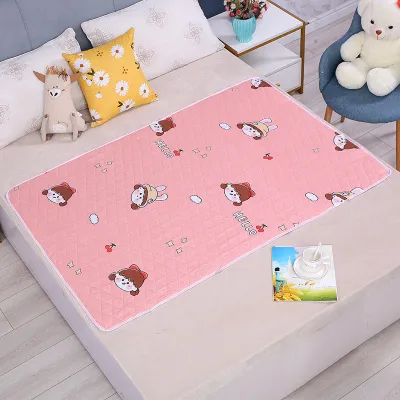
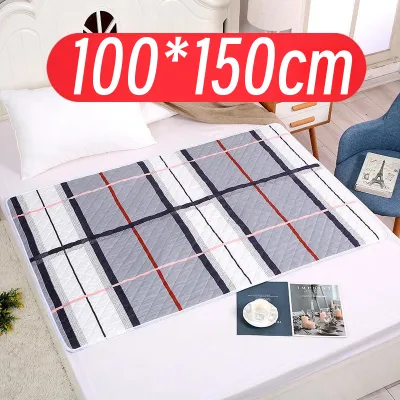
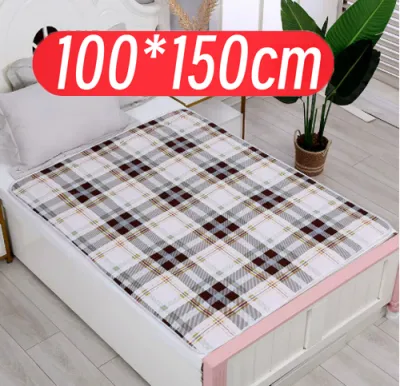
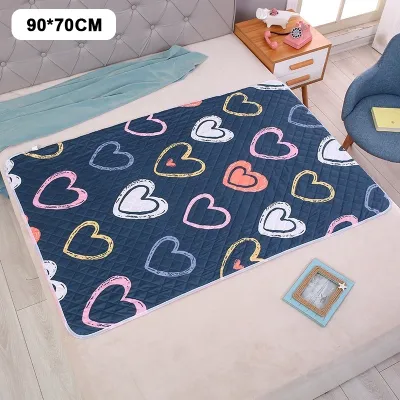
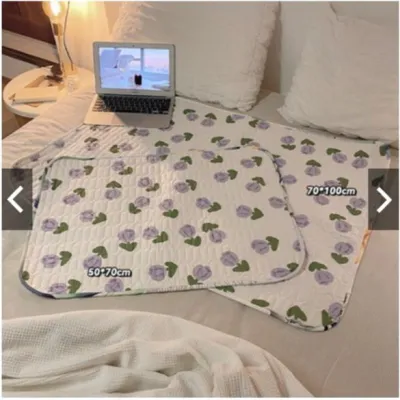
Prices are valid at publication and may change. Please refer to the product page for the latest price.
An improperly fitted bed mat poses both functional and safety risks in the nursery. If a mat is too large, the excess fabric can bunch up, create uneven surfaces, or overhang the edges of the changing table, which increases the risk of the baby’s fingers or toys getting caught. More importantly, loose or bunched fabric in a sleeping area presents a serious suffocation hazard for infants. Conversely, a mat that is too small leaves vulnerable areas of your furniture exposed to moisture, allowing liquids to seep into seams, wooden joints, and mattress cores where they are incredibly difficult to clean and dry.
To ensure the mat remains securely in place during use, look for specific design features that prevent shifting. Active infants wiggle, kick, and roll during diaper changes, which can easily displace a loose sheet. High-quality mats often feature fitted elastic edges that wrap completely around the underside of the changing pad, heavy-duty elastic corner straps, or a textured, non-slip backing made of silicone dots. These anchoring mechanisms keep the surface flat and taut, reducing the risk of sliding while you are attending to your baby.
Additionally, always check the manufacturer’s documentation for specific age, weight, or developmental stage limits associated with your changing table accessories. Some elevated changing surfaces are only rated for infants up to a certain weight, and the protective mats used on them must not interfere with the safety harness or barrier walls of the table. Always supervise your baby closely during changes, regardless of how secure the mat and changing pad feel.
Evaluating Material Safety and Waterproof Mechanisms
Because your baby’s delicate skin will come into direct contact with the bed mat, evaluating the safety of the materials is a top priority. Parents should carefully read manufacturer labels for clear declarations of non-toxic, baby-safe material specifications. Look for products that explicitly state they are free from harmful substances such as bisphenol A (BPA), phthalates, lead, and heavy metals. Because safety certifications and standards can change, it is highly recommended to verify any claims of organic or non-toxic certifications on the official databases of the certifying bodies, such as OEKO-TEX or the Global Organic Textile Standard (GOTS).

When assessing the waterproof barrier itself, you will commonly encounter two primary materials: Thermoplastic Polyurethane (TPU) and Polyvinyl Chloride (PVC). TPU is a modern, flexible membrane that is heat-bonded to the fabric layers. It is highly regarded for being quiet, flexible, and significantly more breathable than traditional plastics, which helps regulate temperature. PVC, on the other hand, is often stiffer, can make a loud crinkling noise when the baby moves, and may release volatile organic compounds (VOCs) that are undesirable in a poorly ventilated or air-conditioned nursery. For tropical climates, TPU is generally the more comfortable and practical choice.
In the Philippines, the combination of high heat and humidity means babies are particularly prone to developing prickly heat (bungang-araw) and other skin irritations. Therefore, the top layer of the waterproof mat—the side that touches the baby—should be made of a highly breathable, hypoallergenic, and soft fabric. Natural fibers like organic cotton or bamboo-derived rayon are excellent choices because they naturally wick away moisture and allow air to circulate, keeping the baby cool during diaper changes or rest periods. Synthetic microfibers can also be effective if they are specifically engineered for breathability and softness.
If you notice any signs of skin redness, localized rashes, or discomfort after using a new bed mat, stop using the product immediately. Clean the baby’s skin with mild water, keep the area dry, and consult a pediatrician or a qualified pediatric dermatologist if the irritation persists. Never ignore early signs of contact dermatitis, as a baby’s skin barrier is much thinner and more sensitive than an adult’s.
Checking Care Instructions and Durability Labels
Frequent diaper changes and spills mean your waterproof bed mat will require regular cleaning, making durability and ease of maintenance critical selection factors. Before purchasing, verify whether the mat is machine washable or if it is designated as wipe-clean only. While wipe-clean mats are convenient for quick cleanups on a changing table, machine-washable mats offer a deeper, more hygienic clean that is essential for managing heavier leaks and maintaining overall nursery cleanliness over several months of use.
To ensure the mat can withstand frequent laundering without deteriorating, inspect the construction details mentioned in product descriptions or visible in high-resolution photos. Look for reinforced stitching along the borders, double-bound edges, and tear-resistant seams. These structural details prevent the waterproof backing from separating or delaminating from the soft top fabric layer during the agitation cycles of your washing machine. A mat with weak stitching will quickly fray, allowing water to penetrate the inner layers and ruin the waterproof seal.
Always review the manufacturer’s warnings regarding drying and detergent use, as improper care can permanently damage the waterproof membrane. Many TPU-backed mats are highly sensitive to high heat, which can cause the waterproof layer to melt, crack, or peel away from the fabric. If you use a clothes dryer, you must use a low-heat or air-dry setting. In the Philippines, line drying in a shaded, well-ventilated outdoor area or a bright indoor space is an excellent, energy-efficient alternative that preserves the integrity of the mat. However, avoid exposing the waterproof backing to direct, intense tropical sunlight for extended periods, as extreme UV exposure can degrade the synthetic materials.
When washing, avoid using harsh chemical bleaches, fabric softeners, or heavily fragranced laundry detergents. Fabric softeners leave a chemical residue on the fibers that significantly reduces the absorbency of the top layer, causing liquids to puddle rather than soak in. Strong fragrances and optical brighteners can also linger on the fabric, posing a high risk of skin irritation or respiratory discomfort for sensitive infants.
Building Your Shortlist: A Step-by-Step Selection Checklist
To help you navigate the wide variety of options available on local e-commerce platforms and in physical baby stores, use this structured, step-by-step checklist to evaluate and compare candidate products.
Step 1: Measure and Match Your Furniture
Using a physical measuring tape, record the exact length, width, and depth of your changing pad or crib mattress. Compare these numbers against the dimensions listed on the product packaging or online store page. Ensure the mat you select matches these dimensions perfectly or features adjustable straps that can accommodate your specific furniture setup without leaving loose fabric.
Step 2: Verify Material Safety and Waterproofing
Look for explicit product labels indicating that the mat is free from BPA, phthalates, and lead. Prioritize mats that utilize a TPU waterproof layer rather than PVC to ensure better breathability and less noise. Check for soft, hypoallergenic top fabrics like organic cotton or bamboo, and take a moment to verify any listed safety certifications on the official website of the certifying organization.
Step 3: Assess Care Requirements and Durability
Confirm that the mat fits into your household’s laundry routine. If you prefer machine washing, ensure the product label supports it and check the recommended washing temperature. Look for reinforced stitching and double-bound edges to guarantee the mat can survive dozens of wash cycles without peeling or tearing.
Step 4: Compare Prices, Warranties, and Return Policies
Compare the final costs in Philippine Pesos (₱), keeping in mind that a slightly higher initial investment in a durable, high-quality mat can save you money by lasting through multiple developmental stages. Check the seller’s return policy specifically for manufacturing defects, and verify if there is any warranty coverage for delamination or stitching failures. Always purchase from official brand stores or authorized distributors on local online marketplaces to ensure you receive a genuine product.
Frequently Asked Questions (FAQ)
Can I use a regular waterproof mattress protector on a changing table?
It is not recommended to use a standard crib or single-bed waterproof mattress protector on an elevated changing table. Mattress protectors designed for larger beds will have a significant amount of excess fabric that cannot be secured tightly on a narrow changing pad. This loose fabric can easily bunch up, slide, or drape over the sides of the table, creating a slipping hazard for your baby and making the changing surface unstable. Changing tables require specialized, smaller mats or liners that are designed to fit the exact dimensions of the changing pad and feature non-slip backings or secure straps to keep them perfectly flat and stationary during use.
How often should I replace a waterproof nursery bed mat?
You should inspect your waterproof bed mat after every wash for visible signs of wear and tear, and replace it immediately if its protective or safety functions are compromised. Key indicators that it is time for a replacement include peeling, cracking, or bubbling of the inner waterproof TPU or PVC layer, which allows moisture to leak through to the furniture. Other signs include persistent odors that remain after thorough washing, frayed or unraveling edge stitching, and stretched-out elastic straps that no longer hold the mat securely in place. In humid tropical environments, any sign of persistent black spots or mildew that cannot be laundered out is an immediate reason to discard the mat to protect your baby’s respiratory health.
Are waterproof bed mats breathable enough for direct infant sleep?
Most standard waterproof changing mats and quick-use liners are designed for temporary activities like diaper changes, massage, or supervised tummy time, and are not safe or breathable enough for unsupervised, direct infant sleep. Waterproof barriers, even those made of breathable TPU, naturally restrict airflow compared to standard crib sheets. If a baby rolls onto their stomach on a non-breathable surface, the risk of suffocation and overheating increases significantly. For safe sleep, always follow the guidelines of the World Health Organization and local pediatric societies: infants should sleep on a firm, flat mattress covered only by a tight-fitting sheet. If you require waterproof protection for overnight sleep, use a certified, fully fitted waterproof crib mattress protector designed specifically for safe sleep, and ensure it is covered by a secure, breathable cotton sheet.

Community discussion
Share your experience or ask a question. Comments are reviewed before publication.