
Selecting the right travel milk container for a weaning baby in the Philippines requires balancing material safety, leak-proof designs, and temperature control to handle the country’s tropical heat and humidity. During the weaning phase, babies transition from bottles to cups, making portability and ease of use critical. Parents must look for containers that keep milk fresh, are easy for small hands to hold, and can withstand long transits, whether on a road trip to Batangas or a flight to Boracay.
The transition to solid foods and cup-drinking is a major developmental milestone. When traveling, this milestone introduces unique challenges, such as maintaining milk freshness without constant refrigeration and preventing messy spills in diaper bags. A well-chosen travel milk container acts as a reliable tool that supports your baby’s growing independence while giving you peace of mind during long journeys.
To make an informed choice, parents should focus on practical verification methods rather than marketing claims. By evaluating materials, structural designs, and maintenance requirements, you can build a customized shortlist of travel milk containers that suit your baby’s developmental stage and your family’s travel style.
Products mentioned in this guide
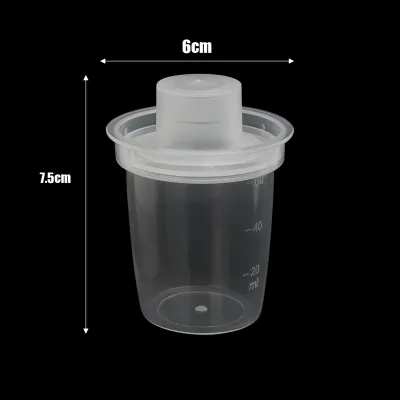
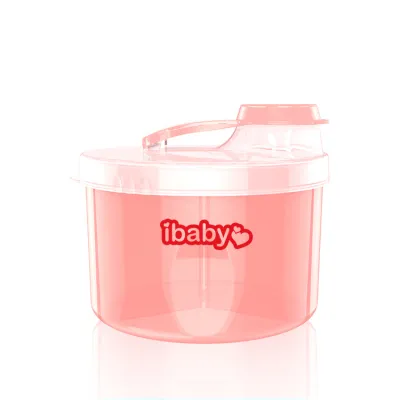
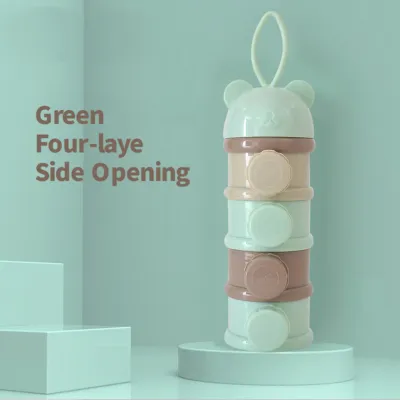
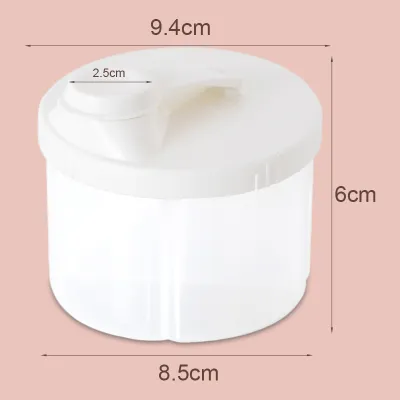
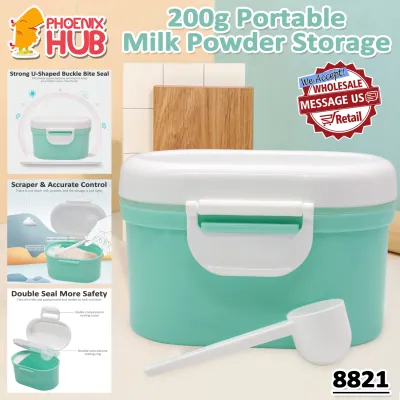
Prices are valid at publication and may change. Please refer to the product page for the latest price.
Essential Features to Evaluate for Travel and Weaning
When selecting a travel milk container, safety and functionality must take priority over aesthetic appeal. Because weaning babies are still developing their immune systems and motor skills, the container you choose must meet strict hygiene and usability standards. Evaluating these essential features before making a purchase ensures that the container remains a safe and practical companion throughout your travels.
First, material safety is paramount. Parents should verify that all plastic components are explicitly labeled as BPA-free, phthalate-free, and non-toxic. For silicone parts, such as spouts, straws, and seals, look for food-grade or medical-grade silicone certifications on the manufacturer’s packaging. If you opt for metal containers, ensure they are made from high-quality, food-grade stainless steel, such as 18/8 or 304 grade, which resists corrosion and does not leach chemicals into the milk, even when exposed to the high ambient temperatures common in tropical climates.
Second, leak-proof integrity is critical to prevent ruined diaper bags and wasted milk. Before packing any container for a trip, perform a simple home test: fill the container with water, seal it completely, and shake it vigorously at various angles. Leave it upside down on a dry paper towel for an hour to check for slow leaks. Look for containers that feature secure locking lids, cross-cut valves in the straws, or robust silicone gaskets that create a tight seal, as these designs are less likely to fail during bumpy car rides or cabin pressure changes on flights.
Third, ergonomic design supports your baby’s transition to independent drinking. Weaning babies often struggle with heavy or slippery containers, so look for models that feature removable, easy-grip handles or textured silicone sleeves. These features allow small hands to hold the cup securely, reducing the frequency of drops and spills. Additionally, a contoured bottle shape can help babies who are transitioning from the familiar grip of a standard baby bottle to a wider cup design.
Finally, temperature retention is a crucial consideration for travel in warm climates. High temperatures can accelerate bacterial growth in milk, making reliable insulation a necessity rather than a luxury. When evaluating insulation claims, look for double-wall vacuum-insulated stainless steel construction, which physically blocks heat transfer. Verify the manufacturer’s specified hours for keeping liquids cold, and rely on these official specifications rather than vague marketing terms like “all-day cool” to ensure your baby’s milk remains at a safe temperature.
Common Types of Travel Milk Containers and Their Use Cases
Different travel scenarios and weaning stages call for different container designs. Understanding the strengths and limitations of each common type allows you to select the option that best matches your itinerary, whether you are planning a quick afternoon stroll in the park or an extended family vacation.

Insulated Stainless Steel Sippy Cups
Insulated stainless steel sippy cups are highly durable and offer excellent temperature control, making them ideal for long day trips and outdoor excursions in warm weather. These containers are designed to keep milk cold for several hours, reducing the risk of spoilage when refrigeration is unavailable. However, parents should consider the weight of stainless steel, as these cups are significantly heavier than plastic or silicone alternatives and may tire a younger weaning baby’s hands during extended use. To mitigate this, look for models that feature removable silicone sleeves to improve grip and protect the metal from denting when dropped on hard surfaces.
Collapsible Silicone Travel Cups
Collapsible silicone travel cups offer a highly portable, space-saving solution for short transits and compact packing. These cups can be compressed flat when empty, making them easy to slip into a crowded diaper bag or carry-on luggage. When evaluating collapsible designs, it is essential to check the structural stability of the cup when fully expanded; a cup that collapses too easily under a baby’s grip can cause accidental squeezing and sudden spills. Additionally, verify that the silicone is certified food-grade, and be prepared for the material’s tendency to retain food odors or soap scents, which requires thorough, prompt rinsing after each use.
Multi-Compartment Snack and Drink Cups
Multi-Compartment snack and drink cups combine food and liquid storage into a single, convenient unit, which can be highly practical for older weaning babies who enjoy frequent snacks alongside their milk. These designs typically feature a milk compartment at the bottom and a separate snack cup nested on top. While highly convenient, parents must evaluate the complexity of cleaning these multi-part systems on the go, as they often feature multiple silicone seals and threads where milk residue can hide. Additionally, assess the spill risks between compartments and ensure the portion sizes align with your child’s current developmental needs before relying on them for long journeys.
Building Your Shortlist: A Step-by-Step Selection Checklist
Creating a practical shortlist of travel milk containers involves matching product specifications with your family’s specific travel habits and budget. By systematically evaluating each option against a standardized checklist, you can avoid impulse purchases and select a container that delivers long-term utility.
Start by matching the container’s capacity to your baby’s current daily milk intake and the typical length of your outings. A container that is too large adds unnecessary bulk and weight to your diaper bag, while one that is too small will require frequent refills, which can be inconvenient when clean water or milk supplies are limited. For most weaning babies, a capacity of 150ml to 250ml provides a practical balance between portability and adequate hydration.
Next, verify the cleaning and sterilization compatibility of the materials. Traveling can expose your baby’s feeding gear to various environments, making thorough sanitization essential. Check the manufacturer’s instructions to confirm if the container is dishwasher-safe and compatible with local sterilization methods, such as steam bags, boiling water, or UV sterilizers. Some plastic components can warp or degrade when exposed to high heat, so ensuring material compatibility beforehand prevents premature damage.
Another critical factor is the availability of replacement parts directly from the manufacturer or authorized retailers. Travel gear is subject to wear and tear, and small components like silicone straws, spouts, and sealing rings are easily lost or damaged during cleaning. Choosing a brand that sells individual replacement parts ensures that you do not have to discard an entire, expensive container simply because a single silicone gasket went missing during a hotel stay.
Finally, compare the price ranges of your options in Philippine Pesos (₱) against their expected durability and warranty terms. High-quality travel milk containers in the local market typically range from ₱400 to ₱1,800, depending on the materials and insulation capabilities. While budget-friendly plastic options may seem appealing initially, investing in a durable stainless steel or premium silicone container often provides better value over time, as these materials withstand repeated drops, sterilization cycles, and daily travel wear without losing their structural integrity.
Cleaning and Maintaining Milk Containers on the Go
Maintaining strict hygiene while traveling is essential to protect your weaning baby from foodborne illnesses. Milk residue can spoil rapidly, especially in warm and humid tropical climates, making prompt and thorough cleaning a daily necessity during your trips.
To clean the container effectively, always begin by completely disassembling all removable parts. This includes removing the spout, pulling out the straw, detaching the air valves, and prying off the silicone sealing rings from the lid. Milk fat and proteins easily accumulate in these hidden crevices, creating an ideal breeding ground for mold and bacteria if left unwashed. Skipping this step, even for a single day, can lead to persistent odors and hygiene risks that are difficult to resolve later.
When packing for your trip, prepare a dedicated travel cleaning kit. Include a compact, portable bottle brush set that features specialized micro-brushes for cleaning narrow straws and valves, along with a small, leak-proof bottle of mild, baby-safe dishwashing liquid. Avoid using standard hotel hand soaps or harsh dish detergents, as these can leave behind chemical residues or strong fragrances that might cause your baby to reject their milk.
After washing all components thoroughly with clean, potable water, focus on proper drying techniques. Lay all disassembled parts out on a clean, dry towel in a well-ventilated area of your hotel room or accommodation. Avoid reassembling the container or placing damp parts inside a closed diaper bag, as trapped moisture in a warm environment rapidly accelerates mold growth. Allow every piece to air-dry completely before reassembly and storage to ensure the container remains fresh and safe for the next leg of your journey.
Frequently Asked Questions (FAQ)
Can I put hot milk directly into a travel container for my weaning baby?
You should avoid putting hot milk directly into a sealed travel container unless the manufacturer explicitly states it is safe to do so. High temperatures can cause pressure to build up inside airtight containers, which may lead to hot liquid spraying out unexpectedly when you open the lid or spout, posing a burn risk. Additionally, extreme heat can damage the structural integrity of certain plastics and silicone seals over time. It is always safest to cool the milk to a comfortable, warm feeding temperature before pouring it into the container and sealing it for travel.
How do I prevent milk from spoiling in a container during a long flight?
To prevent milk from spoiling during a long flight, store the travel container inside an insulated cooler bag packed with reusable gel ice packs. Prepared formula or breast milk should generally be consumed within two hours if kept at room temperature, but keeping it chilled extends its safety window significantly. When passing through airport security in the Philippines, declare your baby’s milk, water, and baby food to the security officers beforehand, as reasonable quantities of liquid baby food are typically exempt from standard liquid restrictions but must undergo separate screening.
Are straw cups better than spout cups for traveling weaning babies?
The choice between straw cups and spout cups depends largely on your baby’s developmental readiness and your travel needs. Pediatricians often recommend straw cups for weaning babies because they promote healthy oral motor development and encourage proper tongue positioning. From a travel perspective, straw cups equipped with weighted straws and cross-cut valves are highly effective at preventing leaks even when held upside down or tilted. However, spout cups are generally simpler in design, making them easier and faster to disassemble and clean thoroughly when you have limited access to cleaning tools on the go.

Community discussion
Share your experience or ask a question. Comments are reviewed before publication.