
Transitioning your baby through the weaning stage introduces many changes, especially in how you store and prepare milk. Whether you are transitioning from direct breastfeeding to expressed breast milk or introducing formula alongside solid foods, selecting the right milk storage container is a vital step. The safest materials for these containers—primarily glass, food-grade silicone, and high-quality BPA-free plastics—each present distinct physical properties, benefits, and maintenance requirements. The ideal choice depends on how well a material fits into your daily cleaning, sterilization, and feeding routines.
During this transitional phase, your baby’s immune system is still developing, making hygiene and material safety top priorities. Evaluating containers based on their chemical stability, ease of sanitization, and physical durability will help you maintain a clean feeding environment. By understanding how different materials behave under heat, cold, and repeated washing, you can confidently choose containers that protect your baby’s nutrition.
Understanding Safety Priorities for Weaning Milk Storage
When evaluating milk storage options during the weaning period, chemical safety is the first line of defense. Chemical leaching occurs when harmful compounds migrate from a container’s material into the stored breast milk or formula. This risk increases when containers are exposed to high temperatures during warming or sterilization. To minimize this risk, caregivers must verify that any container used carries clear food-grade material declarations and is explicitly labeled as free from harmful industrial chemicals.
Products mentioned in this guide
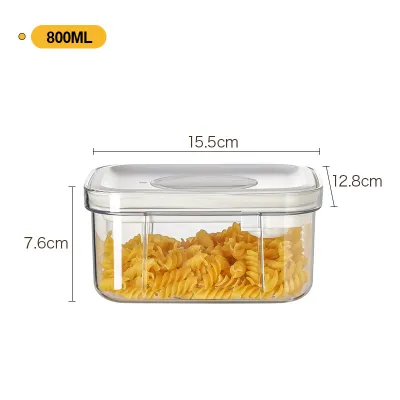
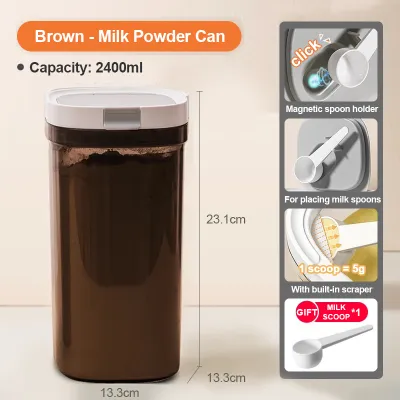
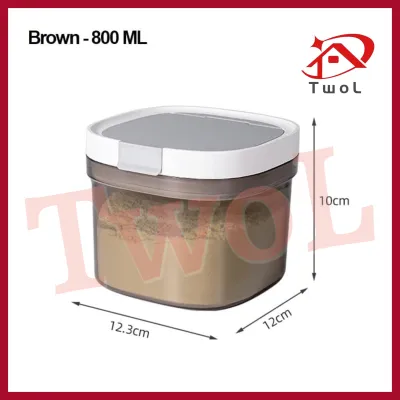
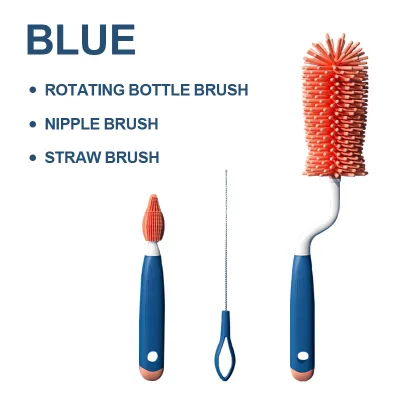
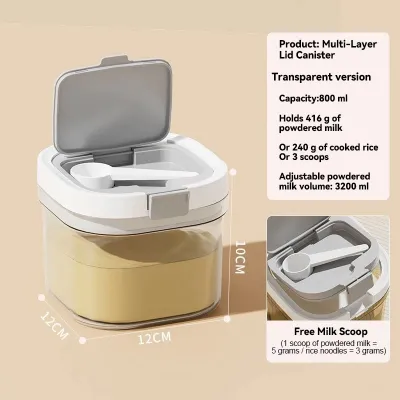
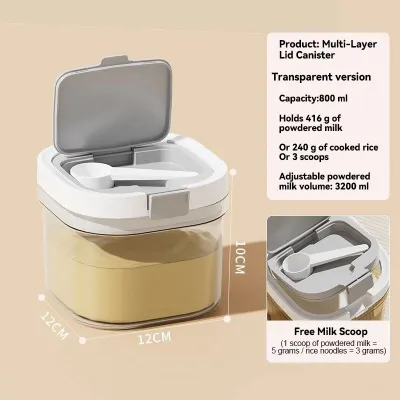
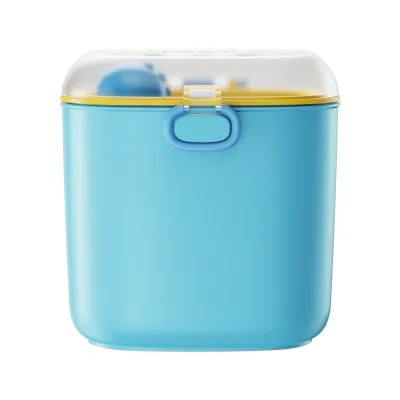
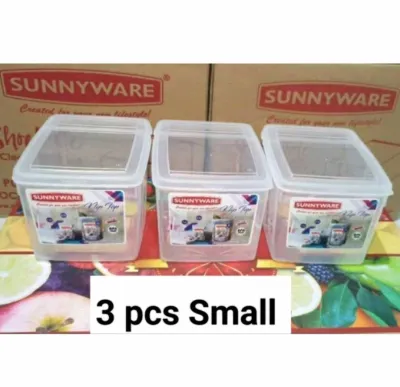
Prices are valid at publication and may change. Please refer to the product page for the latest price.
Hygiene and ease of sterilization are equally critical, particularly in warm, tropical climates where ambient humidity can accelerate the growth of bacteria and mold. A safe container must be easy to wash thoroughly, leaving no hidden corners where milk fat or residue can cling. If a container is difficult to clean, microscopic milk deposits can spoil subsequent batches of milk, posing digestive risks to your weaning baby.
Physical safety risks also require careful consideration as your baby becomes more active and curious. During weaning, babies often begin reaching for bottles and cups, increasing the likelihood of drops and spills. A container that cracks easily can introduce sharp edges or small, chipped fragments into the feeding area. Additionally, degraded components, such as worn-out silicone valves or peeling plastic linings, can become choking hazards if they detach during use.
Comparing Common Milk Storage Container Materials
To choose the most suitable container, it helps to compare materials across a few practical categories: heat tolerance, durability, weight, and cleaning requirements. Each material behaves differently when subjected to the daily rigors of freezing, thawing, washing, and sterilizing.

No single material is universally superior; rather, each serves different household needs. It is important to remember that any material’s safety profile is only as reliable as the care it receives. Operating strictly within the manufacturer’s temperature limits and replacement guidelines is essential to prevent material degradation.
Glass Containers
Glass is widely regarded as one of the most chemically stable materials available for milk storage. Because glass is non-porous, it does not absorb food odors, colors, or fats from breast milk and formula. This resistance to absorption makes glass exceptionally easy to clean, as milk residues slide off the smooth surface without leaving a greasy film or harboring stubborn bacteria.
In terms of temperature management, high-quality borosilicate glass offers excellent heat tolerance. It can safely withstand rapid temperature changes, allowing you to move a container from the refrigerator directly to a warm water bath. Glass containers are highly compatible with boiling water, electric steam sterilizers, and UV sanitizers, maintaining their structural integrity without warping or releasing chemical byproducts over time.
However, the primary drawback of glass is its weight and susceptibility to breakage. A dropped glass bottle can shatter instantly, creating immediate physical hazards in the kitchen or nursery. To mitigate this risk, many parents use protective silicone sleeves, which provide a non-slip grip and absorb minor impacts. Caregivers must also inspect glass containers regularly for hairline cracks or chips, especially around the rim, and discard any damaged items immediately.
Silicone Containers
Food-grade silicone has emerged as a highly popular, flexible alternative to traditional storage materials. Made from silicon, oxygen, and other natural elements, high-quality silicone is shatterproof and highly resistant to impact. This durability makes it an excellent choice for active weaning babies who may drop their containers from high chairs or strollers.
Silicone possesses a wide temperature tolerance, allowing it to transition smoothly from freezer temperatures to high-heat sterilization. It can be safely boiled, steamed, or placed in the top rack of a dishwasher without melting or losing its shape. Because it is flexible, silicone storage bags and bottles are also space-efficient in both the freezer and the diaper bag.
Despite these benefits, silicone is a semi-porous material, meaning it can retain natural milk oils and strong odors over time if not cleaned promptly. If silicone containers develop a cloudy appearance or a soapy scent, they require specialized cleaning, such as washing with hot water and a mild, fragrance-free dish soap. Caregivers should also ensure that silicone containers are completely dry before storage, as trapped moisture can encourage mold growth in humid environments.
BPA-Free Plastic Containers
Modern plastic milk storage containers are typically made from polypropylene or polyethersulfone and are labeled as “BPA-free.” While this label indicates the absence of Bisphenol A, parents should still verify that the plastic is certified food-grade and free from other bisphenol substitutes like BPS. Plastic containers are lightweight, highly affordable, and virtually shatterproof, making them a highly accessible option for busy households.
However, plastic is softer than glass and is highly susceptible to micro-scratches from bottle brushes or abrasive sponges. These tiny scratches can become breeding grounds for bacteria, as milk proteins and moisture get trapped inside the crevices where standard washing cannot reach. Consequently, plastic containers have a shorter functional lifespan and must be monitored closely for signs of wear.
Plastic also has stricter temperature limitations than glass or silicone. Exposing plastic containers to extreme heat—such as boiling water on a stovetop or high-temperature dishwasher cycles—can cause warping, structural weakening, or accelerated material degradation. To maintain safety, plastic containers should be warmed gently in lukewarm water and washed according to the manufacturer’s specific temperature guidelines.
Essential Safety Features to Verify Before Purchase
Before purchasing any milk storage container, carefully read the product packaging and manufacturer documentation. Look for clear age recommendations, food-grade material certifications, and explicit safety warnings. Avoid products that lack clear manufacturing details or those that do not specify the exact type of plastic or silicone used in their construction.
Examine the physical design of the container, prioritizing seamless, wide-neck configurations. Containers with narrow necks or complex internal shapes can be incredibly difficult to clean thoroughly, often requiring specialized brushes to reach the bottom corners. A wide-neck design allows you to easily see and scrub every interior surface, ensuring no milk residue is left behind to spoil the next batch.
Additionally, inspect the secondary components of the container, such as lids, collar rings, and measuring marks. Lids and seals should be made of durable, food-grade materials that create a secure, leak-proof barrier without degrading over time. If the container utilizes silicone O-rings or gaskets to prevent leaks, ensure these seals are fully removable so you can wash and dry them separately, preventing hidden mold from developing underneath.
Safe Handling, Cleaning, and Storage Practices
To keep your chosen storage containers safe and hygienic, establish a consistent daily cleaning routine. Immediately after use, rinse the container with cool water to prevent milk proteins from sticking. Wash all components thoroughly in warm, soapy water using a soft sponge or a non-abrasive silicone brush to avoid scratching the surface. After washing, sterilize the parts using your preferred method—such as boiling, steam, or a dedicated sterilizing unit—ensuring you follow the specific heat limits of the material.
Proper drying is just as important as washing, especially in warm, humid climates. Place all sterilized components on a clean, elevated drying rack in a well-ventilated area. Avoid using cloth towels to dry the containers, as towels can transfer lint or bacteria back onto the clean surfaces. Allow everything to air-dry completely before reassembling or storing the containers in a closed cabinet.
When thawing or warming stored milk, avoid using boiling water or microwaves, which can create dangerous hot spots in the milk and damage the container material. Instead, place the container in a bowl of warm water or use a bottle warmer set to a gentle, controlled temperature. Finally, perform a quick physical inspection before every feeding. Look for visual and tactile signs of wear, such as deep scratches, cloudiness, warping, or loose-fitting lids, and replace any compromised containers immediately to ensure your baby’s safety.
Frequently Asked Questions (FAQ)
Can I reuse commercial baby food pouches or jars for milk storage?
It is generally not recommended to reuse commercial baby food pouches or jars for storing breast milk or formula. Single-use commercial plastic pouches are designed for one-time consumption and can degrade rapidly when subjected to repeated washing, heating, and sterilization, potentially leaching chemicals into the milk. Commercial glass jars, while sturdier, often feature narrow necks and threaded rims that are difficult to clean and sterilize thoroughly at home, creating traps where bacteria can multiply.
Is it safe to freeze milk in silicone or plastic containers?
Yes, it is safe to freeze milk in silicone or plastic containers, provided they are explicitly labeled as freezer-safe by the manufacturer. When freezing milk, always leave at least an inch of headspace at the top of the container. Liquids expand as they freeze, and failing to leave adequate space can cause plastic containers to crack, silicone bags to burst, or lids to pop off, exposing the milk to freezer burn and contamination. Always follow the manufacturer’s guidelines for safe freezing and thawing temperatures.
How often should I replace my baby's milk storage containers?
Rather than following a strict calendar timeline, you should replace milk storage containers based on visible and tactile signs of wear. Plastic containers typically need replacement every few months, or sooner if they develop scratches, cloudiness, or warping. Silicone containers should be replaced if they become sticky, permanently discolored, or retain a strong, unyielding odor. Glass containers can last indefinitely, but they must be discarded immediately if you detect any chips, deep scratches, or hairline cracks.

Community discussion
Share your experience or ask a question. Comments are reviewed before publication.