
When choosing the safest and softest fabric for a newborn baby girl’s pranela, 100% cotton flannel stands out as the premier choice. This natural fabric offers an ideal balance of delicate texture, high breathability, and excellent moisture absorption, which are essential for protecting a newborn’s highly sensitive skin. In tropical climates like the Philippines, where heat and humidity are constant factors, pure cotton flannel keeps babies comfortable without trapping sweat, unlike synthetic alternatives that can trigger rashes and skin irritation.
Selecting the right material for your baby’s bedding and clothing is one of the most important early decisions you will make. By understanding how different fabrics interact with a newborn’s developing skin barrier, you can make an informed choice that ensures both comfort and safety during sleep, nursing, and daily care.
Understanding Pranela Fabrics for Newborn Skin
A newborn baby’s skin barrier is incredibly delicate and still developing. It is up to thirty percent thinner than adult skin, making it highly vulnerable to friction, chafing, and chemical irritants. Because a newborn’s skin loses moisture rapidly and cannot regulate temperature as efficiently as older children, the fabrics that come into direct contact with their body must be chosen with care.
Products mentioned in this guide
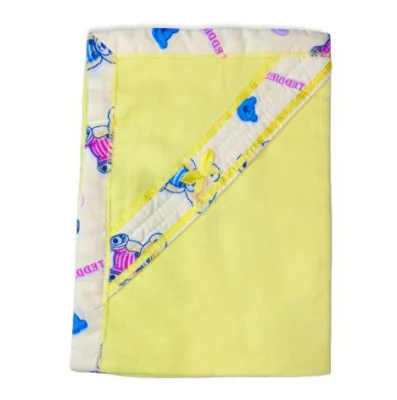
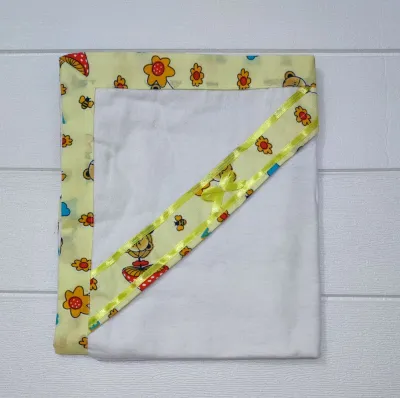
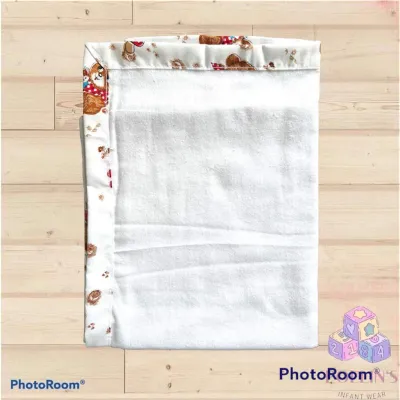
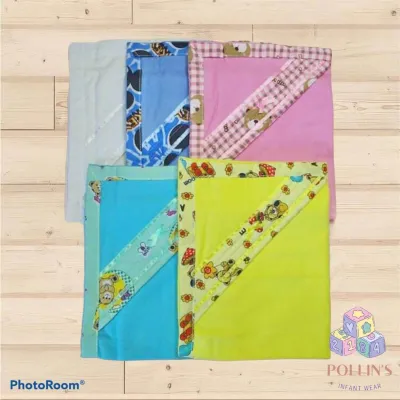
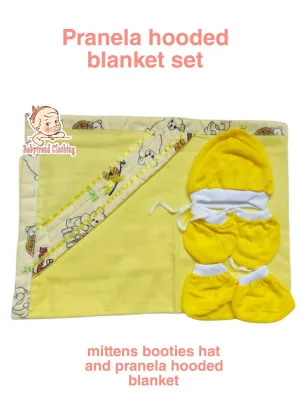
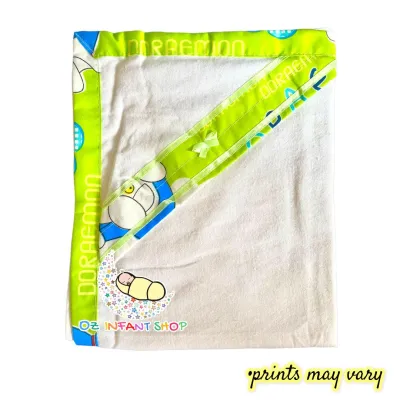
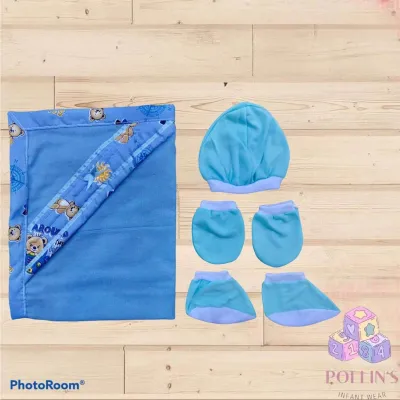
Prices are valid at publication and may change. Please refer to the product page for the latest price.
In local baby care, the term “pranela” refers to soft, brushed flannel fabric used for receiving blankets, swaddles, tie-side shirts, and light sheets. This versatile textile has been a household staple for generations, valued for its cozy texture and ability to provide gentle warmth. However, not all pranela fabrics are created equal, and the manufacturing process plays a significant role in how the fabric behaves against a baby’s skin.
When fabric rubs against a newborn’s skin, rough fibers can cause micro-abrasions, leading to redness and discomfort. Furthermore, synthetic fibers or chemical residues left behind from textile processing can trigger contact dermatitis or heat rash, commonly known as bungang-araw. Choosing a natural, breathable pranela helps mitigate these risks, ensuring your baby girl remains calm and comfortable throughout the day and night.
Comparing 100% Cotton Flannel and Synthetic Blends
Pure 100% cotton flannel is widely regarded as the gold standard for newborn pranelas. Because cotton is a natural plant fiber, it possesses inherent breathability and moisture-wicking properties. When a baby sweats, cotton fibers absorb the moisture and allow it to evaporate into the air, keeping the skin dry. Additionally, cotton flannel features a brushed surface that creates a velvety softness without the need for synthetic additives. While pure cotton is prone to slight shrinkage during the first few washes and may develop minor pilling over time, it actually becomes softer with repeated laundering.

In contrast, synthetic flannel blends are typically made from polyester, nylon, or microfiber. While these materials are highly durable, resistant to wrinkling, and quick to dry, they pose distinct disadvantages for newborns. Synthetic fibers are essentially plastic-based, meaning they lack the natural pore structure of cotton. Instead of absorbing moisture, synthetics tend to trap sweat and body heat against the skin. In warm or humid environments, this trapped heat can quickly lead to overheating and painful skin flare-ups.
When deciding between the two, consider the primary use of the pranela. For direct skin contact—such as swaddling blankets, sheets, and clothing—100% cotton flannel is the safest option. Synthetic blends should generally be avoided for direct wear, though they may occasionally serve as outer stroller covers or play mats where they do not touch the baby’s skin directly. Always prioritize natural breathability to support your baby’s natural temperature regulation.
How to Verify Fabric Safety and Chemical-Free Claims
With many products claiming to be gentle or organic, parents must learn how to verify these assertions by inspecting product labels and packaging. Do not rely solely on marketing terms printed on the front of the package. Instead, turn the product over and locate the care and fiber content label. Look for an explicit declaration of “100% Cotton.” Avoid products labeled with vague terms such as “cotton-rich,” “cotton blend,” or “soft-touch polyester,” as these frequently contain high percentages of synthetic fibers.
To ensure the fabric is free from harmful chemical residues, look for reputable independent textile certifications. Certifications such as the OEKO-TEX Standard 100 indicate that every component of the garment, from the thread to the dyes, has been rigorously tested for regulated and non-regulated harmful substances. Because certifications can be falsely printed, it is a good practice to verify the certification number on the official issuing organization’s website or check the manufacturer’s verified documentation.
There are also several physical red flags to watch out for when shopping. Avoid any pranela garments that emit a strong, chemical, or gasoline-like odor upon opening, as this often points to harsh chemical finishes or unstable dyes. When washing the fabric for the first time, observe if there is excessive color bleeding in the water. Significant dye loss suggests the use of low-quality colorants that could easily transfer to and irritate your baby’s skin. Finally, run your fingers along the inner seams to ensure there are no rough, scratchy nylon threads or stiff plastic tags that could scratch your newborn.
Care and Maintenance to Preserve Softness and Safety
Proper care is essential to maintain the integrity, softness, and safety of your baby girl’s pranelas. Always pre-wash new pranelas before they ever touch your baby’s skin. Pre-washing removes manufacturing dust, chemical sizing agents used to keep fabrics stiff on store shelves, and any contaminants picked up during shipping and handling. It also allows the cotton fibers to undergo their natural initial shrinkage, ensuring a better fit and feel from the very first use.
When laundering baby bedding and clothing, select a mild, fragrance-free, and dye-free detergent formulated specifically for sensitive skin. Standard household detergents often contain optical brighteners, synthetic perfumes, and harsh enzymes that can linger in the fabric fibers and cause skin irritation. Crucially, avoid using commercial fabric softeners or dryer sheets. While they promise extra softness, these products work by depositing a thin, chemical, waxy coating over the fabric fibers. This coating drastically reduces the natural absorbency of cotton flannel, making it less effective at wiping away sweat, and can trap moisture and bacteria close to your baby’s skin.
For drying, line-drying in a clean, shaded area with a gentle breeze is highly recommended, as natural air-drying preserves the strength of cotton fibers. If you prefer using a clothes dryer, select a low-heat, gentle cycle to prevent excessive shrinkage and fiber damage. Once dry, store the pranelas in a clean, well-ventilated drawer or organizer. In humid tropical climates, keeping fabric storage areas dry and dust-free is vital to prevent the growth of mold, mildew, and dust mites, ensuring your baby’s linens remain perfectly safe for daily use.
Frequently Asked Questions (FAQ)
Is bamboo fabric a good alternative to cotton flannel for a pranela?
Bamboo fabric can be a highly suitable alternative to cotton flannel due to its exceptional silk-like softness, natural breathability, and excellent moisture-wicking capabilities, which keep babies cool in warm weather. However, parents must exercise caution when reading labels. Most commercial bamboo textiles are processed as bamboo viscose or rayon, a method that involves intensive chemical processing to turn woody bamboo stalks into soft fibers. To ensure safety, verify that any bamboo pranela you purchase carries independent textile safety certifications confirming that the finished fabric is free from harmful chemical residues.
How many pranelas should I prepare for a newborn?
Preparing a starting collection of 6 to 12 pranela blankets or garments is generally practical for a newborn. Newborn babies require frequent changes due to regular spit-ups, diaper leaks, and sweat, especially during humid days. Having this quantity ensures you always have a fresh, clean pranela available while others are in the wash. It is best to start with a modest bundle of varying thicknesses to see how they perform in your home’s microclimate before purchasing larger quantities as your baby girl grows.

Community discussion
Share your experience or ask a question. Comments are reviewed before publication.