
Choosing the right baby bottle for 0 to 6 months involves balancing safety, durability, and daily convenience. During these first six months, your baby’s digestive and immune systems are still developing, making hygiene and proper sterilization your top priorities. While there is no single material that fits every household perfectly, understanding how glass, plastic, and silicone behave under daily use will help you make an informed decision. Always verify the recommended age range, weight suitability, and specific method of use in your product’s documentation before introducing a new bottle.
Glass bottles are highly valued for their chemical purity, while modern BPA-free plastics offer lightweight convenience, and silicone provides a soft, flexible alternative. By evaluating how each material handles high temperatures, daily cleaning, and eventual wear, you can select the option that best matches your lifestyle and sterilization setup.
Evaluating Glass Bottles for 0 to 6 Months
Glass is widely recognized for its exceptional chemical inertness. Because it does not contain synthetic compounds, it will not leach chemicals into milk, even when subjected to frequent high-temperature sterilization. This makes glass an excellent option for newborns whose systems are highly sensitive. Additionally, glass resists scratches and does not retain odors or stains from milk fats over time.
Products mentioned in this guide
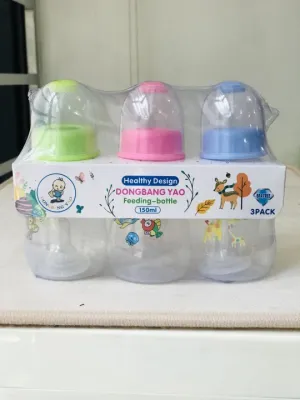
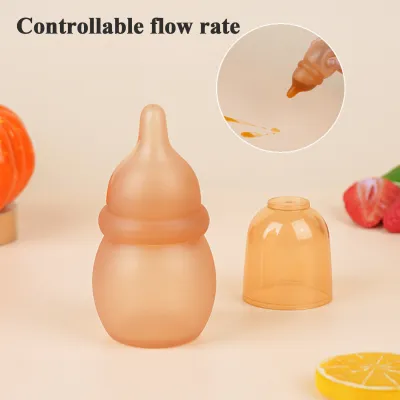
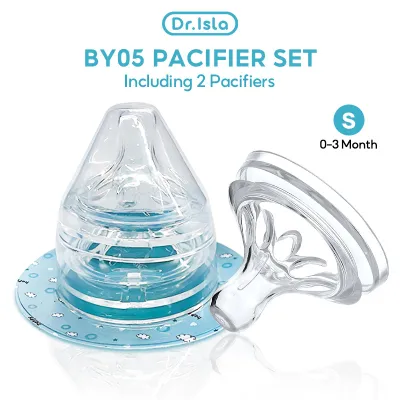
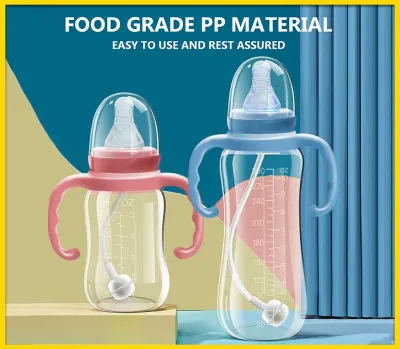
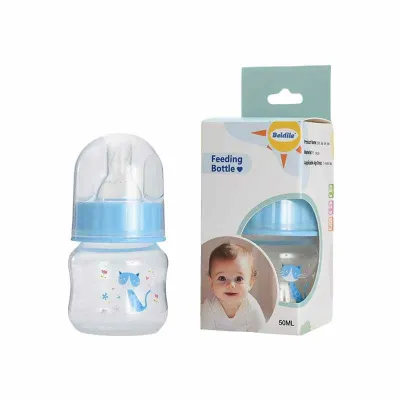
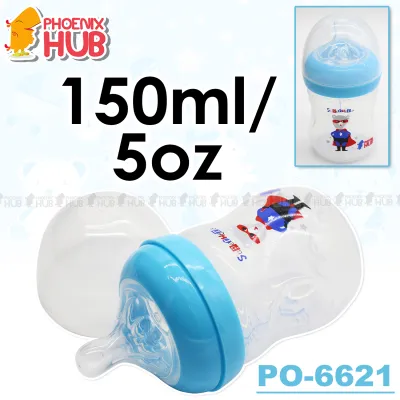
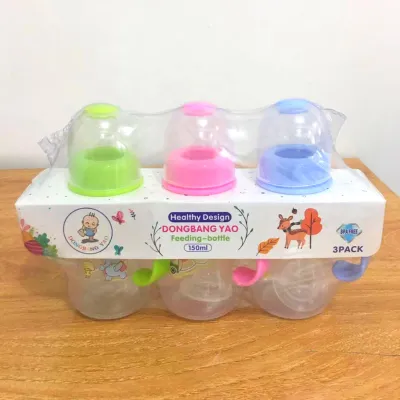
Prices are valid at publication and may change. Please refer to the product page for the latest price.
However, you should always inspect glass bottles for hairline cracks or chips before each feed, and stop use immediately if any damage is detected. The weight of glass is also a significant factor during late-night feedings, as holding a heavy bottle repeatedly can contribute to parental hand and wrist fatigue. Furthermore, while glass is highly durable against wear, it is prone to chipping or shattering if dropped on hard tile floors, which are common in many tropical homes.
To mitigate the risk of breakage, many parents use protective silicone sleeves. While these sleeves offer a better grip and impact protection, they require careful maintenance. In warm, humid climates, moisture can easily become trapped between the glass surface and the silicone sleeve. You must remove the sleeve regularly during cleaning to wash and thoroughly dry both parts, preventing the growth of mold and mildew.
Evaluating BPA-Free Plastic Bottles (PP, PPSU, PES)
Plastic bottles are highly popular due to their lightweight and shatterproof nature, but not all plastics are created equal. When shopping, you will encounter polypropylene (PP), polyethersulfone (PES), and polyphenylsulfone (PPSU). Each of these materials has distinct heat tolerance limits that dictate how they should be cleaned and sterilized. You must verify any safety standards, BPA-free certifications, or chemical-free claims directly on the product packaging, as these standards can vary by manufacturer.

PP is typically the most common option, but it has a lower heat resistance limit (often around 110°C to 120°C), meaning it can degrade faster under frequent steam or boiling sterilization. PES offers moderate heat resistance, while PPSU is a medical-grade plastic that can often withstand temperatures up to 180°C. PPSU is highly durable, resists odor absorption, and handles repeated sterilization cycles without degrading quickly, though it generally carries a higher price tag.
Regardless of the plastic type, you must inspect these bottles daily for signs of wear. Scratches, a cloudy appearance, or persistent yellow discoloration are clear indicators that the plastic is degrading and needs immediate replacement. Micro-scratches can harbor bacteria and may lead to the shedding of microplastics during preparation.
To prolong the lifespan of your plastic bottles, avoid using abrasive cleaning tools. Stiff wire brushes or harsh scrubbing pads can easily scratch the inner walls. Instead, use soft silicone brushes or sponge cleaners designed specifically for baby bottles, and pair them with mild, baby-safe liquid cleansers.
Evaluating Silicone Bottles
Silicone bottles have gained popularity for their soft, squeezable texture that mimics the feel of natural skin. When selecting silicone bottles, it is essential to verify the manufacturer’s material labels and safety certifications directly on the packaging. Look for bottles made from food-grade or medical-grade silicone, which are tested to ensure they do not contain harmful plasticizers, BPA, or other chemical additives.
If your baby experiences persistent feeding difficulties, excessive gas, or discomfort, consult a pediatrician or a lactation specialist to ensure the bottle design and nipple flow are appropriate. The structural design of silicone bottles also requires close inspection during your daily cleaning routine. Many silicone bottles feature a pliable body joined to a plastic collar or rim. These connection points, along with any anti-colic valves, create hidden crevices where milk residue can accumulate.
If these areas are not disassembled and scrubbed thoroughly, the trapped moisture can quickly lead to mold growth, especially in humid environments. Silicone is also naturally semi-porous, meaning it can absorb odors from dish soaps or milk over time. If a bottle retains a strong soapy or sour smell even after washing, it may require a specialized deep clean according to the manufacturer’s instructions. Additionally, because the material is flexible, the printed measurement scales on the side can sometimes fade or become difficult to read after repeated washing.
Matching the Bottle to Your Sterilization Routine
Your choice of bottle material must align with your household sterilization equipment to prevent premature degradation. Before purchasing, cross-reference the bottle’s user manual with the specifications of your steam, ultraviolet (UV), or boiling water sterilizer. Not all materials respond well to every sterilization method, and using an incompatible method can compromise the structural integrity of the bottle.
For instance, while glass can withstand virtually any heat-based sterilization, certain plastics and silicones are highly sensitive to UV light. Repeated exposure to UV sterilizers can accelerate the aging process of PP and silicone, causing them to become brittle, discolored, or prone to cracking much sooner than expected. If you plan to use a UV sterilizer, check if the bottle manufacturer explicitly approves UV exposure for that specific model.
If you notice signs of accelerated aging, such as a sticky texture on silicone nipples or a brittle feel to plastic collars, you should adjust your sterilization routine or replace the bottles immediately. When a conflict arises between your sterilizer’s operating temperature and the bottle’s material limits, always defer to the lower temperature threshold or switch to a compatible sterilization method to ensure safety.
Transitioning Materials as Your Baby Grows
Your baby’s developmental milestones from birth to six months should guide your bottle material choices. During the newborn stage from zero to three months, feeding is entirely parent-led. Because you are in complete control of the bottle, heavy glass bottles are highly practical and offer peace of mind regarding chemical purity during this vulnerable stage.
As your baby reaches four to six months, they will begin developing motor skills, attempting to grasp the bottle and assist with feeding. At this stage, the weight and shatter risks of glass become practical concerns. Transitioning to lightweight, shatterproof materials like PPSU plastic or silicone allows your baby to practice holding the bottle safely without the risk of heavy impact if dropped.
This transition period often coincides with changes in feeding volume and nipple flow rates. When moving to larger bottle capacities to accommodate your growing baby’s appetite, verify that the new material is compatible with the faster-flow nipples your baby requires. Planning this transition ensures that your feeding equipment remains safe, functional, and aligned with your baby’s physical development.
Frequently Asked Questions (FAQ)
Can I mix different bottle materials for my baby?
Yes, you can use different bottle materials simultaneously, but you must ensure compatibility across your feeding accessories. If you mix brands or materials, verify that the nipples, collars, and bottle bodies seal perfectly to prevent leaks or air gaps that can cause colic. When unifying your sterilization routine for a mixed collection of glass, plastic, and silicone, always set your sterilizer to accommodate the lowest maximum temperature limit among the materials to prevent heat damage to the more sensitive plastic parts.
How often should I replace plastic or silicone bottles?
Rather than relying on a strict calendar timeframe, you should replace bottles based on their physical condition and the manufacturer’s guidelines. Inspect your bottles daily during washing. Immediate replacement is required if you observe deep scratches, cracks, persistent cloudiness, stubborn odors, or structural warping. Generally, standard PP plastic bottles may need replacement every three to six months due to wear, while high-grade PPSU and silicone can last longer if they show no signs of degradation and pass your daily safety checks.

Community discussion
Share your experience or ask a question. Comments are reviewed before publication.