
The safest materials for a newborn baby blanket are highly breathable, lightweight, and gentle on sensitive skin, with open-weave organic cotton, cotton muslin, and high-quality bamboo viscose being the most reliable choices. Because newborns cannot regulate their own body temperature and have highly sensitive respiratory systems, the physical structure of the fabric is just as critical as the fiber itself. Caregivers must prioritize materials that allow maximum airflow to prevent overheating and suffocation, while verifying that the fabrics are free from harsh chemical finishes.
In tropical climates like the Philippines, where high humidity and warm temperatures are constant factors, selecting the right fabric is vital. A heavy or tightly woven blanket can quickly trap heat, leading to heat rash, discomfort, or more severe sleep-related risks. By focusing on lightweight, breathable, and easily washable fabrics, caregivers can create a comfortable and secure resting environment for their little ones.
Baseline Safety Checks Before Choosing a Material
Newborns have delicate skin that is significantly thinner than adult skin, making them highly susceptible to irritation, friction, and chemical sensitivities. Before focusing on specific fabric names or aesthetic designs, caregivers must establish a baseline safety checklist to evaluate any blanket intended for an infant. The primary goal is to support the baby’s natural breathing and temperature regulation while minimizing physical hazards.
Products mentioned in this guide
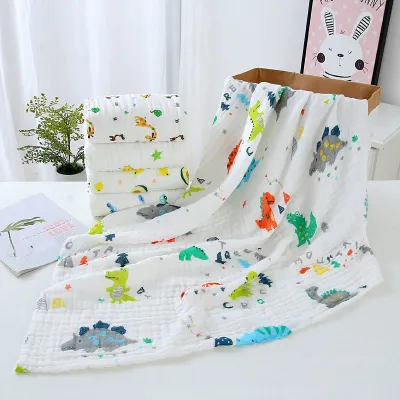
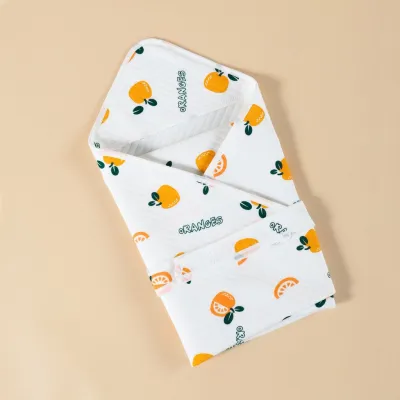
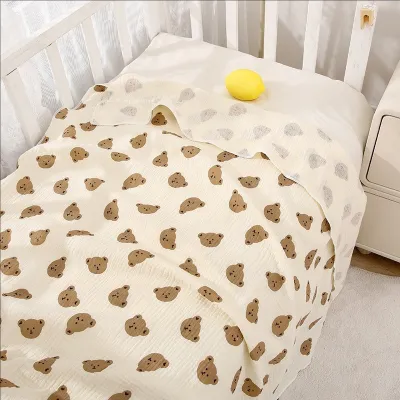
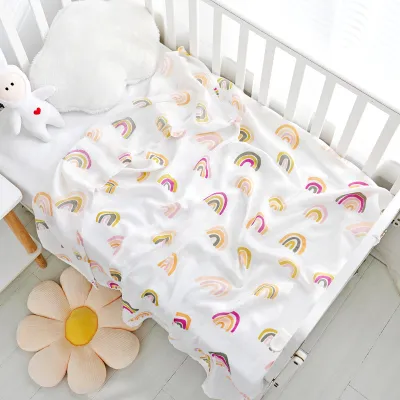
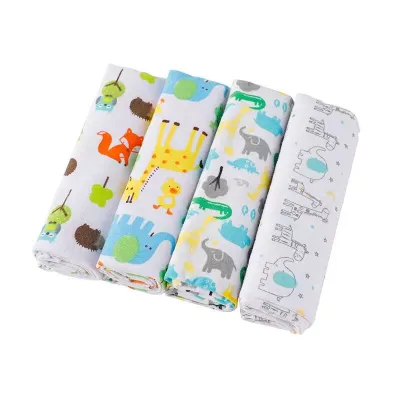
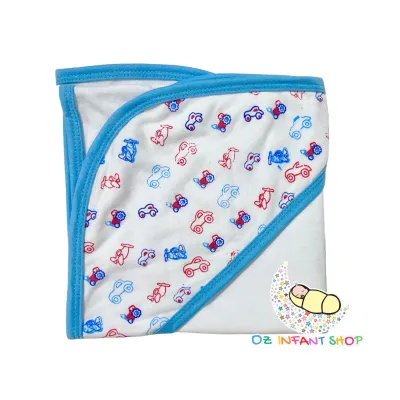
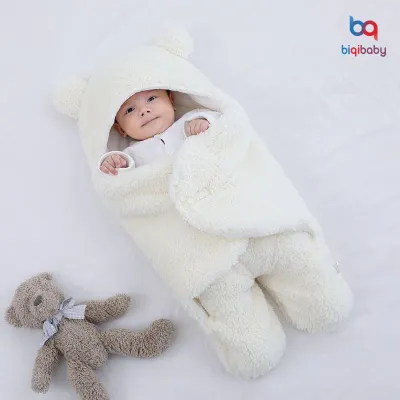
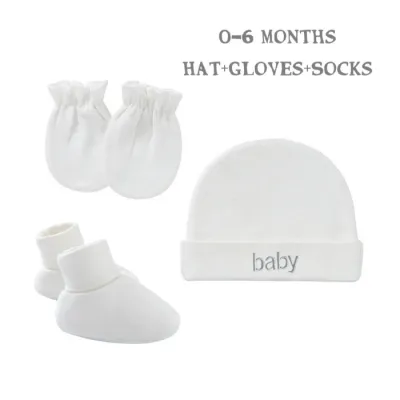
Prices are valid at publication and may change. Please refer to the product page for the latest price.
Breathability is the single most critical factor when selecting any bedding accessory for an infant. A breathable fabric allows air to circulate freely, which helps dissipate excess body heat and moisture. Because newborns do not have fully developed sweat glands, they can easily overheat in warm or humid environments. Overheating is a recognized risk factor for sleep-related infant distress, making highly permeable fabrics a necessity.
To evaluate breathability, caregivers can perform a simple physical check by holding the fabric up to their own mouth and attempting to breathe through it. If air passes through easily with minimal resistance, the material has a sufficiently open structure. If the fabric feels dense, heavy, or blocks airflow entirely, it is unsuitable for a newborn’s sleeping space.
Weight and weave density are closely linked to both breathability and physical safety. A blanket for a newborn should be exceptionally lightweight so that it does not restrict the baby’s chest movements or limbs. Heavy blankets can press down on a newborn’s chest, making it difficult for them to take deep breaths. Additionally, a dense weave can trap carbon dioxide if the blanket accidentally covers the baby’s face, increasing the risk of rebreathing.
Caregivers should also inspect the weave for potential physical hazards, such as loose loops or large decorative holes. While an open weave is excellent for airflow, the holes must not be large enough to trap a baby’s tiny fingers or toes. Snagging can cut off circulation or cause physical distress, so a fine, consistent, yet airy weave is the ideal balance.
Hypoallergenic properties and chemical safety are the final pillars of the baseline safety check. Many conventional textiles undergo chemical treatments during manufacturing, including bleaching, dyeing, and finishing processes to prevent wrinkling or shrinking. These chemical residues can trigger contact dermatitis or respiratory irritation in sensitive newborns.
To verify chemical safety, caregivers should look for reputable independent textile certifications on the product tag, such as the OEKO-TEX Standard 100 or the Global Organic Textile Standard (GOTS). These labels indicate that the fabric has been tested for harmful levels of toxic substances, formaldehyde, and heavy metals. If a blanket lacks these certifications, caregivers must carefully read the manufacturer’s care labels and product specifications to verify that no harsh chemical flame retardants or finishes were applied.
How to Evaluate Popular Blanket Fabrics
With a clear understanding of baseline safety criteria, caregivers can begin evaluating specific fabric categories available on the market. Each material type—whether derived from plants, animals, or synthetic fibers—presents unique physical properties, care requirements, and safety considerations. Evaluating these materials systematically ensures that the chosen blanket aligns with the baby’s developmental stage and the local climate.

Plant-Based Fibers: Cotton, Bamboo, and Muslin
Plant-based fibers are widely regarded as some of the most suitable choices for newborn bedding due to their natural softness, breathability, and ease of maintenance. Cotton, bamboo-derived viscose, and cotton muslin are highly popular options that perform exceptionally well in warm and humid conditions. However, not all plant-based fabrics are processed equally, requiring careful inspection of their labels and physical structure.
Cotton is a classic choice that offers excellent durability and natural breathability. When selecting cotton blankets, organic cotton is highly recommended because it is grown without synthetic pesticides and processed without harsh chemical dyes. This significantly reduces the risk of skin irritation for newborns with eczema or highly sensitive skin. Caregivers should look for GOTS-certified organic cotton to ensure the highest standards of environmental and chemical safety.
Muslin is not a separate fiber but rather a specific type of plain-weave cotton that is exceptionally loose, lightweight, and breathable. Muslin blankets are highly favored in tropical regions like the Philippines because their open structure allows heat to escape rapidly, preventing sweat buildup and heat rash. The lightweight nature of muslin also makes it highly versatile for swaddling, as it conforms easily to the baby’s body without adding unnecessary bulk.
Bamboo-derived fabrics, often labeled as bamboo viscose or rayon, have gained popularity for their silky texture and natural moisture-wicking properties. Bamboo fibers are highly absorbent, drawing moisture away from the baby’s skin to keep them dry and comfortable in humid weather. However, caregivers should verify that the bamboo fabric is processed responsibly and does not contain chemical residues from the manufacturing process.
Regardless of the specific plant-based fiber chosen, verifying the care instructions on the product tag is essential. Newborn blankets require frequent washing to remove spit-up, milk spills, and diaper leaks. Caregivers must ensure the fabric can withstand regular machine washing in warm water without losing its softness, shrinking excessively, or warping in shape, as structural degradation can compromise the blanket’s safety and comfort over time.
Animal-Based Fibers: Wool and Cashmere
Animal-based fibers like wool and cashmere are renowned for their exceptional thermal regulation properties, making them highly effective at keeping babies warm in cooler environments. While these materials are less common in tropical lowlands, they are often considered for air-conditioned nurseries or cooler highland regions. However, animal fibers require a higher level of scrutiny to ensure they do not irritate a newborn’s delicate skin.
The primary concern with animal-based fibers is their physical texture. Coarse or low-grade wool fibers can have microscopic scales that scratch and irritate sensitive skin, potentially triggering flare-ups of infant eczema. If choosing wool, caregivers should look for ultra-fine merino wool or cashmere, which have much finer fibers that feel incredibly soft and smooth to the touch.
Washing and maintenance present another significant challenge for animal-based blankets. Many wool and cashmere blankets require delicate hand washing or dry cleaning to prevent shrinkage and felting. Felting occurs when heat, moisture, and friction cause the fibers to lock together, turning a soft, breathable blanket into a stiff, dense, and non-breathable mat. Caregivers must carefully evaluate whether they have the time and resources to follow these strict care instructions to maintain the blanket’s safety and performance.
Additionally, caregivers must monitor the weight and thermal properties of animal-fiber blankets closely. Because these materials are highly efficient at trapping heat, they can easily cause a baby to overheat if the room temperature rises. These blankets are best reserved for strictly controlled, air-conditioned environments where the temperature remains consistently cool, and they should never be used in warm, unventilated spaces.
Synthetic and Blended Fabrics
Synthetic fabrics, such as polyester fleece, microfiber, and acrylic, are widely available and often highly affordable. While these materials are prized for their durability, stain resistance, and plush feel, they present specific safety and breathability challenges that caregivers must carefully evaluate before use.
The most significant drawback of synthetic fibers is their limited breathability and poor moisture-wicking capabilities. Unlike natural fibers, polyester and acrylic tend to trap heat and moisture against the baby’s skin, creating a warm, damp microclimate. In humid tropical climates, this can quickly lead to overheating, discomfort, and severe heat rash. If synthetic blankets are used, they should feature a very thin, open-knit construction rather than a thick, dense fleece pile.
Chemical treatments are another area of concern for synthetic bedding. Some synthetic blankets are treated with chemical flame retardants or harsh dyes to meet industrial standards. Because newborns frequently put blanket corners in their mouths, these chemical treatments pose potential ingestion and inhalation risks. Caregivers should thoroughly read the manufacturer’s specifications to verify that the synthetic material is certified free from harmful chemical additives.
Finally, synthetic fabrics are highly prone to pilling and shedding over time. Pilling creates small, loose fiber balls on the surface of the blanket, which a newborn can easily inhale or swallow. Shedding fibers can also accumulate around the baby’s fingers, toes, or neck, posing subtle entanglement or circulation risks. Caregivers should regularly inspect synthetic blankets for signs of wear and discontinue use if the fabric begins to pill, shed, or lose its structural integrity.
Red Flags: What to Avoid in Fabric and Construction
When shopping for newborn blankets, caregivers must be vigilant in identifying physical and chemical warning signs that indicate a product is unsafe. Even a blanket made from high-quality organic cotton can pose significant hazards if its construction or design is flawed.
First, inspect the blanket thoroughly for loose threads, long decorative fringes, or heavy embellishments. Items like tassels, ribbons, buttons, or embroidered patches can easily detach under tension or after repeated washings, presenting severe choking hazards. Loose threads can also wrap around a baby’s tiny fingers, toes, or wrists, cutting off blood circulation in a condition known as a hair tourniquet. Caregivers should choose blankets with clean, simple, and securely stitched hems.
Second, pay close attention to chemical odors and dye stability. If a new blanket emits a strong, pungent chemical smell upon opening, this is a clear indicator of heavy chemical processing or volatile organic compound (VOC) emissions. Furthermore, if the blanket’s dyes bleed excessively during the initial wash, the fabric may contain unstable, low-quality colorants that can easily transfer to the baby’s skin or mouth. Any blanket exhibiting these chemical red flags should be returned or discarded.
Third, avoid blankets that are excessively heavy, thick, or stiff. Thick quilts, heavy knit blankets, and dense fleece throws are highly dangerous for newborns because they can easily obstruct the baby’s airway if they shift during sleep. A stiff fabric can also restrict the baby’s natural movements, preventing them from turning their head or shifting their limbs if they experience discomfort. A safe newborn blanket should always be soft, highly pliable, and light enough to drape gently without adding physical pressure.
Matching the Blanket to the Sleep Environment
Selecting the safest material is only the first step; caregivers must also ensure that the blanket is used safely within the baby’s actual sleep environment. Safe sleep practices are essential to prevent accidental suffocation, entrapment, and overheating, regardless of the fabric chosen.
In the Philippines, where indoor temperatures can fluctuate significantly between air-conditioned rooms and natural ventilation, caregivers must match the blanket’s thermal properties with the ambient room temperature and the baby’s clothing layers. A common rule of thumb is to dress the baby in one additional layer than an adult would wear to feel comfortable in the same room. If the room is warm and humid, a single layer of lightweight muslin or a thin cotton swaddle is usually sufficient, whereas an air-conditioned room may warrant a slightly warmer cotton knit.
Caregivers must strictly follow pediatric safe sleep guidelines regarding blanket placement. During sleep, the blanket should only reach up to the baby’s chest, with their arms left free. The sides and bottom of the blanket must be tucked securely under the crib mattress to prevent it from shifting or pulling over the baby’s face. For many families, transitioning to a wearable sleep sack or baby sleeping bag is a highly recommended alternative, as it eliminates the risk of loose blankets entirely while keeping the baby comfortably warm.
Finally, caregivers must continuously monitor the baby for physical signs of discomfort or overheating during use. Check the back of the baby’s neck or their chest; if the skin feels hot, sweaty, or damp, the baby is too warm, and layers should be removed immediately. Watch for any signs of skin redness, localized rashes, or shallow, rapid breathing, which indicate that the current bedding material or sleep environment needs immediate adjustment.
Frequently Asked Questions (FAQ)
Are weighted blankets safe for newborns?
No, weighted blankets are not safe for newborns or infants under any circumstances. The added weight of these blankets can restrict a newborn’s chest expansion, making it difficult for them to breathe deeply and potentially leading to chest compression or suffocation. Additionally, newborns lack the motor skills and physical strength to push a weighted blanket away if it accidentally covers their face or nose. Caregivers should always consult pediatric guidelines and strictly adhere to manufacturer age and weight restrictions, which universally advise against using weighted bedding for infants.
How often should newborn blankets be washed?
Newborn blankets should be washed frequently, typically every few days or immediately when they become soiled with spit-up, sweat, milk, or diaper leaks. Frequent washing is necessary to remove allergens, dust mites, and bacteria that can irritate a newborn’s sensitive skin and respiratory system. However, to prevent fabric degradation, pilling, or loss of softness from over-washing, caregivers should use gentle wash cycles and mild, fragrance-free, baby-safe detergents. Always follow the specific care instructions on the fabric tag to maintain the blanket’s structural integrity and safety.

Community discussion
Share your experience or ask a question. Comments are reviewed before publication.