
Starting the weaning journey is an exciting milestone in your baby boy’s development, marking his first steps toward independent eating and drinking. In a warm, tropical climate like the Philippines, keeping your little one properly hydrated is especially important as he begins to explore solid foods and transition away from exclusive breast or bottle feeding. Choosing the right drinking bottle is not about finding a single, universally perfect product, but rather about matching the bottle’s design to your baby’s current physical milestones, oral motor skills, and personal preferences.
Rather than feeling overwhelmed by the vast array of options on the market, parents can approach this transition by understanding how different cup designs support developmental growth. The three primary choices—straw bottles, spout cups, and 360-degree cups—each offer unique benefits and learning curves. By observing your baby’s readiness and understanding the functional differences of each bottle type, you can select a tool that minimizes frustration and encourages a smooth, positive transition to independent drinking.
Understanding Your Baby Boy's Weaning Stage and Readiness
Before purchasing any weaning bottle, it is essential to assess your baby boy’s physical readiness. Weaning is a gradual process that requires a combination of gross motor skills, fine motor skills, and oral coordination. You can begin looking for observable signs of readiness, such as your baby sitting up unassisted in a high chair, showing a keen interest in the food and drinks on your plate, and actively reaching for objects with a purposeful grasp. If your baby can bring his hands to his mouth reliably, he is likely physically ready to start practicing with a transitional cup.
Products mentioned in this guide
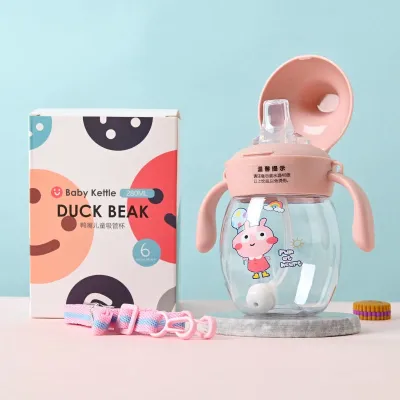
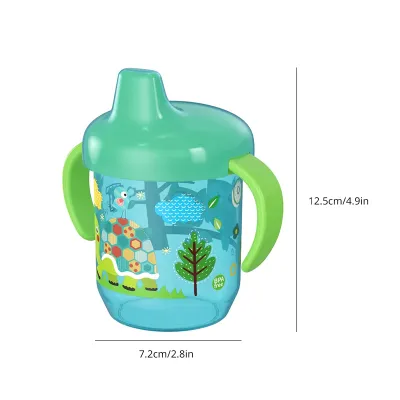
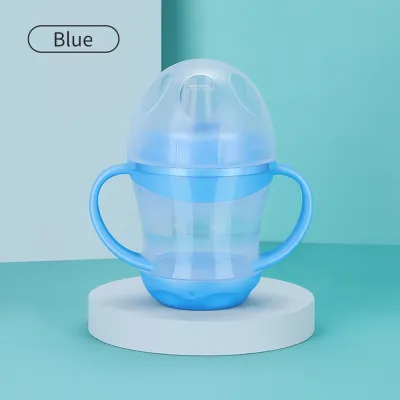
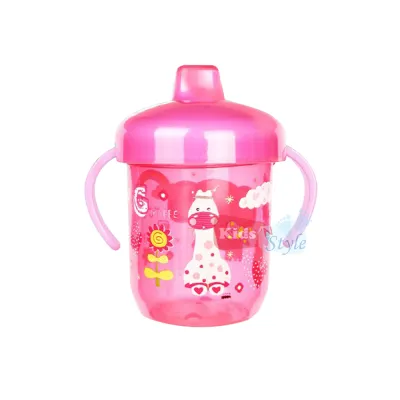
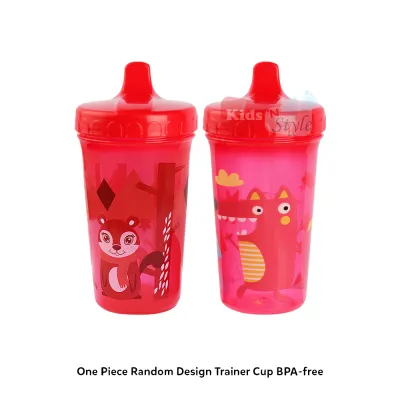
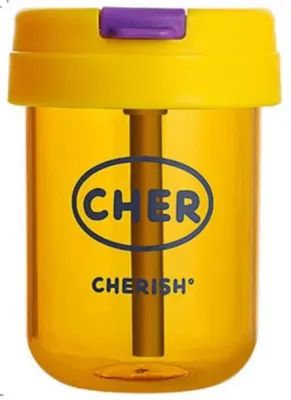
Prices are valid at publication and may change. Please refer to the product page for the latest price.
Different bottle types require distinct motor skills and coordination patterns. For instance, a traditional spout cup requires the baby to grasp the handles, tilt his head back, and elevate the bottom of the cup to get the liquid to flow. This action is very similar to drinking from a standard baby bottle, making it easier for younger babies to grasp initially. On the other hand, a straw bottle requires the baby to keep his head upright while using active suction to draw liquid upward, which demands more advanced lip sealing and tongue coordination. A 360-degree cup requires the baby to tilt the cup while simultaneously applying lip pressure to a silicone valve to release the liquid, combining multiple motor tasks at once.
It is important to remember that chronological age guidelines on product packaging are merely general estimates, and individual developmental pacing varies significantly from child to child. While some babies may show the coordination needed for a straw cup at six months, others may prefer the familiar tilt mechanism of a spout cup until they are eight or nine months old. Forcing a bottle type before your baby’s oral muscles and motor skills are ready can lead to frustration, coughing, or a refusal to drink. Observing your baby’s daily progress and letting his comfort level guide your choices will ensure a much happier weaning experience.
Comparing Weaning Bottle Types: Straw, Spout, and 360 Cups
To make an informed decision, it helps to compare how each bottle type functions as a transitional tool. Each design interacts differently with your baby’s mouth, teeth, and swallowing patterns, influencing both his immediate comfort and his long-term oral development. Understanding these differences allows you to choose a bottle that aligns with your primary goals, whether you prioritize oral muscle training, ease of transition, or spill prevention during active play.

Straw Bottles for Oral Motor Development
Straw bottles are highly recommended by pediatric speech and language therapists because of the way they promote healthy oral motor development. When a baby drinks from a straw, he must draw his tongue back into the mouth, seal his lips tightly around the straw, and use his cheek muscles to create suction. This action, known as tongue retraction, is a crucial step in developing mature swallowing patterns and strengthening the muscles used for speech. Unlike spout cups, straw bottles prevent the tongue from thrusting forward, which supports natural jaw alignment.
Despite these developmental benefits, mastering a straw bottle involves a distinct learning curve for a weaning baby. Managing the flow of liquid through a straw requires precise coordination; babies must learn to suck, hold the liquid in their mouth, and swallow safely without inhaling the fluid. Initially, your baby might take in too much liquid at once, leading to mild coughing or sputtering. Choosing a straw bottle with a weighted straw can help ease this learning curve, as the weight ensures the straw remains in the liquid even when the baby tilts the bottle in different directions.
Introducing a straw bottle is ideal when your baby has already mastered basic swallowing of purees and shows a strong interest in mimicking adult drinking habits. Because adults frequently drink from straws, babies often find these bottles highly engaging and are eager to copy the behavior. If your baby boy is already comfortable with sucking motions but needs to transition away from the breast or a standard bottle nipple, a straw cup offers an excellent, developmentally beneficial next step that can be used well into toddlerhood.
Spout Bottles for Transitioning from Breast or Standard Bottles
Spout bottles, often referred to as sippy cups, are the traditional first step for many families transitioning away from breast or standard baby bottles. The primary appeal of a spout cup lies in its familiar design; the wide, flat spout fits easily into a baby’s mouth, and the tilt-and-drink mechanism closely mirrors the bottle-feeding experience. This familiarity can make the initial transition less intimidating for a baby who is resistant to change, as it requires very little adjustment to his established drinking habits.
However, pediatric dentists often advise caution regarding the long-term, exclusive use of spout bottles. Many spout designs, particularly those made of hard plastic, require the baby to hold the tongue forward under the spout to drink, which can perpetuate an immature infantile swallowing reflex. Prolonged use of hard spouts can potentially impact natural palate formation and dental alignment, especially as your baby’s primary teeth begin to emerge. To mitigate this, look for spouts made of soft, flexible, food-grade silicone that yield to the natural shape of your baby’s mouth.
To use spout bottles safely and effectively, view them strictly as a temporary transitional tool rather than a long-term solution. Signs that your baby is ready to transition away from a spout bottle include his ability to sit completely upright, improved hand-eye coordination, and a developing interest in open cups. If your baby boy is constantly biting down hard on the spout rather than drinking, or if he has used the spout cup for several months and is approaching his first birthday, it is generally an ideal time to introduce a straw or a 360-degree cup.
360 Cups for Spill Prevention and Independent Drinking
The 360-degree cup is an innovative design featuring a circular silicone valve secured over a plastic collar. This mechanism allows the baby to drink from any edge of the cup, just like an open glass, but the valve seals shut automatically as soon as the baby stops applying lip pressure. This design makes the 360 cup exceptionally practical for active babies, as it prevents spills and leaks even when the cup is dropped from a high chair, tossed onto the floor, or tipped upside down during play.
From a developmental perspective, 360 cups are excellent for promoting mature drinking patterns. Because the baby must place his lips on the rim and tilt his head back to drink, the cup mimics the exact mechanics of drinking from an open cup. This action encourages proper lip sealing and jaw stabilization without the dental risks associated with prolonged spout use. It serves as a perfect stepping stone to a standard open cup, helping your baby boy learn how to control the tilt of a cup without the mess of constant spills.
Despite these advantages, some babies find the 360 cup challenging at first. The silicone valve requires a specific biting or pressing motion with the lips to release the liquid, which can cause initial frustration for a thirsty baby who expects an immediate flow. Additionally, the multi-piece valve assembly can be complex to clean thoroughly. In humid climates, milk or juice residue trapped in the hidden crevices of the silicone valve can quickly become a breeding ground for mold if the cup is not disassembled and washed immediately after use.
Key Features to Check When Buying a Weaning Bottle
When shopping for a weaning bottle, safety, durability, and ease of use should be your top priorities. Always verify material safety labels directly on the product packaging before making a purchase. Ensure the bottle is clearly labeled as BPA-free, BPS-free, and made from non-toxic, food-grade materials. High-quality plastics like polypropylene (PP) or polyphenylsulfone (PPSU) are excellent choices because they are lightweight, shatterproof, and capable of withstanding high sterilization temperatures without degrading.
Ergonomic design features are crucial for helping small hands manage a bottle independently. Look for bottles equipped with easy-to-grip, removable handles that are textured or contoured for a baby’s small fingers. A weighted base is another valuable feature, as it helps keep the bottle upright when placed on a high chair tray, reducing accidental spills. When searching for a durable “tubigan bottle for baby boy” options on local online marketplaces, prioritize designs that offer a clear, visible measurement scale on the side of the bottle so you can easily monitor your baby’s daily fluid intake.
Finally, evaluate the leak-proof mechanisms and the long-term durability of the valves and seals. A good weaning bottle should have a secure, tight-fitting lid to protect the straw or spout from dirt when you are on the go. Because babies often chew on silicone parts when teething, check the local availability of replacement parts, such as extra straws, spouts, or silicone rings. Being able to purchase replacement parts easily ensures you do not have to discard the entire bottle if a single component becomes worn or damaged.
How to Introduce and Transition to the New Bottle
Introducing a new drinking bottle requires patience, consistency, and a stress-free environment. The timing of your first attempt can significantly influence your baby’s reaction. Choose a time of day when your baby boy is alert, calm, and only slightly hungry or thirsty—such as during a mid-morning snack. Avoid introducing a new cup when he is overly tired, teething, or extremely hungry, as these states lower his tolerance for frustration and may lead to an immediate rejection of the bottle.
One of the most effective ways to teach your baby how to use a new cup is through modeling. Babies are natural imitators and learn rapidly by watching their caregivers. Sit with your baby and drink water from your own cup, making exaggerated, cheerful sipping sounds to capture his attention. You can also hold his new weaning bottle, take a sip yourself (ensuring the mouthpiece is clean), and then offer it to him with an encouraging smile. Seeing you use the object demystifies it and makes him curious to try it himself.
If your baby struggles with the new bottle, throws it, or begins to cry, remain calm and avoid forcing the issue. Gently take the bottle away, offer praise for his effort, and try again on another day. It can take several attempts over a few weeks for a baby to understand how to draw liquid from a straw or open a 360-degree valve. Keeping the experience positive and low-pressure ensures that your baby boy associates the new bottle with comfort and independence rather than frustration.
Cleaning and Maintaining Weaning Bottles Safely
Maintaining strict hygiene is vital when caring for weaning bottles, especially in warm, humid climates where bacteria and mold can multiply rapidly. To clean the bottle safely, you must completely disassemble all of its components after every use. This means removing the silicone straws, pulling apart the multi-piece valves, detaching the handles, and removing any rubber sealing rings from the lid. Skipping this step allows liquid residue to pool in hidden crevices, creating a sanitary hazard.
Before washing, always check the manufacturer’s instructions on the packaging for specific sterilization limits and temperature tolerances. While some high-quality plastics and food-grade silicone parts can safely withstand boiling water, steam sterilizers, or the top rack of a dishwasher, other materials may warp, melt, or degrade under extreme heat. Use a mild, baby-safe dishwashing liquid and dedicated, small-bristle brushes to scrub the inside of straws and narrow valve openings thoroughly.
After washing, place all disassembled parts on a clean, elevated drying rack in a well-ventilated area. Allow every component to air-dry completely before reassembling the bottle, as trapping moisture inside a closed cup encourages mold growth. Regularly inspect the silicone straws, spouts, and valves for signs of wear, tears, or deep bite marks from teething. Replace any damaged silicone parts immediately to prevent them from tearing further or becoming potential choking hazards.
Frequently Asked Questions (FAQ)
When should I stop using a spout bottle?
Pediatric dental guidelines generally suggest transitioning away from spout bottles by the time your baby reaches 12 months of age. Prolonged use of hard spouts can interfere with natural tongue positioning and dental alignment. If your baby boy can sit unassisted, hold a cup with both hands, and manage thicker liquids, he is ready to transition to a straw bottle or a 360-degree cup, which support healthier oral muscle development.
Can I put breast milk or formula in a 360 cup?
Yes, you can put breast milk or formula in a 360-degree cup, but doing so requires meticulous cleaning. Milk fats and proteins can easily cling to the intricate crevices of the silicone valve and collar, leading to rapid bacterial growth if not cleaned immediately. If you choose to serve milk in a 360 cup, ensure you disassemble and scrub every single part with warm, soapy water right after your baby finishes drinking.

Community discussion
Share your experience or ask a question. Comments are reviewed before publication.