
Choosing the right Tommee Tippee sippy cup for your baby’s weaning stage depends on matching the cup’s specific spout, valve, and handle design to your baby’s physical milestones rather than relying solely on age labels. As your little one transitions from breast or bottle feeding to independent drinking, their motor skills, oral development, and coordination dictate which cup style will support their progress without causing frustration. By carefully checking the manufacturer’s packaging for features like soft silicone spouts, free-flow or valved mechanisms, and ergonomic handles, you can select a cup that aligns with their current stage of weaning. In the tropical climate of the Philippines, keeping your baby hydrated during warm days makes finding an easy-to-clean, reliable cup a top priority for parents navigating this developmental milestone.
Understanding Your Baby's Weaning Stages and Cup Readiness
Introducing a cup is a significant milestone in your baby’s developmental journey. It marks the beginning of a transition from relying entirely on sucking a nipple to learning how to sip, swallow, and coordinate hand-to-mouth movements. This process requires a combination of physical strength, fine motor skills, and oral coordination that develops gradually over several months.
Before introducing any cup, look for observable signs of physical readiness. Your baby should be able to sit up unassisted with good head and neck control, which is crucial for safe swallowing. They should also demonstrate the ability to reach for objects, grasp them securely, and bring them directly to their mouth without losing balance.
Products mentioned in this guide
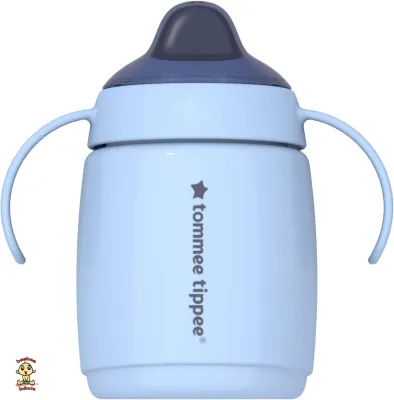
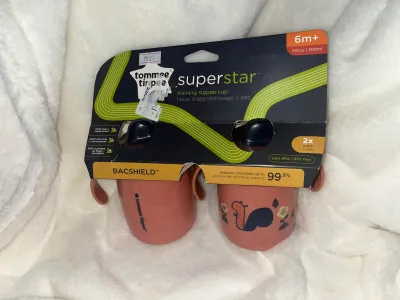
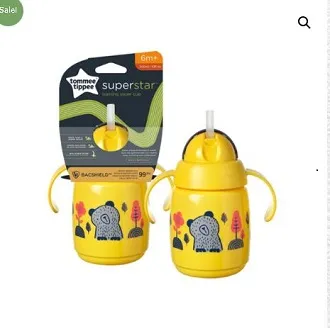
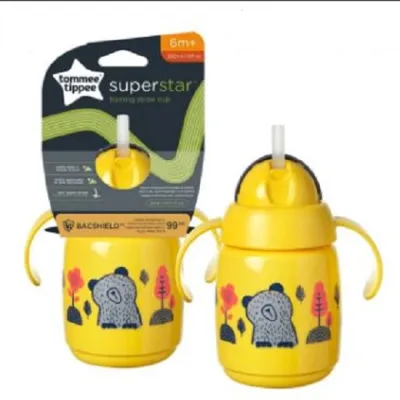
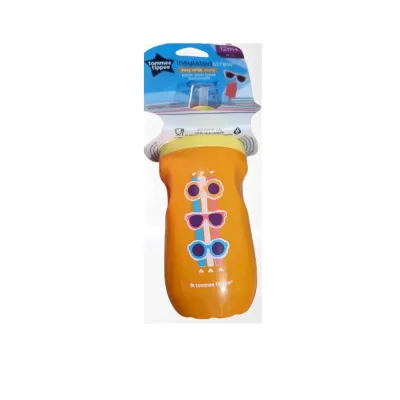
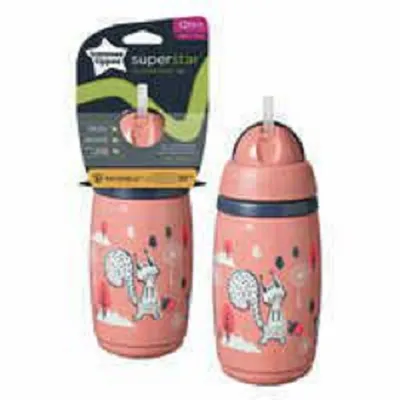
Prices are valid at publication and may change. Please refer to the product page for the latest price.
Another key indicator is a keen interest in self-feeding and mimicking your actions. If your baby watches you drink from a glass, reaches for your cup, or tries to grab the spoon during mealtime, they are likely ready to begin exploring a cup. These behavioral cues show that their cognitive development is aligning with their physical capabilities.
It is helpful to distinguish between early weaning exploration and the active transition from bottle to cup. Early weaning, which typically begins around six months of age, is focused on sensory exploration and learning the mechanics of holding a cup. The active transition, which often occurs later, involves replacing milk feeds with water or other liquids to support daily hydration.
While manufacturers print age recommendations on their packaging, these labels should be treated as general starting points rather than strict rules. Every baby develops at their own pace, and a cup labeled for six months may not suit a baby who is still developing the grip strength to lift it. Always prioritize your baby’s actual physical milestones and comfort level over the age printed on the box.
Key Features to Check on Tommee Tippee Sippy Cup Packaging
When browsing options in stores or on online marketplaces, paying close attention to the packaging details will help you make an informed decision. The box contains essential specifications regarding materials, design features, and cleaning instructions that directly impact usability. Understanding these details ensures you select a cup that is both safe and functional for your daily routine.

The spout design is one of the most critical features to evaluate on the packaging. Soft silicone spouts are highly recommended for beginners because they feel familiar to babies accustomed to bottle nipples or breastfeeding. Hard plastic spouts are more durable and bite-resistant, making them suitable for older babies who have begun teething. Straw designs and 360-degree rims encourage mature oral muscle development by teaching babies to seal their lips and swallow correctly.
Valve mechanisms are another key feature to verify before purchasing. Free-flow cups allow liquid to trickle out easily when the cup is tilted, which helps babies understand the connection between tilting the cup and receiving liquid. Valved or spill-proof cups require the baby to actively suck to release the liquid, which prevents messy spills but demands more physical effort.
Material safety indicators must be verified on every product package. Look for clear labels indicating that the cup is BPA-free to ensure no harmful chemicals leach into your baby’s drinks. Additionally, check for symbols indicating whether the cup is dishwasher-safe or compatible with steam, boiling water, or UV sterilizers, which is particularly important for maintaining hygiene in warm, humid climates.
Handle designs play a significant role in helping your baby develop fine motor skills. Some cups feature large, textured, removable handles that are easy for tiny hands to grasp and hold steady. As your baby’s grip strength improves, removing the handles allows them to practice holding the cup’s body directly, preparing them for standard open cups.
Matching Tommee Tippee Cup Designs to Developmental Milestones
To make the transition as smooth as possible, it is best to match the cup’s physical features to your baby’s progressing abilities. The brand offers a variety of designs tailored to different stages of growth, allowing you to step up the complexity of the cup as your baby’s coordination improves.
Before introducing any new model, always consult the manufacturer’s guidelines printed on the packaging or instruction manual. These documents provide specific details regarding age suitability, weight limits, and safety warnings that are unique to each design. Checking these guidelines ensures you are using the product safely and as intended.
Starter Cups for Early Weaning (Typically Around 6 Months)
Starter cups are designed specifically for babies who are just beginning their weaning journey and learning how to handle liquids other than milk. These cups focus on comfort and ease of use, helping your baby build confidence without feeling overwhelmed by heavy or complicated designs.
When selecting a starter cup, look for features like ultra-soft silicone spouts that are gentle on sensitive, teething gums. The cup body should be lightweight and equipped with large, easy-grip handles that allow your baby to practice the hand-to-mouth motion. Simple free-flow designs or very gentle, low-resistance valves are ideal at this stage because they require minimal sucking effort.
Always check the packaging label to verify the minimum age suitability, which is typically marked for babies around four to six months old. Look for explicit indicators of spout softness and handle ergonomics to ensure the cup matches your baby’s delicate mouth and limited grip strength.
Keep in mind that starter cups have specific limitations. They are designed primarily for learning the basic mechanics of drinking and hold smaller volumes of liquid, usually around 150ml. Because they often feature free-flow designs or soft spouts, they are not intended for large volume intake or for use while your baby is actively moving around.
Transition Cups for Active Sipping (Typically 6 to 12 Months)
As your baby becomes more active and gains better control over their hands and mouth, they will require a cup that can keep up with their movements. Transition cups are built to handle increased physical activity while helping your baby refine their drinking skills.
For this stage, look for cups featuring spill-proof valves that prevent leaks when the cup is dropped, tipped over, or shaken. These cups often have slightly firmer spouts or early weighted straw designs that allow your baby to drink from any angle, even while sitting up or reclining. The cup bodies are typically contoured or textured to make them easy to hold without handles.
When reviewing the packaging, check the complexity of the valve system and the specific cleaning instructions. Spill-proof valves contain multiple small parts that must be disassembled and cleaned thoroughly to prevent residue buildup. Ensure the packaging clearly outlines how to take the valve apart and reassemble it correctly.
A common trade-off with transition cups is that spill-proof valves require more sucking effort than starter cups. Some babies who are used to the easy flow of a bottle or a free-flow cup may become frustrated by this resistance. If your baby struggles to get liquid out, you may need to temporarily remove the valve or switch back to a softer spout until their sucking strength develops.
Advanced Cups and Straws for Toddlers (Typically 12 Months and Up)
By the time your baby reaches twelve months, they are developing mature oral motor skills and require cups that prepare them for drinking from standard open glasses. Advanced cups focus on independence, durability, and supporting healthy dental development.
Look for advanced features such as 360-degree drinking rims, which allow your toddler to sip from any part of the edge just like an adult cup. Durable straw cups are also excellent choices at this stage, as they encourage the tongue and lip muscles to work together in a mature swallowing pattern. Hard, bite-resistant spouts are ideal for toddlers who tend to chew on their cups while teething.
Check the packaging for bite-resistance claims and specific straw cleaning requirements. Straw cups often require specialized, thin brushes to clean the inside of the straw effectively, so verify if these tools are included or recommended by the manufacturer.
Pay attention to transition signs that indicate it is time to move away from spouts entirely. If your toddler is biting through silicone spouts, showing advanced coordination, or if your pediatric dentist recommends it, transitioning to straw or 360-degree cups will help protect their developing teeth and support natural speech patterns.
How to Verify Safety and Suitability Before Buying
Ensuring the safety of your baby’s drinking cup requires careful inspection and verification before the product ever reaches their mouth. Even high-quality cups must be checked thoroughly to guarantee they are free from defects and suitable for your baby’s specific developmental stage.
Before the first use, inspect the physical product carefully. Check all silicone spouts, valves, and straws for any manufacturing defects, tears, or loose pieces of plastic that could pose a choking hazard. Ensure that all components fit together snugly and that there are no sharp edges on the plastic body or handles.
Cross-reference the cup’s recommended age and features with your baby’s actual motor skills and teething status. If your baby is an aggressive chewer, a soft silicone spout may not be safe, as they could bite off and swallow small pieces. In such cases, a harder spout or a bite-resistant straw cup is a safer choice, regardless of the age printed on the packaging.
To ensure you are purchasing an authentic product, buy only from official brand stores or verified distributors on reputable ecommerce platforms. Counterfeit baby products may use substandard plastics that contain harmful chemicals or have weak components that break easily. Authentic packaging will feature clear manufacturer markings, batch codes, and safety certifications that you can verify.
When budgeting for weaning essentials in the Philippines, you can expect to invest around ₱300 to ₱600 for a quality cup, making it important to choose a model that lasts. Be prepared to stop using a specific cup immediately if you observe any signs of wear or safety issues. If your baby manages to tear a spout, if the plastic body cracks after being dropped, or if your baby shows persistent frustration and refuses to drink, discontinue use. Your baby’s safety and comfort should always guide your decision to replace or upgrade a cup.
Cleaning and Maintenance Essentials for Sippy Cups
Proper cleaning and maintenance are vital to keeping your baby’s sippy cup hygienic and safe to use. Because these cups are designed to hold milk, juice, or water, they can easily harbor bacteria and mold if they are not cleaned thoroughly after every use, especially in warm and humid tropical climates.
Always completely disassemble the cup before washing. This means removing the spout, pulling out the spill-proof valve, separating the straw components, and taking off any removable handles or silicone seals. Mold thrives in the dark, damp crevices of assembled cups, so washing them while fully put together is not sufficient to maintain hygiene.
Check the manufacturer’s label on the packaging to confirm the approved sterilization methods. Some cups are compatible with boiling water, steam sterilizers, or UV sterilizers, while others may warp or degrade when exposed to high heat or specific light wavelengths. Following the manufacturer’s instructions prevents premature damage to the plastic and silicone parts.
Establish a routine for visually inspecting the cup components during every wash. Look closely at the silicone spouts, valves, and straws for any signs of wear, thinning, or tiny tears. Gently stretch the silicone to check for hidden damage that might not be visible when the part is relaxed.
Replace cup components immediately if you notice any signs of deterioration. This includes persistent discoloration, stubborn odors that do not go away after washing, visible tears in the silicone, or deep scratches on the plastic body. Scratches can harbor bacteria that are difficult to clean, making replacement the safest option for your baby’s health.
Frequently Asked Questions (FAQ)
Can I put hot liquids in a Tommee Tippee sippy cup?
You should always check the specific product’s packaging for thermal limits before putting warm liquids inside. As a general safety rule, do not put hot or boiling liquids into sealed, spill-proof cups. The heat can cause pressure to build up inside the cup, which may force hot liquid to spray out of the spout or straw when opened, potentially causing burns. Always test the temperature of any warm liquid on the inside of your wrist before offering the cup to your baby to ensure it is safe.
How do I know if the spill-proof valve is working correctly?
To verify that the spill-proof valve is functioning as intended, ensure that all parts are completely dry and assembled correctly according to the manufacturer’s instructions. Check the silicone valve slit to make sure it is not blocked by dried milk, formula, or soap residue, which can prevent liquid from flowing or cause leaks. Keep in mind that no cup is completely leak-proof under all conditions; forceful impacts, such as being thrown from a high chair onto a hard floor or being squeezed tightly, can temporarily open the valve and cause minor spills.

Community discussion
Share your experience or ask a question. Comments are reviewed before publication.