
Protecting an active, growing baby from sharp furniture corners is a primary concern for parents, yet safeguarding your child should not mean permanently ruining your valuable furniture. When baby-proofing a home, finding a table corner edge protector that balances reliable impact absorption with surface preservation is a delicate task. Glass, wood, and marble tables each possess unique physical properties, finishes, and vulnerabilities. A heavy-duty adhesive that secures a foam bumper to a glass table might strip the finish off a cherished heirloom wood table or permanently stain a porous marble surface. To make the right choice, caregivers must evaluate how different protector materials, shapes, and adhesive types interact with these specific surfaces, ensuring a secure fit that withstands curious hands while keeping the underlying furniture intact.
Understanding Material Compatibility and Adhesive Risks
Before purchasing any table corner edge protector, it is essential to understand how different furniture materials interact with adhesives and physical impacts. Table surfaces vary widely in their porosity, surface tension, and finish sensitivity. For instance, non-porous surfaces like tempered glass offer excellent adhesion but show every smudge and residue line, while highly porous materials like unsealed marble can absorb liquid adhesives, leading to permanent discoloration. Wood tables, often treated with delicate varnishes, lacquers, oils, or waxes, are particularly vulnerable to chemical stripping when strong adhesives are peeled away.
The local climate also plays a significant role in how these materials behave. In the tropical heat and high humidity of the Philippines, standard adhesives can soften, degrade, or slide, reducing their holding power and leaving a sticky, hard-to-clean residue. Conversely, trapped moisture beneath a dense, non-breathable protector can damage wood finishes, causing cloudiness or mold growth. Therefore, caregivers must match the adhesive’s chemical makeup to the specific table finish.
Products mentioned in this guide
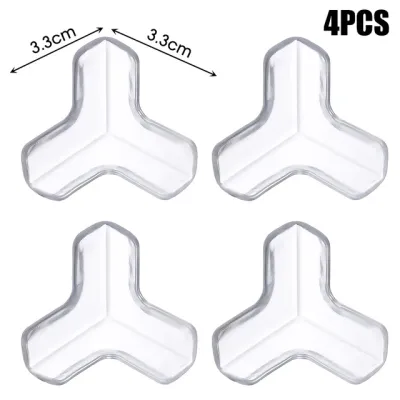
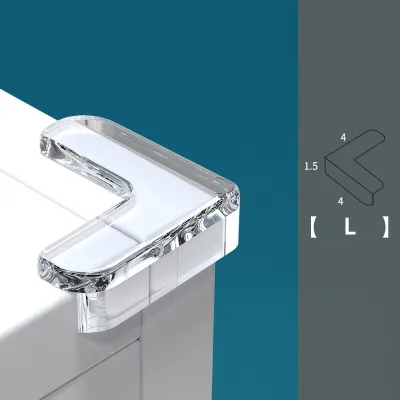
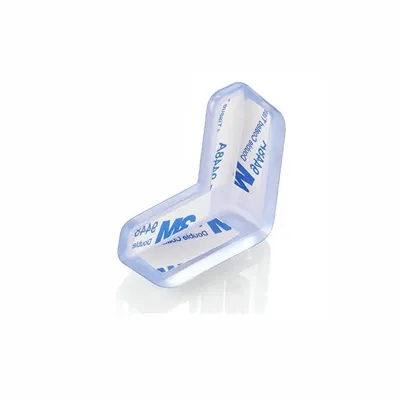
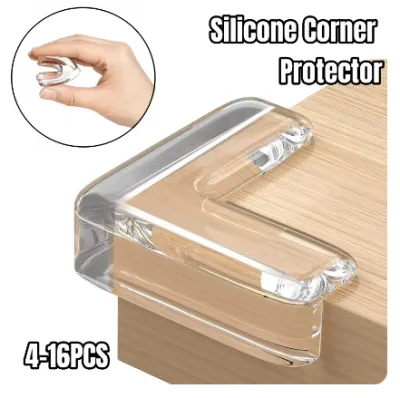
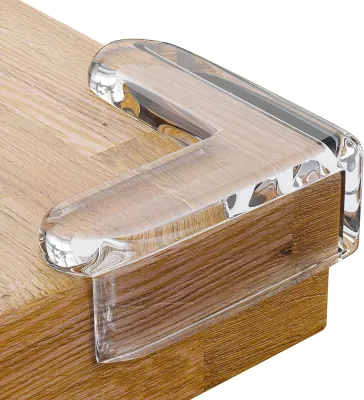
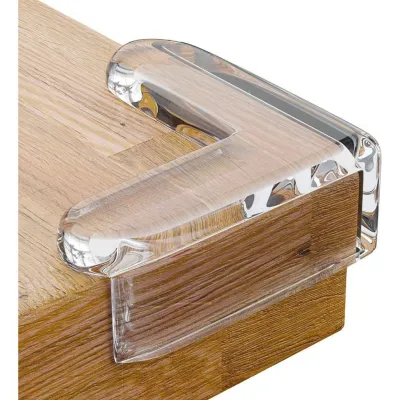
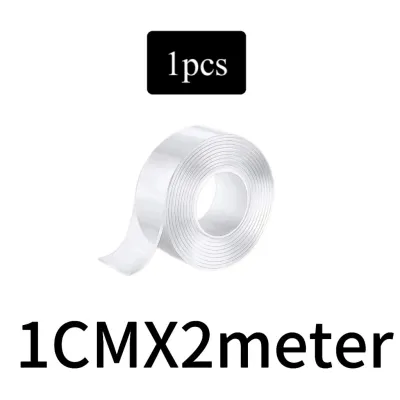
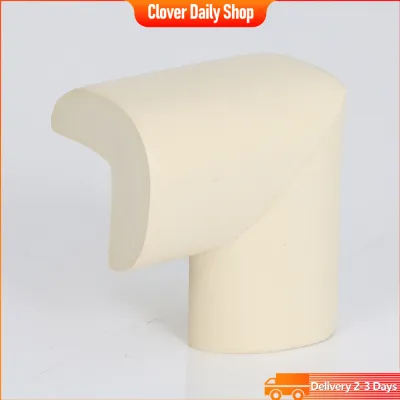
Prices are valid at publication and may change. Please refer to the product page for the latest price.
When assessing compatibility, always check the furniture manufacturer’s care labels, user manuals, or warranty terms for specific warnings regarding adhesive use. Many high-end furniture brands explicitly state which tape types or chemical solvents will void their warranties. If this information is unavailable, assume that any factory-applied finish—whether it is a polyurethane coat on wood or a sealant on stone—is susceptible to damage from high-tack acrylic adhesives. Caregivers should prioritize protectors that specify their adhesive compatibility or offer alternative mounting methods, such as friction-based fits or low-tack, residue-free gel tapes, to mitigate these risks.
Selecting Protectors for Glass Tables
Glass tables present a unique baby-proofing challenge because they combine sharp, unforgiving edges with complete transparency. Standard opaque foam protectors can disrupt the clean aesthetic of a glass table, making clear silicone or thermoplastic polyurethane (TPU) options highly popular. These clear materials maintain visibility, allowing the beauty of the table to show through while providing a soft, cushioned barrier against impacts. However, because glass is completely smooth and non-porous, any air bubbles or uneven adhesive application beneath a clear protector will be highly visible, requiring careful installation.

When choosing a table corner edge protector for glass, caregivers should evaluate both adhesive-backed options and suction-based alternatives. High-quality, clear double-sided acrylic tape is often recommended for glass because it forms a strong, transparent bond that resists sliding. For those hesitant to use adhesives, some specialized protectors utilize micro-suction technology or tight friction fits that grip the glass edge without any glue. However, these suction-based options must be checked regularly, as dust, humidity, and curious fingers can break the vacuum seal over time.
Physical dimensions are equally critical when selecting a protector for glass furniture. Caregivers must measure the glass edge’s bevel, overall thickness, and the exact angle of the corners. Many modern glass tables feature beveled or rounded edges rather than a simple 90-degree cut. A protector designed for a sharp, square corner will not sit flush on a beveled edge, creating gaps where dust can accumulate and where a toddler can easily get leverage to pull the protector off. Ensuring a flush, precise fit is key to both safety and longevity.
Selecting Protectors for Wood Tables
Wood tables require a thoughtful approach that balances impact protection with finish preservation. The primary trade-off when selecting a table corner edge protector for wood is between thick, high-density foam and low-profile silicone. Thick foam bumpers offer superior impact absorption, which is highly beneficial for sharp, heavy wooden corners as babies begin pulling themselves up to stand. However, these bulky foam protectors often require wider, stronger adhesive strips to stay in place, increasing the risk of surface damage. Low-profile silicone protectors are less obtrusive and work well for slightly rounded wooden corners, but they provide less cushioning for high-velocity impacts.
The type of wood finish dictates which adhesive is safe to use. Unsealed, waxed, oiled, or antique wood surfaces are highly sensitive and should never be subjected to strong acrylic or permanent adhesives. These finishes can easily peel off, discolor, or absorb the adhesive’s chemical solvents, leaving permanent scars on the wood. For sealed wood tables—such as those with a cured polyurethane or lacquer finish—gentle, residue-free mounting tapes are preferred. Even then, caregivers must exercise caution and avoid leaving adhesives on the wood for extended periods, as temperature fluctuations can cause the adhesive to bond permanently with the finish.
To prevent costly damage to a table that may have cost thousands of pesos, it is crucial to test any adhesive, mounting tape, or adhesive remover—which typically cost around ₱150 to ₱400—on a hidden area of the wooden table first. Apply a small piece of the tape, leave it for 24 to 48 hours, and then remove it carefully to check for any lifting of the finish, discoloration, or wood fiber tearing. If the finish shows signs of distress, look for alternative baby-proofing methods, such as using a full-coverage fabric table cover with padded corners, or temporarily moving the wooden table out of the child’s active play area.
Selecting Protectors for Marble and Stone Tables
Marble and natural stone tables are prized for their weight, durability, and elegant patterns, but their physical characteristics make baby-proofing exceptionally difficult. Natural stone is highly porous and chemically reactive. This means that standard adhesives containing acidic components, strong solvents, or harsh chemical carriers can easily penetrate the stone’s surface, causing permanent etching, dull spots, or deep stains that cannot be buffed out. Furthermore, because stone tables are incredibly heavy and completely rigid, they present a high risk of injury during a fall, making effective corner protection absolutely necessary.
To safeguard both your child and your stone furniture, look for table corner edge protectors that utilize non-staining, removable gel adhesives. These specialized gel tapes are designed to grip smooth, polished surfaces securely without migrating into the pores of the stone. Avoid any adhesives that require liquid primers or chemical activators, as these are highly likely to react with the calcium carbonate in marble. If you are uncertain about an adhesive’s chemical safety, contact the furniture manufacturer or a stone care professional before application.
Another often-overlooked risk with stone tables is color transfer from the protector itself. Cheap, dyed foam protectors can bleed their pigments when exposed to friction, warmth, or humidity—common conditions in tropical environments. On light-colored marble, such as Carrara or Calacatta, this color transfer can leave permanent, unsightly stains. To prevent this, opt for high-quality, undyed clear silicone protectors or neutral, colorfast foam bumpers. Always verify that the protector’s material is stable and non-bleeding, and perform a spot test with the adhesive on an inconspicuous underside corner of the stone before full installation.
Installation, Removal, and Safety Checks
Proper installation and removal are just as important as selecting the right table corner edge protector. Before applying any protector, the target surface must be meticulously prepared. Clean the corner thoroughly with a mild, surface-safe cleaner to remove all dust, oils, fingerprints, and polish residues. For glass, a simple mixture of water and mild dish soap works well; for wood and stone, use a cleaner specifically formulated for those materials to avoid stripping the finish. Ensure the surface is completely dry before application, as trapped moisture can ruin the adhesive bond and, in humid climates, encourage mold growth beneath the protector. Once applied, press firmly on all sides of the protector for at least 30 seconds to activate the pressure-sensitive adhesive, and allow it to cure fully—typically 24 hours—before letting children near it.
When the baby-proofing stage is over, removing the protectors must be done with extreme care to avoid damaging the furniture. Never rip or yank a protector off, as this sudden force is highly likely to tear wood veneers, lift lacquers, or chip delicate glass edges. Instead, use a gentle removal technique. Apply mild heat from a hairdryer set to a low temperature to soften the adhesive bond. Once the adhesive is warm and pliable, slide a piece of dental floss or thin plastic fishing line beneath the protector, using a sawing motion to gently slice through the adhesive layer.
If at any point during the removal process you notice the furniture’s finish beginning to lift, bubble, or discolor, stop immediately. Do not attempt to scrape off stubborn residue with metal blades or harsh chemical solvents like acetone, which can permanently ruin wood finishes and etch marble. Instead, consult the furniture manufacturer or a professional furniture restoration specialist for guidance on safe adhesive removal. Remember that while corner protectors are valuable tools for reducing the severity of bumps and bruises, they do not replace active caregiver supervision. Regularly inspect all installed protectors to ensure they remain securely attached and free of wear, replacing them immediately if they become loose or damaged.
Frequently Asked Questions (FAQ)
Can I use the same corner protector for all table types?
No, using a single type of corner protector across glass, wood, and marble tables is generally not recommended due to the vastly different physical properties of these surfaces. A protector designed with a high-tack, permanent acrylic adhesive might work excellently on a glass table but will likely ruin the delicate varnish of an antique wood table or chemically stain a porous marble surface. Additionally, suction-based protectors that hold fast on non-porous glass will fail completely on textured or open-grain wood. To ensure both child safety and furniture preservation, caregivers must select protectors with adhesives and materials tailored specifically to each table’s unique surface characteristics.
How do I remove adhesive residue without damaging the table?
Removing adhesive residue safely depends entirely on the table material. For glass tables, a mild glass cleaner or a small amount of isopropyl alcohol can safely dissolve residue, which can then be scraped away gently with a plastic scraper. For wood tables, avoid harsh chemical solvents entirely; instead, use a few drops of mineral oil or a specialized, wood-safe adhesive remover, testing it on a hidden area first, and wipe gently with a microfiber cloth. For marble and stone, avoid any acidic or solvent-based cleaners that can etch the surface. Instead, use a stone-safe cleaner and a soft cloth, working slowly to lift the residue without scratching the polished finish.
Are clear silicone protectors safe if my baby chews on them?
When baby-proofing, it is common for infants to explore their environment with their mouths, making the safety of the protector material a top priority. Caregivers should always verify that any clear silicone or foam protector is labeled as non-toxic, BPA-free, and phthalate-free on the product packaging. Look for certifications such as food-grade silicone or compliance with international toy safety standards. Because no protector is completely indestructible, caregivers must regularly inspect the protectors for signs of wear, biting marks, or tearing. If a protector shows any signs of degradation or loose pieces, stop use immediately and replace it to prevent choking hazards.

Community discussion
Share your experience or ask a question. Comments are reviewed before publication.