
Starting your toddler on solid foods is an exciting milestone, but transitioning from milk to purees and finger foods requires the right tools. When dining out, traveling, or visiting family, a reliable spoon and fork set with a dedicated carrying case becomes an indispensable part of your diaper bag. The ideal set for toddlers must balance ergonomic design, material safety, and high-level hygiene, especially given the warm, humid climate in the Philippines, which can encourage rapid bacterial growth in enclosed spaces. To find the best set for your child, you should focus on utensils that feature easy-to-grip handles, shallow spoon bowls, blunt fork tines, and a highly ventilated, secure case that keeps the utensils clean before and after meals.
Why a Portable Utensil Set Matters for Weaning
In the Philippines, family gatherings, weekend trips to the mall, and visits to relatives are central to social and family life. Bringing your own toddler-sized utensils ensures your child always has access to clean, age-appropriate tools, no matter where you are. Public dining areas, even well-maintained restaurants, may not always have utensils suitable for tiny mouths or sanitized to the standard required for a developing immune system. A dedicated case keeps the spoon and fork shielded from dust, lint, and loose crumbs inside your diaper bag.
Using a dedicated portable set also encourages self-feeding independence and confidence. Toddlers learn through repetition and consistency. When they use the same familiar spoon and fork at home and on the go, it builds their fine motor skills and hand-eye coordination more effectively. This consistency helps reduce mealtime anxiety in unfamiliar environments, making dining out a more pleasant experience for both the child and the parents.
Products mentioned in this guide
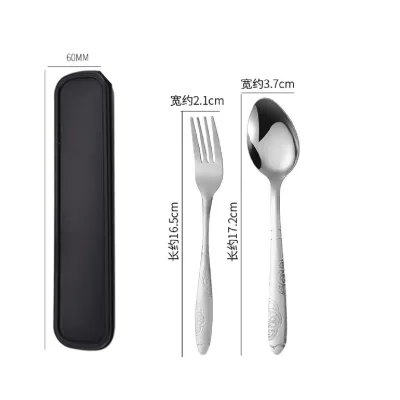
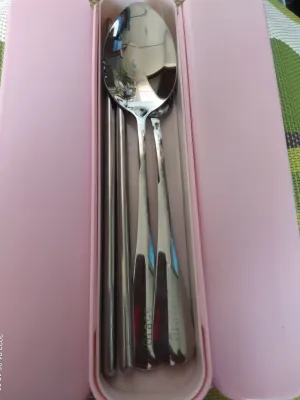
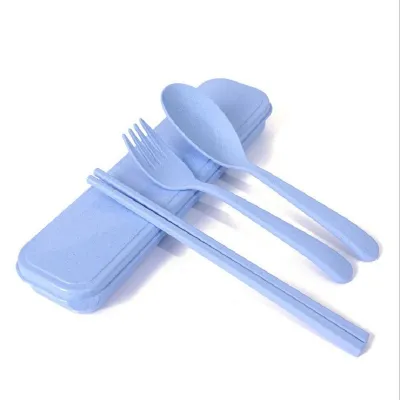
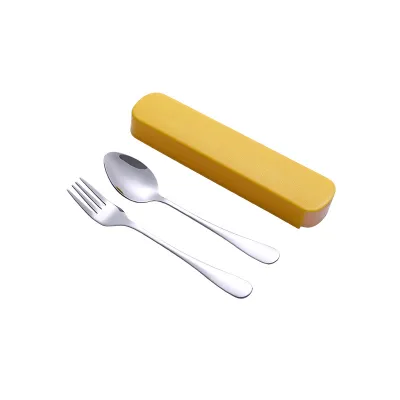
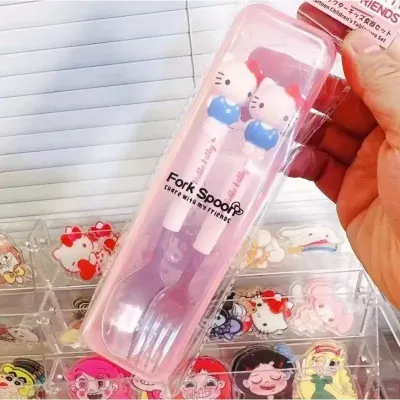
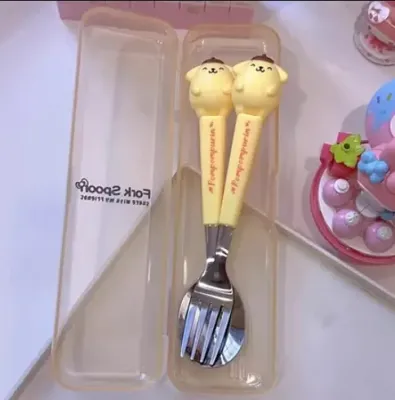
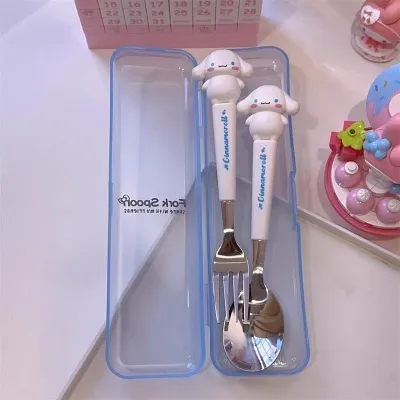
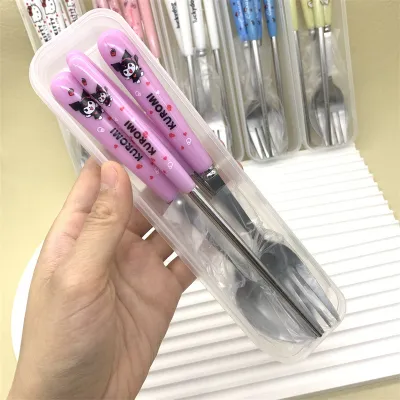
Prices are valid at publication and may change. Please refer to the product page for the latest price.
Furthermore, having a designated travel set helps establish a consistent mealtime routine. When your child sees their familiar colorful utensil set being unpacked, it serves as a visual cue that it is time to eat. This routine-building is a crucial aspect of the weaning stage, helping toddlers transition smoothly from liquid diets to solid foods by associating their personal utensils with the act of eating.
Key Features to Look for in Toddler Utensils
When comparing different spoon and fork designs for early weaning, handle ergonomics should be your first consideration. Toddlers initially use a palmar grasp, holding objects with their entire fist before developing the more refined pincer grasp. Look for chunky, short, or curved handles that fit naturally into a small palm. Some handles feature textured silicone or non-slip ridges, which prevent the utensils from slipping out of buttery or wet hands during self-feeding practice.

The design of the utensil head is equally critical for safety and usability. The spoon bowl should be shallow rather than deep. Deep spoons make it difficult for a toddler to clear the food with their upper lip, leading to frustration and messy spills. For the fork, look for blunt, rounded tines. The fork must be sharp enough to pierce soft foods like steamed carrots, chayote, or bananas, but dull enough to prevent accidental punctures to the child’s sensitive gums, tongue, or cheeks.
Material safety is a paramount concern that requires careful verification. Always check the product packaging and manufacturer specifications for age-grade warnings and material compositions. Look for food-grade silicone or high-quality stainless steel (such as 304 or 316 grade). Avoid products that do not explicitly state they are free from bisphenol A (BPA), phthalates, and lead. Because toddlers often chew on their utensils, verifying these material claims directly on the manufacturer’s official documentation is essential.
Lastly, evaluate the heat resistance and dishwasher safety of the utensils. In tropical climates, sanitizing baby gear is a daily task. Some materials can withstand high-temperature steam or boiling water, while others may warp, degrade, or release unwanted odors. Always refer strictly to the product’s official care instructions to determine if the utensils are compatible with your home sterilization setup.
Evaluating the Carrying Case for Hygiene and Travel
While parents often focus on the utensils, the carrying case is just as important for maintaining hygiene on the go. In a warm and humid environment, trapped moisture inside a sealed plastic container is a breeding ground for mold, mildew, and bacteria. Look for cases designed with built-in ventilation slots or drainage holes. These features allow residual moisture to evaporate if you have to pack the utensils away quickly after a meal at a restaurant.
Secure closure mechanisms are another vital feature to assess. A loose latch can easily pop open inside a crowded diaper bag, exposing the clean utensils to dirt, keys, and loose coins. Look for robust snap-locks, slide-locks, or secure zippered pouches. The closure should be secure enough to withstand being jostled around, yet simple enough for an adult to open quickly when managing a hungry toddler.
Ease of cleaning is essential because the case interior will inevitably come into contact with food residue from dirty utensils. Choose a case that opens fully, such as a lay-flat design, or one that can be completely disassembled. Avoid cases with deep, narrow crevices or intricate hinges that are difficult to reach with a standard bottle brush or sponge. If the case cannot be thoroughly cleaned and dried, it compromises the hygiene of the utensils stored inside.
Consider the overall size, weight, and portability of the case. It should be compact enough to slide easily into the side pockets of your diaper bag or stroller organizer. Some cases also feature built-in loops or silicone straps, allowing you to clip them to the outside of your bag for quick access during travel.
How to Build Your Shortlist of Trusted Brands
With numerous options available on online marketplaces and in physical baby boutiques, parents must be vigilant to avoid counterfeit or substandard products. To build a reliable shortlist, prioritize purchasing from official brand stores, authorized distributors, or reputable department stores. Buying from unverified third-party sellers increases the risk of acquiring products made from non-food-grade plastics that do not meet safety standards.
When evaluating potential sets, inspect the physical packaging for official safety certifications, age-grade warnings, and clear manufacturer contact details. Authentic, high-quality brands will clearly label their products with material specifications and compliance standards. If a product’s packaging lacks clear labeling, instructions, or manufacturer identification, it is best to avoid it.
Reading verified user reviews can provide valuable insights into the real-world durability of the utensil set and its case. Look for feedback from parents who have used the set for several months. Pay attention to comments regarding whether the case latch holds up over time, if the utensils are prone to staining from local foods like squash or tomato sauce, and how well the materials resist wear from repeated washing and sterilization.
Finally, compare the customer support responsiveness, warranty terms, and return policies of the brands on your shortlist. Reputable manufacturers stand behind their products and provide clear channels for customer inquiries. If you have questions about material safety or care instructions, a quick response from the brand’s customer service team is a good indicator of their reliability.
Cleaning and Maintenance for Daily Use
Proper daily maintenance is crucial to ensure the longevity and hygiene of your toddler’s utensil set. Wash both the utensils and the carrying case immediately after each use with mild, baby-safe dishwashing liquid and warm water. Use a soft sponge rather than an abrasive scrubbing pad to avoid scratching plastic or silicone surfaces, as deep scratches can harbor bacteria over time.
Always check the manufacturer’s guidelines before applying high-temperature sterilization methods. While some stainless steel and silicone sets are compatible with steam or UV sterilizers, others may degrade under intense heat or light. Over-sterilizing can cause certain plastics to become brittle and silicone to lose its elasticity, leading to premature wear and tear.
In humid conditions, proper air-drying is essential. Allow the utensils and the case to dry completely in a well-ventilated area before snapping the case shut. Storing damp utensils in a closed case creates an ideal environment for mold growth. If you must pack dirty utensils while away from home, wipe them down with a clean baby wipe first, and wash them thoroughly as soon as you return.
Regularly inspect the entire set for signs of physical degradation. Look for deep scratches, bite marks, peeling coatings, or cracks in the plastic handles or the case. If you observe any structural damage, stop using the set immediately and replace it. Damaged utensils can pose a choking hazard or harbor harmful bacteria that cannot be cleaned out.
Frequently Asked Questions (FAQ)
When should I introduce a fork alongside a spoon?
Most toddlers are developmentally ready to try using a fork between 12 and 18 months of age, though this varies for every child. Look for signs of readiness, such as the ability to bring a spoon to their mouth consistently, attempting to stab food with their fingers, or showing interest in using adult utensils. Start by offering soft, easily pierceable foods like cubed ripe mangoes, steamed sweet potato chunks, or soft pasta shapes. Always provide active caregiver supervision during meals to ensure safety, and consult a pediatrician or pediatric occupational therapist if you have concerns about your child’s feeding milestones.
Can I sterilize silicone and plastic utensil sets in boiling water?
Whether you can use boiling water depends entirely on the specific materials and the manufacturer’s instructions. High-quality food-grade silicone can typically withstand temperatures up to 200°C or higher, making it safe for boiling water. However, many plastic handles, outer cases, or decorative elements have much lower heat thresholds, often around 70°C to 100°C. Exceeding these limits can cause the plastic to warp, melt, or degrade. Always check the product packaging or manual for the maximum temperature limit before exposing any part of the set to boiling water, steam, or UV sterilizers.

Community discussion
Share your experience or ask a question. Comments are reviewed before publication.