
Introducing a sippy cup is a major milestone in your baby’s weaning journey, marking a transition toward independent drinking skills. As your little one begins exploring solid foods, learning to coordinate sipping, swallowing, and holding a cup becomes a key developmental step. In the Philippines, where the warm and humid tropical climate makes consistent hydration essential, finding a reliable, hygienic, and easy-to-use cup is a top priority for parents.
Navigating the transition from breast or bottle to a cup requires patience and the right tools. The market is filled with various designs, from soft spouts to weighted straws, each catering to different stages of oral motor development. By understanding what features to look for, how to maintain hygiene in a humid environment, and how to introduce the cup gradually, you can make this milestone a positive and stress-free experience for both you and your baby.
Key Features to Look for in a Weaning Sippy Cup
When selecting a sippy cup for early weaning, material safety is the most critical factor. Parents should carefully inspect product packaging and labels to verify that all components are made from food-grade silicone or BPA-free plastics, such as polypropylene (PP) or polyphenylsulfone (PPSU). PPSU is highly regarded for its exceptional durability and heat resistance, making it well-suited for frequent sterilization, while food-grade silicone provides a soft, flexible texture that is gentle on developing mouths.
Products mentioned in this guide
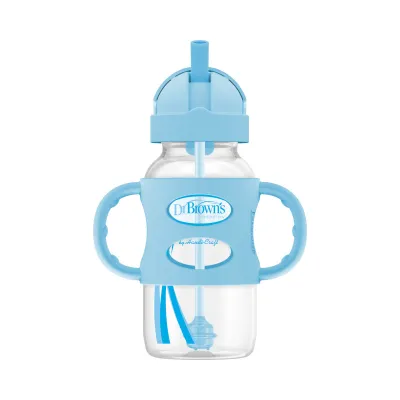
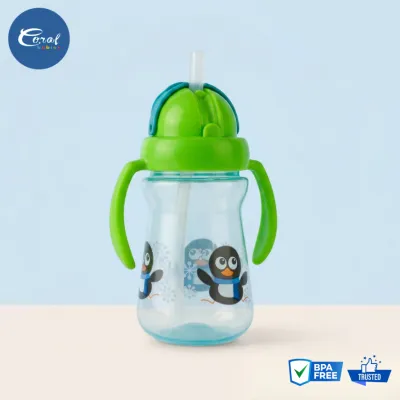
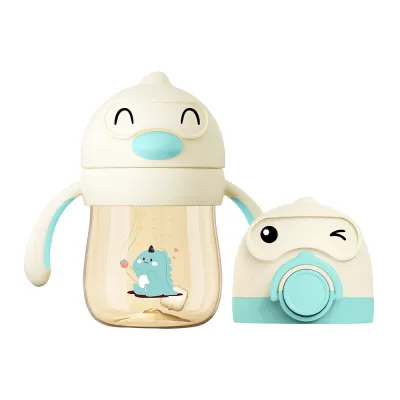
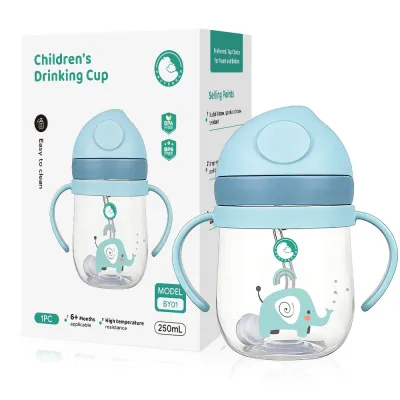
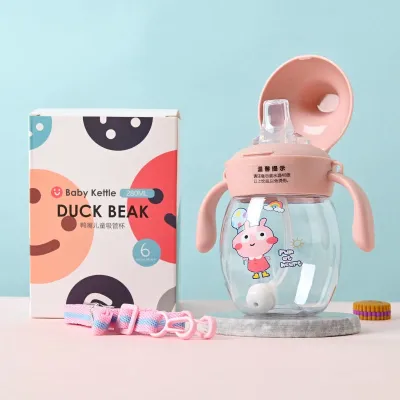
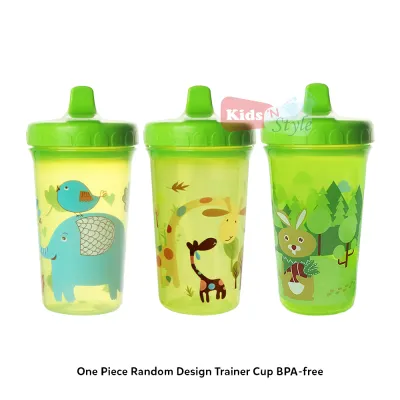
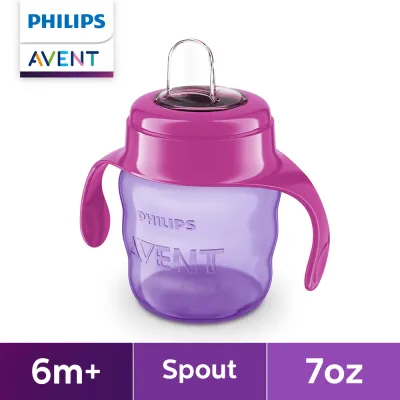
Prices are valid at publication and may change. Please refer to the product page for the latest price.
Ergonomics play a vital role in how quickly a baby adapts to a new cup. Look for designs featuring detachable, easy-grip double handles that are sized appropriately for tiny, developing hands. Non-slip textures or rubberized grips on the handles help babies secure their hold, promoting hand-eye coordination and self-feeding confidence. As your baby grows and gains better grip strength, cups with removable handles allow the vessel to transition into a standard cup shape.
Weight and balance are equally important physical design aspects to consider. A cup that is too heavy when filled with water or milk can frustrate a young baby, leading them to reject it. Opt for lightweight cup bodies with a wide, stable base that resists tipping over when placed on a highchair tray. Some cups feature weighted bases or weighted straws that move with the liquid, allowing the baby to drink successfully from various angles without needing to tilt the cup excessively.
Ease of assembly and cleaning should never be overlooked when evaluating a cup’s design. Complex cups with numerous small valves, internal chambers, and intricate straw systems can quickly become a hassle to manage daily. Prioritize designs with minimal, easily separable parts that can be disassembled in seconds. Fewer crevices mean fewer places for milk residue or water to hide, simplifying your daily washing routine and ensuring a higher standard of hygiene.
Spout Types and Their Role in Oral Development
Matching the cup’s drinking mechanism to your baby’s developmental stage is essential for supporting healthy oral motor skills. Soft silicone spouts are often the most natural starting point for babies transitioning directly from breast or bottle feeding. Because these spouts are flexible and mimic the familiar texture of a bottle nipple, they require a similar sucking motion, making the initial introduction less intimidating while remaining gentle on tender, teething gums.

Hard plastic spouts are typically designed for older toddlers who have already mastered basic swallowing coordination and have stronger jaw control. While highly durable and resistant to sharp baby teeth, hard spouts do not yield to pressure and may not be suitable for the very early stages of weaning. If introduced too early, a hard spout can sometimes encourage an immature sucking pattern or cause discomfort if a baby accidentally bumps it against their gums.
Straw cups are widely recommended by pediatric dentists and speech therapists because they encourage proper tongue placement and active oral muscle development. Drinking from a straw requires a baby to retract their tongue and seal their lips around the straw, which strengthens the muscles used for chewing and speech. Many modern weaning cups feature weighted straws with one-way valves that prevent backflow, ensuring liquid only flows when the baby applies active suction.
Another excellent option is the 360-degree rim cup, which allows babies to drink from any point around the edge, just like an open cup, without the risk of major spills. These cups utilize a lip-activated silicone valve that releases liquid only when pressure is applied. Using a 360-degree cup helps babies learn the exact lip sealing and tilting mechanics required for adult cups, making it a highly effective tool for long-term oral development.
Safety, Hygiene, and Maintenance Checks
Maintaining a strict cleaning and sanitizing routine is vital to protect your baby from harmful bacteria and mold. In the warm, humid climate of the Philippines, moisture trapped inside cup components can rapidly lead to mold growth. Before purchasing any sippy cup, verify that all valves, silicone rings, straws, and gaskets can be fully removed for thorough washing, as hidden moisture in these areas is a common issue.
Always consult the manufacturer’s instructions regarding sterilization limits, as different materials react uniquely to heat and light. While some high-grade plastics and silicones can withstand boiling water, steam sterilizers, or top-rack dishwasher cycles, other materials may warp, degrade, or release odors if exposed to extreme temperatures. If you use a UV sterilizer, check if the cup’s specific plastic type is rated safe for UV exposure to prevent premature yellowing or brittleness.
To prevent mold buildup, establish a daily deep-cleaning routine that includes soaking disassembled parts in warm, soapy water and using specialized, ultra-thin straw brushes to scrub internal pathways. After washing, shake off excess water and lay all components out to air-dry completely in a well-ventilated area before reassembling them. Never store a sippy cup with the lid tightly closed if there is any residual moisture inside, as this creates an ideal environment for bacterial growth.
Regularly inspect the cup and its accessories for signs of wear and tear. Silicone spouts and straws are prone to degradation over time, especially once a baby starts biting them. Look closely for tiny cracks, tears, deep bite marks, or persistent discoloration that cannot be washed away. Damaged silicone parts can become choking hazards or harbor bacteria in the crevices, so replace these components immediately using official manufacturer replacement parts.
Transitioning from Bottle to Sippy Cup
Introducing a sippy cup requires observing your baby’s readiness cues rather than strictly adhering to a specific calendar age. Most babies show signs of readiness around six months of age, coinciding with the start of solid food introduction. Key indicators include the ability to sit upright unassisted in a highchair, good head and neck control, and a natural curiosity toward the cups and utensils used by other family members during meals.
To make the transition smooth, implement a gradual replacement strategy rather than stopping bottle or breast feeds abruptly. Start by offering the sippy cup during a mid-day meal when your baby is alert, happy, and not overly hungry or tired. Replace just one feed or beverage offering at a time, allowing your baby several days or even weeks to get used to the new vessel before attempting to replace morning or bedtime feeds.
Expect spills, drops, and initial frustration as your baby learns how to coordinate this new skill. To manage the inevitable mess, use waterproof silicone bibs with deep food-catching pockets, place a wipeable mat under the highchair, and keep a damp cloth nearby. You can also practice using the cup with small amounts of water during bath time, where spills do not matter and the environment is relaxed and playful.
When first introducing the cup, fill it with a familiar liquid, such as expressed breast milk or prepared formula, to encourage acceptance. The familiar taste helps your baby associate the new cup with nourishment and comfort. Once they are comfortable drinking their usual milk from the cup, you can begin introducing small amounts of water alongside solid meals, helping them stay hydrated and rinse away food particles.
Sourcing and Verifying Sippy Cups in the Philippines
Sourcing authentic, high-quality baby products is essential for ensuring material safety and durability. Parents should prioritize purchasing sippy cups from authorized retail channels, such as official brand flagship stores on major ecommerce platforms, established physical baby boutiques, and reputable department stores or supermarket chains. Buying from official sources guarantees that you are receiving genuine products that comply with international safety standards.
When shopping on online marketplaces, exercise caution to avoid counterfeit or substandard goods. Always check the seller’s profile for official mall badges, read recent customer reviews specifically looking for feedback on product authenticity, and be wary of listings with suspiciously low prices. Genuine, certified baby products undergo rigorous safety testing, and extremely cheap alternatives may use industrial-grade plastics that contain harmful chemical additives.
Upon receiving your purchase, perform a thorough physical inspection of the packaging and the product itself before use. Look for clear manufacturer details, age-appropriate recommendations, and safety certifications printed directly on the box. Check that the silicone components are odorless, the plastic parts are smooth without sharp edges, and all valves fit securely. If the packaging appears tampered with or lacks clear branding and safety labels, contact the retailer for a replacement.
Frequently Asked Questions (FAQ)
When should I introduce a sippy cup to my baby?
You can generally introduce a sippy cup to your baby around six months of age, which typically aligns with the start of weaning and solid foods. Look for developmental milestones such as sitting upright with minimal support, maintaining good head control, and showing interest in what you are drinking. Because every baby develops at their own pace, it is always best to consult your pediatrician for personalized guidance on when your baby is ready to transition.
How often should I replace my baby's sippy cup?
While the hard plastic body of a sippy cup can last for many months, the soft silicone spouts, straws, and valves degrade much faster and should be inspected regularly. You should replace these silicone components every two to three months, or immediately if you notice bite marks, tears, thinning material, or persistent discoloration. If the cup body develops deep scratches, cracks, or a cloudy appearance that does not clear after washing, it is time to replace the entire cup to ensure continued hygiene and safety.

Community discussion
Share your experience or ask a question. Comments are reviewed before publication.