
Introducing solid foods to your baby is a major milestone that brings plenty of excitement, discovery, and inevitable mess. Around the age of six months, most infants in the Philippines begin their transition to complementary feeding, exploring new textures and flavors alongside their usual milk. During this developmental stage, choosing the right tableware is essential for fostering independence while keeping mealtime safe and manageable. Silicone bowls have become a staple in modern households, offering a practical alternative to traditional plastic, glass, or ceramic dishes.
Selecting the right feeding tools requires balancing safety, durability, and ease of use. Because babies are naturally inclined to explore their environment by dropping, throwing, and grabbing objects, their tableware must withstand daily wear and tear. High-quality silicone bowls provide a reliable solution that supports self-feeding milestones while simplifying cleanup for busy caregivers. By understanding what makes silicone unique and knowing which features to prioritize, you can make an informed decision that fits your family’s daily routine and budget.
Why Silicone is a Popular Choice for Weaning
Silicone has rapidly gained popularity in the baby care space, primarily due to its exceptional durability and drop-resistant nature. Unlike ceramic or glass bowls, which can shatter and pose immediate safety hazards on hard kitchen floors, silicone is virtually unbreakable. In many Filipino homes with tiled or concrete floors, a dropped bowl is a daily occurrence. A resilient silicone bowl absorbs the impact of falls from high chairs without cracking, chipping, or breaking, ensuring a safer dining environment for your little one.
Products mentioned in this guide
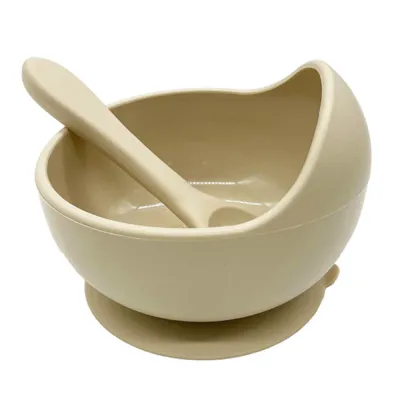
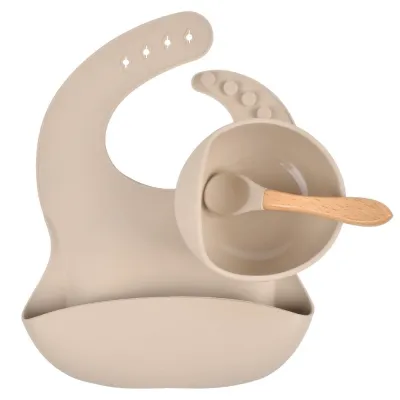
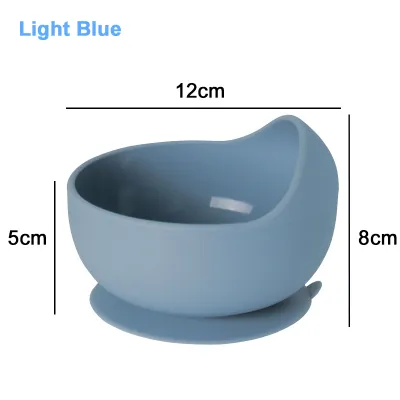
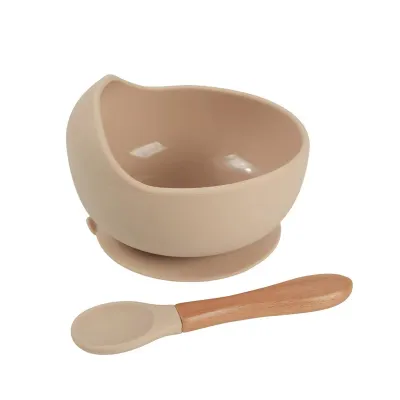
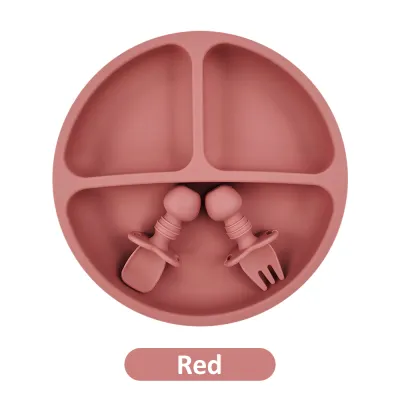
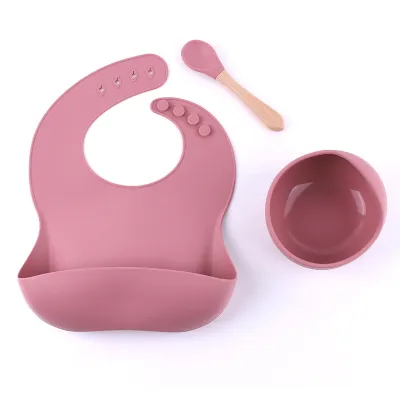
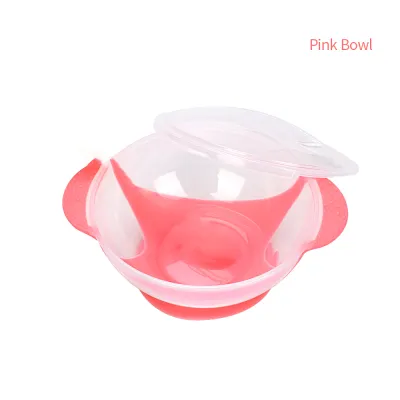
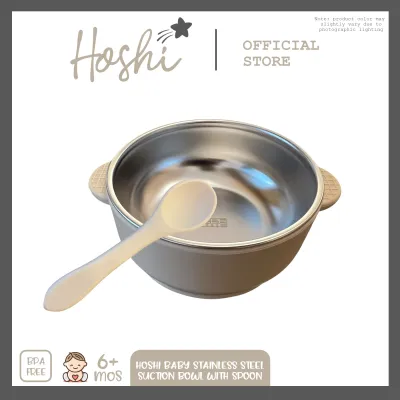
Prices are valid at publication and may change. Please refer to the product page for the latest price.
Another significant advantage of silicone is its excellent temperature resistance. High-quality silicone can safely transition from cold storage to warm serving temperatures without warping or degrading. This makes it highly suitable for serving warm local staples, such as soft rice porridge or mashed local vegetables, without transferring intense heat to the outside of the bowl. Caregivers can comfortably handle the bowl immediately after preparing warm food, and the material does not leach chemicals when exposed to typical feeding temperatures.
Maintaining hygiene is a top priority when preparing food for infants, and silicone simplifies this task. Its non-porous surface resists the buildup of moisture and bacteria, which is particularly beneficial in warm, humid tropical climates where mold can develop quickly on porous materials. Most silicone tableware is compatible with steam sterilizers, boiling water, and dishwashers, allowing parents to maintain a high standard of cleanliness with minimal effort. The material also dries quickly, making it ready for the next mealtime in no time.
Key Features to Look for in a Baby Silicone Bowl
When shopping for a silicone weaning bowl, the suction base is often the most critical feature to evaluate. A strong suction mechanism anchors the bowl to the high chair tray or dining table, preventing enthusiastic babies from flipping their food onto the floor. To work effectively, the suction pad requires a completely flat, smooth, and non-porous surface. When comparing options, look for a wide, integrated suction base rather than a separate detachable ring, as integrated designs tend to offer more consistent suction and are easier to clean. Additionally, ensure the base features an accessible quick-release tab so you can easily lift the bowl when mealtime is over.

Material safety is paramount when selecting any product that comes into contact with your baby’s food. Parents must carefully inspect product packaging and manufacturer specifications to verify that the bowl is made from 100% food-grade silicone. Ensure the product is explicitly labeled as free from bisphenol A (BPA), lead, phthalates, and PVC. While some parents use the “pinch test”—twisting a flat section of the silicone to see if a white filler material appears—as an informal check for purity, relying on verified manufacturer certifications and reputable retail sources is the most reliable way to ensure material safety.
Bowl design plays a vital role in encouraging self-feeding and supporting fine motor skill development. Look for bowls with a curved, inward-sloping rim or an asymmetrical lip. This specific shape helps babies guide food onto their spoons rather than pushing it over the edge of the bowl, boosting their confidence as they learn to feed themselves. The depth of the bowl should be sufficient to hold purees and soft grains without spilling, yet shallow enough that your baby can easily see and reach the food inside. A slightly weighted bottom can also provide extra stability on surfaces where the suction cannot fully engage.
Types of Silicone Bowls for Different Weaning Stages
As your baby progresses through different feeding milestones, their tableware needs will naturally evolve. For the initial stages of weaning, typically around six months, standard suction bowls are highly effective. At this stage, meals consist primarily of smooth purees, mashed squash, or soft fruits fed by a caregiver. A simple, round suction bowl keeps the food contained and stable on the tray, allowing you to focus on feeding your baby without worrying about accidental spills or the bowl sliding away during a lively feeding session.
As your baby approaches eight to twelve months, they will likely transition to finger foods and baby-led weaning (BLW). This stage is characterized by the introduction of varied textures, colors, and food groups. Divided plates or sectioned silicone bowls are excellent for this phase, as they allow you to present different foods—such as soft-cooked vegetables, small pieces of protein, and grains—in separate compartments. This separation helps babies identify distinct tastes and textures, encourages self-selection, and prevents different food items from mixing, which some infants find unappealing.
For busy households, silicone bowls that come with matching, tight-fitting silicone or plastic lids are incredibly practical. These bowls double as food storage containers, allowing you to prepare meals in advance, store leftovers in the refrigerator, or pack snacks for family outings. In a warm climate, keeping food covered is essential for protecting it from insects and airborne dust. Having a reliable lid ensures that you can easily transport homemade baby food to a relative’s house or a restaurant without relying on single-use plastic wraps or transferring food between multiple containers.
How to Build Your Weaning Bowl Shortlist
Building a practical shortlist of silicone bowls involves filtering options based on your specific household needs, budget, and feeding style. Start by visiting reputable local baby boutiques or major online marketplaces to compare available options. Always verify the manufacturer’s specifications, age recommendations, and safety certifications listed on the product pages. Avoid purchasing unbranded, ultra-cheap items that lack clear manufacturer details, as these may contain low-quality fillers or fail to meet basic food safety standards.
Reading user reviews can provide valuable, real-world insights into how a bowl performs over time. Pay close attention to feedback regarding suction longevity on different surfaces, as some bowls stick exceptionally well to smooth glass or plastic but struggle on textured high chair trays or wooden dining tables. Additionally, look for reviews mentioning whether the silicone tends to retain food stains or strong odors. Reading about other parents’ experiences with specific brands can help you avoid products that degrade quickly or require high-maintenance care.
Finally, compare price points and package inclusions to find the best value for your budget. In the local market, a single high-quality silicone suction bowl typically costs between ₱250 and ₱600, while comprehensive weaning sets—which may include a bowl, a matching soft-tip spoon, and a lid—can range from ₱500 to ₱1,200. If you plan to prepare meals in batches, purchasing a multi-pack or a set with lids may be more cost-effective than buying individual pieces. Ensure that any included spoons feature soft, flexible silicone tips that are gentle on your baby’s sensitive, teething gums.
Care, Cleaning, and Safety Checks
Proper maintenance is essential for keeping your baby’s silicone tableware hygienic and extending its lifespan. When washing silicone bowls, always use a mild, unscented dish soap. Silicone is a highly durable material, but its surface can sometimes absorb strong artificial fragrances from standard dishwashing liquids, which can leave a soapy taste or scent in your baby’s next meal. Rinse the bowls thoroughly under warm running water to ensure all soap residue is completely removed, and allow them to air dry in a well-ventilated area.
Regular visual inspections are a crucial part of maintaining feeding safety. Before every meal, take a moment to examine the bowl for any signs of wear, such as deep scratches, tears, bite marks, or a degraded suction base. Although silicone is highly resistant to damage, older babies with emerging teeth can sometimes bite or chew on the edges of the bowl. Damaged areas can harbor bacteria or, in rare cases, create small pieces of silicone that could tear off and pose a choking hazard.
If you notice any structural degradation, stickiness, or persistent tears in the material, stop using the bowl immediately and replace it. Always ensure that a caregiver supervises the baby during all feeding sessions, regardless of the type of tableware being used. By combining regular safety checks with proper cleaning habits, you can ensure that your baby’s weaning journey remains safe, hygienic, and enjoyable for the entire family.
Frequently Asked Questions (FAQ)
Can silicone bowls be used in the microwave?
Yes, many high-quality silicone bowls are designed to withstand microwave temperatures, but you must always verify the manufacturer’s specific guidelines on the packaging before heating. Never microwave a bowl with a sealed lid attached, as steam buildup can cause the lid to pop off violently or create hot spots in the food. After heating, stir the food thoroughly to distribute the heat evenly, and always test the temperature on the inside of your wrist before serving it to your baby to prevent accidental burns.
How do I remove food stains or smells from silicone?
Silicone can occasionally absorb odors from highly scented dish soaps or develop stains from vibrant foods like carrots, squash, or tomato-based sauces. To remove stubborn stains or smells, create a paste using equal parts baking soda and water, apply it to the affected areas, and let it sit for approximately twenty to thirty minutes before rinsing thoroughly. Alternatively, soaking the bowl in a mild solution of warm water and white vinegar can help neutralize lingering odors. Only boil or sun-dry the tableware if the manufacturer’s care instructions explicitly permit doing so.

Community discussion
Share your experience or ask a question. Comments are reviewed before publication.