
Choosing the right Richell sippy cup for your baby’s weaning journey depends entirely on matching the cup’s design to your child’s current physical and oral motor milestones. Rather than relying solely on age recommendations, parents should observe how their baby handles liquids, sits, and grasps objects. By aligning the cup type—whether it is a soft spout, a training straw, or a direct-drinking rim—with these developmental stages, you can support natural oral development and make the transition to independent drinking smoother.
As you navigate the weaning process in the Philippines, factors like high tropical humidity and daily feeding routines make cup selection and maintenance highly practical decisions. Selecting the appropriate model involves verifying the manufacturer’s age and weight guidelines printed on the packaging, checking for food-grade material certifications, and ensuring replacement parts are easily accessible. This guide provides a step-by-step framework to help you evaluate your baby’s readiness, compare cup styles, and maintain excellent hygiene.
Identify Your Baby's Current Drinking Milestones
Before purchasing any training cup, take time to observe your baby’s physical readiness during daily mealtimes. A primary indicator that your baby is ready to transition from a bottle or breast to a cup is the ability to sit upright unassisted with stable head control. This posture is essential for safe swallowing and prevents choking when introducing new drinking mechanisms.
Products mentioned in this guide
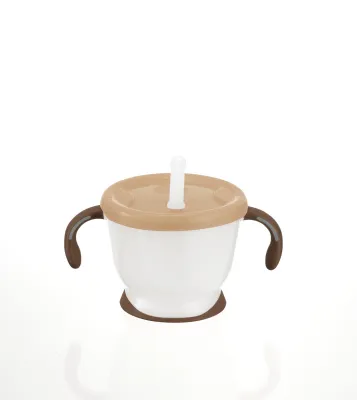
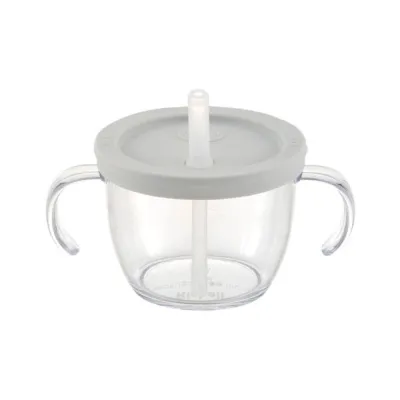
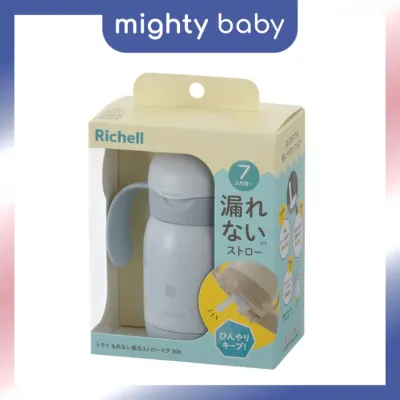
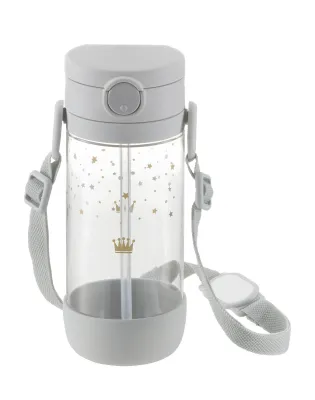
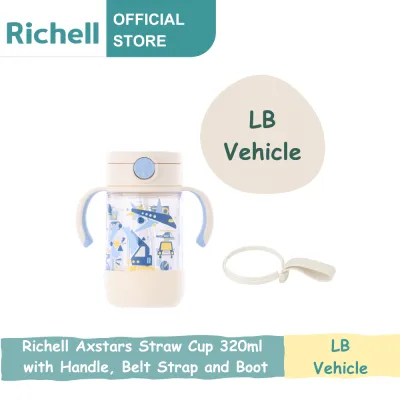
Prices are valid at publication and may change. Please refer to the product page for the latest price.
Another key milestone is the development of hand-to-mouth coordination, which you can observe when your baby reaches for toys, holds small objects, or attempts to grasp a spoon. If your baby can successfully bring objects to their mouth and shows curiosity about the cups you use, they are likely ready to begin practicing with a training cup. Their oral motor skills, such as the ability to control their tongue and swallow liquids without excessive spilling, will dictate which cup style is most appropriate.
Matching the cup style to these specific milestones is crucial for supporting healthy oral development and preventing frustration. Introducing a complex straw or direct-drink rim before your baby has developed the necessary lip strength or swallowing coordination can lead to coughing, liquid rejection, or a refusal to drink. A gradual progression allows your baby’s facial muscles and tongue coordination to strengthen naturally over time.
If your baby shows persistent resistance, struggles to swallow, or experiences frequent coughing fits during cup practice, it is best to pause the transition. Every child develops at their own pace, and forcing the issue can create negative associations with drinking. If you notice a prolonged delay in motor skills or if your baby consistently rejects all cup types past their first year, consult your pediatrician or a pediatric feeding specialist for personalized guidance.
Match the Right Richell Cup Type to Each Stage
Richell offers several cup configurations designed to support babies as they transition from sucking to sipping and, eventually, to open-cup drinking. Understanding the distinct purpose of each cup type allows you to select the model that aligns with your baby’s current abilities.

Spout Cups for Early Weaning Beginners
Soft spout cups serve as an intermediate step for babies who are just beginning their weaning journey, typically around six months of age. The spout is made from a soft, flexible silicone material that feels familiar to babies accustomed to the texture of a breast or bottle nipple. This familiarity helps ease the sensory transition, allowing the baby to learn that liquids can come from a different vessel.
When selecting a spout cup, carefully review the product label to verify the specific flow rate and design features. Look for models that feature anti-colic or air-vent valves, which help regulate the flow of liquid and prevent the baby from swallowing excess air. Easy-grip handles that curve toward the baby’s hands are also highly beneficial, as they encourage the development of the grasp reflex and independent holding.
You will know your baby has mastered the spout cup when they can lift the cup to their mouth independently, tilt it backward to drink, and swallow without significant leakage. Once they demonstrate consistent control and no longer rely on a strong sucking reflex to draw liquid, they are ready to transition to a straw-style cup.
Straw Cups for the Transition Phase
Straw cups represent a significant developmental step, requiring babies to use a different set of oral motor skills than those used for bottle-feeding or spout-drinking. Sipping through a straw helps strengthen the lips, cheeks, and tongue, promoting a mature swallowing pattern that is beneficial for speech development. This stage typically begins once the baby has established solid sitting balance and basic hand coordination.
When evaluating straw cups, inspect the packaging for details regarding the straw’s internal valve mechanism. A well-designed valve controls the flow of liquid, preventing sudden rushes that can cause choking, while also minimizing leaks when the cup is tipped. Look for bite-resistant silicone materials that can withstand the pressure of emerging baby teeth, and verify that the straw is soft enough to protect sensitive gums.
Many babies initially struggle to understand how to draw liquid upward through a straw. To assist them, you can practice with a training model that allows caregivers to gently press a push-mark on the lid to push liquid up the straw, helping the baby associate the straw with hydration. If your baby experiences difficulty, try adjusting the angle of the cup or slightly thickening the liquid with purees, ensuring you always supervise them closely during these practice sessions.
Direct Drink Cups for Advanced Toddler Stages
Direct drink or rim-style cups are designed for older toddlers who are preparing for the final transition to standard open cups. These models mimic the rim of a regular glass but incorporate specialized lids or flow-control inserts that limit the volume of liquid released at one time. This design allows toddlers to practice the tilting and sipping motion without the risk of a sudden, messy spill.
Before introducing a direct-drink cup, always check the manufacturer’s specific age, weight, and developmental guidelines printed on the box. These guidelines ensure that the cup’s physical dimensions and flow rate are safe for your child’s developmental stage. Toddlers using these cups must have excellent hand control and the ability to judge how far to tilt the cup to receive liquid.
Signs that your child is ready to transition fully to a standard open cup without a lid include the ability to put the cup down gently without spilling, drinking without dribbling from the corners of their mouth, and managing the cup’s weight when full. Once these skills are consistently demonstrated, you can gradually phase out the training lids during supervised family mealtimes.
Verify Safety and Design Features Before Buying
With various models available in local baby boutiques and online marketplaces, verifying specific safety and design features on the packaging is essential before making a purchase. First and foremost, prioritize material safety by checking for clear “BPA-free” and “phthalate-free” labels on the box. Look for food-grade silicone and plastic certifications, as well as compliance marks that indicate the product meets international safety standards for infant feeding utensils.
Ergonomics play a vital role in how easily your baby will adopt the cup. Evaluate the handle design to ensure they are slip-resistant and sized appropriately for tiny hands. The overall weight of the cup when filled with water should be light enough for your baby to lift without straining, and a wide, stable base is highly recommended to prevent the cup from tipping over easily when placed on a high chair tray.
Leak-proof mechanisms are another critical factor, especially for active babies who enjoy shaking or dropping their cups. Examine the product packaging to understand how the seal operates, noting whether it utilizes a secure screw-on lid, a click-lock system, or a silicone gasket. Keep in mind that even highly rated leak-proof designs have physical limitations; extreme shaking, squeezing, or inverting the cup can cause temporary leaks, so regular inspection of the seals is necessary.
Finally, consider the long-term usability of the model by verifying the local availability of replacement parts. In the Philippines, high usage and frequent washing can wear out silicone spouts, straws, and gaskets over time. Before buying a specific model, check if the retailer stocks spare parts separately, as replacing a worn gasket or bitten straw is much more cost-effective than purchasing an entirely new cup assembly with your hard-earned ₱.
Maintain Hygiene and Know When to Replace the Cup
Proper hygiene is paramount when caring for infant feeding items, particularly in warm, humid tropical climates where mold and bacteria can multiply rapidly. Establish a daily routine of completely disassembling the cup after every use. This means removing the handles, lid, silicone gaskets, and straws, as liquid residue trapped in these small crevices can quickly lead to mold buildup.
When cleaning and sterilizing the cup components, always check the manufacturer’s maximum temperature thresholds printed on the packaging or the base of the cup. Different plastics and silicones have varying heat tolerances; exceeding these limits during boiling, microwaving, or steam sterilizing can warp the parts, ruin the leak-proof seals, or degrade the material. Use dedicated bottle brushes and straw brushes to gently clean the interior surfaces without scratching the plastic.
Develop a habit of inspecting the cup components during every wash cycle. Look closely for bite marks, deep scratches, micro-cracks, or discoloration in the silicone parts, as these imperfections can harbor bacteria or pose a choking hazard if a piece of silicone tears off. If you observe any signs of wear, degradation, or persistent mold that cannot be cleaned, replace the affected part or the entire cup immediately.
Always supervise your baby during cup use to ensure their safety. Do not allow your child to walk, run, or play while holding a sippy cup, as falls can cause oral injuries or choking. Keep mealtimes structured, and ensure the cup is used in a safe, seated environment under direct caregiver supervision.
Frequently Asked Questions (FAQ)
Can I put hot liquids in a Richell sippy cup?
No, you should not put hot liquids in a sealed training cup. When hot liquids are poured into a sealed container, steam builds up internal pressure, which can force the liquid to spray out violently through the straw or spout when opened, potentially causing painful burns. Additionally, high temperatures can warp the plastic body or compromise the integrity of the silicone seals, leading to leaks.
Always check the specific model’s maximum temperature rating printed on the packaging or the base of the cup before exposing it to warm liquids. If you need to serve warm milk or water, ensure it is cooled to a safe, lukewarm temperature before sealing the cup. For hot beverages, always use an appropriate, open heat-resistant vessel designed for adults, and keep it far out of your baby’s reach.
How do I know if my baby is rejecting the cup or just not ready?
It is common for babies to show some resistance when first introduced to a training cup, but there is a difference between behavioral frustration and developmental unreadiness. Behavioral rejection often looks like turning the head away, throwing the cup, or playing with it as a toy. Developmental unreadiness, however, is characterized by an inability to coordinate sucking and swallowing, frequent coughing, sputtering, or liquid pooling in the mouth and spilling out.
If your baby displays signs of developmental unreadiness, the best approach is to pause the transition immediately. Store the cup away and try again in two to three weeks when their motor skills have had more time to mature. Forcing a baby who is physically unready can lead to negative associations with hydration; if the resistance persists past twelve months, consult your pediatrician or a pediatric feeding therapist.
Are replacement parts interchangeable between different Richell models?
Replacement parts are generally not universally interchangeable across all different product series. Mixing spouts, straws, lids, or silicone gaskets from different product lines can compromise the cup’s leak-proof seal, resulting in spills or potential choking hazards if a part does not fit securely. Each series is engineered with specific dimensions and locking mechanisms.
To ensure compatibility, locate the exact model number or series name, which is typically printed on the cup’s base, the underside of the lid, or the original packaging. Before purchasing spare parts, verify the official compatibility charts provided by the manufacturer or consult an authorized local retailer. Using only the designated parts for your specific model ensures the cup remains safe and functional for your baby.

Community discussion
Share your experience or ask a question. Comments are reviewed before publication.