
Selecting the right milk storage container powder setup for traveling with your baby depends heavily on your trip duration, feeding frequency, and environmental conditions. In warm, humid climates, keeping infant formula dry and free from moisture is a constant challenge. A reliable portable container must provide an airtight seal, utilize safe food-grade materials, and offer a practical dispensing design to make feeding on the go stress-free. By choosing a container tailored to your specific travel habits, you can ensure your baby’s milk remains fresh, safe, and easy to prepare whether you are running a quick errand or embarking on a family trip.
Identifying Your On-the-Go Feeding Needs
Before purchasing a portable formula container, evaluate your typical travel scenarios. A quick afternoon stroll to a local park or a brief trip to a nearby shopping mall requires a very different storage solution than an overnight stay or a long-distance road trip. For short outings, a compact container holding one or two pre-measured portions is usually sufficient and keeps your diaper bag light. For extended travel, you may need a larger bulk container or a multi-compartment dispenser that holds enough powder for an entire day or weekend.
Feeding frequency and your baby’s developmental stage also play a major role. Newborns feed frequently but in smaller volumes, whereas older infants require larger, less frequent feeds. If your baby is on a highly predictable feeding schedule, pre-measured single-serve compartments save you the hassle of scooping and leveling powder while managing a hungry infant in public. Conversely, if feeding amounts vary, or if you prefer to mix feeds on demand, a small bulk container offers more flexibility.
Products mentioned in this guide
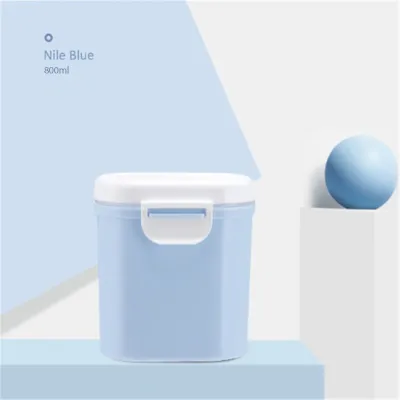
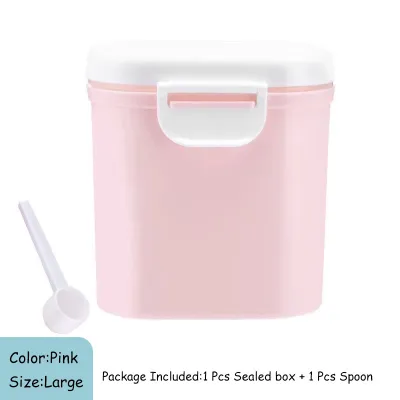
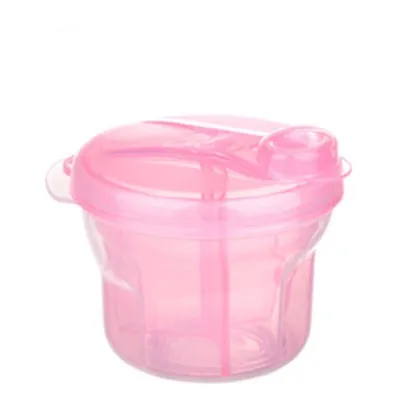
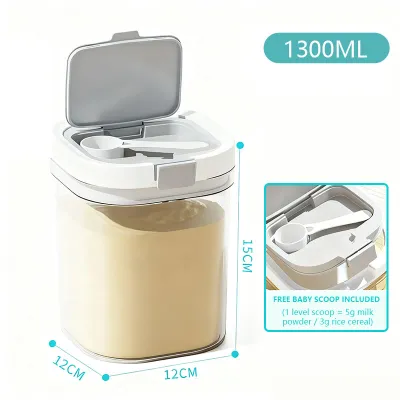
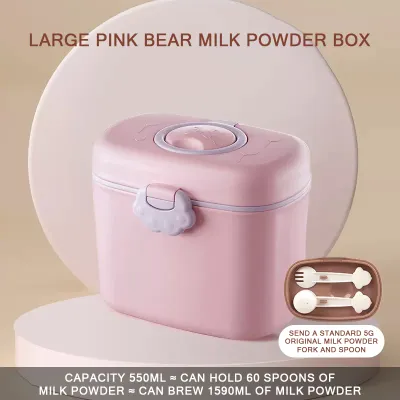
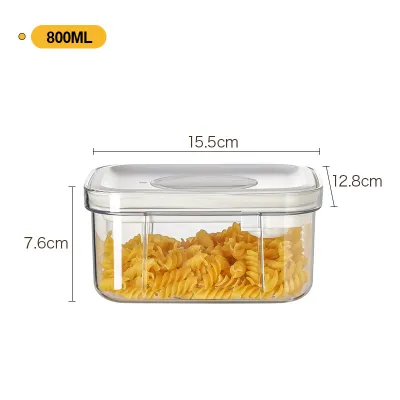
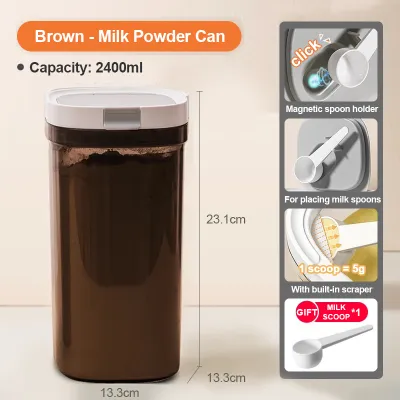
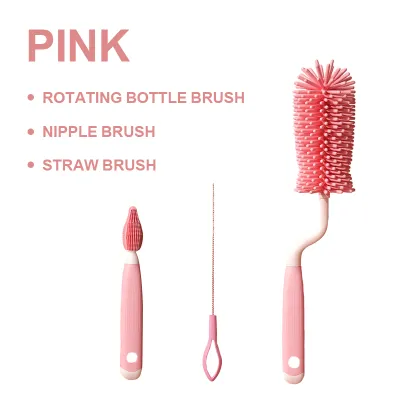
Prices are valid at publication and may change. Please refer to the product page for the latest price.
Finally, consider the physical constraints of your baby gear. Diaper bags quickly fill up with diapers, baby wipes, change of clothes, toys, and water bottles. A bulky, awkwardly shaped container makes organizing your bag difficult. Look for streamlined, modular, or stackable designs that slide easily into side pockets or fit neatly at the bottom of your bag alongside your baby’s feeding bottles.
Comparing Types of Portable Milk Powder Containers
Portable formula containers come in several distinct designs, each catering to different feeding styles and travel lengths. Understanding the strengths and limitations of each type will help you select the most practical option for your family’s routine.

Stackable Dispensers
Stackable dispensers feature multiple individual compartments that screw or snap together vertically, topped with a single dispensing lid or funnel. This design is highly efficient for day trips because it allows you to pre-measure exact portions for three or four separate feeds. The vertical alignment saves horizontal space in your diaper bag. However, because these containers rely on secure connections between layers, you must verify that each compartment is threaded correctly and tightly sealed to prevent powder from leaking.
Single-Serve Pods or Bags
Single-serve options include small, individual reusable pods or disposable, pre-sterilized formula storage bags. These are incredibly convenient for quick, mess-free pouring because they typically feature a narrow spout or tear-away opening designed to fit directly into the neck of a baby bottle. Reusable pods are durable and easy to wash, while disposable bags offer the ultimate lightweight portability for tight spaces. However, disposable bags generate ongoing single-use waste and represent a recurring cost, making them less ideal for daily use.
Airtight Mini Canisters
For longer trips, such as weekend getaways or out-of-town family visits, an airtight mini canister is often the most practical choice. These small, tub-like containers hold a larger volume of bulk powder, allowing you to scoop out what you need for each feed. They offer excellent protection against moisture and humidity, which is vital for keeping formula fresh over several days. The main trade-off is convenience; you must carry a separate scoop, find a flat surface to measure the powder, and ensure you can level each scoop accurately while on the move.
| Container Type | Capacity | Portability | Ease of Dispensing |
|---|---|---|---|
| Stackable Dispensers | Medium (usually 3 to 4 pre-measured feeds) | High (compact vertical stack) | High (funnel-style lid) |
| Single-Serve Pods or Bags | Low (one feed per unit) | Very High (flat or individual) | High (narrow spout or tear-away opening) |
| Airtight Mini Canisters | High (holds bulk powder for multiple days) | Medium (bulkier shape) | Medium (requires separate scoop and leveler) |
Key Features to Verify for Safety and Freshness
When selecting a milk storage container powder solution, safety and hygiene must be your top priorities. Because infant formula is highly sensitive to contamination and environmental factors, you should carefully inspect several key features before making a purchase.
Material Safety
Always verify that the container is made from high-quality, food-grade materials. Look for clear labels indicating that the product is BPA-free, phthalate-free, and non-toxic. Common safe materials include polypropylene (PP) plastic, Tritan, and food-grade silicone. Additionally, check the product packaging or the manufacturer’s official website for relevant safety certifications or compliance with international food contact standards. Avoid unbranded or extremely cheap containers that do not clearly state their material composition.
Sealing Mechanisms
Moisture is the primary enemy of dry milk powder, especially in tropical regions where high humidity can cause powder to clump, degrade, or spoil. Inspect the sealing mechanism of any container you consider. Look for lids equipped with thick, food-grade silicone rings or gaskets that create a true airtight seal. Snap-lock lids, secure screw threads, or push-button vacuum seals are excellent for preventing moisture ingress and ensuring the lid will not accidentally pop open inside a crowded diaper bag.
Usability and Cleaning
A container that is difficult to clean can quickly become a breeding ground for bacteria. Prioritize designs with wide-mouth openings that allow your hand or a bottle brush to reach every corner easily. Avoid containers with complex internal structures, sharp corners, or deep crevices where powder residue can accumulate. Additionally, verify whether the container is dishwasher-safe and capable of withstanding steam sterilization or boiling water, as regular sanitization is crucial for maintaining infant feeding hygiene.
Best Practices for Storing and Dispensing Formula on Trips
Even the highest-quality container requires proper handling to keep your baby’s formula safe and fresh. Implementing a few simple hygiene and storage habits during your outings can prevent spoilage and ensure smooth feeding times.
First, always ensure that both your hands and the container are completely dry before adding any milk powder. Even a single drop of water inside the container can cause the powder to clump, which not only makes dispensing difficult but also introduces moisture that can promote rapid bacterial growth. If you wash or sterilize your containers before a trip, allow them to air-dry completely on a clean rack before filling them.
Second, pay close attention to where you store the container during your travels. High temperatures and direct sunlight can accelerate the degradation of nutrients in infant formula. Avoid leaving your diaper bag in a hot car, under direct sunlight at the beach, or near heat sources. Keep the container tucked deep inside your bag, or use an insulated compartment to help maintain a stable, moderate temperature.
Finally, establish a clean routine for post-feed cleanup. If you are using reusable containers, try to wash them with warm, soapy water as soon as possible after they are emptied. If you are traveling in areas without access to clean water and sterilization equipment, place the used, empty containers into a dedicated, sealed wet bag. This keeps any residual milk powder isolated from the rest of your clean baby gear until you can thoroughly wash and sterilize them at home.
Frequently Asked Questions (FAQ)
Can I store prepared liquid formula in these powder containers?
No, portable milk powder containers are designed strictly for dry storage and should not be used to hold prepared liquid formula. These containers are generally not leak-proof for liquids and lack the insulation required to keep prepared milk safe. Storing liquid formula in them can lead to messy spills and rapid bacterial growth. To transport prepared liquid formula safely, always use sterilized baby bottles and keep them stored in an insulated cooler bag with frozen ice packs, adhering strictly to safe storage time limits.
How long can milk powder stay fresh in a portable container?
To determine how long your milk powder can safely remain in a portable container, always check the manufacturer’s guidelines on the original formula packaging regarding shelf life once opened. Portable containers are intended for short-term transport rather than long-term storage. To minimize exposure to air, light, and humidity, it is best to only pack the amount of powder needed for your immediate trip and discard any unused powder that has been exposed to moisture or left in the container for an extended period.

Community discussion
Share your experience or ask a question. Comments are reviewed before publication.