
Choosing the right avent feeding bottle material is a fundamental decision that directly impacts your daily feeding routine, sanitation habits, and your baby’s comfort. Philips Avent offers feeding systems designed to cater to different developmental stages, primarily utilizing premium glass and high-performance plastics like Polyphenylsulfone (PPSU) for the bottle bodies, while reserving soft, flexible silicone for the teats (nipples).
Each material presents distinct trade-offs that parents must balance. Glass provides unmatched purity, resists odors, and withstands high temperatures without degradation, though it remains heavy and susceptible to breaking if dropped. PPSU combines the lightweight convenience of plastic with medical-grade durability and impressive heat resistance, making it ideal for active use, though it comes at a higher price point. Silicone, on the other hand, is the cornerstone of the Avent teat design, engineered to mimic the natural breast and support a comfortable latch.
Finding the ideal option depends heavily on your baby’s age, who is holding the bottle, and your sterilizing preferences. By evaluating how these materials perform under daily wear and tear, you can select the bottle type that best fits your family’s lifestyle.
Products mentioned in this guide
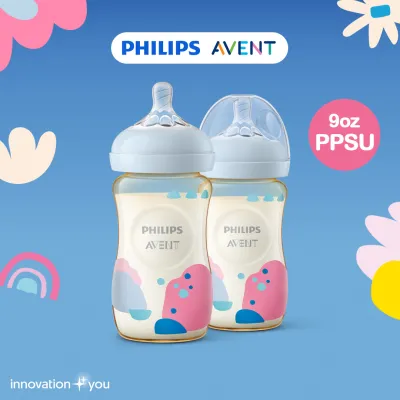
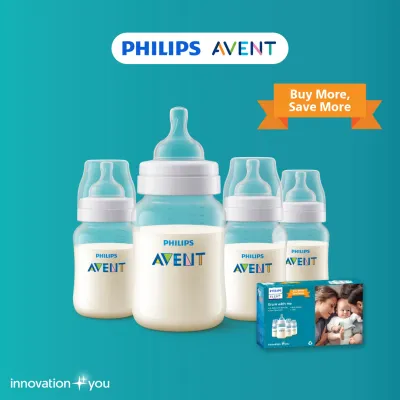
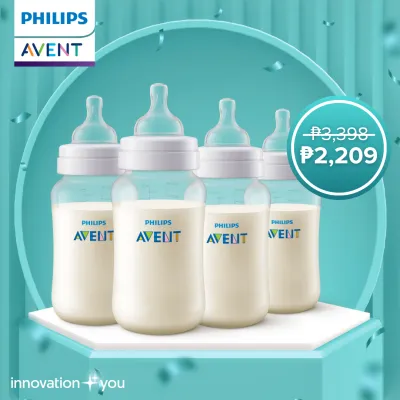
![Philips AVENT [Online Exclusive] 4oz Anti-colic Baby Bottle](https://img.lazcdn.com/g/p/9fbd617c8e226dbbaa247c21d0b9c0b8.jpg_400x400q80.jpg_.webp)
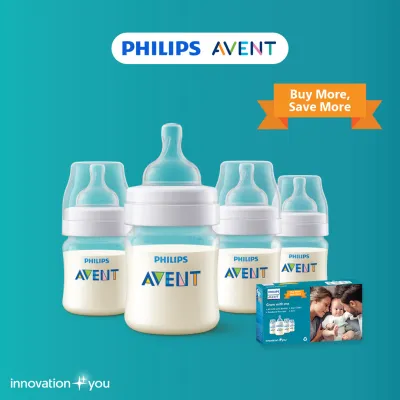
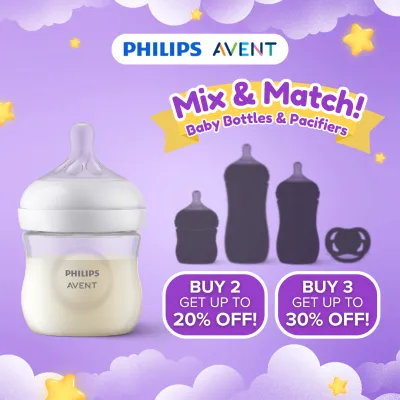
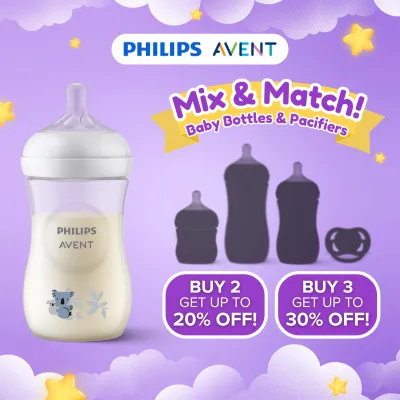
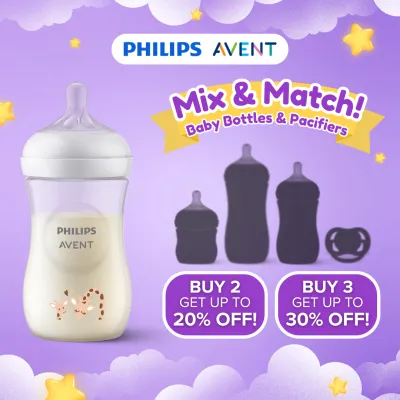
Prices are valid at publication and may change. Please refer to the product page for the latest price.
Understanding Glass, PPSU, and Silicone in the Avent System
Understanding the physical properties of each material helps demystify why certain bottles are recommended for specific scenarios. In the Philips Avent ecosystem, bottle bodies and teats serve distinct mechanical purposes, and the choice of material reflects these functions.
Glass: The Traditional and Pure Option
Avent glass bottles, typically featured in the Natural Response and classic Natural lines, are crafted from high-quality borosilicate glass. This specialized material is highly resistant to thermal shock, meaning it can safely transition from cold storage to warm water baths without cracking.
The primary benefit of borosilicate glass is its chemical inertness. It does not absorb food pigments, milk fats, or stubborn odors, ensuring that every feed tastes exactly as intended. Furthermore, glass is highly scratch-resistant, allowing you to scrub thoroughly with bottle brushes without creating micro-fissures where milk residue and bacteria can accumulate over time.
However, glass bottles are inherently heavy, which can tire out a caregiver’s wrist during long feeding sessions and makes it difficult for older babies to hold the bottle independently. The risk of shattering on tiled floors is a constant consideration, particularly in busy households. While some parents use protective silicone sleeves to improve grip and absorb minor impacts, you should inspect the glass surface before every single feed to ensure no hairline cracks or chips have formed.
PPSU: The Durable, Premium Plastic
Polyphenylsulfone (PPSU) represents the premium tier of plastic baby bottles, easily recognizable by its natural, honey-colored golden tint. Unlike standard polypropylene (PP) bottles, which are often cloudy or clear, PPSU is a medical-grade polymer engineered to withstand extreme stress and high temperatures.
The standout feature of PPSU is its exceptional durability. It is virtually shatterproof, lightweight, and highly resilient against repeated drops on hard surfaces, making it incredibly practical for use outside the home. PPSU also boasts a much higher heat resistance than standard PP, allowing it to endure frequent steam, boiling, or chemical sterilization cycles without losing its structural integrity or releasing unwanted substances.
When purchasing, always inspect the packaging or the base of the bottle for the official material markings to confirm you are buying genuine PPSU. This material bridges the gap between the purity of glass and the lightweight convenience of plastic, offering a long-lasting feeding solution that resists cloudiness and scratches far better than lower-grade plastics.
Silicone: Clarifying Its Role in Avent Feeding
A common point of confusion for many parents is searching for a full silicone Avent bottle body. In the Philips Avent design philosophy, silicone is not used for the rigid bottle bodies; instead, it is reserved almost exclusively for the teats (nipples) and pacifiers.
Silicone is chosen for these components because of its unique physical properties. It is exceptionally soft, flexible, and durable, allowing the teat to mimic the natural shape and motion of a mother’s breast during feeding. This flexibility is crucial for supporting a natural latch and accommodating the baby’s individual sucking rhythm, which helps reduce the risk of nipple confusion when combining breast and bottle feeding.
While some alternative brands offer fully squeezable silicone bottle bodies, Philips Avent relies on a rigid bottle structure (either glass or premium plastic) paired with a high-quality silicone teat. This rigid structure ensures a consistent flow rate, maintains accurate measurement markings, and prevents the bottle from collapsing during feeding. The silicone teats are designed to be modular, meaning they can be paired interchangeably with compatible Avent bottle bodies of the same product line, giving you the freedom to mix and match materials as your baby grows.
Comparing Safety, Durability, and Practicality
When deciding between glass, PPSU, and silicone components, comparing them across specific functional dimensions helps clarify the daily trade-offs. Each material behaves differently under the stress of daily cleaning, sterilization, and physical handling.

To help you visualize these differences, here is an overview of how these materials compare across key practical categories:
- Weight & Handling: Glass is heavy and requires adult supervision, especially for younger infants. PPSU is exceptionally lightweight, making it easy for older babies to grasp and hold as they develop their fine motor skills. Silicone teats are light and flexible, designed solely for oral contact.
- Shatter & Drop Resistance: Glass carries a permanent risk of breakage, requiring careful handling on hard kitchen surfaces. PPSU is highly impact-resistant and will not shatter when dropped. Silicone is virtually indestructible under normal physical impact, though it can be torn by sharp objects or emerging baby teeth.
- Heat & Sterilization Tolerance: Borosilicate glass and PPSU possess very high heat tolerances, making them fully compatible with boiling water and electric steam sterilizers. Standard plastics can degrade or warp under prolonged high heat, whereas silicone teats tolerate heat well but can degrade if exposed to direct heat sources or left in sterilizing solutions longer than recommended.
- Scratch Resistance: Glass is highly scratch-resistant, maintaining a smooth, non-porous surface over years of use. PPSU is significantly more scratch-resistant than standard PP, but can still develop faint surface marks over extended periods of aggressive scrubbing. Silicone teats are soft and susceptible to punctures or tears from sharp fingernails, teeth, or improper cleaning tools.
Rather than looking for a single ‘perfect’ material, parents should focus on matching these properties to their specific environment. For instance, in humid tropical climates where mold and bacteria can multiply rapidly in micro-scratches, the high scratch resistance of glass or premium PPSU offers a distinct hygiene advantage over standard plastics.
| Feature / Dimension | Borosilicate Glass | Premium PPSU | Silicone (Teats) |
|---|---|---|---|
| Primary Use | Bottle body | Bottle body | Nipple/Teat & Soothers |
| Weight | Heavy; requires careful handling | Extremely lightweight | Very light and flexible |
| Shatter Resistance | Low; can break or chip if dropped | Extremely high; shatterproof | High; elastic and tear-resistant |
| Scratch Resistance | Excellent; does not scratch easily | Good; highly resistant for plastic | Moderate; can tear from teeth or nails |
| Odors & Staining | Completely resistant | Highly resistant | Can absorb oils over time |
| Heat Tolerance | High; excellent for boiling/steam | High; excellent for boiling/steam | High; but degrades with prolonged exposure |
How to Choose the Best Material for Your Baby
Selecting the right material is not just about comparing technical specifications; it is about finding the right fit for your daily routine and your baby’s developmental stage. Different scenarios call for different bottle characteristics.
For Newborns and Home Use During the first few months, feeding takes place almost exclusively at home, and parents or caregivers handle the bottle entirely. For this stage, borosilicate glass is an excellent choice. Since you are in control of the bottle, the risk of dropping it is minimal, and you can take full advantage of glass’s superior hygiene, ease of cleaning, and resistance to staining. The purity of glass provides peace of mind during a period when your baby’s immune system is still developing.
For On-the-Go and Older Babies As your baby grows, they will begin to show interest in holding the bottle themselves. Once your child reaches the stage of sitting up and grasping objects, transitioning to PPSU is highly recommended. The lightweight nature of PPSU prevents fatigue in tiny hands, while its shatterproof quality ensures that accidental drops on hard floors do not result in dangerous glass shards. PPSU is also the ideal companion for travel and outdoor trips, fitting easily into diaper bags without adding unnecessary weight.
For Night Feeds and Sleepy Parents Late-night and early-morning feedings are often accompanied by exhaustion. Dropping a heavy glass bottle on a bedroom floor in the dark is a stressful scenario that can be easily avoided. Using PPSU or standard lightweight plastic bottles for nighttime feeds minimizes the risk of accidents, allowing you to feed your baby safely and comfortably even when sleep-deprived.
For Transitioning from Breast to Bottle If you are combining breastfeeding with bottle feeding, the design of the teat is far more critical than the material of the bottle body. Philips Avent silicone teats, particularly those in the Natural Response line, are designed to release milk only when the baby actively drinks, mimicking the natural pause-and-sip rhythm of breastfeeding. Whether you choose a glass or PPSU bottle body, ensuring you have the correct silicone teat flow rate for your baby’s age is key to a smooth transition.
Budget and Longevity When evaluating cost, consider both the initial purchase price and the long-term replacement frequency. Glass bottles are highly durable and can theoretically last through multiple childhoods if they do not break, making them a highly sustainable investment. PPSU bottles carry a higher upfront cost than standard PP plastic but offer exceptional longevity, resisting the cloudiness and wear that typically force parents to replace cheaper plastic bottles every few months. Weighing these factors against your budget will help you determine which material offers the best value for your family.
Cleaning, Sterilizing, and Maintenance by Material
Proper maintenance is essential to preserve the integrity of your baby’s bottles and protect their health. Each material has specific care requirements that must be followed to prevent damage and ensure thorough sanitation.
General Cleaning Practices Always wash all bottle components immediately after feeding to prevent milk fats from drying and sticking to the surfaces. Use warm, soapy water and a dedicated bottle brush. When cleaning plastic bottles (PPSU or PP) and silicone teats, always use a soft-bristled brush or a silicone sponge. Avoid stiff, abrasive wire brushes, which can create micro-scratches on plastic surfaces. While glass is highly scratch-resistant, gentle cleaning is still recommended to preserve any printed measurement markings on the exterior.
Sterilization Guidelines Before sterilizing, consult the specific user manual for your Philips Avent model to verify temperature limits and approved methods. Borosilicate glass and PPSU are highly compatible with steam sterilizers and boiling water due to their high thermal stability. However, if you use a UV sterilizer, be aware that prolonged exposure to UV light can cause some plastics and silicone components to discolor, become brittle, or degrade faster over time. If you notice any yellowing or structural changes in your PPSU bottles after UV sterilization, consult the manufacturer’s guidelines.
Care and Inspection of Silicone Teats Silicone teats require the most frequent attention because they undergo constant mechanical stress during feeding. Before every use, perform a ‘pull test’ by gently tugging the teat in all directions to check for tears, cracks, or changes in texture. Ensure that the tiny anti-colic valves or flow openings are clear and free of debris. If your baby has started teething, inspect the teats closely for tiny bite marks, as damaged silicone can tear completely and present a choking hazard.
When to Discard and Replace Do not rely on arbitrary calendars to decide when to replace your feeding equipment; instead, inspect the physical condition of each item:
- Glass Bottles: Replace immediately if you detect any chips, deep scratches, hairline cracks, or rough edges.
- PPSU/PP Bottles: Replace if the plastic becomes permanently cloudy, heavily scratched, sticky, or retains a persistent sour milk odor despite thorough cleaning.
- Silicone Teats: Replace at the first sign of stickiness, swelling, discoloration, tears, or if the milk flows too quickly for your baby's comfort level. Always consult the manufacturer's product documentation for recommended replacement intervals based on standard wear.
Frequently Asked Questions (FAQ)
Can I use the same Avent teats on glass and PPSU bottles?
Yes, Philips Avent designs its feeding systems to be highly modular, allowing parents to mix and match components within the same product family. For example, if you are using the Avent Natural Response line, the silicone teats, screw rings, and caps are fully compatible and interchangeable between the Natural glass bottles and the Natural PPSU bottles.
However, you must ensure that you are pairing components from the same product line. Teats and collar rings from the Classic+ or Anti-colic lines are generally not compatible with the Natural line due to differences in neck width and venting designs. Always check the specific product packaging or the manufacturer’s compatibility charts to verify that your components are designed to work together safely without leaking.
How often should I replace my baby's feeding bottles?
There is no single expiration date for feeding bottles, as their lifespan depends heavily on the material and how they are maintained. Glass bottles can last indefinitely as long as they remain free of chips, cracks, or deep scratches. PPSU bottles are highly durable and can withstand frequent sterilization for many months, but they should be replaced if they show signs of severe scratching, cloudiness, or permanent discoloration.
In contrast, silicone teats require much more frequent replacement. Because they are subjected to constant sucking, biting, and heat sterilization, silicone can degrade over time. It is generally recommended to inspect teats daily and replace them at the first sign of wear, such as stretching, stickiness, or tiny tears, or when your baby outgrows the current flow rate.

Community discussion
Share your experience or ask a question. Comments are reviewed before publication.