
Finding the ideal baby carrier requires balancing your baby’s current developmental stage with the physical demands of your daily routine. Because babies grow rapidly and their support needs change, a carrier that works perfectly for a newborn may not suit an active toddler. In a warm, tropical climate, factors such as fabric breathability, ease of cleaning, and weight distribution during humid commutes or mall walks are equally critical. By aligning the carrier’s structural design with your baby’s current growth stage and your lifestyle, you ensure a comfortable, ergonomic, and secure experience for both you and your little one.
Choosing a carrier is a highly personal decision that depends on your body shape, your baby’s temperament, and your typical environment. A newborn requires soft, close-fitting support that mimics the womb, whereas an active toddler needs a structured seat that distributes their weight away from your lower back. Choosing the wrong style can lead to physical strain for the parent and improper positioning for the child. Therefore, evaluating your daily activities—whether you are navigating crowded local markets, managing quick household chores, or embarking on extended family trips—is the first step toward making a practical investment.
Matching the Carrier to Your Baby's Developmental Stage
Babies develop at their own unique pace, meaning age ranges on packaging are only general guidelines. The most reliable indicators for choosing a carrier style are your baby’s physical milestones. For newborns and very young infants who cannot yet support their own heads, a carrier must offer robust, integrated neck support and a snug, wrap-like fit. This keeps their airway clear and maintains their spine in a natural, gently curved position. Caregivers must provide constant supervision during these early months to ensure the infant’s face remains clear of any fabric.
Products mentioned in this guide
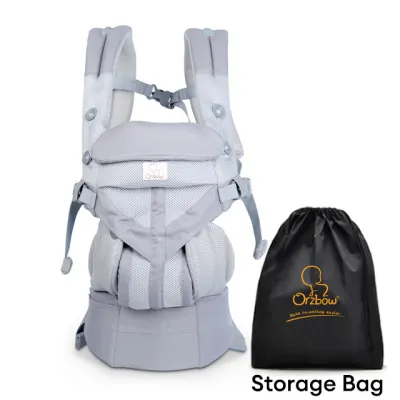

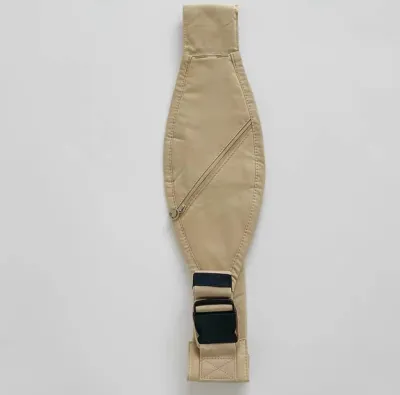
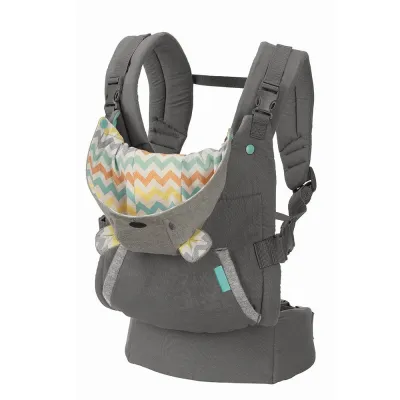
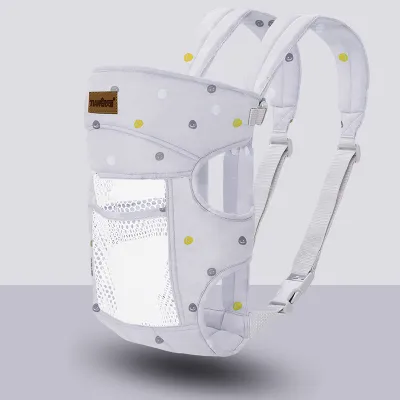
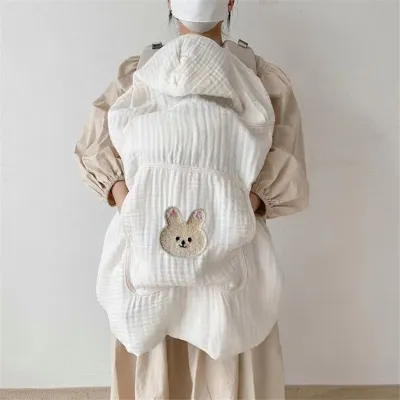
Prices are valid at publication and may change. Please refer to the product page for the latest price.
Before purchasing or using any baby carrier model, you must locate the manufacturer’s label or instruction manual to verify the exact minimum and maximum weight, age, and height limits. Placing a baby who is too light or too small into a structured carrier can cause them to slump, risking airway obstruction. Conversely, exceeding the maximum weight limit compromises the structural integrity of the buckles, seams, and fabric, creating a safety hazard. Never assume suitability based solely on a product’s name or visual appearance.
During the initial fitting, you must observe the baby’s hip positioning to ensure they are seated in the ergonomic “M-shape” position. In this position, the baby’s knees are aligned higher than their hips, and their thighs are fully supported from knee crease to knee crease. This layout reduces stress on the developing hip joints and helps prevent hip dysplasia, a critical consideration during the first year of rapid bone growth. You should verify this positioning in a mirror during your first few attempts at adjusting the straps.
As your baby transitions to independent sitting and gains stronger trunk control, their physical needs shift. They will begin to look around more and may resist being tightly enclosed. This is the stage where a transition to a carrier featuring a supportive waist stool becomes highly beneficial. The solid seat of a waist stool redistributes the baby’s growing weight directly to your hips, allowing you to carry an older, more active baby comfortably without straining your shoulders or upper back.
Selecting the Right Orzbow Model for Your Daily Routine
Your daily routine dictates how often, how long, and where you will use your baby carrier. For quick indoor tasks, such as preparing a meal, or short errands like popping into a local convenience store, simplicity is key. In these scenarios, a standalone waist stool or a lightweight, minimalist carrier is often the most practical choice. These designs allow for rapid on-and-off transitions, making it easy to lift your baby up when they want cuddles and set them down quickly when they want to crawl or play.

For extended outdoor walks, family travel, or navigating busy urban environments, your physical comfort becomes a primary concern. Carrying a baby for hours requires a carrier with heavily padded shoulder straps, a wide, supportive waistband, and optional cross-back configurations. These features work together to distribute your baby’s weight evenly across your shoulders, back, and hips, preventing the localized muscle fatigue that often cuts outings short. If you frequently commute via public transport, a model that folds down compactly into a diaper bag is highly advantageous.
In tropical climates where humidity and heat are constant factors, the material of the carrier is just as important as its structural design. Look for models that feature breathable 3D mesh panels, lightweight fabrics, and roll-down windproof flaps that can be opened to allow maximum airflow. A carrier that traps heat will quickly cause both you and your baby to overheat, leading to skin irritation, fussiness, and physical discomfort during outdoor activities. Always check the product specifications on the manufacturer’s label to verify the fabric composition and breathability features.
When deciding on a purchase, assess whether a single, highly adjustable multi-in-one carrier can meet all your needs, or if a two-carrier system is more realistic. An adjustable multi-functional model that converts from a soft infant carrier to a structured waist stool carrier offers excellent long-term value as your child grows. However, parents who frequently share carrying duties or have distinct indoor and outdoor routines may find that owning one lightweight wrap-style carrier for home use and one heavy-duty structured carrier for travel provides the ultimate convenience.
Essential Safety Checks and Fit Adjustments
Safety must always be your top priority when using any baby gear. Before your first use, thoroughly read the specific instruction manual to familiarize yourself with the exact weight thresholds, safety warnings, and the recommended buckling sequence. Every model has its own unique adjustment points, and understanding how to secure the waist belt before lifting your baby into the carrier is essential for preventing accidental slips. Keep the manual in a safe place for future reference as your baby grows.
Establish a habit of performing a quick visual and physical inspection of the carrier before every single use. Check all plastic buckles for cracks, ensure the zippers glide smoothly and lock securely, inspect the stitching along high-stress seams for any signs of fraying, and verify that the anti-slip surface on the waist stool is clean and intact. If you notice any wear, damage, or compromised parts, suspend use immediately until the carrier can be repaired or replaced. If you purchase a pre-owned carrier, verify that it has not been subject to any manufacturer recalls.
When adjusting the straps, aim for a fit that keeps your baby positioned high on your chest—high enough that you can easily tilt your head forward and kiss the top of their head. This positioning keeps the baby’s weight close to your natural center of gravity, which minimizes lower back strain and prevents you from overcompensating by leaning forward or backward. The shoulder straps should be snug but comfortable, and the waist belt should sit firmly on your hips rather than sagging down your thighs.
Always monitor your baby’s breathing and comfort level while they are in the carrier. Ensure their face is completely visible, their chin is off their chest, and their nose and mouth are free from fabric obstructions. If your baby shows any signs of discomfort, restricted breathing, or if you have any concerns regarding their hip development or physical posture, stop using the carrier immediately and consult a qualified pediatrician or healthcare professional.
Frequently Asked Questions (FAQ)
Can I use a waist stool for a newborn?
Standalone waist stools are not suitable for newborns. These seats require the baby to have full neck and trunk control, which typically develops around the time they can sit independently. For newborns, you must use a full soft-structured carrier that offers complete head, neck, and back support, or utilize a specific infant insert as detailed in the manufacturer’s instructions. Always check the product label for the minimum age and weight requirements before attempting to use any waist stool configuration.
How do I clean and maintain my Orzbow carrier?
To maintain the structural integrity and hygiene of your carrier, always follow the specific washing and drying instructions printed on the care label. For minor spills, drool, or spots, use a damp cloth with a mild, baby-safe detergent to spot clean the fabric rather than running a full wash cycle. When a deep clean is necessary, avoid using harsh chemicals, bleach, or high-heat drying cycles, as extreme heat and strong detergents can degrade the safety webbing, weaken the plastic buckles, and damage the internal support structures of the waist stool.

Community discussion
Share your experience or ask a question. Comments are reviewed before publication.