
Selecting the right Nurture to Nature toothbrush for your baby depends directly on their current stage of oral development. Rather than relying solely on age numbers printed on the packaging, parents should match the brush’s design to their child’s physical milestones—starting with a gentle silicone finger brush for pre-teething gum care, transitioning to an extra-soft bristle brush when the first teeth erupt, and moving to an ergonomic, easy-grip toddler brush as motor skills develop.
Identifying Your Baby's Current Oral Development Stage
The foundation of lifelong oral health begins long before the first tooth cuts through the gums. During the first six months of life, infants rely on their gums to nurse and explore their environment. Even without teeth, milk sugars can cling to the gums and tongue, creating an environment where oral bacteria can gather. Cleaning this delicate tissue early on helps establish a healthy oral microbiome and gets your baby accustomed to a daily cleaning routine.
Around the six-month mark, though sometimes earlier or later, the first primary teeth begin to make their appearance. This teething phase is often accompanied by increased drooling, irritability, and a strong urge to chew on hard objects. The gums in the area of the erupting tooth become swollen and highly sensitive. During this stage, oral care must balance effective plaque removal with extreme gentleness to avoid irritating the already sore gum tissue.
Products mentioned in this guide
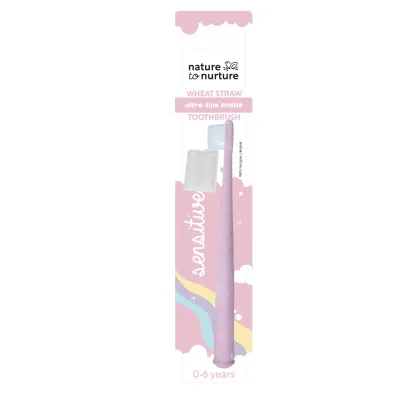
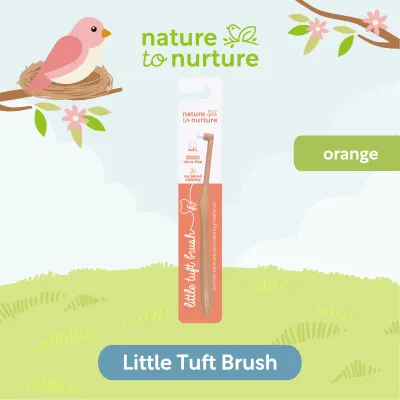
Prices are valid at publication and may change. Please refer to the product page for the latest price.
As your baby approaches their first birthday and moves into toddlerhood, their dental landscape changes rapidly. Multiple teeth, including the first molars, begin to erupt in the back of the mouth. This stage, typically spanning from 12 to 36 months, introduces new challenges as food particles can easily become trapped in the deeper grooves of the molars. The surface area requiring cleaning increases significantly, demanding a brush that can reach these tight spaces.
Alongside physical dental changes, toddlers undergo rapid motor skill development. They begin to show a strong desire for independence, often wanting to mimic their parents’ daily routines. This transitional phase is the ideal time to introduce a toothbrush that they can hold themselves, helping them practice their grip and coordination. However, because toddlers lack the manual dexterity to clean their teeth thoroughly, parental supervision and assistance remain absolutely essential.
It is crucial to remember that every child develops at their own unique pace. While age ranges on packaging serve as helpful reference points, your baby’s actual physical milestones—such as the number of teeth present, the sensitivity of their gums, and their ability to grasp objects—should guide your final selection. Observing these daily changes ensures you choose a tool that matches their immediate needs rather than a generic age bracket.
Matching Nurture to Nature Toothbrush Types to Developmental Milestones
To address these distinct developmental phases, baby toothbrushes are designed with specific materials and structural features. For the earliest stage of oral care, silicone finger brushes or specialized gum massagers are the standard choice. These tools are designed to slip comfortably over a parent’s index finger, allowing for precise control and a gentle touch. The soft silicone textures swipe away milk residue while providing a soothing massage to tender, pre-teething gums.

Once those first tiny teeth break through the gumline, a finger brush is no longer sufficient to clean the emerging enamel effectively. This milestone requires a transition to a traditional toothbrush design but on a miniature scale. A small-headed brush with extra-soft bristles is necessary to clean around the new teeth without scratching the delicate enamel or bruising the surrounding gums. The compact head size allows parents to navigate the small contours of an infant’s mouth comfortably.
As your child grows into an active toddler with a mouth full of primary teeth, their brushing needs shift toward a combination of parental cleaning and independent practice. Toothbrushes designed for this stage feature slightly larger heads to cover more surface area and handle designs that accommodate a toddler’s developing grip. These handles are often wider, textured, or shaped to prevent slipping out of small, clumsy hands while still allowing parents to take over and finish the job.
When exploring the Nurture to Nature product lineup, parents should carefully evaluate how each model aligns with these specific developmental categories. The brand offers options tailored to different stages of early childhood, focusing on gentle materials and age-appropriate designs. By matching the physical characteristics of the brush—such as bristle type, head dimensions, and handle shape—to your baby’s current milestone, you can ensure a safe and comfortable brushing experience.
Because product availability, packaging designs, and specific model names can vary over time, it is highly recommended to verify the exact details of each toothbrush before purchasing. Parents in the Philippines should check the official packaging, age recommendations, and stage indicators directly on the brand’s official store listings or authorized online marketplaces. This step ensures you are receiving the correct, authentic product designed for your baby’s specific developmental stage.
Key Safety and Design Features to Verify on the Packaging
When selecting a baby toothbrush, safety and physical design must be your top priorities. The first feature to examine on the packaging is the bristle specification. For infants and toddlers, bristles must always be labeled as “extra-soft” or “ultra-soft.” Hard or even medium bristles can easily damage soft gum tissue and wear down thin baby enamel, leading to discomfort that might make your child resist future brushing sessions.
Next, evaluate the size and shape of the brush head. The head should be small enough to fit easily into the back of your baby’s mouth without causing discomfort or triggering a gag reflex. A tapered or rounded head shape is generally preferred, as it minimizes the risk of accidental bumps against the sensitive inner cheeks and gums during sudden movements.
Handle ergonomics play a dual role in baby oral care. In the early stages, the handle must be comfortable for you, the parent, to hold securely, allowing for gentle, controlled movements. As your child transitions to independent brushing, the handle should feature a non-slip, textured grip that fits easily into their small palm. Look for ergonomic shapes that encourage a natural grip and prevent the brush from slipping out of wet hands.
Material safety is non-negotiable when it comes to products that go into your baby’s mouth. Always inspect the packaging for clear labels indicating that the product is free from harmful chemicals. Look for certifications or statements confirming the brush is BPA-free, phthalate-free, and made from food-grade materials, especially for silicone components. These details provide peace of mind that the materials are safe for daily oral contact.
Finally, look for built-in safety features designed to prevent choking or over-insertion. Many baby toothbrushes feature wide handles, integrated safety shields, or protective barrier rings that physically prevent the brush from going too far into the child’s throat. These design elements are particularly important for toddlers who are learning to brush independently, as they protect against accidental injury during sudden slips or falls.
Daily Maintenance and Replacement Rules for Baby Toothbrushes
Maintaining the hygiene of your baby’s toothbrush is just as important as choosing the right model. After every brushing session, thoroughly rinse the brush under clean, running water to remove all traces of toothpaste, food particles, and saliva. Gently shake off excess water and use your thumb to spread the bristles slightly, ensuring no debris remains trapped at the base of the brush head.
Proper drying and storage are critical, especially in the warm and highly humid tropical climate of the Philippines. High humidity levels can trap moisture within the bristles, creating an ideal breeding ground for bacteria, mold, and mildew. To prevent this, always store the toothbrush upright in an open container or holder that allows for complete air circulation. Avoid storing the brush in closed cabinets, drawers, or damp bathroom corners where air cannot circulate freely.
Keep the toothbrush away from direct heat sources and intense, direct sunlight, as prolonged exposure can degrade plastic and silicone materials, causing them to become brittle or sticky. Additionally, ensure your baby’s toothbrush does not touch other family members’ brushes in the holder, as this contact can easily transfer oral bacteria between household members.
Regularly inspect the toothbrush for physical signs of wear and tear. Over time, bristles will naturally fray, splay, or lose their original shape, reducing their cleaning effectiveness and potentially irritating your baby’s gums. For silicone brushes, look for signs of degradation such as tearing, discoloration, or a sticky texture. As a general rule, replace your baby’s toothbrush every two to three months, or immediately after they recover from an illness to prevent reinfection.
Frequently Asked Questions (FAQ)
When should I start using toothpaste with a Nurture to Nature toothbrush?
Oral care should begin even before teeth appear, but the introduction of toothpaste coincides with the eruption of your baby’s very first tooth. According to standard pediatric dental guidelines, you should start brushing as soon as that first tooth is visible, using a tiny smear of toothpaste roughly the size of a single grain of rice. This minimal amount is highly effective for cleaning while remaining safe if the baby accidentally swallows it.
As your child grows and learns how to spit out excess toothpaste—typically around the age of three—you can gradually increase the amount to a pea-sized portion. When choosing between fluoride and non-fluoride toothpaste options, it is highly recommended to consult a pediatric dentist. They can provide personalized advice based on your child’s specific oral health needs, local water quality, and individual risk of tooth decay.
Can I use the same toothbrush if my baby is between two recommended age ranges?
Age recommendations printed on toothbrush packaging are general guidelines rather than strict rules. If your baby is in a transitional phase between two age brackets, you should evaluate their actual physical development to decide whether to upgrade. Look closely at their mouth size, the total number of teeth they have, and their physical coordination during brushing sessions.
If you notice that the current brush head is too small to cover their teeth efficiently, or if the bristles are wearing out exceptionally fast due to chewing, it is likely time to transition to the next stage. Additionally, if your toddler is showing a strong interest in holding the brush themselves but struggles with a thin handle, upgrading to a model with a wider, more ergonomic grip will support their developing motor skills and encourage their independence.

Community discussion
Share your experience or ask a question. Comments are reviewed before publication.