
Selecting the right toothbrush from the Nature to Nurture official store requires matching the design, material, and safety features to your child’s specific age and teething stage. For newborns and infants up to six months, oral care focuses on soothing tender gums and clearing milk residue using ultra-soft silicone massagers or finger brushes. As the first teeth emerge between six and twelve months, transitioning to a training toothbrush with extra-soft bristles and a protective safety shield helps protect delicate enamel while preventing gagging. For toddlers aged twelve to twenty-four months and beyond, a structured toothbrush with a small, rounded head and soft nylon bristles supports independent brushing while effectively removing plaque. Always verify the manufacturer’s age guidelines, material specifications, and safety warnings on the packaging before introducing any new oral care tool to your child.
Understanding Your Baby's Oral Development and Teething Stages
A baby’s oral environment undergoes rapid changes during the first two years of life, making it essential to adapt your cleaning tools to their developmental milestones. Before any teeth physically break through the gums, infants experience a pre-teething phase characterized by increased salivation, a desire to chew on firm objects, and localized gum sensitivity. During this initial stage, the primary goal of oral hygiene is not plaque removal, but rather the gentle stimulation of the gums and the removal of milk sugars that can accumulate on the tongue and oral tissues.
The emergence of the first primary teeth, typically the lower central incisors, usually begins around six months of age, though this timeline varies significantly for every child. As these sharp new teeth cut through the gums, the surrounding tissue often becomes inflamed, tender, and highly sensitive to pressure. Introducing a toothbrush with rigid components or stiff bristles during this transition can cause pain, leading to a negative association with oral hygiene that may persist as the child grows.
Products mentioned in this guide
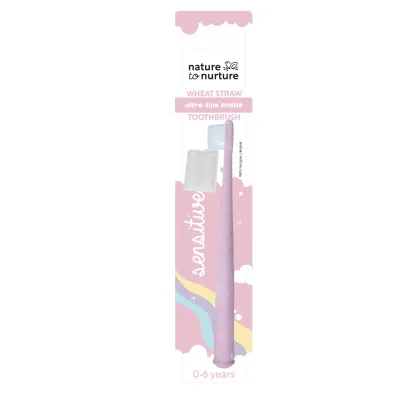
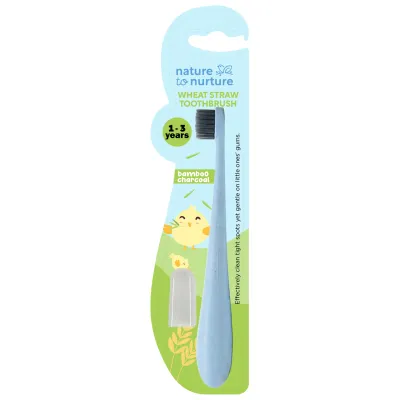
Prices are valid at publication and may change. Please refer to the product page for the latest price.
As your child approaches their first birthday and moves into toddlerhood, additional teeth, including the upper incisors and first molars, will begin to appear in quick succession. The presence of multiple teeth creates tight spaces where food particles and plaque can easily accumulate, increasing the risk of early childhood caries. This developmental shift requires a transition from simple gum massage to active, structured brushing that can reach the deeper crevices of the mouth without irritating the surrounding soft tissues.
Essential Toothbrush Features to Check Before Buying
When browsing the Nature to Nurture official store, parents must evaluate several physical and material specifications to ensure the selected toothbrush is safe and effective for their child’s current stage. The material of the bristles is the first critical factor to consider. Food-grade silicone is highly flexible, gentle on inflamed gums, and easy to sanitize, making it excellent for early teething stages. In contrast, extra-soft nylon bristles are necessary for older infants and toddlers because they provide the structural integrity required to sweep away plaque from the surfaces of newly emerged teeth.

Handle ergonomics play a dual role in baby oral care, depending on who is controlling the toothbrush. For younger infants, the handle should be designed for parent-assisted brushing, featuring an elongated shape that allows an adult to maintain a secure, comfortable grip and precise control over the brushing pressure. For toddlers learning to brush independently, the handle should be shorter, thicker, and textured with non-slip materials to accommodate their developing fine motor skills and limited grip strength.
Safety features are paramount to prevent accidental injury during oral care routines. Look for toothbrushes equipped with built-in choke guards or protective shields that physically limit how far the brush head can be inserted into the child’s mouth. These shields prevent the brush from reaching the back of the throat, reducing the risk of gagging, choking, or soft-tissue trauma if the child slips or moves suddenly while brushing.
Finally, parents must verify the chemical safety of all materials used in the construction of the toothbrush. Because infants and toddlers naturally chew on their toothbrushes, every component must be free from harmful chemicals such as Bisphenol A (BPA), phthalates, lead, and polyvinyl chloride (PVC). Always check the product packaging or official store listings for explicit non-toxic and food-grade material certifications before making a purchase.
Matching Nature to Nurture Toothbrush Types to Your Child's Age
Selecting the right oral care tool involves understanding how toothbrush designs evolve to meet the changing physical dimensions of a child’s mouth. As your child grows, their oral cavity expands, and their manual dexterity improves, requiring a gradual shift from passive gum care to active, self-guided brushing.
Matching the brush head size to your child’s current oral dimensions is crucial for both comfort and efficacy. A brush head that is too large will not fit comfortably in a small mouth, making it difficult to reach the back teeth and increasing the likelihood of gagging. Conversely, a brush head that is too small for an older toddler may not cover enough surface area to clean multiple teeth efficiently.
Pre-Teething and Gum Massage (0 to 6 Months)
During the first six months of life, oral care is focused on maintaining a clean oral environment and preparing the infant for future brushing routines. For babies who have not yet sprouted their first teeth, a silicone finger brush or an ultra-soft gum massager is the ideal tool. These brushes fit securely over a parent’s finger, allowing for gentle, controlled sweeps along the upper and lower gums to clear away milk residue and soothe the discomfort associated with early teething.
When selecting a finger brush, it is essential to check for a seamless, one-piece design molded entirely from food-grade silicone. One-piece construction eliminates joints or seams where bacteria can accumulate and ensures that no small parts can detach during use, minimizing choking hazards. The texture should consist of very soft, rounded silicone bumps or ridges rather than distinct bristles, providing a soothing massage without scratching the delicate oral mucosa.
Before purchasing, verify that the product is explicitly labeled as suitable for newborns and infants from zero months onward. Avoid any models that incorporate rigid plastic handles or detachable components at this stage, as these materials are too hard for a young baby’s sensitive gums and pose unnecessary safety risks.
First Teeth and Transitioning (6 to 12 Months)
The arrival of the first primary teeth marks a significant transition in your baby’s oral care routine, requiring a shift from simple gum wiping to targeted tooth cleaning. During this stage, which typically spans from six to twelve months, parents should look for training toothbrushes designed to bridge the gap between gum massagers and traditional toothbrushes. These brushes often feature small, rounded heads with extremely soft bristles that can clean the front and back surfaces of the new incisors without damaging the delicate, newly formed enamel.
A critical feature to prioritize during this transitional phase is a built-in safety shield or choke guard. As babies at this age are eager to explore objects with their mouths, they will often attempt to hold and chew on the toothbrush themselves. A wide, flexible shield positioned just below the brush head acts as a physical barrier, preventing the child from over-inserting the brush into their throat while allowing them to safely explore the sensation of brushing under close adult supervision.
As more teeth begin to emerge, transition from pure silicone massagers to brushes with ultra-soft, tapered bristles. While silicone is excellent for massaging gums, it lacks the fine tips necessary to clean the tight spaces between adjacent teeth. Transitioning to a brush with extremely fine, soft bristles ensures that plaque is effectively cleared from the gumline, where decay-causing bacteria are most likely to accumulate.
Toddler Brushing and Independence (12 to 24 Months and Beyond)
By the time your child reaches twelve to twenty-four months, they will likely have several teeth, including front incisors and early molars, and will begin to show a strong desire for independence. To support this developmental stage, select a toddler-sized toothbrush featuring a slightly larger, rounded head equipped with soft nylon bristles. The nylon bristles must remain soft to protect the gums, but they need to be dense enough to sweep away sticky food residues and plaque from the deep grooves of the molars.
The handle of a toddler toothbrush should be specifically engineered to support a child’s developing grip. Look for ergonomic designs with wide, non-slip rubberized grips that fit comfortably into a toddler’s small hand. This design encourages the child to practice holding and moving the brush, fostering the fine motor skills required for self-brushing while still allowing parents to easily take over and complete the cleaning process.
Even as your child grows more independent, it is vital to ensure the brush head size remains proportional to their small mouth cavity. A brush head that is too bulky can cause discomfort, leading to resistance during brushing sessions. Continue to prioritize compact, rounded brush heads that can easily maneuver around the tight spaces at the back of the mouth without causing gagging or irritation to the inner cheeks.
Navigating the Official Store for Authentic and Safe Purchases
To ensure you are receiving genuine, non-toxic products that meet strict safety standards, it is crucial to purchase directly from the authorized Nature to Nurture official store on your preferred ecommerce platform. Online marketplaces host numerous third-party sellers, some of whom may offer counterfeit, expired, or poorly stored baby products. To protect your child’s health, look for verified official store badges, mall designations, or authorized retailer credentials on the seller’s profile page before adding items to your cart.
When your order arrives, take a moment to inspect the product packaging and security seals before opening the toothbrush. Genuine Nature to Nurture products feature high-quality, clear printing, intact safety seals, and clearly legible batch codes and manufacturing dates. If the packaging appears flimsy, lacks proper labeling, or has broken seals, do not use the product and contact the official customer service channel for verification.
Reading recent customer reviews can provide valuable insights into the reliability of the seller and the condition of the products. Look for feedback that specifically mentions the authenticity of the materials, the cleanliness of the packaging upon arrival, and the responsiveness of the seller. Be cautious of listings with unusually low prices in ₱ compared to the standard retail price on the official store, as significantly discounted items may indicate counterfeit goods made from substandard, non-certified plastics.
In tropical climates like the Philippines, proper storage and handling during transit are also important. High humidity and heat can compromise the integrity of adhesives or packaging seals if products are stored incorrectly by unauthorized sellers. Purchasing from the official store ensures that the products have been kept in temperature-controlled environments, preserving the hygiene and safety of the toothbrush materials.
Building a Safe and Effective Daily Brushing Routine
Establishing a consistent and safe daily brushing routine is just as important as choosing the right toothbrush. To begin, position your baby comfortably, either cradled in your arms or sitting on your lap facing away from you, which allows you to gently support their head and gain a clear view of their mouth. Use gentle, circular motions to clean the teeth and gums, avoiding excessive pressure that can irritate sensitive oral tissues or cause the child discomfort.
When introducing toothpaste, always select an age-appropriate, fluoride-free formula for infants who have not yet learned how to spit. For babies under twelve months, a tiny smear of toothpaste—no larger than a grain of rice—is sufficient to clean the teeth safely. As your child grows and learns to spit out excess toothpaste, usually around two years of age, you can gradually increase the amount to a pea-sized portion, always following the specific recommendations of your pediatrician or pediatric dentist.
Toothbrushes must be replaced regularly to maintain hygiene and effectiveness. Over time, bristles become frayed, worn, and less capable of removing plaque, while silicone components can develop micro-tears from chewing. Inspect the toothbrush daily for any signs of wear, structural degradation, or loose bristles, and replace it immediately if you notice any damage.
Caregiver supervision is mandatory during every brushing session, without exception. Never allow an infant or toddler to walk, run, or play while holding a toothbrush, as a sudden fall can cause severe oral or throat injuries. If the toothbrush shows any signs of breaking, shedding bristles, or cracking, stop using it immediately. If your child experiences persistent gum bleeding, severe discomfort, or if you notice any unusual oral lesions, stop using the brush immediately and consult a pediatric dentist or healthcare professional.
Frequently Asked Questions (FAQ)
How often should I replace my baby's Nature to Nurture toothbrush?
As a general guideline for infant and toddler oral care, you should replace your baby’s toothbrush every three months, or sooner if you observe physical signs of wear. Visual indicators that a replacement is necessary include frayed or splayed nylon bristles, tears or bite marks in silicone components, and permanent discoloration of the brush head. Additionally, it is highly recommended to replace the toothbrush immediately after your child recovers from any oral infection or systemic illness to prevent the risk of recontamination.
Can I sterilize silicone and nylon baby toothbrushes in boiling water?
Before attempting to sterilize any baby toothbrush, you must check the manufacturer’s specific temperature limits and care instructions printed on the product packaging. While high-quality, food-grade silicone bodies can typically withstand the high temperatures of boiling water or steam sterilizers, nylon bristles and plastic handles may warp, melt, or degrade under extreme heat. If boiling is not recommended for your specific model, safe and effective alternatives include washing the brush thoroughly with warm, soapy water, rinsing it clean, and allowing it to air dry completely in a well-ventilated area.

Community discussion
Share your experience or ask a question. Comments are reviewed before publication.