
Selecting the right Nathan and Emma baby food storage products for on-the-go feeding depends on matching your specific travel duration, your baby’s developmental stage, and the types of food you plan to serve. Because outdoor conditions—especially in warm, humid tropical climates—can accelerate food spoilage, choosing the correct container format and verifying its sealing capabilities is essential for a smooth feeding experience. By evaluating your daily routines and checking the manufacturer’s specifications on each product, you can find a secure, portable solution that keeps your baby’s meals fresh and accessible while you are out.
Identifying Your On-the-Go Feeding Needs
Before selecting a specific storage container, it is helpful to define the core variables of your travel scenarios. A quick trip to a local mall in the Philippines requires different preparation than an all-day family gathering. If you only need to feed your baby once during a short errand, a single-serve container is often the most practical choice. For longer trips, you will need multiple containers or a modular system that allows you to organize several meals without taking up excessive space in your diaper bag.
The consistency of the food you plan to carry also dictates your storage requirements. Purees and liquid-heavy meals require highly secure, airtight seals to prevent messy spills inside your bag. Soft solids, finger foods, or dry snacks like baby puffs are more forgiving and can be stored in lighter, easy-to-open containers. If your baby is transitioning to textured foods, you might need containers that accommodate different food types in separate compartments.
Products mentioned in this guide
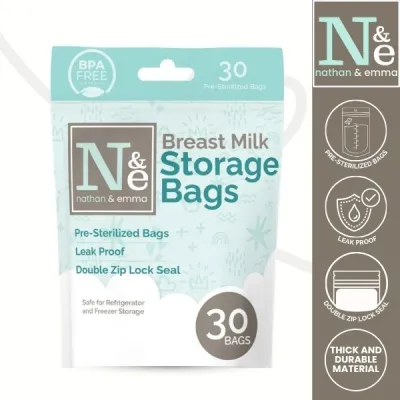
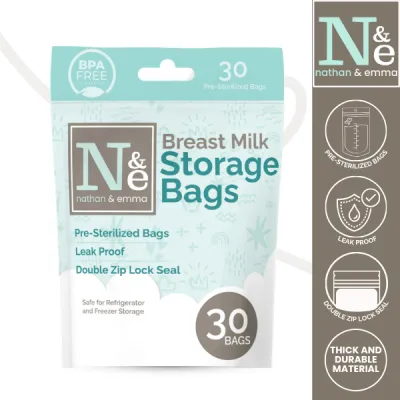
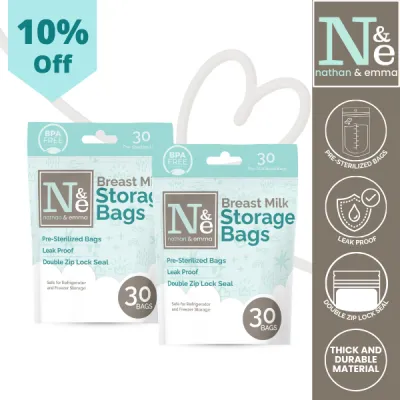
Prices are valid at publication and may change. Please refer to the product page for the latest price.
Your preferred feeding method on the go is another critical factor to consider. Some parents prefer feeding directly from the storage container to minimize cleanup, while others prefer squeezing purees onto a spoon or transferring food into a separate suction bowl. If you plan to feed directly from the container, look for designs with wide openings that easily accommodate baby spoons and have stable bases to prevent tipping on uneven outdoor tables.
Key Features to Check in Nathan and Emma Storage
When browsing Nathan and Emma storage options, always verify the material safety and age-appropriateness listed on the specific product packaging. Look for clear labels indicating food-grade materials and BPA-free construction. Because safety standards and product materials can vary, checking the manufacturer’s official documentation ensures the container is suitable for your baby’s current developmental stage and weight range.

Examine the sealing mechanisms closely to ensure they can withstand travel. For mobile feeding, a reliable leak-proof design is non-negotiable. Inspect the silicone gaskets, snap-on lids, or screw tops to see how securely they close. A tight seal not only prevents liquid food from escaping into your diaper bag but also helps protect the contents from external humidity and contaminants during transit.
Portability and space efficiency are crucial when you are already carrying diapers, wipes, and extra clothes. Lightweight containers that stack neatly or nest inside one another when empty will save valuable space. Consider the overall weight of the empty containers, as heavy glass or bulky plastics can make your travel bag unnecessarily heavy during long walks.
Finally, review the cleaning and sterilization instructions provided by the manufacturer. Some materials are compatible with steam sterilizers, boiling water, or top-rack dishwasher cycles, while others require gentle hand washing to prevent warping. Verifying these details beforehand ensures you can maintain proper hygiene without damaging the containers.
Matching Storage Formats to Your Travel Scenarios
For short trips and daily errands, such as a quick visit to the park or a doctor’s appointment, lightweight and single-serve formats are highly efficient. These small containers hold exactly one portion, minimizing packing bulk and reducing the amount of leftover food you have to carry back. Easy-access lids are particularly helpful when you need to prepare a quick meal while holding a hungry baby.
Long journeys, road trips, or all-day outings demand a more structured approach. In these scenarios, larger capacities and modular sets with secure stacking features are invaluable. Modular systems allow you to lock multiple containers together, keeping breakfast, lunch, and snacks organized in one neat column. This prevents individual cups from rolling around and getting lost at the bottom of your bag.
When carrying temperature-sensitive foods like breast milk, formula, or fresh meat and vegetable purees, keep in mind that standard plastic or silicone storage containers do not provide active temperature control. In warm, tropical environments, you must pair these containers with an insulated cooler bag and reusable ice packs. Keeping the food chilled during transit is vital to prevent rapid bacterial growth before feeding time.
Safety and Maintenance Checks for Mobile Feeding
Maintaining food safety on the go requires strict attention to temperature control limits. Prepared baby food should not sit at room temperature for extended periods, especially in hot and humid weather. Always inspect the food before serving; look for observable signs of spoilage such as an unusual odor, separation of liquids, sour taste, or a bloated container lid. If you suspect the food has been exposed to heat for too long, it is safest to discard it.
Proper cleaning routines are essential for preventing mold and bacterial buildup, particularly in humid climates. After returning home, disassemble all parts of the container, including removable silicone seals and valves. Wash them thoroughly with mild baby-safe dishwashing liquid and allow every piece to dry completely in a well-ventilated area before reassembling or storing them in a closed cabinet.
Regularly inspect your storage containers for signs of wear and tear. Establish clear conditions for stopping use: if you notice visible cracks, deeply scratched interior surfaces that could harbor bacteria, or degraded silicone seals that no longer provide a tight fit, it is time to replace the product. Using compromised containers increases the risk of leaks and contamination, so timely replacement is key to keeping your baby’s meals safe.
Frequently Asked Questions (FAQ)
Can I microwave Nathan and Emma storage containers directly?
Before heating any baby food container, you must check the specific product’s packaging or user manual for microwave-safe symbols. While some container bodies are designed to withstand microwave heat, lids, silicone seals, and collar valves often must be removed beforehand to prevent pressure buildup or warping. Always stir the heated food thoroughly and test the temperature on your wrist before feeding your baby to avoid hot spots.
How do I prevent leaks when carrying purees in my bag?
To minimize the risk of leaks, ensure that all silicone sealing rings are fully seated in their grooves and that lids are aligned correctly before tightening. Avoid filling the containers past the manufacturer’s maximum fill line, as overfilling can compromise the seal when pressure changes occur. For added peace of mind, place the filled containers upright inside a secondary waterproof wet bag or a dedicated compartment within your diaper bag.

Community discussion
Share your experience or ask a question. Comments are reviewed before publication.