
When a baby or toddler is congested, it affects their entire day, from how they feed to how they sleep. Because infants are primarily nasal breathers during their first few months, a blocked nose can quickly lead to fussiness and exhaustion for both the child and the caregiver. Choosing the right tool for nasal suction for kids is essential to clear these delicate airways safely and efficiently.
The ideal nasal aspirator depends on your child’s age, physical development, and the consistency of their mucus. While a newborn requires an incredibly gentle, non-invasive approach, an active toddler dealing with a thick seasonal cold needs a device with stronger, more consistent suction. Understanding the differences between manual bulbs, mouth-operated systems, and electric models ensures you can relieve your child’s congestion without causing discomfort or tissue damage.
Quick Guide: Matching Aspirator Types to Your Child's Age and Needs
Nasal passages are highly delicate and continue to develop throughout early childhood. Using a tool that is too large or has excessive suction can irritate or even bruise the sensitive inner lining of your child’s nose. Conversely, using a device with insufficient power for thick, sticky mucus will only frustrate your child without providing relief.
Products mentioned in this guide
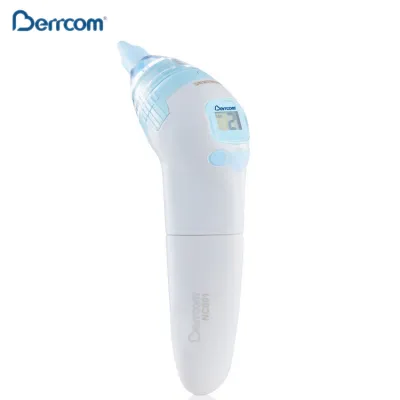
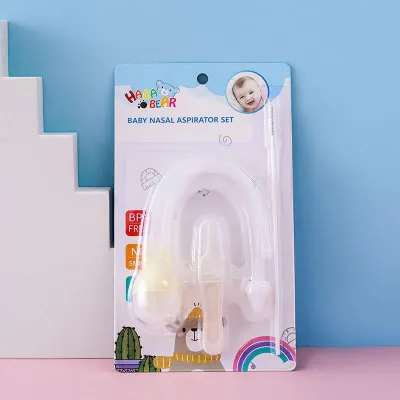
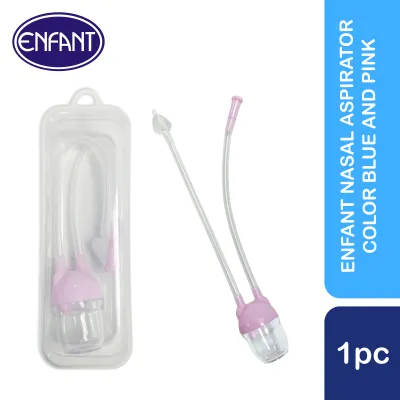
Prices are valid at publication and may change. Please refer to the product page for the latest price.
To help you make an informed decision, this comparison table outlines the three primary types of nasal suction devices, their recommended age ranges, and their best applications:
| Aspirator Type | Recommended Age Range | Suction Control Method | Best Use Case | Price Range (Approximate) |
|---|---|---|---|---|
| Bulb Syringe | Newborns to 3 months | Manual squeeze (low and inconsistent) | Clearing thin, watery mucus and removing daily saline drops | ₱50 – ₱200 |
| Mouth-Operated | 3 months to 2+ years | Caregiver's breath (highly precise and adjustable) | Moderate, sticky mucus in infants who resist loud noises | ₱300 – ₱1,000 |
| Electric Motorized | 6 months to 3+ years | Motorized settings (consistent and hands-free) | Thick, deep congestion during heavy colds or respiratory issues | ₱800 – ₱3,000+ |
When choosing between these options, several key decision factors should guide your purchase:
- Child's Noise and Insertion Tolerance: Some babies are highly sensitive to the mechanical hum of motorized devices, while others are more bothered by the physical insertion of a manual tip.
- Mucus Viscosity: Thin, watery secretions are easy to clear with basic tools, but thick, stubborn mucus—often worsened by dry air-conditioned rooms in tropical climates—requires sustained, stronger suction.
- Caregiver Comfort and Usability: Mouth-operated devices require the caregiver to actively suck on a mouthpiece, which some parents find uncomfortable despite built-in protective filters. Electric models offer convenient, one-handed operation, allowing your other hand to gently secure a squirming child.
Bulb Syringes: Best for Newborns and Mild Congestion
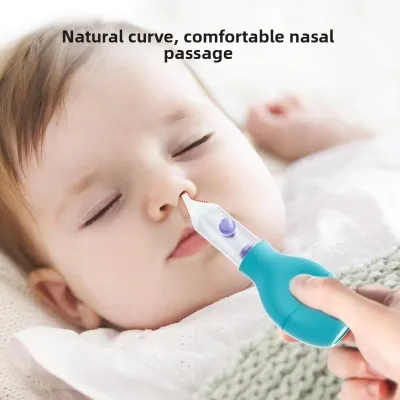
The traditional bulb syringe remains a household staple and is often the first nasal suction tool parents receive. These devices operate on a simple vacuum principle: squeezing the bulb expels the air, and releasing it while the tip is placed at the nostril draws mucus into the chamber. Their straightforward, non-electric design makes them highly accessible and non-threatening for first-time parents.

For newborns and very young infants, the bulb syringe is highly effective at clearing thin, watery secretions. It is also the ideal tool for drawing out excess saline drops after a routine nasal misting. Because newborns have tiny, highly restricted nostrils, the small, tapered tips of classic bulb syringes can easily establish a gentle seal without entering too deeply into the nasal cavity.
However, traditional bulb syringes have notable limitations that modern parents should consider. The primary concern is hygiene; classic one-piece rubber bulbs are opaque, making it impossible to see inside. This dark, moist environment is highly susceptible to mold and bacterial growth over time. Additionally, the suction power is brief and inconsistent, often requiring multiple attempts that can irritate the baby’s nasal tissue if the tip is repeatedly inserted.
When shopping for a bulb syringe, prioritize safety and cleanliness by looking for modern, two-piece designs. These models allow you to pull the bulb apart completely for visual inspection, thorough washing, and sterilization. Always verify that the tip is made of medical-grade, soft, flexible silicone rather than rigid plastic to prevent accidental scraping of the delicate nasal membranes.
Mouth-Operated Aspirators: Ideal for Infants and Moderate Mucus
Mouth-operated nasal aspirators offer a highly effective middle ground for growing infants. This design consists of a soft silicone nose tip connected to a collection chamber, which leads through a flexible tube to a mouthpiece. The caregiver places the tip gently against the baby’s nostril and draws breath through the mouthpiece to create suction.
This type is exceptionally well-suited for older infants, starting around three months of age, who produce moderate to sticky mucus. At this stage, babies are more active and may begin to resist nasal clearing. Because mouth-operated devices are completely silent, they do not startle or frighten infants the way a motorized device might, making the process much smoother for sensitive children.
The standout advantage of a mouth-operated aspirator is the precise control it grants the caregiver. You can instantly adjust the suction strength with your own breath, starting very gently and increasing the pull only as needed to dislodge stubborn blockages. These devices are also highly portable, require no batteries or charging cables, and typically disassemble completely into clear plastic parts that are easy to wash and inspect.
Safety and hygiene are paramount when using a mouth-operated system. Parents must verify that the device features a reliable, replaceable physical filter designed to block the transfer of mucus, moisture, and airborne pathogens. Always check the manufacturer’s instructions regarding filter replacement intervals to ensure you are fully protected against cross-contamination and accidental inhalation of viral particles during use.
Electric Nasal Aspirators: Best for Toddlers and Severe Congestion
Electric nasal aspirators utilize a small, battery-powered or USB-rechargeable motor to generate continuous, steady suction. This automated design eliminates the need for manual squeezing or oral suction, allowing caregivers to focus entirely on positioning and comfort. With the press of a button, the device maintains a steady vacuum pressure until the blockage is cleared.
These motorized devices are highly recommended for toddlers and older babies who suffer from thick, deep congestion during severe colds or respiratory infections. Toddlers are physically stronger and often vigorously resist having their noses cleared. The speed and efficiency of an electric aspirator allow you to complete the process in seconds, while the one-handed operation leaves your other hand free to gently support your child’s head.
Beyond convenience, electric models offer consistent, adjustable suction levels that manual tools cannot match. Many premium models also include thoughtful distraction features, such as built-in lullabies, cheerful melodies, or soft, color-changing lights. These additions can help keep a nervous toddler calm and cooperative during what would otherwise be a stressful routine.
Despite their benefits, electric aspirators have a few trade-offs, including a higher price point that typically ranges from ₱800 to over ₱3,000 on local ecommerce platforms. They rely on consistent battery power or regular charging, and the mechanical hum of the motor can frighten younger or highly sensitive infants. They are also bulkier to travel with compared to manual alternatives.
Before purchasing an electric model, verify that it offers multiple, adjustable suction levels so you can tailor the pressure to your child’s comfort. Ensure that the collection cup and silicone tips are fully detachable, easy to wash, and compatible with your home sterilizer or dishwasher. Always check the manufacturer’s specifications for decibel levels to ensure the motor operates quietly.
Safe Usage and Hygiene Practices for Nasal Suction
No matter which type of nasal suction for kids you choose, proper technique is essential to prevent injury and cross-contamination. The most critical first step is to always use sterile saline drops or a gentle saline spray before attempting any suctioning. Saline acts to hydrate, loosen, and break down thick or dried mucus, allowing it to glide out easily with minimal suction pressure. Check the packaging of your saline product to verify age suitability and recommended dosages.
Caregivers must also observe strict frequency limits to protect the child’s nasal lining. Limit deep suctioning to no more than three to four times a day, ideally timed before feedings and bedtime to help your child eat and sleep comfortably. Over-suctioning or using excessive pressure can cause the delicate nasal tissues to swell, rupture tiny blood vessels, and actually trigger a rebound effect where the body produces even more mucus to protect the irritated area.
Hygiene is your primary defense against reinfection and mold growth. Immediately after each use, disassemble the aspirator completely and wash all components in warm, soapy water. Rinse them thoroughly and sanitize them according to the manufacturer’s specific care instructions, such as boiling or using a steam sterilizer if the materials permit. Allow every piece to air-dry completely on a clean towel in a well-ventilated space before reassembling or storing them.
Finally, it is vital to recognize when to stop home care and seek professional help. Stop suctioning immediately if you observe bright red blood, severe localized swelling, or if your child exhibits extreme, prolonged distress. If your baby experiences persistent breathing difficulties, a high fever, or if the nasal congestion does not improve after several days of gentle care, consult a pediatrician or healthcare professional immediately.
Frequently Asked Questions (FAQ)
Can I use a nasal aspirator on my baby every day?
Gentle daily maintenance using a saline spray and a very light suction is generally safe for clearing minor environmental dust or crusts, particularly in air-conditioned or dusty environments. However, deeper, more vigorous suctioning should be strictly reserved for times when your child is sick and visibly struggling to breathe, eat, or sleep. Overusing any suction device on a daily basis can easily irritate the delicate nasal mucosa, leading to swelling and increased mucus production.
What should I do if my baby's nose bleeds after suctioning?
If you notice minor spotting or a small amount of blood in the mucus, stop suctioning immediately. Keep your baby in an upright position and apply very gentle pressure to the outer nostril if necessary. Minor bleeding is typically caused by dry nasal passages or the tip of the device scraping against the sensitive nasal wall. To prevent this in the future, always lubricate the nasal passages with saline drops beforehand, ensure you are using a soft, flexible silicone tip, and avoid inserting the tip too deeply. If the bleeding is heavy, does not stop within a few minutes, or recurs frequently, consult a pediatrician promptly.
Are electric nasal aspirators safe for newborns?
Many electric nasal aspirators are safe for newborns, provided they feature adjustable suction settings and are equipped with a specialized, extra-soft newborn tip. Before use, always check the manufacturer’s packaging to verify the recommended minimum age and weight guidelines. When using an electric model on a newborn, always start on the lowest suction setting, test the suction strength on your own inner wrist first, and closely monitor your baby’s reaction. If the motor’s noise or vibration startles your newborn, it is best to switch to a silent, mouth-operated aspirator.

Community discussion
Share your experience or ask a question. Comments are reviewed before publication.