
Choosing the right nasal suction for baby care is one of the most practical decisions you will make as a parent. Because newborns and young infants are obligate nasal breathers—meaning they naturally breathe almost exclusively through their noses for the first few months of life—even mild nasal congestion can significantly disrupt their ability to feed, sleep, and remain comfortable. To clear their delicate airways safely, you must select an aspirator that matches your baby’s current age, physical development, and the specific thickness of their mucus.
While the market offers various designs, nasal aspirators generally fall into three categories: traditional bulb syringes, parent-powered manual tube aspirators, and motorized electric devices. Each type provides a different level of suction control, ease of cleaning, and physical comfort for your little one. By understanding how these devices perform across different developmental stages, you can manage your baby’s congestion effectively without causing accidental discomfort or irritation to their fragile nasal passages.
Quick Guide: Matching Nasal Suction to Your Baby's Age
To help you make an immediate decision when your baby is congested, it is helpful to look at how the three primary types of nasal suction devices align with general age groups and developmental milestones.
Products mentioned in this guide
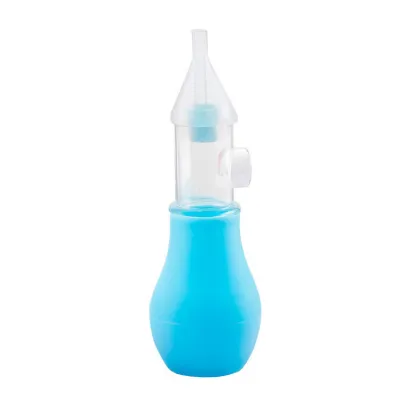
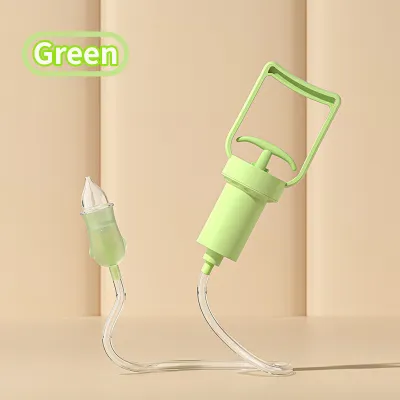
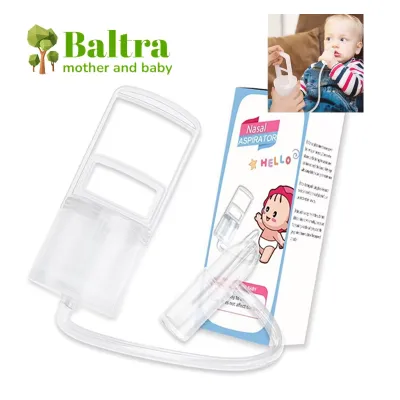
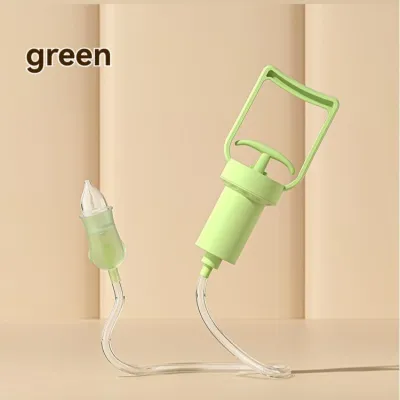
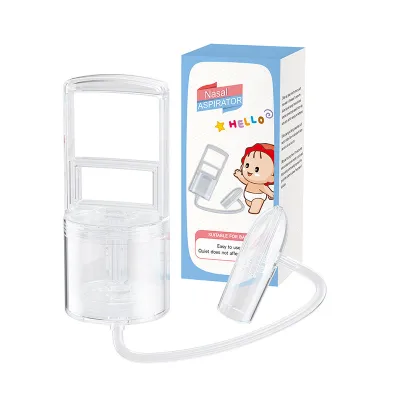
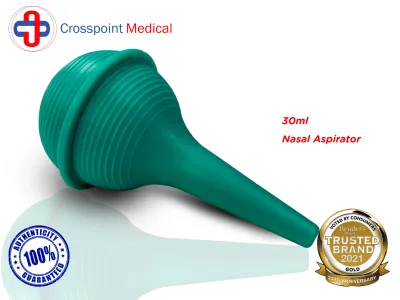
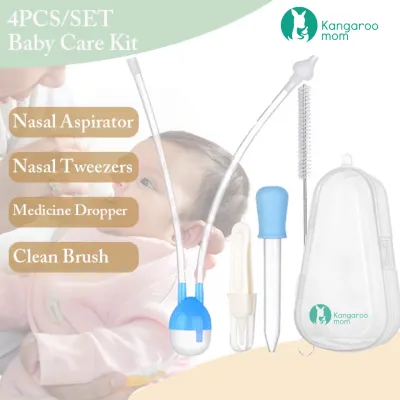
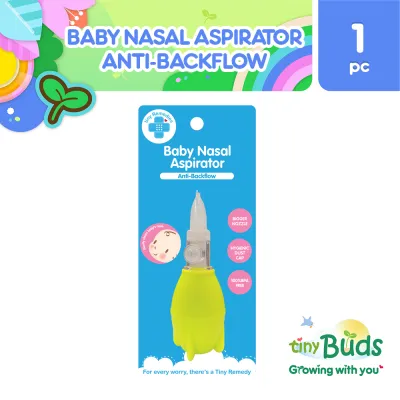
Prices are valid at publication and may change. Please refer to the product page for the latest price.
- Newborns (0 to 3 Months): This stage requires the gentlest possible touch. Traditional bulb syringes or manual tube aspirators equipped with specialized, ultra-soft newborn tips are highly recommended. The priority is protecting fragile nasal tissues from excessive suction force.
- Infants (3 to 12 Months): As babies grow more active and produce thicker mucus, manual tube aspirators become highly effective. They allow you to adjust the suction strength instantly using your own breath, making it easier to manage a wiggling baby.
- Toddlers (12 Months and Older): Active toddlers often resist nasal clearing. Electric nasal aspirators are excellent for this age group because they deliver quick, consistent, and automated suction, allowing you to complete the process before your toddler becomes too restless.
When choosing a device, the primary deciding factors should always be your baby’s ability to tolerate the tip, the thickness of the mucus you need to clear, and your own comfort level with the suction mechanism. Thicker mucus often requires a pre-treatment of saline drops followed by the controlled pull of a manual tube or the steady power of an electric device.
Before purchasing or using any nasal suction device, you must always verify the specific manufacturer’s age and weight recommendations printed on the product packaging. Some devices are specifically calibrated for older infants, while others include specialized safety guards designed exclusively for newborns.
Comparing the 3 Main Types of Nasal Aspirators
Selecting the right nasal suction for baby care requires a clear understanding of how each device operates. Each of the three main categories has distinct mechanical features, advantages, and limitations that affect daily usability, especially when managing frequent congestion.

Bulb Syringes
Bulb syringes are the traditional, classic tools often sent home with parents from the hospital. They feature a simple, one-piece rubber or silicone bulb attached to a tapered nozzle.
- How It Works: You compress the bulb with your thumb to expel the air, gently insert the tapered tip into the entry of the baby's nostril, and slowly release your grip. This release creates a basic vacuum that draws loose mucus into the bulb.
- Pros: The design is incredibly straightforward, requires no batteries or external power, and operates completely silently. They are highly portable and generally represent the most budget-friendly option available in local pharmacies.
- Cons: Traditional one-piece bulb syringes are notoriously difficult to clean and dry thoroughly inside, creating a high risk for mold and bacterial growth. Additionally, they offer limited suction control, and the rigid tips can sometimes be too large or uncomfortable for very small, delicate nostrils.
Manual Tube Aspirators
Manual tube aspirators, often referred to as parent-powered suction devices, consist of a soft nose tip, a collection chamber, a flexible silicone tube, and a mouthpiece.
- How It Works: You place the soft tip at the opening of your baby's nostril, place the mouthpiece in your own mouth, and inhale. Your breath creates a controlled vacuum that pulls the mucus directly into the collection chamber.
- Pros: This design gives you complete, instantaneous control over the suction strength, allowing you to pull gently for light wetness or apply a stronger, steady draw for stubborn, thick mucus. They are typically easy to disassemble, wash, and sterilize, making them highly hygienic.
- Cons: Operating a manual tube aspirator requires physical effort and coordination, which can be challenging if your baby is wiggling. It also requires the consistent use of disposable hygiene filters to prevent any mucus or bacteria from traveling up the tube toward your mouth.
Electric Nasal Aspirators
Electric nasal aspirators are modern, motorized devices powered by replaceable batteries or built-in rechargeable cells.
- How It Works: A small, internal motor generates continuous, automated suction at the push of a button. Most models offer multiple power levels to handle different types of congestion.
- Pros: These devices offer convenient, hands-free suction control, allowing you to use one hand to stabilize your baby's head while the other guides the device. Many models feature built-in distractions, such as soft lights or playful music, to keep your baby calm during use.
- Cons: Electric models carry a higher initial cost compared to manual options. They require regular battery replacements or charging, and the low humming noise of the motor can sometimes startle sensitive or easily frightened babies. They are also heavier and bulkier, making them less convenient for quick travel.
Which Aspirator to Choose Based on Age and Congestion
As your baby grows, their nasal anatomy, mucus consistency, and level of physical cooperation will change. Adjusting your approach and choosing the right nasal suction for baby development ensures safe and effective congestion relief.
Newborns (0-3 Months)
Newborns have incredibly narrow nasal passages and highly sensitive mucosal linings that can easily swell if irritated. At this tender stage, any suctioning must be exceptionally gentle to prevent minor tissue damage or bruising.
For these very young infants, it is best to start with a classic bulb syringe or a manual tube aspirator equipped with a specialized, ultra-soft newborn tip. Silicone tips with safety borders are ideal because they prevent you from inserting the device too deeply into the nasal cavity.
Always check the product label for an explicit “newborn safe” or “0+ months” indication before use. If your newborn’s congestion is severe enough to interfere with their ability to nurse, take a bottle, or breathe comfortably, do not rely solely on home suctioning; consult your pediatrician immediately for professional guidance.
Infants (3-12 Months)
During the middle of their first year, infants become much more physically active. They also begin teething and experiencing their first common colds, which often results in thicker, more stubborn mucus.
Manual tube aspirators are frequently the preferred choice for this age group. Because infants at this stage will actively wiggle, turn their heads, or try to push your hands away, the ability to adjust your suction strength instantly with your breath is invaluable. You can apply a quick, firm draw the moment your baby pauses, clearing the airway efficiently.
If you find the manual breath-powered method uncomfortable or tiring, an electric nasal aspirator serves as an excellent alternative. However, you should introduce the motorized device slowly to ensure the humming sound does not cause your infant distress. Regardless of the device you choose, always apply a drop of sterile saline solution to each nostril a few minutes before suctioning to loosen and liquefy dry or thick mucus.
Toddlers (12 Months and Older)
Toddlers possess significantly more physical strength and a strong desire for independence, meaning they will often vigorously resist any attempts to clear their nose.
Electric nasal aspirators are highly effective for toddlers. The consistent, automated suction allows you to complete the process very quickly, which is essential when dealing with a struggling toddler. The steady power ensures that you can clear stubborn, deep-seated congestion in a single, swift pass before your child can pull away.
Manual tubes remain a highly reliable backup if your toddler tolerates them, but you must prioritize the durability of the tubing and the silicone tip to ensure they can withstand regular use. Always check the manufacturer’s maximum age or weight limits on your device, as some models designed strictly for infants may lack the suction capacity required to clear a toddler’s larger nasal passages.
Essential Features to Check on Product Labels
When shopping for a nasal suction device in local stores or online marketplaces, reading the product packaging carefully is essential. To ensure you purchase a safe and effective tool, verify these key specifications on the label:
- Tip Material and Size: Ensure the tips are made of medical-grade, BPA-free silicone. The package should clearly state if it includes multiple tip sizes, such as a narrow, tapered tip for newborns and a wider, shallower tip for older babies.
- Suction Adjustability: For electric models, look for labels indicating adjustable suction levels (such as low, medium, and high settings). For manual models, ensure the tubing is described as highly flexible to allow for smooth, unrestricted breath control.
- Filter Mechanisms: If you are purchasing a manual tube aspirator, confirm that the starter kit includes disposable, built-in hygiene filters. Check that replacement filters are readily available for purchase separately so you do not run out during a cold season.
- Disassembly and Cleaning: Look for terms like "dishwasher safe," "boil-safe," or "fully detachable chamber." Avoid any designs that feature sealed, non-opening cavities where moisture and mucus can become permanently trapped.
- Age and Weight Specifications: Never rely on general assumptions. Read the manufacturer's guidelines on the box to confirm the device is safety-tested and approved for your baby's specific age bracket.
Safe Usage Limits and Cleaning to Prevent Mold
Using a nasal aspirator correctly is just as important as choosing the right model. Proper usage techniques protect your baby’s nasal tissue, while strict cleaning habits prevent the growth of harmful pathogens.
Usage Limits
It is vital to remember that more suction is not always better. Over-suctioning or using an aspirator too frequently can irritate, dry out, or cause swelling in the delicate nasal membranes, which actually worsens your baby’s congestion.
Limit nasal suctioning to essential times of the day, such as right before a feeding or immediately before putting your baby down to sleep. Generally, suctioning should not be performed more than three to four times a day unless specifically advised by your pediatrician.
When to Stop
Stop suctioning immediately if you observe any of the following signs:
- Any trace of pinkish mucus or active nasal bleeding.
- Extreme, inconsolable distress or physical panic from your baby.
- Signs of a high fever, rapid or labored breathing, or chest retractions (where the skin sucks in around the ribs), which require immediate medical evaluation rather than home suctioning.
Cleaning Routine
To maintain hygiene, you must clean the aspirator immediately after every single use to prevent mucus from drying and hardening inside the components.
- Disassemble: Carefully take apart all removable pieces, including the silicone tip, collection cup, and any connecting joints.
- Wash: Wash all non-electrical, removable parts thoroughly in warm, soapy water. Use a small cleaning brush to reach inside narrow tips and tubes.
- Rinse: Rinse every component completely under clean, running water to remove all soap residue.
Drying and Storage
In warm, tropical, and highly humid climates, preventing mold growth requires extra vigilance. After washing, lay all disassembled parts out on a clean, dry towel in a well-ventilated area.
Allow every component to air-dry completely before reassembling or placing them in a storage case. Never store a damp aspirator in a closed drawer or plastic container, as trapped moisture quickly encourages the growth of black mold. Always check your specific product manual to verify if the components can be safely placed in a steam sterilizer or boiled for deep disinfection.
Frequently Asked Questions (FAQ)
Can I use a nasal aspirator every day?
Yes, you can use a nasal aspirator daily during periods of active illness or congestion, but you must limit the frequency. To prevent irritating or swelling your baby’s delicate nasal tissues, restrict suctioning to three or four times a day, focusing primarily on key moments such as before feedings and bedtime. If your baby does not have active congestion, there is no need to use the device.
What should I do if my baby's nose bleeds after suctioning?
If you notice any blood or pink-tinted mucus, stop suctioning immediately. Keep your baby upright and calm to help reduce nasal blood pressure, and gently wipe away any external fluid. Nasal bleeding usually occurs because the delicate blood vessels inside the nostril have become dry or irritated. If the bleeding does not stop quickly, or if it occurs frequently during routine suctioning, consult your pediatrician.
Are electric nasal aspirators safe for newborns?
Electric nasal aspirators can be safe for newborns only if the manufacturer’s packaging explicitly states that the device is approved for use from birth (0+ months). You must always use the lowest suction setting and equip the device with a specialized, soft silicone newborn tip. Because a newborn’s nasal passages are incredibly fragile, many pediatricians recommend starting with a manual tube aspirator for more precise, gentle suction control.

Community discussion
Share your experience or ask a question. Comments are reviewed before publication.