
Choosing the right nasal suction for a toddler depends on your child’s age, their level of cooperation, and how severe their congestion is. When a toddler is congested, it can disrupt their sleep, feeding, and daily play, leaving parents searching for the quickest and most comfortable way to clear their airways. In tropical climates where high humidity, dust, and air conditioning can trigger frequent nasal congestion, having a reliable tool on hand is essential.
To find the best fit for your household, it helps to compare the three primary options available: manual bulb syringes, mouth-suction aspirators, and electric or battery-operated devices. Each type offers distinct advantages and trade-offs when evaluated across key criteria like suction control, hygiene, ease of use, and toddler comfort. By understanding how these devices perform in real-world scenarios, you can make an informed decision that keeps your little one breathing easily.
Understanding the Three Main Types of Nasal Aspirators
Manual bulb syringes are the classic, teardrop-shaped rubber bulbs that have been a staple in baby care kits for generations. They operate on a simple squeeze-and-release mechanism: you compress the bulb to expel the air, gently insert the tip into the toddler’s nostril, and release the pressure to draw out the mucus. These devices are widely available in local pharmacies and are highly valued for their simplicity, requiring no batteries, tubes, or external power sources.
Products mentioned in this guide
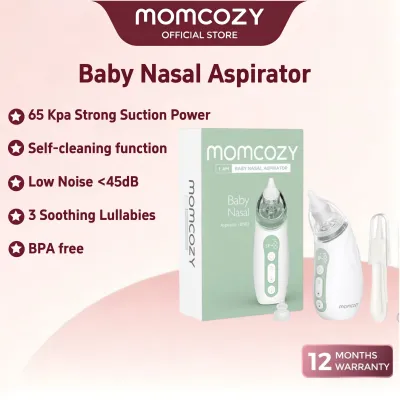
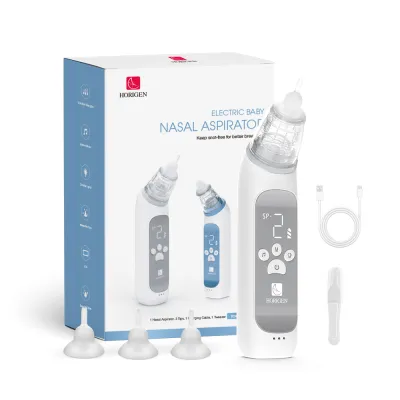
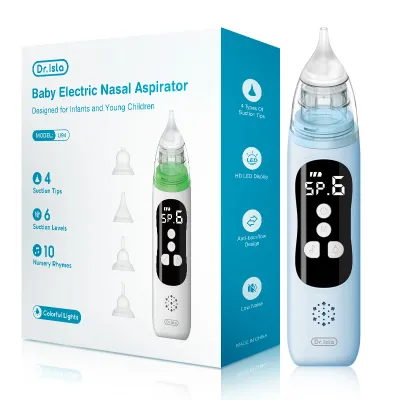
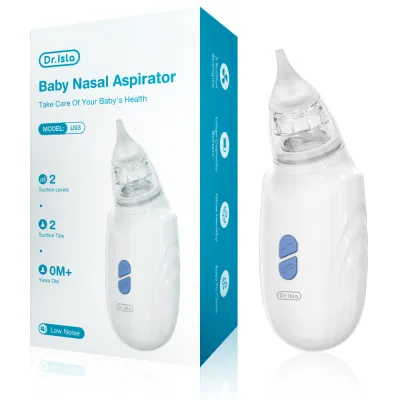
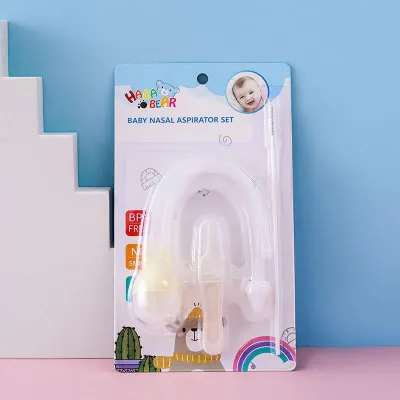
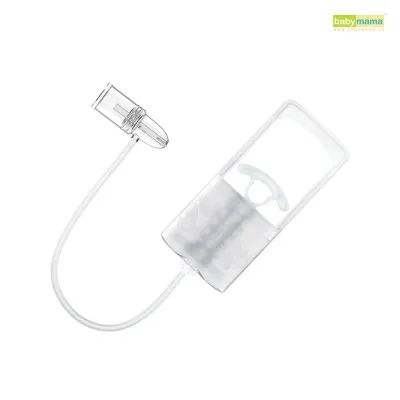
Prices are valid at publication and may change. Please refer to the product page for the latest price.
Mouth-suction aspirators, often referred to as tube or snot-sucker aspirators, utilize the caregiver’s own breath to create suction. This design consists of a soft silicone tip placed at the entrance of the toddler’s nostril, connected by a flexible tube to a mouthpiece that the caregiver sucks on. A built-in chamber containing a protective, disposable filter sits between the two ends to ensure that no mucus or bacteria can travel up the tube and reach the caregiver’s mouth.
Electric or battery-operated aspirators represent the modern, motorized approach to clearing nasal passages. These handheld devices use a small motor to generate continuous, steady suction at the press of a button, eliminating the need for manual squeezing or oral suction. Many electric models come equipped with multiple suction levels, interchangeable silicone tips of varying sizes, and child-friendly features like soft lights or built-in melodies designed to distract and soothe a restless toddler.
Key Comparison Factors for Toddler Use
Suction effectiveness and control vary significantly among the three types, directly impacting how well they handle different types of congestion. Manual bulb syringes provide a quick, single burst of suction, which is often sufficient for thin, watery mucus but struggles with thick, stubborn blockages. Mouth-suction aspirators offer the highest level of control, allowing the caregiver to adjust the suction force instantly by inhaling harder or softer, making them highly effective for deep-seated congestion. Electric aspirators provide consistent, continuous suction that can clear passages steadily, though their maximum power is intentionally capped by manufacturers to protect delicate nasal tissues.

Ease of cleaning and hygiene is a critical consideration, especially in warm, humid environments where mold and bacteria can multiply rapidly. Manual bulb syringes are notoriously difficult to clean and dry internally because their opaque, one-piece design prevents you from seeing inside, raising concerns about hidden mold buildup over time. Mouth-suction aspirators generally disassemble completely into separate plastic and silicone parts, making them easy to wash thoroughly with warm, soapy water and air-dry. Electric models also require careful disassembly of the collection cup and nozzle, and caregivers must ensure that no liquid enters the motorized base during cleaning.
Toddler comfort and cooperation can make or break the suctioning process, as toddlers are often highly resistant to having anything placed near their noses. The manual bulb is silent and quick, but the sudden sensation of suction can startle a sensitive child. Mouth-suction devices require the caregiver to be very close to the child’s face, which can either be comforting or trigger a struggle if the toddler dislikes being held still. Electric aspirators produce a low humming sound from the motor; while some toddlers are fascinated by the noise and accompanying lights, others may find the sound intimidating, requiring extra patience and distraction.
Portability and convenience determine how easily you can manage congestion on the go, whether you are traveling, visiting relatives, or running errands. Manual bulbs and mouth-suction aspirators are incredibly lightweight, compact, and require no power source, making them perfect for tossing into a diaper bag without a second thought. Electric aspirators are bulkier and require a reliable power source, whether that means keeping spare AA batteries on hand or ensuring the device is charged via a USB cable before you leave the house.
Decision Framework: Which Type Fits Your Toddler?
Choose a manual bulb if you are looking for a highly portable, budget-friendly backup device to handle mild, occasional congestion. It is an excellent option to keep in your travel kit, diaper bag, or at a grandparent’s house for quick, low-stress use when your toddler has a simple runny nose. Because they are inexpensive, ranging from a few hundred ₱, they serve as a practical secondary tool rather than a primary solution for severe congestion.
Choose a mouth-suction aspirator if you want maximum control over the suction power and need to clear thick, stubborn mucus regularly. This type is ideal for caregivers who prioritize hygiene, as the fully sterilizable parts and replaceable filters ensure a clean process every time. It is highly recommended for parents who do not mind using their own breath and want a reliable, middle-of-the-road option that balances high effectiveness with excellent portability.
Choose an electric aspirator if your toddler is highly resistant to manual suctioning and you need a fast, consistent, one-handed operation. The continuous suction allows you to clear nasal passages quickly while using your free hand to gently steady your child’s head. It is also a great choice for caregivers who prefer not to use mouth-suction devices and appreciate the added value of built-in lights and music to help keep their toddler calm and distracted.
Verify first before making your final purchase by carefully reviewing the manufacturer’s product documentation. Always check for specific age, weight, or developmental guidelines, as some tips may be too large for younger toddlers, while others may not provide a proper seal. Additionally, verify any safety certifications, recall histories, and specific cleaning instructions outlined by the brand to ensure the device meets your household’s safety standards.
Safe Usage and Maintenance Guidelines
To protect your toddler’s delicate nasal passages, it is crucial to establish strict frequency limits when using any suction device. Over-suctioning can easily irritate the sensitive nasal lining, leading to swelling, inflammation, increased mucus production, or even minor bleeding. Limit suctioning sessions to no more than three to four times a day, ideally before naptime, bedtime, or feeding sessions when clear breathing is most critical for your child’s comfort.
Proper cleaning protocols are essential to prevent secondary infections and maintain the longevity of your device, particularly in humid tropical climates where moisture lingers. Immediately after each use, disassemble all washable components and rinse them thoroughly under warm running water to remove all traces of mucus. Wash the parts with mild baby-safe soap, rinse completely, and lay them out on a clean towel to air-dry in a well-ventilated area. Regularly inspect flexible tubes, silicone tips, and filters for any signs of mold, discoloration, or wear, and replace them immediately if you detect any degradation.
Knowing when to stop suctioning and consult a pediatrician is vital for your toddler’s health and safety. If you observe any blood in the mucus, experience strong resistance from your child that could lead to accidental injury, or notice that the congestion is not improving after several days, pause use immediately. Seek professional medical advice if your toddler exhibits signs of respiratory distress—such as rapid breathing, flaring nostrils, or chest retractions—or if the congestion is accompanied by a persistent high fever, lethargy, or difficulty feeding.
Frequently Asked Questions (FAQ)
Can I use a nasal aspirator on a sleeping toddler?
It is generally not recommended to use a nasal aspirator while your toddler is asleep. The physical sensation of the tip entering the nostril, combined with the sudden pull of suction or the motor noise of an electric device, is highly likely to startle your child awake. A startled toddler may move abruptly, increasing the risk of the tip scraping or injuring the delicate nasal lining. For safety, always perform nasal suctioning while your child is awake, upright, or semi-reclined, and fully supported in a controlled manner.
How often should I replace the filters in a mouth-suction aspirator?
You should always consult the manufacturer’s specific instructions regarding filter replacement, as guidelines vary by brand. Generally, disposable foam filters are designed for single-use hygiene and should be replaced after every suctioning session to prevent the growth of bacteria and mold. If your device uses a reusable or washable filter, inspect it closely before and after each use for any signs of moisture retention, discoloration, or physical wear. Replace the filter immediately if it appears damp, clogged, or degraded to maintain proper airflow and hygiene.
Are electric nasal aspirators safe for daily use?
Electric nasal aspirators are safe for daily use, provided you strictly follow the manufacturer’s guidelines and safety warnings. Always select the correct silicone tip size that matches your toddler’s nostril opening, ensuring it sits gently at the entrance without being pushed deep into the nasal cavity. Monitor your child’s nasal passages regularly for any signs of dryness, redness, or irritation. To minimize the suction force required and make the process gentler, you can apply a few drops of saline solution to loosen dry or thick mucus before turning on the device.

Community discussion
Share your experience or ask a question. Comments are reviewed before publication.