
Choosing the right Momcozy nasal aspirator for your baby requires balancing their developmental stage with the type of congestion they are experiencing. In tropical climates like the Philippines, sudden weather changes from dry heat to heavy monsoon rains can trigger nasal congestion in infants. Additionally, continuous exposure to air conditioning can dry out delicate nasal passages, leading to stubborn mucus buildup. To select the most suitable model, you must evaluate your baby’s age, the thickness of their nasal secretions, and your family’s daily lifestyle needs.
Assessing Your Baby's Age and Congestion Level
Infant nasal anatomy is incredibly delicate, and understanding its unique characteristics is the first step in choosing an appropriate clearance device. Newborns are obligatory nose breathers, meaning they primarily breathe through their noses for the first few months of life. Their nasal passages are extremely narrow and easily obstructed by even tiny amounts of mucus or dry crust. Because their nasal tissues are so fragile, any suction device used must be exceptionally gentle to avoid causing swelling, bruising, or mucosal irritation.
As babies grow into older infants and toddlers, their nasal passages widen slightly, allowing them to tolerate slightly higher suction levels. However, safety and comfort remain paramount regardless of age. Older babies are also more active, which means they may resist nasal suctioning more vigorously, requiring a device that can perform quickly and efficiently before they become too distressed.
Products mentioned in this guide
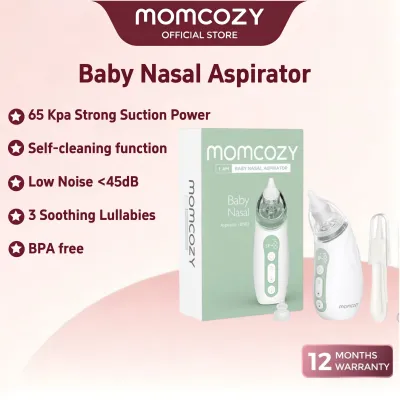
Prices are valid at publication and may change. Please refer to the product page for the latest price.
Congestion is not uniform; it varies significantly in consistency and cause. Mild congestion often presents as thin, clear fluid or minor crusting, frequently caused by environmental dust, pollen, or dry indoor air from air conditioners. This type of congestion requires minimal, gentle suction to clear. Conversely, thick, stubborn, or sticky mucus typically arises during seasonal colds, viral infections, or sudden weather transitions. This heavier congestion requires a more robust approach, often involving saline drops to loosen the secretions before attempting suction.
Your daily routine and living environment also dictate your choice of device. If you travel frequently, visit relatives in different provinces, or need a device that can easily slip into a diaper bag for outings, portability and battery life become your primary concerns. On the other hand, if the device is intended solely for home use, especially during nighttime wake-ups in a quiet nursery, you may prioritize a model with an ultra-quiet motor and a stable base that can be operated easily with one hand while comforting a sleeping baby.
Key Specifications to Compare Across Momcozy Models
When browsing different Momcozy nasal aspirator models on official online stores or authorized retail platforms, the first specification to examine is the suction power adjustability. Look for models that offer multiple suction tiers rather than a single, fixed speed. This adjustability allows you to customize the pressure based on your baby’s immediate comfort level and the thickness of the mucus. Always verify the manufacturer’s listed suction range, typically measured in kilopascals, and ensure the lowest setting is specifically designated as safe for newborns.

The design and variety of the included silicone tips are equally critical for safety and effectiveness. A proper seal is necessary to create the vacuum required to draw out mucus, but the tip must never be inserted deeply into the nostril. Check the product description to see if the package includes multiple tip shapes. Gourd-shaped tips are generally designed for newborns because their wider base prevents over-insertion into tiny nostrils. Funnel-shaped or cylindrical tips are better suited for older infants with deeper congestion, as they allow for a more direct suction path. Ensure all tips are made from soft, food-grade, BPA-free silicone to protect sensitive nasal membranes.
Motor noise is a frequently overlooked factor that can make or break your congestion-clearing routine. High-pitched or loud motor sounds can easily startle a newborn or distress an already fussy, sick baby. When comparing models, check the manufacturer’s decibel ratings. A quiet motor, ideally operating below a comfortable sound threshold, allows you to clear your baby’s nose while they are asleep or relaxed, minimizing resistance and tears.
Finally, evaluate the power source, battery capacity, and cleaning specifications. For maximum convenience, look for USB-rechargeable models that can be powered using standard mobile chargers or power banks—a highly practical feature during local power outages or long road trips. Additionally, check the waterproof rating of the device components. While the motor unit itself is rarely fully submersible, the collection cup and suction head should be easily detachable and rated for thorough washing and sterilization to maintain strict hygiene standards.
Matching Device Capabilities to Your Baby's Profile
To make an informed purchase, you must align your baby’s specific profile with the capabilities of the available Momcozy models. For newborns and infants under six months experiencing mild, daily congestion, your priority should be maximum gentleness. Look for models that emphasize a dedicated soft or low suction mode and include small, gourd-shaped silicone tips. At this stage, high suction power is unnecessary and potentially harmful; a gentle, steady draw is all that is required to clear minor blockages and restore comfortable breathing.
For older infants and toddlers who frequently suffer from thick, sticky mucus due to seasonal colds, you will need a device with more versatile capabilities. Seek out models that offer higher suction tiers to handle denser secretions effectively. It is also crucial to verify that the model features an advanced anti-backflow design. This mechanism prevents extracted mucus from bypassing the collection chamber and entering the motor assembly, which not only protects the device from damage but also prevents cross-contamination and mold growth inside the unit.
If your family is highly mobile, focus your comparison on compact, lightweight, and highly portable units. Some models feature travel locks to prevent the device from turning on accidentally inside a packed diaper bag. A long-lasting rechargeable battery is essential for these situations, ensuring the device is ready for use even when you are away from a power outlet.
Because product availability, bundled accessories, and pricing can fluctuate, we advise readers to create a personal comparison matrix. Visit official brand stores or authorized online marketplaces to check current listings. Compare the exact price in ₱, verify which silicone tips and replacement filters are included in the box, and read recent customer reviews to see how other parents evaluate the device’s real-world performance and battery longevity.
Safety, Cleaning, and Maintenance Checklist
Before using any nasal aspirator for the first time, carefully read the product packaging and the enclosed user manual. Verify the manufacturer’s specified age, weight, and health limits to ensure the device is appropriate for your baby’s current developmental stage. Never assume a device is suitable for a newborn unless the documentation explicitly states it is safe for that age group.
Maintaining strict hygiene is vital to prevent introducing new bacteria or viruses into your baby’s nasal passages. After every single use, disassemble the suction tip, collection cup, and anti-backflow valve. Wash these parts thoroughly in warm, soapy water. Depending on the manufacturer’s instructions, sterilize the silicone parts by boiling them in water for a specified duration or using a steam sterilizer. Never submerge the motor unit in water; instead, wipe it down with a damp cloth and disinfect the exterior according to the manual’s guidelines. Allow all parts to air dry completely in a clean, well-ventilated area to prevent mold growth, which is especially common in humid tropical climates.
Always monitor your baby closely during and after use for any signs of discomfort or adverse reactions. Stop using the device immediately if you notice nasal irritation, swelling, bleeding, or if your baby exhibits signs of worsening respiratory distress, such as rapid breathing, flaring nostrils, or grunting. In such cases, discontinue use and consult a qualified pediatrician or healthcare professional immediately.
To keep the device operating at peak efficiency, establish a regular maintenance routine. Check the internal filters periodically and replace them according to the manufacturer’s recommended schedule, as clogged filters will drastically reduce suction power. Store the completely dry device in a clean, dust-free container or travel pouch away from direct sunlight and high humidity to protect the electronic components and extend the lifespan of the battery.
Frequently Asked Questions (FAQ)
Can I use a nasal aspirator on a newborn every day?
While it is tempting to clear your newborn’s nose at the slightest sound of congestion, daily or frequent suctioning is generally not recommended unless specifically advised by your pediatrician. Overusing a nasal aspirator can irritate the delicate mucosal lining of the nasal passages, leading to swelling, increased mucus production, or minor bleeding. For routine daily care, minor dry crusts can often be softened with a drop of sterile saline, allowing the baby to sneeze them out naturally. Always consult your healthcare provider to establish a safe daily routine for your newborn.
How do I know if the suction is too strong for my baby?
You can identify if the suction setting is too high by observing your baby’s physical reactions and the condition of their nasal tissues. Cues such as excessive crying, intense physical resistance, pulling away, or redness and swelling around the nostrils during or after use indicate that the setting is too strong. If you observe any of these signs, or if you notice tiny specks of blood in the extracted mucus, stop the procedure immediately. Always start at the lowest suction setting and only increase it gradually if necessary and tolerated by your baby.
What should I do if the device suddenly loses suction power?
If your nasal aspirator experiences a sudden drop in suction, begin by performing a few basic troubleshooting steps. First, check if the silicone tip, collection cup, and anti-backflow valve are assembled correctly and sealed tightly, as any air leak will compromise the vacuum. Next, inspect the collection chamber and internal filters for clogs or accumulated mucus, and clean or replace them if necessary. Finally, ensure the battery is fully charged, as low power can significantly degrade motor performance. If these steps do not resolve the issue, consult the troubleshooting section of your user manual.

Community discussion
Share your experience or ask a question. Comments are reviewed before publication.