
Caring for your baby’s first teeth—often called milky teeth—requires a gentle touch and the right oral care products. Choosing a baby toothpaste in the Philippines involves balancing effective cavity protection with safety, especially since infants and toddlers have not yet mastered the ability to spit. To find the best option, parents must look beyond attractive packaging and focus on age-appropriate fluoride levels, safe ingredient profiles, and mild flavors that encourage positive brushing habits.
Milky teeth are highly susceptible to decay because their outer enamel layer is much thinner and softer than that of permanent teeth. Early childhood caries can develop quickly, affecting your child’s ability to chew comfortably and speak clearly. By selecting a toothpaste specifically formulated for developing teeth, you can protect this delicate enamel while establishing a healthy oral hygiene routine that lasts a lifetime.
Key Criteria for Choosing Baby Toothpaste
Evaluating toothpaste labels is the most reliable way to ensure you are purchasing a safe and effective product for your baby’s milky teeth. Marketing terms on the front of the tube can sometimes be confusing, so turning the packaging over to read the active ingredients and specifications is essential.
Products mentioned in this guide
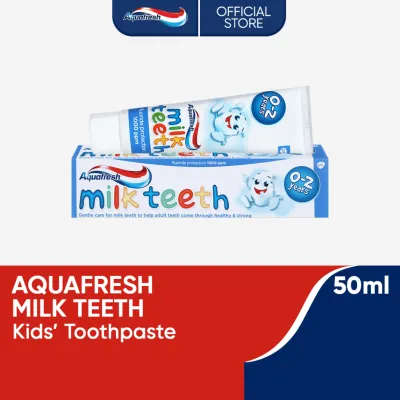
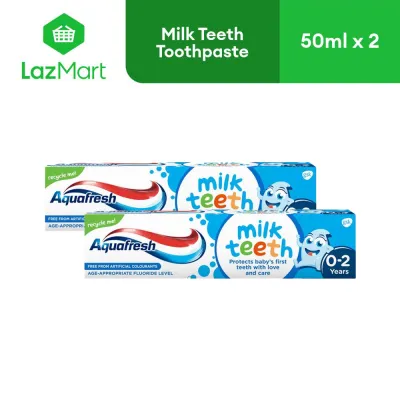
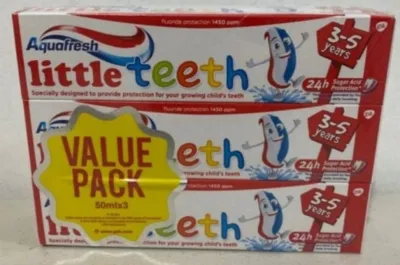
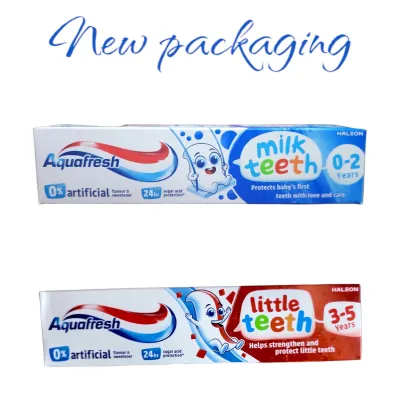
![[BUY 3 GET 1] Buy Aquafresh Little Teeth Toothpaste 50ml x3 (3-5 Years Old) get FREE Aquafresh Little Teeth 50ml](https://img.lazcdn.com/g/p/bf9b43fb2ee02e376db219b0ba6e8557.jpg_400x400q80.jpg_.webp)
Prices are valid at publication and may change. Please refer to the product page for the latest price.
Fluoride Content and Pediatric Guidelines
Fluoride is a mineral that strengthens tooth enamel and helps prevent cavities, but its use in baby toothpaste must be carefully managed. Pediatric dental guidelines generally recommend using a fluoride toothpaste as soon as the first tooth erupts, provided the amount used is strictly controlled. However, the appropriate concentration of fluoride depends on your child’s age and their risk of developing cavities.
When checking manufacturer labels, look for the fluoride concentration, which is typically measured in parts per million (ppm). For infants and toddlers, a low-fluoride toothpaste containing around 1000 ppm fluoride is often recommended by dental professionals. If you live in an area with naturally fluoridated drinking water, or if your baby is prone to swallowing toothpaste, a pediatric dentist may advise starting with a fluoride-free formula before transitioning to a fluoridated one. Always verify the age recommendations on the packaging to ensure the formulation aligns with your child’s developmental stage.
Ingredient Safety and Gentle Formulations
The oral mucosa of a baby is highly sensitive and absorbs substances easily. Therefore, it is crucial to avoid harsh chemicals and synthetic additives that are commonly found in adult toothpastes. When reviewing the ingredient list, look for gentle, food-grade formulations that are safe if small amounts are accidentally swallowed.
Avoid toothpastes containing sodium lauryl sulfate (SLS), a foaming agent that can cause mouth ulcers, dryness, or irritation in sensitive young mouths. You should also steer clear of harsh abrasives, such as high concentrations of hydrated silica, which can wear down the thin enamel of milky teeth. Artificial sweeteners, synthetic dyes, and parabens should also be avoided. Instead, look for formulations that use natural sweeteners like xylitol, which has been shown to inhibit the growth of cavity-causing bacteria without promoting tooth decay.
Flavor and Texture Preferences
The sensory experience of brushing can make or break a baby’s oral care routine. Strong, spicy mint flavors that adults prefer can cause a burning sensation or sensory aversion in young children, leading to a refusal to brush. Choosing a toothpaste with a mild, baby-friendly flavor can make the experience enjoyable and cooperative.
Mild fruit flavors, such as strawberry, banana, apple, or bubblegum, are excellent choices for encouraging toddlers to brush. Additionally, the texture of the toothpaste plays a role in acceptance. Gel formulations are often smoother, less abrasive, and easier to spread across a baby’s small teeth than thick, chalky pastes. A pleasant texture and taste help prevent the swallowing reflex from being triggered unnecessarily, allowing for a more controlled brushing session.
Age-Based Guidelines for Baby Oral Care
As your baby grows, their oral care needs and their ability to cooperate during brushing will change. Implementing age-specific routines ensures that milky teeth are cleaned effectively while minimizing the risk of excessive fluoride ingestion.

Infants and Toddlers (0 to 2 Years)
Oral care should begin even before the first tooth erupts. After feedings, gently wipe your baby’s gums with a clean, damp cloth or a soft silicone finger brush to remove milk residue and bacteria. This practice not only keeps the mouth clean but also acclimates your baby to the sensation of oral cleaning.
Once the first milky tooth appears, transition to a soft-bristled baby toothbrush designed for infants. At this stage, use a tiny, smear-sized amount of toothpaste—no larger than a single grain of rice. This minimal amount is highly effective at cleaning the tooth surface while remaining safe if the baby swallows it. Brush gently twice a day, focusing on the front and back of each erupted tooth.
Preschoolers (2 to 4 Years)
By the age of two, most toddlers have several erupted milky teeth, and their diet becomes more varied. At this stage, you can increase the amount of toothpaste to a pea-sized portion. This provides sufficient active ingredients to protect the expanding surface area of their teeth.
This is also the critical window for teaching your child how to spit out excess toothpaste. Since toddlers still have a strong urge to swallow, make spitting a fun, interactive game. Model the behavior by spitting into the sink yourself, and encourage them to copy you. Do not rinse their mouth with water immediately after brushing, as leaving a thin layer of fluoride on the teeth helps maximize its protective benefits.
Supervision and Caregiver Oversight
Active caregiver supervision is mandatory for all children under the age of eight. Young children do not possess the manual dexterity required to clean their teeth thoroughly, nor do they understand the importance of not swallowing toothpaste.
Always keep toothpaste tubes out of your child’s reach to prevent them from eating it as a treat. Caregivers should perform the actual brushing for infants and toddlers, and closely supervise and assist preschoolers as they practice brushing on their own. Ensure they brush for a full two minutes, covering all tooth surfaces, and verify that they spit out the excess paste when finished.
Building a Safe Shortlist of Toothpaste Options
Finding reliable baby toothpaste in the Philippines requires careful sourcing and verification. With many imported and local brands available, parents must know how to distinguish genuine, safe products from unverified or counterfeit alternatives.
Label Verification and Regulatory Approvals
Before purchasing any baby toothpaste, verify that the product has been approved by relevant health authorities. In the Philippines, look for registration with the Food and Drug Administration (FDA) to ensure the product meets national safety and quality standards.
Additionally, look for seals of approval from recognized dental organizations, such as the Philippine Pediatric Dental Society, the American Dental Association (ADA), or other international pediatric dental associations. These seals indicate that the product’s safety and efficacy claims have been independently reviewed and verified. Avoid products with labels that lack clear ingredient lists, manufacturer details, or expiration dates.
Secure Purchasing Channels
The rise of online shopping has made it easier to access a wide variety of baby care products, but it has also increased the risk of counterfeit goods. Counterfeit toothpastes may contain harmful contaminants, incorrect fluoride levels, or banned ingredients that pose a serious health risk to your baby.
To ensure authenticity, purchase baby toothpaste from established physical pharmacies, major supermarkets, or official brand stores. If shopping on online marketplaces, only buy from verified flagship stores or authorized distributors. Avoid purchasing from third-party sellers offering unusually low prices, as this can be a warning sign of counterfeit or expired stock.
Consulting Dental Professionals
Every child’s oral health profile is unique. Factors such as dietary habits, genetics, and the natural fluoride levels in your local water supply can significantly influence your baby’s risk of developing cavities.
If you are unsure whether to choose a fluoride or fluoride-free toothpaste, or if your child has specific oral sensitivities, schedule a consultation with a pediatric dentist. A pediatric dentist can assess your baby’s milky teeth, determine their cavity risk level, and provide a personalized recommendation for the most suitable toothpaste formulation and brushing routine.
Common Brushing Mistakes to Avoid
Even with the right toothpaste, certain common habits can compromise your baby’s oral health or expose them to unnecessary risks. Recognizing and correcting these mistakes early on will ensure a safer and more effective routine.
Over-Dispensing Toothpaste
One of the most common mistakes parents make is applying too much toothpaste to the brush, often matching the generous portions shown in commercial advertisements. Using more than the recommended smear for under-twos or a pea-sized amount for older toddlers increases the risk of dental fluorosis.
Dental fluorosis is a cosmetic condition that causes faint white lines or streaks on the permanent teeth developing beneath the gums, resulting from chronic ingestion of excess fluoride during early childhood. By strictly measuring the toothpaste portion, you protect your child’s developing permanent teeth while still ensuring effective cleaning.
Using Adult or Family Toothpaste
It can be tempting to use a single tube of toothpaste for the entire household, but adult formulations are entirely unsuitable for babies. Adult toothpastes often contain high levels of abrasives designed to remove stubborn stains, which can easily scratch and wear down thin baby enamel.
Furthermore, adult toothpastes typically have much higher fluoride concentrations (often 1450 ppm or higher) and strong mint flavors that can irritate a baby’s mouth and trigger a strong swallowing or gag reflex. Always invest in a separate, dedicated toothpaste formulated specifically for infants and toddlers.
Skipping Brushing for Early Milky Teeth
Some parents believe that because baby teeth are temporary, they do not require diligent care. This is a misconception that can lead to painful cavities and early tooth loss. Milky teeth serve crucial functions: they help children chew food properly, assist in speech development, and act as placeholders to guide permanent teeth into their correct positions.
Skipping brushing because only a few teeth have erupted, or assuming that breastmilk and formula do not cause decay, can lead to rapid enamel erosion. Bacteria feed on the natural sugars present in milk and food residues, producing acids that attack baby enamel. Brushing should begin the moment the very first tooth breaks through the gums.
Frequently Asked Questions (FAQ)
Can I use regular toothpaste for my baby's milky teeth? (FAQ)
No, regular adult toothpaste is not suitable for babies. Adult formulations contain higher levels of abrasives that can damage thin baby enamel, along with strong mint flavors that can irritate sensitive young mouths. They also contain higher concentrations of fluoride, which can be harmful if swallowed consistently by infants who have not yet learned to spit. Always use a toothpaste specifically formulated for babies and toddlers.
What should I do if my baby swallows toothpaste? (FAQ)
If your baby swallows a small, recommended amount of baby toothpaste (a smear or a pea-sized portion), there is generally no cause for concern, as these formulations are designed with accidental swallowing in mind. However, if your child ingests a large quantity of fluoridated toothpaste directly from the tube, give them a glass of milk or a serving of dairy, as calcium binds with fluoride to reduce absorption in the stomach. Monitor them for symptoms like nausea or vomiting, and consult a pediatrician or medical professional if you observe any unusual behavior.
When should I schedule the first dental visit? (FAQ)
You should schedule your baby’s first dental visit within six months of the eruption of their first milky tooth, or by their first birthday, whichever comes first. Early visits help familiarize your child with the dental clinic environment, preventing future dental anxiety. It also allows a pediatric dentist to monitor jaw development, assess cavity risk, and provide personalized guidance on oral hygiene and toothpaste selection.

Community discussion
Share your experience or ask a question. Comments are reviewed before publication.