
Finding the right lagayan ng gatas (milk container) for on-the-go feeding in the Philippines requires balancing temperature control, leak-proof security, and portability. In a tropical climate where ambient temperatures frequently exceed 30°C, keeping breast milk or formula safe during transit is a major challenge for parents. The ideal travel container must protect milk from rapid spoilage, fit seamlessly into a packed diaper bag, and remain easy to clean without specialized home sterilizers. By understanding the key features, materials, and design types available, you can confidently select a storage system that keeps your baby’s milk fresh and safe during any outing.
When traveling with a baby, every detail matters, from the weight of your diaper bag to the reliability of your bottle seals. A spilled bottle or spoiled batch of milk can quickly disrupt your schedule and leave your baby hungry. Investing time in choosing a high-quality storage container ensures that you can feed your baby safely, whether you are running quick errands in the city or embarking on a long family road trip. This guide breaks down the essential features, compares common container types, and provides practical safety tips for feeding your baby while out and about.
Essential Features to Look for in a Travel Milk Container
Evaluating leak-proof mechanisms is the first and most critical step when choosing a travel milk container. A reliable seal prevents costly spills and protects the contents of your diaper bag from sticky milk residue. Look for containers that feature thick silicone gaskets, double-threaded lids, or secure locking caps that create an airtight barrier. It is highly recommended to read verified user reviews to see how these seals perform under real-world conditions, such as when a bottle is tipped sideways or subjected to the vibrations of a car or stroller ride.
Products mentioned in this guide
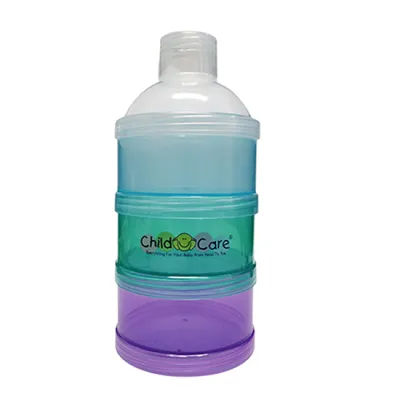
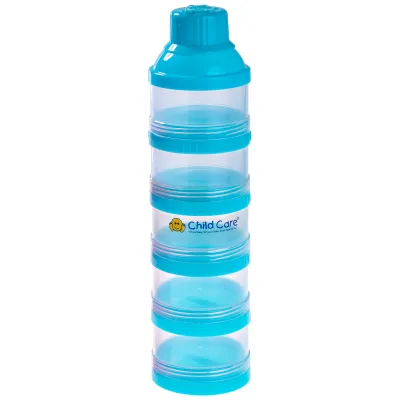
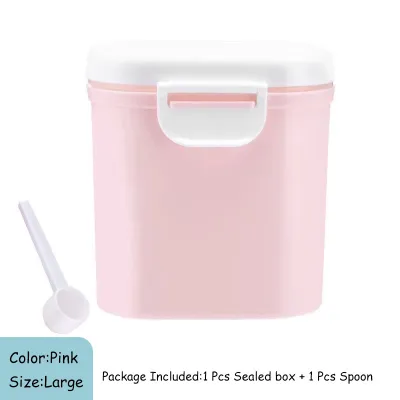
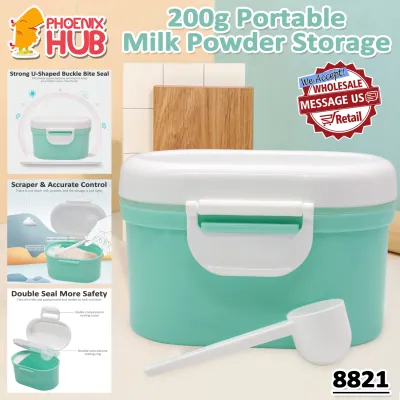
Prices are valid at publication and may change. Please refer to the product page for the latest price.
Insulation performance is another vital consideration, especially in the warm and humid climate of the Philippines. High ambient temperatures can cause milk to spoil rapidly if it is not kept at a safe, cool temperature. Instead of relying on generic marketing claims like “keeps cold all day,” check the manufacturer’s technical specifications for specific temperature retention hours. Look for double-wall vacuum insulation, which provides a physical barrier against external heat and helps maintain a stable internal temperature for several hours.
Weight, ergonomic grip, and overall portability directly impact how comfortable a container is to carry throughout the day. Commuting in the Philippines often involves walking, taking public transportation, or navigating crowded spaces, making lightweight gear essential. A container that is too heavy or bulky will quickly become a burden in your diaper bag. Opt for slim, streamlined designs that fit easily into standard bottle pockets and feature textured surfaces or contoured shapes that are easy to hold, even when your hands are wet.
Material safety must always be verified by checking official product labels and manufacturer documentation. Any material that comes into direct contact with your baby’s milk must be food-grade and completely free from harmful chemicals such as BPA, BPS, phthalates, and lead. Look for high-quality materials like 304 or 316 food-grade stainless steel, borosilicate glass, or BPA-free polypropylene plastic. Verifying these safety certifications ensures that no chemical contaminants leach into the milk, providing peace of mind for every feed.
Comparing Common Types of On-the-Go Milk Storage
Insulated stainless steel bottles are highly valued for their exceptional temperature retention capabilities. These containers are designed with double-wall vacuum technology that keeps liquids cold or hot for extended periods, making them ideal for long day trips. However, because stainless steel is opaque, it can be difficult to monitor the exact volume of milk remaining inside without opening the bottle. Additionally, parents must verify whether the bottle neck is compatible with standard nipples or if it requires transferring the milk to a separate feeding bottle, which adds an extra step and increases the risk of contamination.

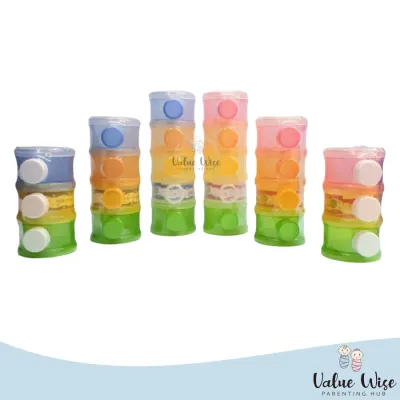
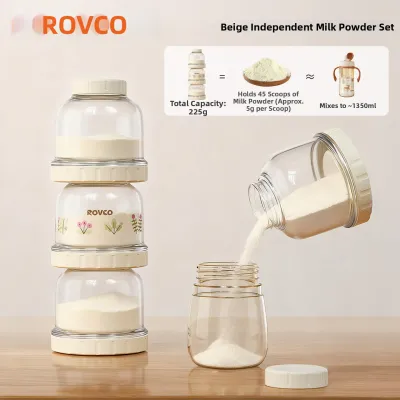
Portion-control plastic dispensers offer a lightweight and highly organized solution, particularly for formula-feeding parents. These containers typically feature multiple compartments that allow you to pre-measure dry formula powder or store small portions of milk separately. Because they are made of plastic, they do not provide insulation on their own and must be stored inside an insulated cooler bag with ice packs to keep liquid milk cold. When choosing a plastic dispenser, inspect the durability of the internal seals to ensure that powder or liquid does not leak between the compartments during transit.
Collapsible or modular storage systems, often made from flexible food-grade silicone, are excellent space-savers for busy parents. These innovative containers can be compressed or folded down to a fraction of their original size once they are empty, freeing up valuable space in your diaper bag for the journey home. While highly convenient, these systems require careful inspection of the folding joints and creases during cleaning. Milk residue can easily become trapped in these tight spaces, demanding thorough scrubbing and regular sterilization to prevent mold and bacterial growth over time.
How to Build Your Final Shortlist Before Buying
Calculating the required capacity of your travel container is a practical starting point for narrowing down your options. Consider your baby’s typical feeding volume per meal and multiply that by the number of feeds you expect to give during a standard outing. For example, a younger infant may require smaller, more frequent feeds, while an older baby will need larger volumes. Choosing a container that closely matches your baby’s feeding patterns prevents you from carrying unnecessary bulk while ensuring you always have an adequate supply of milk on hand.
Ensuring compatibility with your existing baby gear can save you time, money, and effort. If you are expressing breast milk, look for storage containers that connect directly to your breast pump flanges. Direct-to-bottle pumping eliminates the need to transfer milk between different vessels, which significantly reduces the risk of accidental spills and limits exposure to airborne bacteria. Similarly, check if the storage container can accept standard bottle nipples, allowing you to transition from storage to feeding with a simple swap of the lid.
Comparing prices across authorized brand websites and reputable online marketplaces is essential for finding a high-quality container within your budget. In the Philippines, prices for reliable travel milk containers can range from ₱300 for basic plastic dispensers to over ₱1,500 for premium insulated stainless steel systems. While it may be tempting to opt for the cheapest available option, remember to factor in shipping costs and the long-term durability of the product. Investing in a well-made, durable container often proves more cost-effective than repeatedly replacing cheap, leaky alternatives.
Reviewing the seller’s return and warranty policies is a crucial final step before making your purchase. Even high-quality products can occasionally arrive with manufacturing defects, such as a compromised vacuum seal, a misaligned thread, or a missing silicone gasket. Ensure that the retailer offers a clear, hassle-free return or exchange policy within a reasonable timeframe. Purchasing from official brand stores or authorized local distributors in the Philippines helps guarantee that you receive an authentic product and have access to reliable customer support if any issues arise.
Safe Handling and Temperature Control While Traveling
Understanding the manufacturer’s stated temperature retention limits is vital for keeping your baby’s milk safe. In the tropical heat of the Philippines, milk left at room temperature can quickly become a breeding ground for harmful bacteria. If your travel container does not have built-in vacuum insulation, you must plan to use an insulated cooler bag packed with frozen gel packs to maintain a safe temperature. Always monitor the duration of your trip and aim to feed or properly refrigerate the milk before the manufacturer’s recommended cooling window closes.
Recognizing the visual and olfactory signs of milk spoilage is an essential skill for every caregiver. Before feeding your baby, always inspect the stored milk carefully, especially if the container has been exposed to warm ambient temperatures. Spoiled breast milk or formula often develops a sour, rancid, or metallic odor that is distinctly different from its fresh scent. Visually, spoiled milk may exhibit persistent curdling, clumping, or a separation of layers that does not blend back together when the container is gently swirled.
Following proper cleaning and sterilization protocols is critical when you are away from home and lack access to your usual kitchen appliances. If you must clean a container on the go, carry a travel-sized bottle brush and a small bottle of mild, baby-safe dishwashing liquid. Use safe, potable water—such as bottled or boiled water—to wash and rinse all components thoroughly. Avoid using public restroom tap water for rinsing if you cannot verify its safety, as this can introduce unwanted contaminants to the feeding surfaces.
Knowing when to stop using a travel container is important for maintaining long-term hygiene and safety. Over time, regular use and cleaning can cause wear and tear on even the most durable materials. Inspect your containers regularly for deep scratches, permanent discoloration, or persistent odors that do not disappear after thorough washing. Micro-scratches in plastic or silicone can harbor bacteria that are difficult to sterilize, while worn-out silicone gaskets will eventually lose their leak-proof seal, indicating that it is time to replace the container.
Frequently Asked Questions (FAQ)
Can I mix freshly pumped milk with already chilled milk in the same travel container?
Mixing freshly expressed, warm breast milk directly with already chilled milk in a travel container is generally not recommended. Adding warm milk to a cold batch raises the overall temperature of the chilled milk, which can create an environment highly conducive to rapid bacterial growth. To combine them safely, you should first cool the freshly pumped milk in a separate container until it reaches the same temperature as the chilled milk. Once both portions are at the same cool temperature, you can safely combine them into a single travel container for easier storage and feeding.
How do I clean a travel milk container when I am away from home?
To clean a travel milk container when you are away from home, start by completely disassembling all parts, including lids, collars, and silicone gaskets, to ensure no milk residue remains trapped. Wash each component thoroughly using a travel-sized bottle brush, mild baby-safe dishwashing soap, and clean, potable water. After washing, rinse all parts copiously with safe, clean water to remove any soap residue. Find a clean, dry surface to air-dry the components completely before reassembling them, or use disposable sterilizing wipes designed for baby products as a temporary hygienic measure until you can perform a full sterilization at home.

Community discussion
Share your experience or ask a question. Comments are reviewed before publication.